
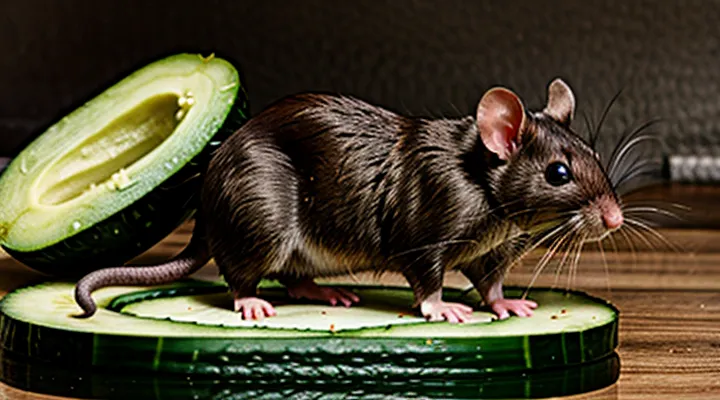
The Nutritional Value of Cucumbers for Rats
Key Nutrients and Their Benefits
Hydration and Water Content
Cucumbers consist of approximately 95 % water, making them one of the most hydrating vegetables available. This high moisture level provides a readily accessible source of fluid for rats, whose daily water intake typically ranges from 5 % to 10 % of body weight. Introducing cucumber slices can therefore supplement the liquid portion of a rat’s diet without requiring additional drinking water.
Key points regarding hydration from cucumbers:
- Water contribution – A 10‑gram piece supplies roughly 9.5 ml of water, directly influencing overall fluid balance.
- Electrolyte content – Minimal sodium and potassium levels support electrolyte homeostasis without risking excess intake.
- Digestibility – The soft flesh is easy to chew, reducing the risk of dehydration caused by oral discomfort or reduced water consumption.
When offering cucumber, observe the following guidelines:
- Wash thoroughly to remove pesticide residues that could impair renal function.
- Present small, bite‑size portions (1–2 grams) to prevent over‑consumption of water, which might dilute stomach acidity.
- Monitor for signs of loose stools; excessive moisture can accelerate gastrointestinal transit in some individuals.
Overall, cucumber’s water density makes it a practical adjunct for maintaining adequate hydration in pet rats, provided that portions are controlled and the vegetable is introduced gradually.
Vitamins and Minerals
Cucumbers supply several micronutrients that can complement a rat’s diet. The vegetable contains vitamin K1, which supports normal blood clotting, and modest amounts of vitamin C, an antioxidant that assists in collagen synthesis and immune function. B‑vitamin content is low, offering only trace levels of thiamine and riboflavin.
Mineral contributions include potassium, essential for nerve impulse transmission and muscle contraction, and magnesium, which participates in enzymatic reactions and bone health. Small quantities of calcium and phosphorus are present, but their ratio does not meet the optimal balance required for rodent skeletal development.
When cucumbers are offered as a treat, the following guidelines help maintain nutritional adequacy:
- Limit to 5 % of total daily intake by weight to avoid displacing protein‑rich foods.
- Provide fresh, washed slices without skin if the rat shows sensitivity to fiber.
- Combine with a fortified pellet diet that supplies adequate calcium, phosphorus, and B‑vitamins.
- Monitor for signs of digestive upset, such as loose stools, which may indicate excessive water content.
Overall, cucumbers can enrich a rat’s nutrient profile with vitamin K, vitamin C, potassium, and magnesium, provided they are incorporated in moderation and do not replace core dietary components.
Potential Downsides of Excessive Cucumber Intake
Digestive Issues
Feeding cucumbers to rats introduces a high‑water, low‑calorie food that can affect gastrointestinal function. The vegetable’s raw fiber content is largely insoluble, which may accelerate transit time and produce loose stools. Excessive intake can lead to diarrhea, dehydration, and electrolyte imbalance, especially in young or compromised animals.
Potential digestive complications include:
- Rapid fermentation of sugars, generating gas and abdominal discomfort.
- Irritation of the intestinal lining from sudden dietary changes.
- Reduced absorption of essential nutrients when stools pass too quickly.
To mitigate risks, introduce cucumber in small, measured portions and observe stool consistency for at least 48 hours. Combine with a balanced rodent diet that provides adequate protein, fat, and complex carbohydrates. Limit cucumber to no more than 5 % of total daily caloric intake, and ensure fresh water is always available. Regular monitoring of weight and behavior will reveal whether the rodent tolerates the addition without adverse effects.
Nutritional Imbalance
Cucumbers contain high water content and low levels of protein, fat, and essential vitamins. When they become a regular component of a rat’s diet, the animal may receive insufficient calories and nutrients required for growth, reproduction, and immune function.
Typical nutritional gaps caused by excessive cucumber feeding include:
- Protein deficiency, leading to muscle loss and reduced fur quality.
- Low caloric density, resulting in weight loss and decreased energy.
- Inadequate supply of vitamin A, vitamin D, and B‑complex vitamins, affecting vision, bone health, and metabolic processes.
- Minimal mineral intake, particularly calcium and phosphorus, which can impair skeletal development.
Balancing cucumber treats with a commercial rat pellet, occasional lean meat, and fortified vegetables restores macro‑ and micronutrient levels, prevents the described imbalances, and supports overall health.
How to Safely Feed Cucumbers to Rats
Preparation and Portion Control
Washing and Peeling Considerations
Rats may safely consume cucumber if the vegetable is properly cleaned and, when necessary, peeled. Residues from pesticides, soil, and microorganisms reside on the surface; thorough washing eliminates most hazards. Rinse the cucumber under cool running water, then scrub with a soft brush to dislodge stubborn particles. For organic produce, a brief soak in a dilute vinegar solution (one part white vinegar to three parts water) followed by a second rinse further reduces microbial load.
Peeling removes the outer rind, which often carries wax coatings and higher concentrations of pesticide residues. The peel also contains tougher fibers that some rats reject. However, the skin provides additional nutrients and fiber; if the cucumber is sourced from a trusted, pesticide‑free supplier, leaving the peel on is acceptable. When peeling, use a clean vegetable peeler or a sharp knife, removing only the thin outer layer without discarding excess flesh.
Preparation checklist
- Rinse under running water for at least 30 seconds.
- Scrub surface with a soft brush.
- Optional: soak 5 minutes in 1:3 vinegar‑water solution, then rinse.
- Pat dry with a clean cloth or paper towel.
- Peel only if cucumber is non‑organic or if rats show aversion to rind.
- Cut into bite‑size pieces (no larger than 1 cm) before offering.
Following these steps ensures that cucumber presented to rats is free from contaminants and appropriately prepared for their dietary needs.
Appropriate Serving Sizes
Rats may safely consume cucumber when it is offered in modest amounts that fit within their overall dietary balance. Veterinary nutrition guidelines suggest that fresh cucumber should represent no more than 5 % of a rat’s total daily intake by weight. For a typical adult rat weighing 30–50 g, this translates to a serving of approximately 1–2 g of cucumber, roughly a ½‑inch cube or a thin slice. Larger individuals (70–100 g) can receive up to 2–4 g per day, but the 5 % ceiling must still be observed.
Key points for proper portioning:
- Wash thoroughly to remove pesticides and soil.
- Peel if the skin is waxed or treated.
- Remove seeds, which can cause digestive irritation.
- Cut into uniform, bite‑size pieces to prevent choking.
- Introduce gradually, monitoring for loose stools or reduced appetite.
Cucumber’s high water content can dilute nutrient intake if over‑offered; therefore, treat it as an occasional supplement rather than a staple. Adjust portions according to the rat’s activity level, health status, and overall diet composition.
Frequency of Feeding
Cucumbers are safe for rats when offered in moderation, but they should not become a staple. A typical feeding schedule limits cucumber to 1–2 small slices (approximately 5–10 g) no more than twice per week. This frequency provides hydration and vitamin C without displacing essential protein‑rich foods.
- Weekly limit: 2 sessions, each with a single slice.
- Daily limit: No more than one slice on feeding days.
- Adjustment: Increase frequency only if the rat shows no digestive upset and maintains healthy weight.
Monitor stool consistency and overall activity after each cucumber offering. If soft stools or reduced appetite appear, reduce frequency or discontinue. Consistent, limited exposure ensures cucumbers contribute positively to a balanced diet while preventing nutritional imbalance.
Monitoring for Adverse Reactions
When introducing cucumber to a rat’s diet, systematic observation is essential to detect any negative health effects. Begin with a baseline health assessment: weight, coat condition, activity level, and stool consistency. Record these metrics before the first cucumber offering.
After each feeding, monitor the following indicators for at least 48 hours:
- Reduced appetite or refusal to eat
- Diarrhea, loose stools, or blood in feces
- Vomiting or regurgitation
- Lethargy, tremors, or uncoordinated movements
- Swelling of the mouth, tongue, or facial area
- Excessive scratching or skin lesions
Document any observed changes with timestamps and severity ratings. Use a simple log format, for example:
| Date | Time | Observation | Severity (1‑3) | Action taken |
|---|
If a symptom reaches a severity level of 2 or higher, discontinue cucumber and consult a veterinarian promptly. Maintain a minimum interval of 24 hours between cucumber servings during the trial period to isolate reactions from other dietary variables.
Long‑term monitoring should continue for at least two weeks after the final cucumber exposure. Persistent or delayed symptoms may indicate an underlying intolerance that requires dietary adjustment. Regular veterinary check‑ups reinforce early detection and ensure the rat’s nutritional plan remains safe.
Cucumbers as Part of a Balanced Rat Diet
Cucumbers supply water and modest amounts of fiber, vitamins C and K, and potassium, making them a useful supplement to a rat’s primary diet of commercial pellets, fresh greens, and protein sources. Their low caloric density prevents excess weight gain when offered in controlled portions.
When integrating cucumbers, observe the following guidelines:
- Offer only the flesh; remove skin if it appears waxed or treated with pesticides.
- Cut into bite‑size pieces (approximately ¼ inch) to avoid choking hazards.
- Limit servings to 1–2 teaspoons per day for an adult rat; juveniles require less.
- Provide fresh cucumber each time; discard any leftovers after 24 hours to prevent bacterial growth.
- Monitor for signs of digestive upset, such as loose stools or reduced appetite, and discontinue if symptoms appear.
Cucumbers lack essential amino acids, fats, and certain minerals; therefore they cannot replace the core components of a rat’s nutrition plan. Use them as occasional moisture‑rich treats rather than staple foods. Regular assessment of body condition and dietary balance ensures that cucumber inclusion supports overall health without compromising nutritional adequacy.