
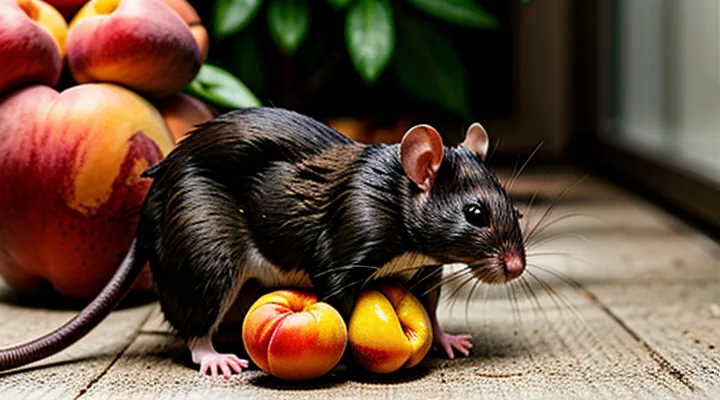
Nutritional Profile of Nectarines
Vitamins and Minerals
Pet rats may be offered small pieces of ripe nectarine, but the decision should rest on the fruit’s vitamin and mineral profile and the animal’s overall diet.
Nectarines supply several water‑soluble vitamins that support metabolic functions in rodents. Vitamin C acts as an antioxidant and aids iron absorption; vitamin A, present as β‑carotene, contributes to visual health and epithelial maintenance; modest amounts of B‑complex vitamins (B1, B2, B3, B6) participate in energy metabolism.
- Vitamin C – ~7 mg per 100 g fruit
- Vitamin A (β‑carotene) – ~30 µg RAE per 100 g
- Thiamine (B1) – ~0.02 mg per 100 g
- Riboflavin (B2) – ~0.02 mg per 100 g
- Niacin (B3) – ~0.5 mg per 100 g
- Pyridoxine (B6) – ~0.03 mg per 100 g
Mineral content in nectarine is limited but includes potassium, which regulates fluid balance, and small quantities of calcium and magnesium that contribute to bone and muscle function.
- Potassium – ~170 mg per 100 g
- Calcium – ~6 mg per 100 g
- Magnesium – ~8 mg per 100 g
- Phosphorus – ~12 mg per 100 g
The fruit’s high natural sugar and organic acid levels can overwhelm a rat’s digestive system if given in excess, potentially leading to diarrhea or dental wear. Additionally, the skin may carry pesticide residues; thorough washing or peeling reduces this risk.
For safe inclusion, limit nectarine to no more than 5 % of the total daily food intake, offer only soft, seed‑free flesh, and monitor the animal for gastrointestinal changes. Combine occasional nectarine pieces with a balanced staple diet of high‑quality pellets, fresh vegetables, and protein sources to maintain nutritional equilibrium.
Fiber Content
Nectarines contain approximately 2 g of dietary fiber per 100 g of edible flesh. The fiber is primarily soluble pectin, which slows gastric emptying and moderates blood‑sugar spikes. In small mammals such as pet rats, the gastrointestinal tract processes fiber differently from that of larger rodents; the cecum ferments soluble fiber, producing short‑chain fatty acids that support colon health.
When offering nectarines to a pet rat, consider the following:
- Limit portion size to no more than 5 g of fruit per 100 g of body weight to avoid excessive bulk.
- Observe stool consistency; loose or watery feces may indicate over‑consumption.
- Ensure the fruit is ripe, peeled, and free of pesticide residues to reduce irritant compounds.
Excessive fiber can cause intestinal discomfort, bloating, or obstruction in rats with compromised gut motility. Balanced inclusion of nectarines, alongside a diet rich in protein, fat, and low‑fiber staples, provides nutritional variety without jeopardizing digestive function.
Sugar Content
Nectarines contain approximately 8–12 g of total sugars per 100 g of edible flesh, primarily glucose and fructose. The sugar concentration rises as the fruit ripens, with fully ripe specimens reaching the upper end of this range. Compared with other common fruits, nectarines rank moderately high in simple carbohydrate content.
Pet rats metabolize simple sugars efficiently but possess a limited capacity to process large glucose loads. Excessive intake can overload hepatic glycolysis pathways, leading to transient hyperglycemia and increased fat deposition. Rats that are overweight or have a predisposition to insulin resistance are especially vulnerable to the effects of high‑sugar diets.
Guidelines for offering nectarines to domestic rats:
- Offer no more than 5 g of fresh nectarine flesh per 100 g of body weight per week.
- Serve the fruit in small, bite‑size pieces to prevent choking.
- Remove the skin and any residual pulp to reduce fiber that may cause gastrointestinal irritation.
- Monitor the animal for signs of elevated blood glucose, such as lethargy or increased water consumption, after each feeding.
When nectarines are introduced within the limits above, the sugar contribution remains compatible with a balanced rodent diet that emphasizes protein, fiber, and low‑glycemic vegetables.
Are Nectarines Safe for Pet Rats?
Potential Benefits
Feeding nectarines to domesticated rats can provide nutritional advantages when offered in moderation.
- High water content supports hydration and aids digestion.
- Vitamin C contributes to immune function and tissue repair.
- Dietary fiber promotes gut motility and microbiome diversity.
- Natural sugars supply quick energy for active periods.
- Antioxidants such as beta‑carotene help mitigate oxidative stress.
Introduce small, seed‑free pieces to prevent choking and monitor for adverse reactions. Adjust portion size according to the rat’s overall diet to maintain balanced nutrient intake.
Potential Risks and Concerns
Pet rats may be tempted by the sweet flesh of nectarines, yet the fruit carries several health hazards that owners should recognize.
- High natural sugar levels can destabilize blood‑glucose regulation, leading to rapid weight gain and increased risk of diabetes.
- The edible portion is acidic; excessive intake may irritate the stomach lining and provoke diarrhea.
- Pesticide residues commonly applied to stone fruits remain on the skin and can cause toxic reactions if not thoroughly washed.
- The hard pit contains amygdalin, a cyanogenic compound that releases cyanide when chewed, posing a lethal threat.
- Large pieces of flesh can become lodged in the esophagus or intestine, resulting in obstruction that requires veterinary intervention.
- Some rats develop hypersensitivity to peach‑family proteins, producing skin lesions or respiratory distress.
To mitigate these risks, remove the pit entirely, rinse the fruit under running water, offer only a small, bite‑size portion, and observe the animal for any signs of gastrointestinal upset or abnormal behavior. Regular veterinary check‑ups should follow any introduction of new foods.
How to Safely Offer Nectarines to Your Rat
Preparation Guidelines
Pet rats may safely consume ripe nectarine flesh if it is prepared correctly. The fruit’s skin, seeds, and any stem material contain compounds that can irritate a rat’s digestive system and should be removed before offering the fruit.
- Wash the nectarine thoroughly under running water to eliminate pesticide residues.
- Peel the skin completely; use a vegetable peeler or a small knife.
- Slice the fruit into bite‑size pieces, roughly ¼ inch cubes, to match a rat’s chewing ability.
- Discard the pit and any surrounding fibrous tissue, as these contain cyanogenic glycosides.
- Offer a single serving (no more than one teaspoon) on a clean dish, and observe the rat for 24 hours for any signs of gastrointestinal upset.
- Store any unused portions in an airtight container in the refrigerator for no longer than 24 hours; discard if the fruit becomes soft or develops mold.
Introduce nectarine gradually, mixing it with a familiar staple such as fresh vegetables, to gauge acceptance and tolerance. Maintain a balanced diet by limiting fruit to less than 5 % of total daily intake.
Portion Sizes
Pet rats may eat nectarines, but the amount offered must be limited to avoid digestive problems and excess sugar. A single bite, roughly the size of a pea or about 2–3 grams of flesh, provides a safe introduction for an adult rat weighing 300–400 g. Smaller rats, such as juveniles under 150 g, should receive half that quantity, approximately 1 gram, to match their lower metabolic capacity.
When feeding nectarines, follow these guidelines:
- Remove the pit and any hard skin; both can cause choking or intestinal blockage.
- Offer the fruit no more than twice a week to prevent spikes in blood glucose.
- Observe the rat for signs of diarrhea or reduced appetite after consumption; discontinue if symptoms appear.
- Balance the fruit with a diet primarily composed of high‑protein pellets, fresh vegetables, and occasional protein treats.
Portion control ensures that nectarines contribute vitamins and hydration without compromising the rat’s health. Adjust the serving size according to the individual’s weight, age, and overall diet composition.
Frequency of Feeding
Pet rats can safely ingest small pieces of ripe nectarine, but the fruit’s high sugar and fiber content requires careful timing. Offering nectarine more than once or twice a week may disrupt the balance of a rat’s diet, leading to gastrointestinal upset or weight gain.
- Serve no more than a ¼‑inch cube per rat.
- Limit feeding to 1–2 times per week.
- Provide the fruit as a treat, not a staple, ensuring that the primary diet remains a balanced commercial rat chow supplemented with fresh vegetables.
Observe the animal after each feeding. Signs of digestive distress, such as loose stools or reduced activity, indicate that the frequency should be reduced or the fruit eliminated. Consistent monitoring maintains health while allowing occasional nectarine enjoyment.
Fruits That Are Safe for Rats
List of Recommended Fruits
Pet rats can safely enjoy a variety of fresh fruits, provided the items are offered in moderation and prepared correctly. Fruit supplies essential vitamins, antioxidants, and hydration, complementing a balanced rodent diet.
- Apple (core removed, no seeds)
- Blueberries
- Strawberries (cut into bite‑size pieces)
- Pear (seedless, skin removed if thick)
- Kiwi (peeled, small portions)
- Banana (thin slices, limited frequency)
- Mango (seed removed, flesh only)
- Cantaloupe (seedless, diced)
When introducing any fruit, wash thoroughly, remove pits, stems, and seeds that may contain toxins, and limit portions to no more than a few teaspoons per day. Monitor the rat for any signs of digestive upset and adjust the selection accordingly.
Fruits to Avoid
Pet rats require a diet low in sugars, acids, and toxic compounds. Certain fruits pose health risks and should be excluded from their menu.
- Citrus fruits (oranges, lemons, limes, grapefruits): high acidity can cause digestive upset and enamel erosion.
- Stone fruits (peaches, plums, cherries, nectarines): contain pits that may splinter, and the flesh is rich in sugars that can lead to obesity and gastrointestinal distress.
- Grapes and raisins: linked to acute kidney failure in small mammals.
- Tomatoes (green or unripe): contain solanine, a neurotoxin harmful to rodents.
- Avocado: high in persin, which is toxic to many animal species.
- Coconut: high fat content can trigger pancreatitis.
Avoid feeding these fruits to pet rats to maintain optimal health and prevent serious medical conditions. If fruit is offered, select safe options such as small pieces of apple (seedless), banana, or berries, and limit portions to no more than 5 % of the total diet.
Signs of an Adverse Reaction
Common Symptoms
Pet rats that consume nectarines may experience digestive disturbances due to the fruit’s high sugar content and natural acids. The gastrointestinal system of a rodent is sensitive to sudden changes in diet, and fruit introduction can trigger adverse reactions.
Common symptoms include:
- Diarrhea or soft stools
- Vomiting or regurgitation
- Decreased appetite
- Lethargy or reduced activity
- Abdominal cramping evident by a hunched posture
- Excessive drooling
If any of these signs appear, monitor the animal closely and contact a veterinarian promptly. Persistent or severe manifestations, such as blood in feces or rapid weight loss, require immediate professional assessment to prevent dehydration and further complications.
When to Consult a Vet
Pet rats that have tried nectarine flesh or skin may appear normal initially, but certain signs indicate the need for professional evaluation.
Observe the animal for any of the following symptoms:
- Persistent vomiting or retching after ingestion
- Diarrhea that lasts more than 24 hours or contains blood
- Sudden loss of appetite or refusal to eat altogether
- Lethargy, weakness, or inability to move normally
- Swelling or pain in the mouth, throat, or abdomen
- Unusual respiratory sounds or difficulty breathing
If any of these conditions develop, contact a veterinarian promptly. Early intervention reduces the risk of complications such as gastrointestinal obstruction, electrolyte imbalance, or toxicity from nectarine seeds.
Even in the absence of overt symptoms, a veterinary check is advisable when a rat consumes a large portion of fruit, especially the pit, which contains cyanogenic compounds. A professional assessment can confirm that the digestive tract is clear and that no hidden damage has occurred.
Regular veterinary visits remain essential for overall health monitoring, but immediate consultation should be triggered by the acute signs listed above after a rat has ingested nectarine material.
Alternative Healthy Treats for Pet Rats
Vegetable Options
Pet rats may enjoy occasional fruit, but the high sugar content of nectarines can lead to digestive upset and weight gain. Providing a balanced diet that emphasizes low‑sugar vegetables offers safer nutritional support.
Safe vegetable choices include:
- Leafy greens – romaine lettuce, kale, spinach (offer in small portions to avoid oxalates).
- Root vegetables – carrots, beet tops, radishes (remove any tough skins).
- Cruciferous varieties – broccoli florets, cauliflower, Brussels sprouts (serve cooked or finely chopped to reduce gas).
- Squash – zucchini, yellow squash, butternut (cooked, seedless).
Vegetables to avoid:
- Allium family – onions, garlic, leeks (toxic to rodents).
- Nightshades – raw potatoes, tomatoes (contain solanine).
- High‑oxalate greens – Swiss chard, rhubarb (risk of kidney stones).
Preparation guidelines:
- Wash thoroughly to eliminate pesticide residues.
- Trim tough stems and peel where skin may be fibrous.
- Offer raw pieces in moderation; steam or blanch dense vegetables to improve digestibility.
Nutritional balance requires that vegetables constitute roughly 10–15 % of a pet rat’s daily intake, complementing a high‑quality commercial rodent pellet. Monitor stool consistency and body condition after introducing new items; adjust portions if signs of diarrhea or weight loss appear.
By selecting appropriate vegetables and adhering to proper preparation, owners can meet the dietary needs of pet rats while minimizing the risks associated with sugary fruits such as nectarines.
Other Fruit Options
Pet rats can enjoy a variety of fruits, but the sugar content and acidity of some fruits require careful selection. Nectarines, while appealing, present a high sugar load and a fibrous skin that may cause digestive upset in small rodents. For owners seeking safer fruit choices, consider the following options, each noted for low acidity, moderate sugar levels, and digestibility:
- Apple (core removed, skin thin) – Provides fiber and vitamin C; offer in ¼‑inch cubes.
- Blueberries – Rich in antioxidants; serve a few whole berries at a time.
- Strawberries – Soft texture, high water content; cut into bite‑size pieces, limit to two per week.
- Banana – High potassium, soft flesh; give a thin slice no larger than a pea, no more than once weekly.
- Pear (seedless, skin thin) – Supplies dietary fiber; provide small cubes, avoid overfeeding due to sugar.
- Melon (cantaloupe, honeydew) – Low acidity, high moisture; serve a small wedge, remove seeds.
When introducing any new fruit, start with a minimal portion and observe the rat for signs of diarrhea or reduced appetite. Fruit should complement a balanced diet of high‑quality rodent pellets, fresh vegetables, and occasional protein sources, never replace the staple feed. Limit total fruit intake to 5‑10 % of daily calories to maintain healthy weight and metabolic stability.
Commercial Rat Treats
Commercial rat treats are formulated to meet the nutritional requirements of domesticated rodents. Ingredients typically include protein sources (such as soy, whey, or insect meal), grains, seeds, and a modest amount of natural flavorings. The protein content ranges from 15 % to 25 % by weight, providing essential amino acids for growth and maintenance. Fiber levels, usually 4 % to 8 %, support digestive health, while added vitamins and minerals ensure balanced micronutrient intake.
When evaluating fruit like nectarines for pet rats, the primary concerns are sugar load, acidity, and potential pesticide residues. Nectarines contain high natural sugars (approximately 10 % of fresh weight) and organic acids that can irritate a rat’s gastrointestinal tract if offered in large quantities. Commercial treats often incorporate low‑glycemic fruit powders to add flavor without excessive sugar, reducing the risk associated with whole fruit consumption.
Key points for owners comparing commercial treats to fresh nectarines:
- Treats provide controlled nutrient ratios; fresh fruit offers variable sugar content.
- Treats are processed to remove pesticides; fruit must be thoroughly washed or sourced organic.
- Small, measured portions of fruit can supplement a balanced diet, but should not replace formulated treats.
In practice, a balanced feeding regimen combines a high‑quality commercial rat treat with occasional, limited servings of washed, seed‑free nectarine pieces. This approach supplies essential nutrients while allowing rats to experience natural fruit flavors safely.