
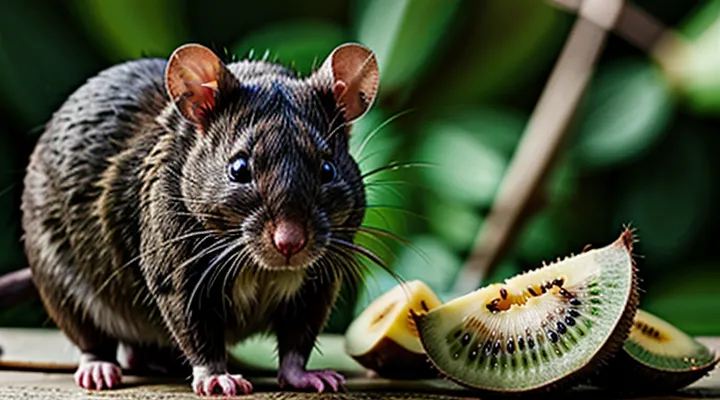
Nutritional Profile of Kiwi
Vitamins and Minerals
Kiwi fruit supplies a range of micronutrients that can complement the diet of ornamental rats when offered in moderation. The flesh contains vitamin C, vitamin K, vitamin E, folate, potassium, and small amounts of calcium, magnesium, and iron. Vitamin C supports collagen synthesis and antioxidant defenses; vitamin K contributes to blood clotting; vitamin E functions as a lipid‑soluble antioxidant. Folate participates in nucleotide synthesis, while potassium aids cellular electrolyte balance.
Rats require specific vitamins and minerals for growth, reproduction, and immune competence. Their standard laboratory diet already provides adequate levels of most micronutrients, but occasional kiwi can enrich the intake of:
- Vitamin C – 92 mg per 100 g kiwi; rats synthesize this vitamin endogenously, yet supplemental sources may reduce oxidative stress.
- Vitamin K1 – 40 µg per 100 g; supports normal coagulation pathways.
- Vitamin E – 1.5 mg per 100 g; protects membrane lipids from peroxidation.
- Folate – 25 µg per 100 g; essential for DNA synthesis.
- Potassium – 312 mg per 100 g; maintains nerve impulse transmission.
- Calcium – 34 mg per 100 g; contributes to bone mineralization.
- Magnesium – 17 mg per 100 g; co‑factor for enzymatic reactions.
- Iron – 0.3 mg per 100 g; required for hemoglobin formation.
Excessive kiwi consumption can introduce too much sugar and fiber, potentially leading to gastrointestinal upset or weight gain. A safe portion for a typical adult decorative rat (200 g body weight) is no more than a quarter of a kiwi slice, offered two to three times per week. Monitoring for signs of diarrhea or reduced appetite is essential.
Incorporating kiwi as an occasional treat adds diversity to the micronutrient profile without displacing the balanced composition of a formulated rodent diet. Proper portion control and observation ensure that the benefits of the fruit’s vitamins and minerals are realized without adverse effects.
Fiber Content
Kiwi fruit supplies approximately 3 g of dietary fiber per 100 g of edible flesh. The fiber consists of roughly 1 g soluble pectin and 2 g insoluble cellulose and hemicellulose. Additional components include small amounts of lignin and resistant starch, contributing to overall bulk.
Rats, including ornamental varieties, possess a short gastrointestinal tract optimized for high‑energy, low‑fiber diets. Their cecum ferments limited amounts of fiber, providing modest short‑chain fatty acid production. Excess insoluble fiber can accelerate transit time, reduce nutrient absorption, and cause soft stools.
Guidelines for offering kiwi to pet rats:
- Serve peeled, seed‑free slices no larger than a 1 cm square.
- Limit intake to 5 g of kiwi (≈0.15 g fiber) per 100 g of body weight per week.
- Observe stool consistency for signs of diarrhea; discontinue if symptoms appear.
- Combine kiwi with a balanced pellet diet to maintain protein and fat ratios.
When introduced within these parameters, kiwi’s fiber contributes mild gut stimulation without jeopardizing digestive health.
Sugar Content
Kiwi fruit contains approximately 10 g of total sugars per 100 g of edible portion, primarily fructose, glucose, and a small amount of sucrose. The sugar concentration is lower than that of many commonly fed fruits, such as apples (≈10–13 g) and bananas (≈12 g), and comparable to berries.
- Average sugar content: 10 g / 100 g fresh kiwi
- Fructose: ~5 g / 100 g
- Glucose: ~3 g / 100 g
- Sucrose: <1 g / 100 g
For ornamental rodents, the modest sugar level supports energy needs without excessive carbohydrate load. Excessive intake can predispose to obesity and dental issues; therefore, kiwi should be offered sparingly, no more than one small slice (≈15 g) two to three times per week. Monitoring weight and oral health ensures that the fruit’s natural sugars remain beneficial rather than detrimental.
Potential Benefits of Feeding Kiwi to Rats
Antioxidant Properties
Kiwi fruit contains high concentrations of vitamin C, flavonoids, and carotenoids, all of which act as electron donors that neutralize reactive oxygen species. The antioxidant capacity of kiwi is measurable by ORAC (Oxygen Radical Absorbance Capacity) values that exceed many common fruits, indicating strong potential to mitigate oxidative stress.
In rodents, the gastrointestinal tract efficiently absorbs vitamin C and polyphenols after ingestion. Absorbed antioxidants enter the bloodstream, where they scavenge free radicals, regenerate endogenous enzymes such as superoxide dismutase, and protect cellular membranes from lipid peroxidation. The metabolic pathways involved are conserved across mammalian species, allowing extrapolation from laboratory rat data to ornamental rodent populations.
Research on standard laboratory rats shows that a diet supplemented with kiwi-derived antioxidants produces:
- Reduced levels of malondialdehyde in liver tissue, reflecting lower lipid peroxidation.
- Increased activity of glutathione peroxidase in cardiac muscle.
- Stabilized plasma ascorbate concentrations during periods of environmental stress.
These biochemical changes correlate with improved endurance in treadmill tests and decreased incidence of age‑related ocular degeneration.
Applying these findings to decorative rats suggests that occasional kiwi consumption can enhance systemic antioxidant defenses without adverse effects, provided the fruit is offered in small, seed‑free portions to avoid gastrointestinal irritation. Regular inclusion of kiwi in a balanced diet may support longevity and overall health in ornamental rodent care.
Digestive Health
Kiwi fruit contains soluble fiber, vitamin C, and enzymes such as actinidin that can influence the gastrointestinal tract of small mammals. In ornamental rodents, the small intestine and cecum are adapted to process seeds, grains, and modest amounts of fruit. Introducing kiwi provides additional fermentable substrate, which may stimulate cecal bacteria and promote short‑chain fatty‑acid production. Excessive fiber, however, can accelerate transit time and cause loose stools.
Key considerations for feeding kiwi to decorative rats:
- Portion size – a cube no larger than 0.5 cm³ per animal, offered no more than twice weekly.
- Preparation – remove skin and seeds, rinse thoroughly, present raw to preserve enzymes.
- Observation – monitor fecal consistency for diarrhea, track changes in appetite, and note any signs of abdominal discomfort.
- Frequency – limit to occasional treat to prevent chronic irritation of the mucosa.
Potential benefits include increased antioxidant intake and modest enrichment of the diet. Risks involve rapid fermentation leading to gas buildup, possible allergic reactions to actinidin, and disruption of the balanced nutrient profile if kiwi displaces essential protein sources.
Veterinary guidance recommends a trial period of three days with a single small piece. If no adverse reaction occurs, the fruit may be incorporated as a supplemental element within a diet primarily composed of formulated rodent pellets, fresh vegetables, and limited grains. Continual evaluation of digestive health markers—fecal form, weight stability, and activity level—ensures that the inclusion of kiwi supports overall well‑being without compromising gut function.
Hydration
Decorative rats need a reliable source of water to maintain physiological balance. Kiwi fruit contains approximately 83 % water, providing a modest contribution to daily fluid intake when offered in small, bite‑size portions. The fruit’s natural sugars and acids are absorbed quickly, limiting the duration of hydration benefit.
Rats’ renal systems are adapted to concentrate urine, but they cannot rely solely on fruit moisture. A balanced diet for ornamental rodents should include:
- Fresh, clean drinking water available at all times.
- Small amounts of kiwi as an occasional supplement, not exceeding 5 % of total food volume.
- Dry feed or pellets that supply the majority of nutrients and electrolytes.
Excessive kiwi consumption may lead to gastrointestinal upset due to its fiber and acidity. Monitoring stool consistency and weight gain helps detect any adverse reaction. If signs of dehydration appear—dry mucous membranes, reduced skin elasticity—immediate access to water is required.
Risks and Considerations
Acidity and Stomach Upset
Kiwi fruit contains a high concentration of citric and malic acids, resulting in a pH ranging from 3.1 to 3.9. Such acidity can irritate the gastric lining of small mammals, including ornamental rats, whose stomachs are adapted to a more neutral diet.
When a decorative rat ingests kiwi, the following effects may occur:
- Rapid increase in gastric acidity, potentially leading to discomfort.
- Stimulation of gastric secretions, which can cause nausea or vomiting.
- Possible disruption of the natural balance of gut flora, increasing the risk of diarrhea.
Rats possess a relatively short digestive tract designed for grain‑based foods. Their enzymatic profile efficiently processes carbohydrates and low‑acid proteins but is less equipped to neutralize strong fruit acids. Consequently, repeated exposure to kiwi may result in chronic gastritis or ulcer formation.
To mitigate these risks, limit kiwi to occasional, small portions—no more than a single bite‑sized piece per month. Observe the animal for signs of stomach upset, such as reduced food intake, abnormal stool consistency, or lethargy. If symptoms appear, discontinue kiwi and consult a veterinarian experienced with exotic pets.
Sugar Intake and Diabetes
Decorative rodents presented with sweet fruit illustrate the broader issue of dietary sugar and its impact on blood‑glucose regulation. When such animals consume high‑sugar foods, their bodies experience rapid glucose spikes, a physiological response that mirrors human metabolism after sugary intake.
Excessive sugar raises plasma glucose levels, prompting the pancreas to release insulin. Persistent elevation forces β‑cells to work beyond capacity, leading to insulin resistance and, over time, type 2 diabetes. Key mechanisms include:
- Increased hepatic glucose production
- Impaired peripheral glucose uptake
- Chronic low‑grade inflammation of adipose tissue
Managing sugar consumption reduces the risk of these pathological changes. Practical steps for individuals at risk or diagnosed with diabetes are:
- Limit added sugars to less than 10 % of total daily calories.
- Choose whole fruits over processed snacks; natural fruit sugars are accompanied by fiber that moderates absorption.
- Monitor blood‑glucose levels after meals containing sugary items to assess individual response.
- Incorporate regular physical activity to enhance insulin sensitivity.
Adhering to these guidelines stabilizes glycaemic control, protects β‑cell function, and lowers the probability of disease progression.
Allergic Reactions
Decorative rats, often kept for aesthetic purposes, may encounter kiwi fruit as a novelty treat. Kiwi contains actinidin, a proteolytic enzyme, and several protein families known to trigger immunoglobulin‑E (IgE) mediated responses in mammals. When a rat ingests kiwi, the immune system can recognize these proteins as foreign, leading to an allergic cascade.
Typical manifestations in rodents include:
- Rapid swelling of the muzzle and ears
- Itching or excessive grooming of the face
- Respiratory distress, such as wheezing or labored breathing
- Gastrointestinal upset, including vomiting or diarrhea
- Anaphylactic shock, characterized by sudden collapse and loss of consciousness
Diagnosing a reaction requires observation of these signs within minutes to a few hours after exposure. Veterinary confirmation involves skin prick testing with diluted kiwi extract or serum analysis for specific IgE antibodies. Histopathological examination may reveal eosinophilic infiltration in affected tissues.
Management protocols are:
- Immediate removal of kiwi from the diet.
- Administration of antihistamines (e.g., diphenhydramine) to mitigate histamine release.
- Corticosteroid injection for severe inflammation.
- Epinephrine autoinjector use in cases of systemic anaphylaxis, followed by emergency veterinary care.
Prevention strategies focus on dietary control. Keep kiwi and other known allergenic fruits separate from the enclosure. Substitute safe treats such as carrot slices or apple chunks, which lack the problematic proteins. Regular health monitoring can detect early hypersensitivity, allowing prompt dietary adjustments before severe reactions develop.
Choking Hazards
Decorative rats are small omnivores with dental and throat structures that can be challenged by the fibrous texture and seed size of kiwi fruit. When a kiwi piece exceeds the diameter of a rat’s esophageal opening, it can become lodged, obstructing airflow and causing rapid respiratory distress.
Key factors influencing choking risk include:
- Piece size: fragments larger than 0.5 cm in thickness are prone to blockage.
- Seed presence: kiwi seeds are hard and irregular, increasing the likelihood of impaction.
- Moisture content: overly dry slices shrink during chewing, creating sharper edges that can snag the mucosa.
Signs of an obstructed airway appear within seconds: audible gasping, inability to swallow, and loss of balance. Immediate response should follow a validated rodent first‑aid protocol:
- Position the rat upright to keep the airway open.
- Apply gentle pressure to the lower chest to encourage expulsion.
- If the object does not dislodge, administer a small dose of oxygen and transport to a veterinarian without delay.
Preventive measures are straightforward:
- Cut kiwi into bite‑size cubes no larger than 0.3 cm.
- Remove all seeds and peel the fruit to reduce fibrous resistance.
- Offer only a single small piece per feeding session and observe the animal for at least five minutes.
- Rotate kiwi with other safe fruits to avoid habituation to a single texture.
Adhering to these guidelines minimizes choking hazards while allowing decorative rats to enjoy the nutritional benefits of kiwi, such as vitamin C and dietary fiber, without compromising safety.
How to Safely Offer Kiwi to Your Rat
Proper Preparation
Kiwi can be offered to ornamental rats only after a controlled preparation process that eliminates hazards and preserves nutritional value.
- Wash the fruit thoroughly under running water to remove surface contaminants.
- Peel the skin completely; the outer layer contains tiny hairs and pesticide residues that rats may ingest.
- Slice the flesh into bite‑size pieces, approximately 0.5 cm cubes, to match the animal’s chewing capacity.
- Remove all visible seeds; kiwi seeds pose a choking risk and may contain compounds unsuitable for rodents.
- Pat the pieces dry with a clean paper towel to reduce excess moisture, which can promote bacterial growth.
After preparation, store the kiwi portions in an airtight container within a refrigerator. Use the fruit within 24 hours; prolonged storage leads to oxidation, loss of vitamin C, and microbial proliferation.
When feeding, limit the portion to no more than 5 % of the rat’s daily caloric intake. Observe the animal for signs of digestive upset, such as loose stools or reduced appetite, and discontinue if adverse reactions appear.
Portion Sizes
Decorative rodents can safely include kiwi in their diet when portion sizes adhere to specific guidelines. Kiwi provides vitamin C, dietary fiber, and potassium, but its acidity and sugar content require moderation.
A single serving should not exceed one‑quarter of a medium fruit, roughly 15 grams, for an average ornamental rat weighing 250–300 grams. This amount supplies beneficial nutrients without overwhelming the digestive system.
Feeding recommendations:
- Offer kiwi no more than two times per week.
- Remove skin and seeds; present only the flesh in small, bite‑size pieces.
- Observe the animal for signs of gastrointestinal upset after the first exposure.
Excessive kiwi intake may lead to diarrhea, dental erosion, or nutrient imbalance. Adjust portions proportionally for smaller or larger individuals, maintaining the 0.05 g of kiwi per gram of body weight as a reference point. Regular monitoring ensures the fruit remains a beneficial supplement rather than a health risk.
Frequency of Feeding
Feeding kiwi to ornamental rats requires a structured schedule to balance nutritional benefits and digestive tolerance. Kiwi provides vitamin C, fiber, and antioxidants, but its acidity and high water content can cause gastrointestinal upset if introduced excessively.
- Initial introduction: Offer a single, bite‑sized piece (approximately 2–3 g) once, observing the rat for signs of discomfort or diarrhea for 24 hours.
- Adjustment period: If no adverse reaction occurs, increase to two small pieces per week, spaced at least three days apart, to allow the gut microbiota to adapt.
- Maintenance phase: For healthy adult decorative rats, a steady intake of one to two kiwi segments (total 5–7 g) per week maintains vitamin C levels without overloading the digestive system.
- Seasonal variation: During colder months, reduce frequency to once weekly, as rats’ metabolic demand for vitamin C decreases; in warmer periods, a slight increase to twice weekly may support immune function.
Key considerations:
- Age and health status: Juvenile rats and individuals with known gastrointestinal sensitivities should receive kiwi less frequently, not exceeding one piece per month.
- Preparation: Remove the skin and seeds; serve only the flesh to minimize fiber spikes and potential choking hazards.
- Monitoring: Record each feeding event and any behavioral or physiological changes. Adjust the schedule promptly if loose stools, reduced appetite, or lethargy appear.
Adhering to this regimen ensures that decorative rats receive the nutritional advantages of kiwi while minimizing risk of digestive disturbance.
Monitoring for Adverse Reactions
Monitoring adverse reactions is essential when introducing kiwi to ornamental rodents. Kiwi contains high levels of vitamin C, fiber, and organic acids that can affect gastrointestinal function and immune response. Immediate signs of intolerance include vomiting, diarrhea, lethargy, and respiratory distress. Delayed effects may manifest as skin irritation, weight loss, or altered behavior.
Effective monitoring follows a structured protocol:
- Baseline assessment: Record weight, coat condition, and activity level before exposure.
- Controlled introduction: Offer a single, measured piece of kiwi to each animal; limit exposure to 5 % of daily caloric intake.
- Observation window: Monitor for at least four hours post‑feeding, noting any abnormal signs.
- Follow‑up checks: Conduct daily health evaluations for seven days, documenting appetite, fecal consistency, and respiratory rate.
- Veterinary review: Engage a qualified exotic‑animal veterinarian if any adverse signs appear; obtain diagnostic samples (e.g., fecal smear, blood panel) as needed.
- Data logging: Maintain a digital log with timestamps, dosages, and observed reactions to identify patterns across the population.
If adverse reactions are confirmed, discontinue kiwi, adjust diet, and implement corrective treatment under veterinary guidance. Continuous record‑keeping enables evidence‑based decisions about the suitability of kiwi in the diet of decorative rats.
Alternative Fruits and Vegetables for Rats
Safe Options
Decorative rats may consume kiwi if the fruit is prepared correctly and offered in moderation. Safe practices involve removing the skin and seeds, cutting the flesh into bite‑size pieces, and limiting portion size to no more than one teaspoon per small rat per day. Freshness is essential; only ripe, pesticide‑free kiwi should be used, and any bruised or overripe sections must be discarded.
Key considerations for safe feeding:
- Nutrient balance – Kiwi provides vitamin C, dietary fiber, and potassium, but its sugar content can disrupt a rat’s digestive system if overfed.
- Allergy risk – Monitor the animal for signs of gastrointestinal upset, such as soft stools or vomiting, after the first exposure.
- Frequency – Offer kiwi no more than two times per week to prevent nutrient imbalances.
- Preparation hygiene – Wash the fruit thoroughly, use a clean cutting board, and store leftovers in a sealed container for no longer than 24 hours.
Alternative safe treats include small pieces of apple (core removed), blueberries, or carrot shavings, each offering similar nutritional benefits without the acidity of kiwi. Regular veterinary check‑ups will confirm that the dietary additions remain appropriate for the individual rodent’s health status.
Unsafe Options
Feeding ornamental rodents kiwi fruit carries specific hazards that must be avoided. The fruit’s acidic composition, high fiber, and potential contaminants create several unsafe scenarios.
- Offering whole kiwi with skin intact. The skin contains microscopic hairs and oxalic acid that can irritate the digestive tract and cause inflammation.
- Providing unripe kiwi. Immature fruit exhibits higher levels of tannins and enzymatic activity, leading to nausea and vomiting.
- Supplying excessive portions. Overconsumption introduces a rapid influx of sugar and potassium, risking hyperglycemia and cardiac arrhythmia.
- Using kiwi as a primary or sole dietary component. The fruit lacks essential proteins, fats, and micronutrients required for rodent health, resulting in malnutrition.
- Combining kiwi with known rodent toxins, such as chocolate, avocado, or onions. The mixture amplifies toxic effects and may precipitate liver or kidney damage.
- Feeding kiwi that has been treated with pesticide residues. Residual chemicals can cause neurotoxicity and organ failure.
- Mixing kiwi with sugary syrups or artificial sweeteners. These additives increase the risk of dental decay and metabolic disorders.
Each listed option presents a clear risk to the well‑being of decorative rats and should be excluded from any feeding regimen.