
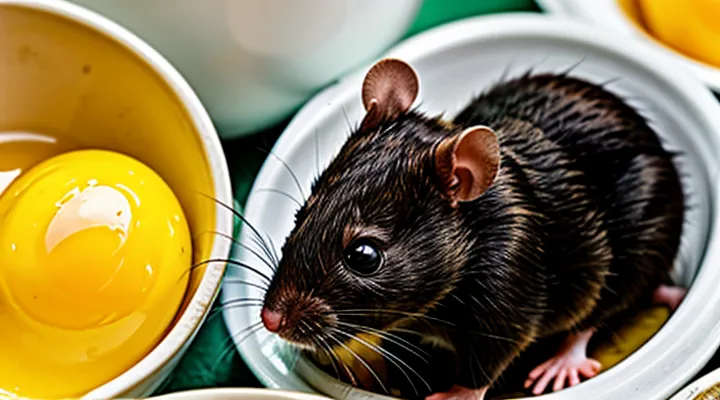
The Nutritional Profile of Boiled Egg Yolk
Key Vitamins and Minerals
Boiled egg yolk provides a concentrated source of nutrients often incorporated into rodent diets for experimental or husbandry purposes. The yolk’s composition includes several vitamins and minerals that influence physiological processes in rats.
-
Vitamin A (retinol): Supports visual function and epithelial maintenance. Excess intake can lead to hepatic accumulation and impaired growth.
-
Vitamin D3 (cholecalciferol): Regulates calcium absorption and bone mineralization. Over‑supplementation may cause hypercalcemia and renal calcification.
-
Vitamin E (α‑tocopherol): Acts as an antioxidant protecting cell membranes from oxidative damage. High levels may interfere with vitamin K–dependent clotting mechanisms.
-
Vitamin B12 (cobalamin): Essential for red blood cell formation and neural health. Deficiency results in anemia; toxicity is rare but may mask other B‑vitamin imbalances.
-
Riboflavin (vitamin B2): Involved in energy metabolism. Deficiency impairs growth; excess is excreted without adverse effects.
-
Calcium: Crucial for skeletal development and muscle contraction. Over‑consumption can disrupt phosphorus balance, leading to bone demineralization.
-
Phosphorus: Works with calcium for bone integrity. Imbalance with calcium may cause secondary hyperparathyroidism.
-
Iron: Required for hemoglobin synthesis and oxygen transport. High concentrations increase oxidative stress and may predispose to gastrointestinal irritation.
-
Zinc: Participates in enzyme activity and immune function. Deficiency compromises wound healing; excess impairs copper absorption.
-
Selenium: Contributes to antioxidant enzymes. Adequate levels protect against oxidative damage; supra‑nutritional doses are toxic, causing hepatic necrosis.
Incorporating boiled egg yolk into rat feed demands precise portion control. Typical recommendations limit yolk to no more than 5 % of total diet weight, ensuring that vitamin and mineral intake remains within established nutritional guidelines. Regular monitoring of blood parameters helps detect early signs of hyper‑ or hypo‑nutrient states, allowing dietary adjustments before clinical manifestations arise.
Protein Content
Boiled egg yolk contains approximately 2.7 g of protein per 100 g, representing about 30 % of its total weight. The protein fraction is highly digestible, with a biological value comparable to that of purified egg white.
The amino‑acid profile includes all nine essential amino acids required by laboratory rats. Leucine, lysine, and methionine appear in concentrations that meet or exceed the National Research Council’s recommendations for growing rodents.
Benefits of the protein in boiled egg yolk
- Supports rapid tissue growth and repair in juvenile rats.
- Contributes to the synthesis of enzymes and hormones involved in metabolism.
- Enhances immune response by providing substrates for antibody production.
Potential risks associated with the protein content
- Excessive intake may increase renal workload, especially in older or genetically predisposed animals.
- High protein levels without adequate carbohydrate or fat balance can lead to reduced feed efficiency.
- Overreliance on egg yolk protein may cause deficiencies in other nutrients, such as certain vitamins and minerals, if the overall diet is not formulated to compensate.
Fat Content
Boiled egg yolk supplies a high proportion of dietary fat, with approximately 5 g of fat per large yolk, representing about 70 % of its caloric content. The fat consists mainly of triglycerides, phospholipids, and cholesterol, providing a dense energy source for laboratory rats.
Potential advantages
- Rapid energy provision supports growth phases and periods of increased activity.
- Phospholipids contribute to cell membrane integrity and neural development.
- Fat‑soluble vitamins (A, D, E, K) are delivered within the lipid matrix, enhancing absorption.
Possible drawbacks
- Elevated caloric density may promote excessive weight gain if not balanced with other nutrients.
- Cholesterol levels can rise, potentially affecting lipid metabolism and cardiovascular markers.
- High fat intake may overwhelm the rat’s digestive capacity, leading to steatorrhea or reduced feed intake.
Accurate formulation of rodent diets requires measuring yolk inclusion to maintain target fat percentages, typically between 5 % and 10 % of total dietary energy, depending on experimental objectives.
Potential Benefits for Rats
Supporting Growth and Development
Boiled egg yolk supplies a concentrated source of lipids, protein, and micronutrients that can accelerate somatic growth in laboratory rats. The high proportion of readily digestible fatty acids delivers energy efficiently, while the yolk’s protein content includes essential amino acids such as lysine, methionine, and tryptophan, which are critical for muscle synthesis and tissue repair.
Key nutrients contributing to developmental processes include:
- Vitamin D – enhances calcium absorption, supporting skeletal mineralization.
- Vitamin A (retinol) – regulates cellular differentiation and visual system maturation.
- Choline – essential for membrane phospholipid formation and neurotransmitter synthesis, influencing brain development.
- Iron – required for hemoglobin formation and oxygen transport, facilitating metabolic activity.
Potential adverse effects must be considered. Excessive intake can lead to hyperlipidemia, elevating plasma cholesterol and triglyceride levels. Overconsumption of vitamin A may cause toxicity, manifesting as liver dysfunction or skeletal abnormalities. The yolk’s cholesterol content may interfere with cardiovascular health in susceptible strains, and the protein load could stress renal excretory capacity if not balanced with adequate water intake.
Optimal inclusion rates typically range from 5 % to 10 % of total diet weight, adjusted according to age, strain, and experimental objectives. Monitoring body weight, serum lipid profiles, and organ histology provides early detection of imbalances, allowing precise modulation of yolk proportion to sustain growth while minimizing health risks.
Boosting Immunity
Feeding boiled egg yolk to laboratory rats can influence immune function. The yolk supplies high‑quality protein, essential fatty acids, and fat‑soluble vitamins that support the development and activity of immune cells. Studies report increased levels of immunoglobulins and enhanced phagocytic activity after short‑term supplementation.
Key mechanisms include:
- Provision of cholesterol, a precursor for steroid hormones that modulate immune responses.
- Delivery of vitamin A, which regulates differentiation of T‑lymphocytes and mucosal immunity.
- Presence of omega‑3 fatty acids that affect inflammatory pathways.
Potential drawbacks must be considered:
- Elevated dietary cholesterol may raise serum lipid concentrations, leading to hepatic stress.
- Excessive vitamin A can cause toxicity, suppressing immune competence.
- High fat content may alter gut microbiota, potentially reducing microbial diversity and impairing barrier function.
Balancing dosage is essential. Recommended protocols suggest 0.5 g of boiled yolk per 100 g of body weight, administered three times weekly, with periodic monitoring of serum lipid profiles and vitamin A status. Adjustments based on biochemical markers help maximize immune benefits while minimizing adverse effects.
Enhancing Coat Health
Boiled egg yolk, when included in a rat’s diet, supplies high concentrations of lipids, vitamins A, D, E and K, and essential fatty acids that support epidermal integrity. These nutrients contribute directly to the production of sebum, improve hair shaft strength, and reduce the occurrence of dry patches.
Key effects on coat condition:
- Increased gloss and softness due to enhanced lipid deposition in the follicular matrix.
- Reduced breakage as protein content promotes keratin synthesis.
- Faster regeneration of damaged fur after shedding cycles.
Potential adverse outcomes must be considered. Excessive yolk intake can raise serum cholesterol, leading to hepatic stress. Over‑supplementation of vitamin A may cause toxicity, manifesting as skin irritation or altered pigmentation. Monitoring portion size—approximately 0.5 g per 100 g body weight, three times weekly—helps maintain a favorable nutrient‑to‑calorie ratio while limiting risk.
Implementation guidelines:
- Boil yolk for at least five minutes to eliminate Salmonella and other pathogens.
- Cool and finely mash the yolk to ensure uniform distribution in the standard chow.
- Record body weight and coat assessments weekly to detect any negative trends promptly.
When administered within these parameters, boiled egg yolk serves as an effective dietary adjunct for improving rat coat health, provided that dosage and frequency are carefully managed to avoid metabolic complications.
Providing a Rich Source of Energy
Boiled egg yolk contains a high concentration of lipids and proteins, delivering approximately 320 kcal per 100 g. The dense caloric content supplies rats with rapid, sustained energy, supporting growth, thermoregulation, and activity levels. The yolk’s energy is derived primarily from triglycerides, which are readily absorbed and metabolized by the hepatic system.
Key nutrients that contribute to the energy profile include:
- Triglycerides (≈ 30 g per 100 g) – primary fuel source.
- Phospholipids (≈ 5 g per 100 g) – support cell membrane integrity and assist in lipid transport.
- Cholesterol (≈ 1 g per 100 g) – precursor for steroid hormones, influencing metabolic rate.
- High‑quality proteins (≈ 16 g per 100 g) – provide amino acids for tissue repair and enzymatic activity.
When incorporated into a balanced diet, boiled egg yolk can elevate daily caloric intake without increasing feed volume, beneficial for rodents with high energy demands or limited appetite. However, the high fat content may predispose rats to obesity or hepatic lipid accumulation if portions are not regulated. Monitoring body condition and adjusting overall diet composition are essential to mitigate these risks while exploiting the yolk’s energetic advantages.
Potential Risks and Considerations
Choking Hazards and Preparation
Boiled egg yolk can be a nutrient‑dense supplement for laboratory and pet rats, but improper handling creates choking risks. Whole yolk pieces larger than a few millimeters may obstruct a rat’s airway because the animal’s oral cavity and esophagus are limited in size. Soft, unbroken yolk fragments also tend to adhere to the palate, increasing the likelihood of aspiration.
Safe preparation follows a strict sequence:
- Hard‑boil eggs for 9–12 minutes to ensure the yolk hardens completely.
- Cool the eggs rapidly in ice water; this stops cooking and facilitates peeling.
- Remove the shell and membrane, discarding any residual shell fragments.
- Cut the yolk into cubes no larger than 2 mm or mash it into a fine paste using a sterile fork.
- If mashing, add a small amount of water or low‑sodium broth to achieve a smooth consistency that slides easily down the throat.
- Store portions in airtight containers at 4 °C for up to three days; discard any yolk that shows discoloration or odor.
Feeding protocols further reduce hazards. Offer a single, measured amount (approximately 0.2 g per 100 g body weight) on a clean feeding platform. Observe each rat for signs of gagging or prolonged chewing; intervene immediately if obstruction is suspected. Rotate feeding sites to prevent buildup of residue that could attract mold.
By adhering to these preparation and delivery guidelines, the nutritional advantages of boiled egg yolk are realized while minimizing the danger of airway blockage.
High Cholesterol and Fat Intake
Feeding boiled egg yolk to rats introduces a concentrated source of dietary cholesterol and fat. Egg yolk contains approximately 250 mg of cholesterol per 100 g and 30 % of its weight as lipid, predominantly triglycerides and phospholipids. Rats metabolize these components similarly to other mammals, making the yolk a relevant model for studying lipid physiology.
Potential benefits
- Supplies essential fatty acids (linoleic and arachidonic acids) required for cell membrane synthesis.
- Provides fat‑soluble vitamins (A, D, E, K) that enhance absorption when delivered with dietary lipids.
- Increases caloric density, supporting growth in young or undernourished specimens.
Potential risks
- Elevates plasma cholesterol levels, potentially inducing hypercholesterolemia within weeks of regular consumption.
- Promotes hepatic lipid accumulation, which can progress to steatosis if intake exceeds metabolic capacity.
- May accelerate atherosclerotic plaque formation in genetically susceptible strains, compromising cardiovascular studies.
- Excessive saturated fat can impair insulin sensitivity, confounding experiments on glucose regulation.
Balancing yolk inclusion requires precise quantification: typical protocols limit supplementation to 5–10 % of total diet weight, ensuring nutrient benefits without overwhelming the rat’s lipid handling mechanisms. Monitoring serum lipid profiles and liver histology is essential to detect adverse effects early.
Allergic Reactions and Sensitivities
Egg yolk, when offered boiled, introduces a concentrated source of protein and lipids that can trigger immunologic responses in rats. Sensitivity varies among individuals; some exhibit immediate hypersensitivity, while others develop delayed reactions.
Typical manifestations include:
- Facial swelling, particularly around the eyes and muzzle
- Itching or rubbing of the ears and neck
- Respiratory distress such as rapid breathing or wheezing
- Gastrointestinal upset, evidenced by loose stools or vomiting
- Skin redness or hives appearing within minutes to several hours after ingestion
Diagnosing an allergic event requires observation of these signs in conjunction with a controlled feeding trial. If symptoms emerge, discontinue egg yolk immediately and monitor the animal for progression. Supportive care may involve antihistamines (e.g., diphenhydramine) administered at a dose of 1 mg/kg subcutaneously, and, in severe cases, corticosteroids under veterinary supervision.
Preventive measures focus on gradual introduction and dose titration. Begin with a minimal portion (approximately 0.2 g per 200 g body weight) and increase only after a 48‑hour observation period without adverse effects. Maintain detailed records of each rat’s response to adjust future feeding protocols accordingly.
Overfeeding and Weight Gain
Boiled egg yolk is a highly energy‑dense component; when it comprises more than a modest proportion of a rat’s diet, caloric intake rises sharply. Overfeeding results in measurable increases in body mass within weeks, often exceeding the growth curve established for standard laboratory chow.
- Accelerated adipose deposition
- Elevated plasma triglycerides and cholesterol
- Impaired glucose tolerance
- Reduced reproductive efficiency
These physiological changes reflect the metabolic burden of excess lipids and proteins supplied by the yolk. Persistent weight gain predisposes rats to obesity‑related disorders, shortens median lifespan, and interferes with experimental outcomes that rely on stable body composition.
Control measures include limiting boiled egg yolk to no more than 5 % of total feed weight, conducting weekly body‑condition assessments, and adjusting portion sizes based on individual growth trajectories. Consistent monitoring prevents unintended weight gain while preserving the nutritional benefits of yolk inclusion.
Safe Feeding Practices
Recommended Portions and Frequency
Boiled egg yolk can serve as a concentrated source of protein, lipids, and fat‑soluble vitamins for laboratory rats. Precise dosing prevents nutritional imbalances and limits the risk of gastrointestinal upset.
- Portion size: 0.2 g of cooked yolk per 100 g of body weight (approximately the size of a pea for a 250‑g rat).
- Maximum daily amount: 0.5 g per animal, regardless of weight, to avoid excess cholesterol and caloric overload.
- Minimum effective amount: 0.1 g per animal, sufficient to deliver measurable increases in serum vitamin A and D levels.
Frequency guidelines
- Standard schedule: Offer the measured portion once every 24 hours.
- Adjustment for growth studies: Increase to every 48 hours when monitoring weight gain, provided total weekly intake does not exceed 3 g per rat.
- Therapeutic use: Administer every 12 hours for a maximum of three consecutive days when addressing acute vitamin deficiencies; discontinue and reassess after the course.
All portions should be mixed with a small amount of standard chow to ensure complete consumption. Record each administration in the animal’s health log to track intake and detect any adverse response promptly.
Proper Preparation Methods
Proper preparation of egg yolk intended for rodent consumption requires strict control of temperature, time, and handling to preserve nutritional value while eliminating pathogen risk.
- Select fresh, clean eggs; discard any with cracked shells or visible defects.
- Separate yolk from white using a sanitized utensil; avoid contact with shell fragments.
- Place yolk in a heat‑proof container, add a minimal amount of water (no more than 5 % of yolk weight) to maintain moisture.
- Heat the mixture to a rolling boil (100 °C) and maintain for exactly 3 minutes; this duration destroys Salmonella and other common bacteria without denaturing essential lipids.
- Immediately remove from heat, cool rapidly in an ice bath to halt further cooking; prolonged heat exposure degrades vitamin A and D.
- Pat dry with sterile paper towels; avoid excessive handling that could introduce contaminants.
After cooling, portion yolk into single‑serving amounts (approximately 0.5 g per 100 g body weight of the rat) and store in sealed, labeled containers at 4 °C. Use within 48 hours; longer storage increases oxidation of fats and loss of nutrients.
Quality checks include visual inspection for discoloration, odor assessment for rancidity, and, when feasible, microbiological testing for total aerobic count below 10³ CFU/g. Consistent adherence to these procedures ensures that the egg yolk delivers intended benefits while minimizing health hazards for laboratory or pet rats.
Monitoring Your Rat's Reaction
When introducing boiled egg yolk into a rat’s diet, systematic observation is essential to differentiate beneficial effects from adverse reactions. Begin with a baseline health assessment: record weight, coat condition, activity level, and stool characteristics before the first serving.
After each serving, monitor the following indicators for at least 48 hours:
- Digestive response – loose, watery, or unusually hard feces suggest intolerance.
- Appetite changes – sudden increase or loss of interest in regular feed may signal metabolic disruption.
- Weight fluctuation – rapid gain or loss beyond normal growth curves warrants adjustment.
- Behavioral shifts – lethargy, hyperactivity, or aggression can reflect discomfort or toxicity.
- Physical signs – swelling, skin lesions, or respiratory distress require immediate veterinary evaluation.
Document observations in a simple log, noting date, amount of yolk provided, and any deviations from baseline. Consistent entries enable trend analysis and facilitate communication with a veterinarian should abnormalities persist.
If adverse signs appear, discontinue the egg yolk and revert to the standard diet for a minimum of three days. Re‑introduce the yolk gradually, starting with a quarter of the original portion, and repeat the monitoring protocol. This incremental approach isolates the cause of the reaction while minimizing risk.
Alternative Healthy Treats
Vegetables and Fruits
Boiled egg yolk is a concentrated source of protein, lipids, and vitamins that can enhance the nutritional profile of laboratory rat diets. When combined with vegetables and fruits, the overall feed becomes more balanced, providing fiber, additional micronutrients, and phytochemicals that support gastrointestinal health and immune function.
Vegetables such as carrots, spinach, and broccoli contribute dietary fiber, vitamin C, and antioxidants. Fiber improves stool consistency and promotes a healthy gut microbiome, which can mitigate the risk of lipid accumulation associated with high‑fat yolk supplementation. Antioxidants from these vegetables help counteract oxidative stress that may arise from increased metabolic activity.
Fruits including apples, blueberries, and pears supply soluble fiber, natural sugars, and flavonoids. Soluble fiber moderates glucose absorption, reducing the likelihood of hyperglycemia when yolk delivers extra calories. Flavonoids exhibit anti‑inflammatory properties, potentially offsetting inflammatory responses linked to excessive dietary cholesterol.
Key considerations for integrating vegetables and fruits with boiled egg yolk:
- Limit water‑rich produce to avoid diluting dietary energy density.
- Introduce new plant items gradually to prevent abrupt changes in gut flora.
- Monitor for individual sensitivities; some rats may reject bitter greens or develop mild gastrointestinal upset.
- Adjust yolk proportion if fiber intake exceeds 5 % of total diet, as excess fiber can impair nutrient absorption.
Overall, the strategic inclusion of selected vegetables and fruits can enhance the benefits of egg‑yolk supplementation while reducing associated risks, leading to a more comprehensive and stable nutritional regimen for research rats.
Commercial Rat Foods
Commercial rat diets are formulated to provide consistent nutrient ratios, energy density, and palatability. Standard mixes contain protein sources such as soy, fish meal, or casein, carbohydrate components like corn or wheat, and added vitamins and minerals. Manufacturers test batches for nutrient content, ensuring that each kilogram delivers the labeled percentages of crude protein, fat, fiber, and essential micronutrients.
Incorporating boiled egg yolk into these products can alter the nutritional profile. Egg yolk supplies high‑quality lipids, cholesterol, and fat‑soluble vitamins (A, D, E, K). When added at 5–10 % of the total diet weight, the following effects are observed:
- Increased caloric density, supporting growth in juvenile rodents.
- Enhanced serum cholesterol levels, which may influence lipid metabolism studies.
- Elevated vitamin D availability, aiding calcium absorption and bone health.
- Potential for improved coat condition due to omega‑6 fatty acids.
Risks associated with egg yolk supplementation include:
- Excess cholesterol leading to hyperlipidemia in susceptible strains.
- Possible microbial contamination if yolk is not properly boiled and cooled.
- Imbalance of fatty acid ratios if yolk replaces essential polyunsaturated sources.
Commercial producers address these concerns by:
- Heat‑treating egg yolk to eliminate pathogens before incorporation.
- Limiting inclusion rates to maintain target macronutrient ratios.
- Conducting stability testing to verify vitamin retention over shelf life.
Overall, commercial rat feeds remain the baseline for laboratory and pet nutrition, while controlled addition of boiled egg yolk can provide specific benefits when dosage and safety protocols are strictly observed.
Other Protein Sources
Rats require high‑quality protein to support growth, reproduction, and immune function. When evaluating alternatives to boiled egg yolk, consider the following sources:
- Soybean meal – Complete amino‑acid profile, low cost, but contains phytoestrogens that may affect endocrine balance at high inclusion rates.
- Whey protein concentrate – Rapidly digestible, rich in branched‑chain amino acids; susceptible to lactose intolerance in some strains.
- Fish meal – High in essential omega‑3 fatty acids and methionine; risk of heavy‑metal accumulation and rapid oxidation if not stored properly.
- Insect protein (e.g., black soldier fly larvae) – Sustainable, high protein efficiency ratio; variable chitin content can reduce digestibility unless processed.
- Meat‑and‑bone meal – Provides collagen and minerals; potential for pathogen transmission if not rendered under strict controls.
- Casein – Slow‑digesting milk protein, excellent calcium source; may provoke allergic responses in sensitive individuals.
- Pea protein isolate – Low allergenicity, moderate lysine content; requires supplementation with methionine for a balanced profile.
Each alternative presents a distinct balance of nutrient density, cost, and safety considerations. Selecting an appropriate protein source involves matching the rat’s physiological stage, monitoring for adverse reactions, and ensuring that the overall diet meets established amino‑acid requirements. Regular analysis of feed composition and health markers helps maintain optimal outcomes while minimizing the risks associated with any single protein ingredient.