
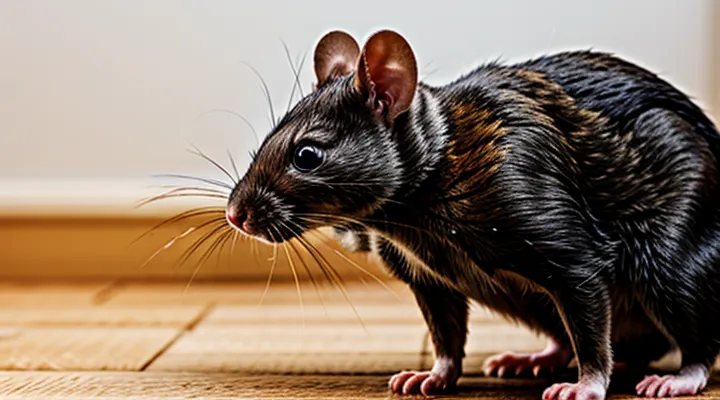
Understanding Pet Rat Allergies
What Causes Pet Rat Allergies?
Proteins in Rat Dander, Urine, and Saliva
Rat allergens originate primarily from three secretions: dander, urine, and saliva. Each secretion contains distinct protein families that trigger immunoglobulin E‑mediated responses in sensitized individuals.
Key allergenic proteins include:
- «Rat MUP 1» – major urinary protein, abundant in urine, highly conserved across rodent species.
- «Rat Lipocalin 2» – lipocalin family member found in saliva and dander, capable of binding small hydrophobic molecules.
- «Rat Keratins» – structural proteins shed with skin flakes, present in dander.
- «Rat Serum Albumin» – soluble protein detected in saliva and urine, contributes to cross‑reactivity with other mammalian allergens.
During normal grooming, rats disperse saliva‑coated dander and urine droplets into the environment. Air currents lift microscopic particles, allowing inhalation or dermal contact. The small size of these particles facilitates deep airway penetration, where they interact with mast cells and basophils, releasing histamine and other mediators.
Identification of specific proteins guides diagnostic testing. Skin‑prick or serum IgE assays that include the listed allergens improve sensitivity and reduce false‑negative results. Management strategies focus on reducing exposure to the identified protein sources: frequent cage cleaning, HEPA filtration, and limiting direct handling. In cases of persistent sensitization, allergen‑specific immunotherapy targeting the major urinary protein and lipocalin components has demonstrated efficacy in decreasing symptom severity.
Genetic Predisposition
Allergic reactions to pet rats frequently exhibit a hereditary component. Individuals with a family history of rodent or other animal allergies display a markedly higher incidence of sensitisation. Specific genetic markers, such as polymorphisms in the IL4 and FCER1A genes, correlate with elevated IgE production and heightened mast‑cell activity. These variations influence the immune system’s propensity to recognise rat proteins as harmful, thereby lowering the threshold for symptom onset.
Key genetic factors include:
- HLA‑DR alleles associated with increased antigen presentation efficiency. - Variations in the STAT6 gene that amplify Th2‑cell differentiation. - Mutations in the CD23 gene affecting IgE regulation.
When a genetic predisposition is identified, clinicians can tailor diagnostic protocols. Skin‑prick testing with rat dander extracts yields more reliable results in genetically susceptible patients. Serum‑specific IgE assays confirm sensitisation and guide the selection of immunotherapy candidates.
Therapeutic strategies consider the genetic background:
- Allergen‑specific immunotherapy (ASIT) demonstrates higher success rates in individuals carrying favorable HLA‑DR variants. - Pharmacologic interventions, such as antihistamines and leukotriene antagonists, may require dosage adjustments for patients with heightened IgE responses due to genetic amplification. - Genetic counselling advises families with multiple affected members on risk reduction, including environmental controls and early exposure management.
Understanding the hereditary basis of rat‑related allergies enables precise risk assessment, optimises treatment efficacy, and informs preventive measures for at‑risk populations.
Who is at Risk?
Individuals with Other Allergies
Individuals who already experience allergic conditions such as pollen, dust‑mite, or food hypersensitivity should be evaluated carefully before acquiring a pet rat. Existing sensitisation indicates a hyper‑responsive immune system, which may amplify reactions to rodent allergens.
Key points for assessment:
- Conduct a comprehensive allergy history, noting previous triggers, severity, and treatment regimens.
- Perform specific IgE testing for rodent proteins to determine baseline sensitisation.
- Review current medications, especially antihistamines or corticosteroids, for potential interactions with future treatment plans.
When a rat allergy develops in a person with other sensitivities, symptom presentation often mirrors that of other inhalant allergies: nasal congestion, watery eyes, sneezing, and skin eruptions. Respiratory involvement may progress to wheezing or bronchospasm, particularly in asthmatic individuals. Cross‑reactivity between rodent and other mammalian allergens can exacerbate these manifestations.
Management strategies must integrate existing allergy control measures:
- Continue prescribed inhaled or oral therapies, adjusting dosages if respiratory symptoms intensify.
- Implement environmental controls: regular cage cleaning, use of HEPA filters, and limiting direct contact with fur and urine.
- Consider immunotherapy targeting rodent allergens, provided the patient’s overall allergic profile supports this approach.
Patients with multiple allergies should maintain regular follow‑up with an allergist to monitor evolving sensitivities and modify treatment protocols accordingly. Early identification of heightened risk enables proactive steps, reducing the likelihood of severe reactions while preserving the benefits of pet companionship.
Asthmatic Individuals
Asthmatic patients exposed to pet rats frequently experience heightened respiratory sensitivity. The allergenic proteins present in rat dander, urine, and saliva can trigger bronchoconstriction, increasing the likelihood of asthma exacerbations.
Common manifestations include:
- Sudden onset of wheezing and shortness of breath
- Persistent cough, often dry
- Chest tightness or pressure
- Increased use of rescue inhalers shortly after contact with the animal
Effective management strategies involve:
- Eliminating direct exposure to the rodent and its bedding
- Implementing high-efficiency particulate air (HEPA) filtration in living areas
- Prescribing inhaled corticosteroids to reduce airway inflammation
- Adding leukotriene receptor antagonists for patients with persistent symptoms
- Considering allergen immunotherapy under specialist supervision when avoidance is impractical
Prompt identification of these signs and adherence to the outlined interventions can mitigate severe asthma attacks and improve overall respiratory control for individuals with this specific animal allergy.
Recognizing the Symptoms
Common Allergic Reactions
Respiratory Symptoms
Allergic reactions to pet rats frequently involve the respiratory tract. Typical manifestations include sneezing, nasal congestion, rhinorrhea, itching of the nasal mucosa, and post‑nasal drip. Lower‑airway involvement may present as a dry or productive cough, wheezing, chest tightness, and episodic shortness of breath. In susceptible individuals, exposure can trigger an acute asthma exacerbation, characterized by increased airway resistance and reduced peak expiratory flow. Symptoms often appear within minutes of contact with rat dander, urine, or saliva and may persist for several hours after removal from the environment.
Effective management focuses on symptom control and allergen avoidance. Pharmacologic options comprise oral antihistamines, intranasal corticosteroids, and short‑acting bronchodilators for bronchospasm. In cases of persistent asthma, inhaled corticosteroids and long‑acting β2‑agonists are indicated. Immunotherapy, administered as subcutaneous or sublingual extracts derived from rat allergens, offers a disease‑modifying approach for patients with confirmed sensitization. Environmental measures include regular cage cleaning, use of high‑efficiency particulate air (HEPA) filters, and limiting direct contact with the animal.
Sneezing and Runny Nose
Sneezing and clear nasal discharge frequently indicate an immune response to proteins found in rat saliva, urine, and dander. Exposure to these allergens triggers mast‑cell degranulation, releasing histamine and other mediators that irritate the nasal mucosa, leading to repetitive sneezing bouts and increased mucus production.
Diagnostic evaluation includes:
- Patient history documenting contact with pet rats and onset of symptoms.
- Physical examination revealing inflamed nasal passages and posterior pharyngeal erythema.
- Skin‑prick testing or serum-specific IgE assays targeting rodent allergens.
- Nasal cytology to identify eosinophils indicative of allergic inflammation.
Therapeutic measures focus on symptom control and allergen avoidance:
- Eliminate direct exposure: restrict rat access to sleeping areas, use high‑efficiency particulate air filters, and maintain rigorous cage hygiene.
- Pharmacologic intervention: intranasal corticosteroids to reduce mucosal edema, oral antihistamines for sneezing suppression, and leukotriene receptor antagonists for adjunctive relief.
- Immunotherapy: allergen‑specific desensitization may provide long‑term reduction in nasal hyperreactivity when conventional measures prove insufficient.
Monitoring response involves periodic assessment of sneezing frequency and nasal secretion volume, adjusting medication dosage or environmental controls as needed. Effective management reduces discomfort and prevents progression to more severe respiratory complications.
Coughing and Wheezing
Coughing and wheezing frequently appear as respiratory signs when individuals react to proteins shed by pet rats. The allergic response involves IgE antibodies that trigger mast‑cell degranulation, leading to airway inflammation, increased mucus production, and bronchial smooth‑muscle contraction.
Clinical assessment relies on a detailed exposure history, followed by objective testing. Skin‑prick testing or serum‑specific IgE measurement confirms sensitisation to rodent allergens. Spirometry or peak‑flow monitoring quantifies airway obstruction and reversibility after bronchodilator administration.
Therapeutic measures focus on eliminating exposure and controlling airway inflammation. Recommended interventions include:
- Strict avoidance of direct contact with rats and thorough cleaning of environments to reduce allergen load.
- Oral antihistamines to mitigate histamine‑mediated symptoms.
- Inhaled short‑acting β₂‑agonists for rapid relief of bronchoconstriction.
- Inhaled corticosteroids to suppress chronic airway inflammation.
- Allergen‑specific immunotherapy for patients with persistent symptoms despite avoidance and pharmacotherapy.
Effective management reduces cough frequency and diminishes wheeze intensity, improving overall respiratory function and quality of life. Continuous monitoring ensures early detection of symptom recurrence and guides adjustments in therapy.
Shortness of Breath
Shortness of breath frequently appears in individuals sensitized to domestic rats. The symptom results from airway inflammation triggered by rodent allergens, which can provoke bronchoconstriction, mucus hypersecretion, and edema of the respiratory mucosa.
Pathophysiological mechanisms involve IgE‑mediated mast cell activation, releasing histamine, leukotrienes, and prostaglandins. These mediators increase airway resistance and reduce oxygen exchange, producing the sensation of breathlessness during exposure or after delayed hypersensitivity reactions.
Diagnostic evaluation should include:
- Detailed exposure history confirming contact with pet rats.
- Pulmonary function testing to identify obstructive patterns.
- Serum-specific IgE assays targeting rat urine protein (Rat n1) and dander extracts.
- Skin‑prick testing for immediate hypersensitivity confirmation.
Therapeutic measures focus on symptom control and allergen avoidance:
- Eliminate or limit exposure to the animal; implement strict hygiene, including regular cage cleaning and use of high‑efficiency air filtration.
- Pharmacologic intervention: • Short‑acting β₂‑agonists for acute relief. • Inhaled corticosteroids to reduce chronic inflammation. • Leukotriene receptor antagonists as adjunctive therapy.
- Immunotherapy may be considered for patients with persistent symptoms despite avoidance, employing standardized rat allergen extracts under specialist supervision.
Prompt recognition of breathlessness and appropriate management can prevent progression to severe asthma exacerbations and improve quality of life for affected individuals.
Skin Reactions
Skin reactions constitute the most visible manifestation of a rat‑related allergy. Typical presentations include erythematous macules, urticarial wheals, and papular rashes that develop shortly after direct contact with the animal or exposure to its dander. Itching, swelling of the affected area, and occasional blister formation may accompany these lesions.
The underlying mechanism is primarily IgE‑mediated hypersensitivity. Allergenic proteins shed from the rat’s saliva, urine, and fur bind to immunoglobulin E on mast cells, prompting histamine and other mediators to be released. The resulting vascular permeability and nerve irritation produce the characteristic cutaneous symptoms.
Diagnostic confirmation relies on objective testing. Options include:
- Skin prick test with standardized rat allergen extracts;
- Serum-specific IgE measurement;
- Patch testing for delayed‑type reactions when contact dermatitis is suspected.
Effective management combines pharmacologic and environmental strategies. First‑line pharmacotherapy involves oral antihistamines to alleviate pruritus and reduce wheal formation. Topical corticosteroids applied to inflamed skin accelerate resolution of erythema and edema. In persistent cases, short courses of systemic corticosteroids may be prescribed under medical supervision.
Avoidance remains essential. Measures encompass regular grooming of the pet, frequent washing of bedding, and use of high‑efficiency particulate air (HEPA) filters to diminish airborne dander. For individuals with severe sensitivity, immunotherapy with gradually increasing doses of rat allergen can induce long‑term tolerance.
Monitoring skin condition after each exposure helps adjust treatment intensity and prevents progression to secondary infection. Prompt intervention at the onset of a rash minimizes discomfort and reduces the risk of chronic dermatitis.
Hives and Rashes
Allergic responses to pet rodents often manifest on the skin as hives or rashes. These lesions appear shortly after contact with the animal’s dander, saliva, or urine, and may spread to distant body areas.
Typical characteristics of hives include:
- Raised, red or skin‑colored wheals
- Itching that intensifies with heat or friction
- Transient nature, with individual wheals disappearing within 24 hours while new ones emerge
Rash presentations differ from hives and may feature:
- Flat, erythematous patches
- Scaling or crust formation
- Persistent irritation lasting several days
Both conditions result from the release of histamine and other mediators by mast cells. Immediate relief is achieved with oral antihistamines such as cetirizine or loratadine. For severe cases, short courses of systemic corticosteroids may be prescribed. Topical corticosteroid creams (e.g., hydrocortisone 1 %) reduce localized inflammation and pruritus.
Long‑term management requires avoidance strategies: regular cleaning of cages, use of HEPA filters, and limiting direct skin contact. If symptoms persist despite environmental control, referral to an allergist for skin‑prick testing or specific IgE measurement is advisable.
Itching and Redness
Allergic reactions to pet rats frequently involve cutaneous symptoms, with itching and redness representing the most immediate indicators. The pruritic response results from IgE‑mediated activation of mast cells, which release histamine and other inflammatory mediators upon contact with rat allergens. This process produces a rapid onset of erythema, often confined to areas directly exposed to the animal’s fur, saliva, or urine.
Patients typically report a burning sensation accompanying the itch, followed by well‑demarcated patches of redness that may evolve into papular or vesicular lesions if scratching persists. The intensity of symptoms correlates with the duration and frequency of exposure, and exacerbations are common after cleaning cages or handling bedding.
Diagnostic evaluation relies on a detailed exposure history combined with objective testing. Skin prick testing using standardized rat allergen extracts, as well as serum-specific IgE assays, confirm sensitization. In ambiguous cases, patch testing can differentiate irritant dermatitis from true allergic inflammation.
Management focuses on symptom control and allergen avoidance. Recommended interventions include:
- Oral antihistamines (second‑generation agents preferred for reduced sedation) to diminish pruritus.
- Topical corticosteroids applied to affected skin to reduce erythema and inflammation.
- Emollient creams to restore barrier function and limit secondary irritation.
- Environmental measures such as frequent cage cleaning, use of HEPA filters, and limiting direct contact with the animal.
Long‑term prevention depends on minimizing allergen load. Strategies encompass regular grooming of the pet, isolating the animal from sleeping areas, and employing protective clothing (gloves, long sleeves) during handling. In severe, refractory cases, referral for immunotherapy may be considered to induce tolerance.
Eye Symptoms
Eye irritation caused by a pet rat allergy typically presents with redness, itching, and swelling of the eyelids. Tear production often increases, leading to watery discharge that may appear clear or slightly mucoid. Conjunctival hyperemia, visible as a bright pink hue across the white of the eye, indicates inflammation of the mucous membrane. In severe cases, small blisters or hives can develop on the periorbital skin, accompanied by a burning sensation.
Typical ocular manifestations include:
- Redness of the conjunctiva
- Persistent itching
- Swelling of lids and surrounding tissue
- Excessive tearing
- Light sensitivity (photophobia)
Management focuses on eliminating exposure to rat dander and controlling inflammation. Antihistamine eye drops reduce itching and redness, while mast‑cell stabilizers prevent further release of allergic mediators. For pronounced swelling, short courses of topical corticosteroids may be prescribed under medical supervision. Oral antihistamines provide systemic relief and can alleviate associated nasal or skin symptoms. Regular cleaning of the living area and use of HEPA filters decrease airborne allergens, supporting long‑term symptom control.
Itchy, Watery Eyes
Itchy, watery eyes represent a classic manifestation of allergic conjunctivitis triggered by exposure to rat allergens. The condition arises from an IgE‑mediated response in which histamine and other mediators induce pruritus and excessive lacrimation.
Typical signs include ocular redness, persistent itching, clear discharge, and heightened sensitivity to light. Diagnosis relies on a detailed exposure history, positive skin‑prick or serum‑specific IgE tests for rodent proteins, and exclusion of infectious causes.
Effective management combines pharmacologic therapy and environmental control:
- Antihistamine eye drops (e.g., olopatadine, ketotifen) to relieve itching and reduce tearing.
- Mast‑cell stabilizers (e.g., cromolyn sodium) for prophylactic use.
- Oral antihistamines (e.g., cetirizine, loratadine) for systemic relief.
- Allergen avoidance: restrict direct contact, employ HEPA filtration, and clean cages regularly.
- Allergen‑specific immunotherapy for patients with persistent, severe symptoms.
Long‑term control emphasizes rigorous hygiene, protective eyewear during handling, and periodic reassessment of symptom severity. Proper implementation of these measures minimizes ocular discomfort and prevents progression to chronic ocular inflammation.
Swelling Around the Eyes
Swelling around the eyes commonly signals an allergic response to pet rats. The edema typically appears as soft, painless puffiness that may extend to the eyelids and periorbital region. It often develops within minutes to hours after exposure to rat dander, urine, or saliva.
The condition presents with additional signs such as itching, redness, and watery discharge. In severe cases, the swelling can impair vision by exerting pressure on the ocular surface. Dermatological examination reveals localized edema without signs of infection.
Diagnostic evaluation includes a detailed exposure history, skin-prick testing with rat allergen extracts, and measurement of specific IgE antibodies. Ophthalmologic assessment rules out concurrent ocular pathology.
Treatment recommendations:
- Antihistamine tablets or oral H1‑receptor antagonists to reduce histamine‑mediated edema.
- Topical corticosteroid eye drops for rapid reduction of inflammation when ocular involvement is significant.
- Short‑course oral corticosteroids for extensive periorbital swelling unresponsive to antihistamines.
- Cold compresses applied intermittently to alleviate discomfort and limit fluid accumulation.
Preventive measures focus on minimizing allergen exposure: regular cage cleaning, use of high‑efficiency particulate air (HEPA) filters, and limiting direct contact with rats. In persistent cases, immunotherapy with rat‑specific extracts can modify the immune response and decrease the frequency of periorbital swelling.
Severe Allergic Reactions
Anaphylaxis: A Rare but Serious Risk
Anaphylaxis represents the most severe systemic response that can occur in individuals sensitized to proteins found in pet rodents. The condition develops rapidly, typically within minutes of exposure, and threatens airway patency, circulatory stability, and consciousness.
Key clinical manifestations include:
- Sudden difficulty breathing or wheezing
- Rapid swelling of the lips, tongue, or throat
- Marked drop in blood pressure accompanied by dizziness or fainting
- Hives that spread quickly across the body
- Gastrointestinal upset such as vomiting or diarrhea
Immediate administration of intramuscular epinephrine is the cornerstone of emergency management. Dosage should follow established pediatric or adult guidelines, with repeat dosing if symptoms persist. Adjunctive measures comprise supplemental oxygen, intravenous fluids to counteract hypotension, and antihistamines or corticosteroids to mitigate ongoing inflammation. Continuous monitoring in a medical facility is mandatory until vital signs stabilize.
Patients with a known rodent allergy should carry an epinephrine auto‑injector at all times and be educated on its proper use. Regular review of the emergency action plan with healthcare providers ensures readiness and reduces the risk of fatal outcomes.
When to Seek Emergency Medical Attention
Allergic reactions triggered by pet rats can progress rapidly to life‑threatening conditions. Immediate medical evaluation becomes essential when any of the following manifestations appear:
- Sudden difficulty breathing, wheezing, or throat tightness
- Rapid or irregular heartbeat, faintness, or loss of consciousness
- Marked swelling of the face, lips, tongue, or airway
- Severe hives covering large body areas, especially if accompanied by itching or burning
- Drop in blood pressure evident as pale skin, cold extremities, or dizziness
These signs indicate possible anaphylaxis, a medical emergency that requires prompt administration of epinephrine and transport to an emergency department. Delay increases the risk of airway obstruction, circulatory collapse, and organ damage.
If any of the listed symptoms develop, call emergency services without hesitation. While awaiting responders, administer a prescribed auto‑injector if available, keep the patient lying flat with legs elevated, and monitor vital signs. Do not attempt self‑treatment beyond the prescribed emergency medication. Immediate professional care is the only reliable safeguard against severe outcomes.
Diagnosis of Pet Rat Allergy
Medical History and Symptom Assessment
Medical history for patients suspecting an allergic response to domesticated rats should begin with a detailed record of prior atopic conditions. Document any previous diagnoses of asthma, allergic rhinitis, eczema, or food‑related hypersensitivity, noting ages of onset and treatment outcomes. Include family history of allergy, specifying relatives with documented reactions to rodents or similar allergens. Record occupational or hobby exposure to rats, duration of contact, and frequency of handling, as chronic low‑level exposure can modify sensitisation patterns.
Symptom assessment requires precise identification of reaction timing, morphology, and severity. Ask the patient to describe the interval between rat contact and symptom appearance, distinguishing immediate (within minutes) from delayed (hours to days) responses. Catalogue cutaneous manifestations such as erythema, urticaria, or angio‑edema; respiratory signs including sneezing, nasal congestion, wheeze, or dyspnoea; and systemic features like gastrointestinal upset or anaphylaxis. Use standardized severity scales to quantify impact on daily activities and to guide emergency preparedness.
Key elements for a comprehensive evaluation:
- Chronology of exposure and symptom onset
- Specific organ systems involved
- Presence of co‑factors (exercise, alcohol, medications) that may amplify reactions
- Prior diagnostic testing results (skin prick, specific IgE)
- Current pharmacologic interventions and response patterns
Accurate documentation of these factors enables clinicians to differentiate true rat‑related allergy from irritant or non‑allergic mechanisms, informs selection of appropriate diagnostic testing, and supports the development of an effective management plan.
Allergy Testing Methods
Skin Prick Tests
Skin prick testing provides a rapid, minimally invasive method to confirm sensitization to rodent allergens when a patient exhibits reactions after contact with pet rats. The test introduces a small amount of standardized rat‑derived protein extract onto the skin, typically on the forearm, and creates a superficial puncture with a lancet. After 15 minutes, the formation of a wheal and surrounding erythema is measured; a wheal diameter of 3 mm or greater, compared with a negative control, indicates a positive IgE‑mediated response.
Interpretation relies on comparison with histamine (positive control) and saline (negative control). A larger wheal than the negative control, coupled with a proportional flare, confirms specific sensitization. Results guide clinicians in distinguishing true rat allergy from non‑IgE‑mediated irritation, thereby preventing unnecessary avoidance measures.
Advantages and limitations are summarized below:
-
Advantages
- Immediate results facilitate prompt clinical decision‑making.
- Low cost and easy integration into routine allergy clinics.
- High sensitivity for detecting IgE antibodies to rodent allergens.
-
Limitations
Positive skin prick test findings influence therapeutic strategies. Allergen avoidance recommendations become specific, targeting environments where rat dander accumulates. Immunotherapy protocols may incorporate rat‑specific extracts to induce tolerance, while pharmacologic management—antihistamines, leukotriene antagonists, or corticosteroids—can be tailored based on the severity of the wheal response. «The skin prick test remains the cornerstone for diagnosing IgE‑mediated rat allergy», reinforcing its role in both diagnosis and individualized treatment planning.
Blood Tests (IgE Antibodies)
Blood testing for specific immunoglobulin E (IgE) antibodies provides objective evidence of sensitisation to rodent allergens. The assay quantifies serum antibodies that bind proteins found in rat dander, urine and saliva, confirming an immune response that underlies clinical reactions.
The laboratory method typically employs enzyme‑linked immunosorbent assay (ELISA) or fluorescent immunoassay platforms. Patient serum is exposed to purified rat allergen extracts; bound IgE is detected with a labeled anti‑IgE antibody. Results are expressed in kilo‑units per litre (kU/L) and compared with established reference ranges.
Interpretation follows a tiered framework:
- Levels < 0.35 kU/L – no detectable sensitisation.
- Levels 0.35 – 0.70 kU/L – low‑grade sensitisation; symptoms may be mild or absent.
- Levels 0.70 – 3.5 kU/L – moderate sensitisation; correlation with intermittent nasal or ocular irritation.
- Levels > 3.5 kU/L – high sensitisation; strong association with respiratory distress, wheezing or anaphylaxis.
Elevated IgE titres guide therapeutic decisions. Allergen avoidance strategies, such as restricting indoor access for rats or employing high‑efficiency particulate air (HEPA) filtration, become priority measures. In cases of moderate to high titres, clinicians may consider allergen‑specific immunotherapy, adjusting dosing schedules according to quantified IgE levels.
Monitoring IgE concentrations during treatment offers a measurable endpoint. Declining titres indicate reduced immunological reactivity, supporting continued exposure mitigation or immunotherapy tapering.
Elimination and Reintroduction
Elimination of rat allergen exposure focuses on removing the source of immunologic triggers. Strategies include relocating the animal to a separate, well‑ventilated area, employing high‑efficiency particulate air (HEPA) filtration, washing bedding and cages at temperatures above 60 °C, and restricting access to upholstered furniture. Regular cleaning with a vacuum equipped with a HEPA filter reduces residual dander, while the use of disposable gloves during handling prevents direct skin contact. For individuals with severe reactions, complete removal of the pet may be necessary.
Reintroduction, also known as graded exposure or desensitization, aims to rebuild tolerance after a period of avoidance. The process typically begins under medical supervision, employing the following protocol:
- Conduct baseline assessment of specific IgE levels and symptom severity.
- Initiate exposure with a minimal dose of allergen, such as a short, supervised interaction lasting 5‑10 minutes in a controlled environment.
- Increase exposure duration by 5‑10 minutes every 2‑3 days, monitoring respiratory and dermatologic responses after each session.
- Maintain a symptom diary to track any exacerbations; adjust the schedule if adverse reactions occur.
- Continue incremental exposure until typical daily interaction levels are achieved without significant symptoms.
Successful reintroduction requires consistent antihistamine or leukotriene antagonist therapy during the early phases, complemented by immunotherapy when indicated. Regular follow‑up appointments allow clinicians to modify the plan based on objective measurements and patient tolerance.
Management and Treatment Options
Reducing Allergen Exposure
Environmental Control Measures
Environmental control is essential for reducing exposure to rat allergens. Regular cleaning removes dander, urine, and saliva residues that trigger reactions. Vacuuming with a HEPA‑filter device eliminates microscopic particles from carpets and upholstery. Damp‑mopping hard floors prevents allergen redistribution.
Bedding and nesting material should be replaced weekly and washed at temperatures above 60 °C. Disposable liners reduce accumulation of allergenic debris. Food dishes must be cleaned after each feeding to avoid spillage that attracts dust.
Ventilation lowers airborne allergen concentration. Installing an exhaust fan in the room where rats are housed enhances air exchange. Air purifiers equipped with HEPA filters further decrease inhalable particles.
Physical barriers limit allergen spread. Enclose cages with tight‑fitting lids and place them on non‑porous surfaces. Restrict rat access to bedrooms and other personal spaces. Use allergen‑impermeable covers for furniture when rats are present.
Pet hygiene contributes to control. Bathe rats weekly with a mild, hypoallergenic cleanser approved for rodents. Trim nails to reduce shedding of skin cells.
Monitoring allergen levels guides effectiveness. Conduct periodic surface sampling with standardized swabs and compare results to baseline measurements. Adjust cleaning frequency and ventilation settings based on findings.
Air Purification Systems
Airborne particles released by rats, such as dander, urine proteins and shed hair, aggravate respiratory sensitivity and trigger allergic reactions. Effective removal of these contaminants relies on proper air purification.
Key technologies for reducing rat‑related allergens:
- «HEPA filters» – capture particles down to 0.3 µm, including dander and dust mites.
- Activated carbon units – adsorb volatile organic compounds and odor‑causing molecules from urine.
- UV‑C lamps – inactivate airborne microorganisms that may accompany allergenic particles.
- Electrostatic precipitators – attract charged particles, though efficiency varies with particle size.
Selection criteria emphasize filter rating, airflow capacity and maintenance schedule. Systems should deliver a minimum of 5 air changes per hour in rooms where rats are kept. Regular replacement of filter media, typically every 6–12 months, prevents saturation and loss of efficiency. Sealing gaps in doors and windows enhances overall performance by reducing infiltration of untreated air.
Integrating air purification with routine cleaning, bedding changes and ventilation creates a comprehensive strategy for managing rat‑related respiratory allergy.
Regular Cleaning and Vacuuming
Regular cleaning removes dander, urine residues, and shed hair that contain the proteins responsible for rat‑related allergic reactions. Dust accumulation on surfaces creates reservoirs for these allergens, which can become airborne during normal activity.
Effective vacuuming reduces airborne particles and prevents re‑deposition on furniture and flooring. Use a vacuum equipped with a high‑efficiency particulate air (HEPA) filter to capture particles as small as 0.3 µm. Avoid vacuums without sealed systems, which may release captured allergens back into the environment.
Key practices:
- Sweep or dust hard floors before vacuuming to prevent clogging.
- Vacuum carpets, rugs, and upholstered furniture at least twice weekly.
- Clean vacuum filters and bags according to manufacturer guidelines.
- Mop hard surfaces with a damp cloth after vacuuming to eliminate residual particles.
- Wash bedding, cages, and soft toys in hot water (≥ 60 °C) weekly.
Consistent implementation of these steps lowers indoor allergen load, diminishes symptom severity, and supports medical treatment plans for individuals sensitized to pet rats.
Specific Cleaning Products for Allergens
Allergic reactions to pet rats are triggered by proteins found in urine, saliva, and dander. Effective removal of these allergens requires cleaning agents that break down protein residues and prevent re‑aerosolisation.
Enzyme‑based detergents degrade protein particles, reducing their allergenic potential. Products containing protease enzymes are suitable for washing bedding, cages, and soft furnishings.
Oxidizing cleaners, such as those with hydrogen peroxide or peroxyacids, oxidise protein structures, rendering them less likely to provoke an immune response. These formulations are appropriate for hard surfaces, cage bars, and countertops.
HEPA‑rated vacuum cleaners equipped with sealed filtration systems capture fine allergen particles without releasing them back into the air. Regular use on carpets, upholstery, and floor mats limits airborne exposure.
Steam cleaners deliver high‑temperature vapor that denatures proteins and eliminates residual allergens from fabrics and non‑porous surfaces without chemical residues.
Anti‑allergen sprays formulated with silicone‑based polymers create a barrier that traps particles, preventing them from becoming airborne during routine cleaning.
Recommended products
- Enzyme detergent with protease activity (e.g., “AllerClean Enzyme Wash”).
- Oxidizing surface cleaner containing 3 % hydrogen peroxide (e.g., “PureOx Allergen”).
- HEPA vacuum with sealed bag system (e.g., “AllerVac Pro”).
- Steam cleaning device delivering ≥ 120 °C steam (e.g., “SteamPure 1500”).
- Silicone‑polymer anti‑allergen spray (e.g., “AllerShield Barrier”).
Consistent application of these products, combined with regular laundering of pet accessories and thorough ventilation, minimizes allergen load and supports symptom management for individuals sensitised to rodent proteins.
Rat Care Practices
Proper rat husbandry directly influences the level of airborne proteins that trigger allergic reactions. Maintaining a low‑allergen environment supports medical therapy and reduces symptom severity.
- Clean the cage daily; remove droppings, urine, and food remnants to prevent accumulation of protein‑rich particles.
- Choose paper‑based or aspen bedding; avoid cedar or pine, which release volatile compounds that can aggravate respiratory irritation.
- Ensure adequate ventilation; fresh air flow dilutes suspended proteins and lowers indoor concentration.
- Wash hands and change gloves after each handling session; this prevents transfer of residues to the skin and subsequently to the face.
- Groom the animal with a damp cloth weekly; gentle cleaning removes excess fur and dander without stressing the rat.
- Provide a balanced diet low in allergens; high‑quality pellets reduce excessive salivation and saliva production, a primary source of the « allergen ».
Each practice limits the presence of the primary protein responsible for hypersensitivity, thereby complementing antihistamine or immunotherapy regimens. Consistent application of these measures creates a predictable environment that facilitates symptom monitoring and treatment adjustment.
Implementing the outlined care routine establishes a controlled setting in which allergic responses are minimized, allowing therapeutic interventions to achieve optimal effectiveness.
Regular Cage Cleaning
Regular cage cleaning reduces airborne allergens that trigger reactions in individuals sensitive to pet rats. Dust, urine, and dander accumulate on surfaces, become airborne during handling, and intensify nasal congestion, sneezing, and skin irritation.
Effective cleaning routine includes:
- Removal of leftover food and bedding before each cleaning session.
- Thorough washing of all cage components with hot water and a mild, fragrance‑free detergent.
- Disinfection using a solution proven to neutralize proteins responsible for allergic responses; rinse thoroughly to eliminate residue.
- Drying of all items in a well‑ventilated area to prevent mold growth.
- Replacement of bedding with low‑dust, hypoallergenic material on a weekly basis.
Cleaning should occur at least twice weekly; high‑traffic cages may require daily maintenance. Vacuum the surrounding area with a HEPA filter to capture escaped particles. Air purifiers equipped with HEPA filters further lower ambient allergen concentrations.
Consistent hygiene lowers the intensity of symptoms, diminishes reliance on antihistamines, and supports long‑term management strategies for rat‑related allergies.
Ventilated Cages
Ventilated cages provide continuous airflow through perforated panels, reducing the accumulation of rat dander, urine proteins, and saliva particles that trigger allergic reactions. By directing contaminated air toward filtration units, these enclosures lower the concentration of airborne allergens in the immediate environment.
Key design elements include:
- Perforated side walls and tops that allow unobstructed air movement.
- Integrated HEPA or carbon filters that capture microscopic allergenic particles.
- Non‑porous flooring composed of stainless steel or high‑density polymer to prevent residue adherence.
- Adjustable ventilation rates to match room temperature and humidity conditions.
The primary benefits for allergy‑sensitive individuals are:
- Decreased inhalation of allergen‑laden dust, leading to milder or absent respiratory symptoms.
- Faster drying of bedding and waste, which inhibits mold growth and odor formation.
- Simplified sanitation procedures, as airflow assists in removing debris during routine cleaning.
Effective maintenance practices consist of:
- Weekly removal of soiled bedding and thorough washing of cage components with mild, fragrance‑free detergent.
- Monthly inspection and replacement of filters according to manufacturer guidelines.
- Periodic verification of airflow using a calibrated anemometer to ensure consistent ventilation performance.
Implementing ventilated cages as a standard housing solution minimizes exposure to rat‑derived allergens, supporting both pet health and the well‑being of individuals prone to allergic responses.
Handling Rats Safely
Safe interaction with pet rats requires strict control of allergen exposure. Direct contact, inhalation of dander, and contact with urine or saliva represent primary risk factors for individuals prone to allergic reactions.
Preparation before handling includes:
- Wearing disposable nitrile gloves to create a barrier against skin contact.
- Using a laboratory‑grade mask equipped with a high‑efficiency particulate filter to limit inhalation of airborne particles.
- Washing hands with soap and water for at least 20 seconds prior to and after each session with the animal.
During handling, follow these practices:
- Confine the rat in a sealed transport cage to prevent escape and reduce shedding.
- Manipulate the cage rather than the animal whenever possible; use tweezers or a soft brush for grooming or medical procedures.
- Limit handling duration to the minimum time necessary for the task.
Environmental hygiene is essential for long‑term safety:
- Clean cage bedding daily; replace with low‑dust, hypoallergenic substrate.
- Vacuum the surrounding area with a HEPA‑filtered vacuum cleaner to remove settled dander.
- Maintain ambient humidity between 40 % and 50 % to reduce aerosolization of allergens.
If accidental exposure occurs, immediate actions are:
- Remove gloves and wash hands thoroughly.
- Rinse exposed skin with cool water to lessen irritation.
- Administer an antihistamine or prescribed epinephrine auto‑injector according to medical guidance.
Consistent application of these protocols minimizes allergen load, supporting the health of both caretaker and pet.
Medical Treatments
Over-the-Counter Medications
Over‑the‑counter (OTC) options provide immediate relief for individuals reacting to pet rats. Antihistamines reduce itching, sneezing, and watery eyes by blocking histamine receptors. Common oral formulations include cetirizine 10 mg once daily, loratadine 10 mg once daily, and fexofenadine 180 mg once daily. Dosage adjustments are necessary for children; consult package instructions for age‑specific limits.
Decongestants alleviate nasal congestion through vasoconstriction. Pseudoephedrine 30 mg every 4–6 hours and phenylephrine 10 mg every 4 hours are widely available. Prolonged use beyond three days increases risk of rebound congestion; discontinue promptly.
Topical eye drops containing ketotifen 0.025 % can be applied twice daily to relieve ocular irritation. Hydrocortisone 1 % cream, applied to localized skin eruptions, reduces inflammation without prescription. Limit application to affected areas and avoid use on broken skin.
Nasal sprays such as oxymetazoline 0.05 % provide rapid decongestion when administered two sprays per nostril every 10–12 hours. Do not exceed recommended frequency to prevent mucosal irritation.
All OTC products carry potential side effects. Sedation may accompany antihistamines, especially first‑generation agents; avoid operating machinery after dosing. Cardiovascular effects, including increased blood pressure, can accompany decongestants; individuals with hypertension should select alternatives. Reading label warnings and adhering to recommended dosages ensures safe self‑management of rat‑related allergic reactions.
Antihistamines
Antihistamines are the primary pharmacologic option for managing the immune response triggered by exposure to pet rats. They block histamine receptors, reducing the intensity of itching, sneezing, and nasal congestion that commonly accompany rat‑induced allergies. Rapid absorption after oral administration allows symptom relief within 30 minutes, making them suitable for both acute episodes and daily prophylaxis.
Typical agents fall into two categories.
- First‑generation antihistamines (e.g., diphenhydramine, chlorpheniramine) cross the blood‑brain barrier, producing sedation and anticholinergic effects.
- Second‑generation antihistamines (e.g., cetirizine, loratadine, fexofenadine) remain peripheral, offering effective symptom control with minimal drowsiness.
When prescribing antihistamines for rat allergy, consider the following guidelines.
- Initiate the lowest effective dose; adjust based on symptom severity and patient tolerance.
- Prefer second‑generation agents for daytime use to avoid impairment of alertness.
- Review concurrent medications for potential drug‑drug interactions, especially with monoamine oxidase inhibitors or certain cardiac drugs.
- Monitor renal and hepatic function in patients with chronic disease, as dosage reductions may be required.
Common adverse effects include dry mouth, headache, and, with first‑generation compounds, somnolence. Rare but serious reactions such as cardiac arrhythmia or severe skin eruption warrant immediate discontinuation and medical evaluation. Patients should be advised to avoid alcohol and other central nervous system depressants while using sedating antihistamines. Continuous assessment of efficacy and side‑effect profile ensures optimal management of rat‑related allergic manifestations.
Decongestants
Decongestants alleviate nasal obstruction caused by an allergic response to pet rats by narrowing blood vessels in the nasal mucosa. This vasoconstriction reduces swelling and facilitates airflow, easing breathing difficulties that often accompany rat‑induced allergic reactions.
The pharmacological effect stems from stimulation of α‑adrenergic receptors, which triggers smooth‑muscle contraction in the vascular walls. Resulting reduced blood flow limits exudate formation, thereby decreasing mucus accumulation and pressure in the sinus cavities.
Typical preparations include oral pseudoephedrine, phenylephrine, and topical oxymetazoline or xylometazoline sprays. Oral agents provide systemic relief lasting up to 12 hours, while intranasal sprays act locally for 4–6 hours and are suitable for rapid symptom control.
Dosage must align with age‑specific recommendations; exceeding the maximum daily limit raises the risk of hypertension, tachycardia, and insomnia. Patients with cardiovascular disease, glaucoma, or thyroid disorders should avoid decongestants or seek medical supervision before use.
Potential adverse effects:
- Elevated blood pressure
- Palpitations
- Restlessness
- Nasal mucosa irritation (topical forms)
- Rebound congestion after prolonged topical application
When combined with antihistamines or corticosteroids, decongestants enhance overall symptom management without significant pharmacodynamic conflict. Nonetheless, concurrent use of monoamine‑oxidase inhibitors contraindicates pseudoephedrine due to possible hypertensive crises.
Prescription Medications
Prescription medications constitute the primary pharmacologic approach for managing hypersensitivity reactions triggered by exposure to pet rats. Oral antihistamines, such as cetirizine, loratadine, and fexofenadine, reduce histamine‑mediated symptoms including sneezing, rhinorrhea, and pruritus. Short‑acting oral corticosteroids—prednisone or prednisolone—provide rapid suppression of severe inflammatory responses, particularly when nasal congestion or bronchospasm limits breathing. Inhaled corticosteroids (fluticasone, budesonide) target persistent lower‑respiratory involvement by delivering anti‑inflammatory agents directly to the airway mucosa. Leukotriene receptor antagonists (montelukast) address bronchoconstriction and mucus production when asthmatic features accompany the allergy.
For patients with chronic or refractory symptoms, clinicians may prescribe allergen‑specific immunotherapy. This regimen involves gradual subcutaneous or sublingual administration of rat‑derived protein extracts, aiming to induce long‑term tolerance. Immunotherapy requires careful dosing, regular monitoring, and adherence to a structured schedule spanning months to years.
Key considerations when selecting prescription therapy include:
- Severity of respiratory and cutaneous manifestations
- Presence of comorbid asthma or atopic dermatitis
- Patient age and potential drug interactions
- Risk of adverse effects, especially with systemic corticosteroids
Monitoring protocols typically involve baseline and follow‑up pulmonary function tests, symptom diaries, and periodic assessment of medication side effects. Adjustments to dosage or drug class occur based on clinical response and tolerability.
In summary, effective pharmacologic management of rat‑induced allergy relies on a tiered strategy: antihistamines for mild to moderate symptoms, corticosteroids for acute inflammation, leukotriene modifiers for bronchial involvement, and immunotherapy for sustained desensitization. Proper selection, dosing, and monitoring are essential to achieve symptom control while minimizing adverse outcomes.
Nasal Corticosteroids
Nasal corticosteroids are the primary pharmacologic option for controlling upper‑airway inflammation triggered by exposure to pet rat allergens. By binding intracellular glucocorticoid receptors, they suppress cytokine production, reduce eosinophil infiltration, and restore nasal mucosal integrity. The result is a rapid decline in sneezing, rhinorrhea, and nasal congestion that often accompany rodent‑related allergic rhinitis.
Typical formulations include sprays of fluticasone propionate, mometasone furoate, budesonide, and beclomethasone dipropionate. Doses range from 50 µg to 200 µg per nostril once daily, adjusted according to severity and patient age. Consistent administration for at least two weeks is required to achieve maximal anti‑inflammatory effect; abrupt discontinuation may lead to rebound congestion.
Key considerations for safe use:
- Begin with the lowest effective dose; increase only if symptoms persist after a full treatment cycle.
- Instruct patients to prime the spray device, aim the plume toward the lateral nasal wall, and avoid direct contact with the septum to minimize irritation.
- Monitor for local adverse events such as epistaxis, dryness, or crusting; address with saline irrigation or humidification.
- Systemic absorption is minimal, yet long‑term high‑dose therapy warrants periodic assessment of adrenal function and intra‑ocular pressure, especially in individuals with pre‑existing endocrine or ophthalmic disorders.
When nasal corticosteroids are combined with allergen avoidance measures—such as limiting indoor rat exposure, using high‑efficiency particulate air filters, and regular cage cleaning—the overall control of rat‑induced rhinitis improves markedly. In refractory cases, referral to an allergist for immunotherapy or adjunctive antihistamine therapy may be appropriate.
Effective management of rodent‑related nasal allergy thus relies on proper selection, dosing, and monitoring of nasal corticosteroids, complemented by environmental control strategies.
Bronchodilators
Bronchodilators are pharmacologic agents that relax airway smooth muscle, improving airflow in patients experiencing respiratory distress from rat‑related allergic reactions. They counteract bronchoconstriction triggered by histamine and leukotrienes released during exposure to rodent allergens.
Common categories include:
• Short‑acting β₂‑agonists (e.g., albuterol, levalbuterol) – rapid onset, used for acute episodes.
• Long‑acting β₂‑agonists (e.g., salmeterol, formoterol) – sustained effect, suitable for maintenance in conjunction with anti‑inflammatory therapy.
• Anticholinergics (e.g., ipratropium, tiotropium) – block muscarinic receptors, reduce mucus secretion and bronchospasm.
Therapeutic application follows a stepwise approach. Initial management of mild symptoms may rely on inhaled short‑acting agents administered via metered‑dose inhaler or nebulizer. Persistent or moderate symptoms often require the addition of a long‑acting β₂‑agonist, preferably combined with an inhaled corticosteroid to address underlying inflammation. In cases where β₂‑agonists alone provide insufficient relief, anticholinergic bronchodilators can be introduced as adjunct therapy.
Dosage recommendations align with product labeling and patient age. For adults, albuterol inhalation typically involves 2 puffs (90 µg per puff) every 4–6 hours as needed; salmeterol is administered 1 puff (50 µg) twice daily. Pediatric dosing follows weight‑based adjustments, with careful monitoring for tachycardia, tremor, or paradoxical bronchospasm.
Potential adverse effects include tachycardia, nervousness, and hypokalemia for β₂‑agonists; dry mouth and urinary retention for anticholinergics. Contraindications encompass known hypersensitivity to the active compound and severe cardiovascular disease for β₂‑agonists. Regular assessment of lung function and symptom control determines the need for dosage modification or therapy escalation.
Integration of bronchodilators with allergen avoidance strategies—such as limiting indoor rat exposure, using HEPA filtration, and maintaining rigorous cage hygiene—optimizes respiratory outcomes for individuals sensitized to rodent proteins.
Allergy Immunotherapy («Allergy Shots»)
Allergy immunotherapy, commonly referred to as “allergy shots,” provides a targeted approach for individuals sensitized to proteins found in pet rats. The therapy introduces gradually increasing amounts of the specific allergen to the immune system, encouraging a shift from an IgE‑mediated response toward a more tolerant IgG profile.
The underlying mechanism relies on repeated exposure that desensitizes mast cells and basophils, reducing the release of histamine and other inflammatory mediators during subsequent encounters with rat allergens. Over time, the immune system learns to recognize the allergen as a harmless substance, diminishing the frequency and severity of respiratory and cutaneous reactions.
Typical immunotherapy protocol includes:
- Initial evaluation by an allergist to confirm rat‑specific IgE presence and assess overall health.
- Build‑up phase lasting 8–12 weeks, during which weekly injections increase in concentration.
- Maintenance phase extending for 3–5 years, with injections administered every 2–4 weeks at a stable dose.
- Regular monitoring of symptom scores and pulmonary function to adjust dosage as needed.
Clinical studies demonstrate that patients completing the full maintenance period experience a 60‑80 % reduction in symptom intensity and a marked decrease in reliance on antihistamines and corticosteroids. Long‑term benefits often persist after discontinuation of therapy.
Potential adverse effects include localized swelling, mild fever, and, in rare cases, systemic anaphylaxis. Contraindications comprise uncontrolled asthma, severe cardiovascular disease, and pregnancy. Pre‑injection observation for at least 30 minutes mitigates risk of severe reactions.
When combined with environmental control measures—such as regular cage cleaning, use of high‑efficiency particulate air (HEPA) filters, and avoidance of direct contact during peak allergen exposure—immunotherapy forms a comprehensive strategy for managing rat‑related allergic disease.
How Immunotherapy Works
Immunotherapy targets the immune response that triggers reactions to proteins found in rat dander, urine, and saliva. The treatment begins with a series of injections containing minute amounts of the allergen. Each dose is slightly larger than the previous one, allowing the body’s immune system to adapt without provoking severe symptoms. Over weeks to months, the cumulative exposure shifts the immune profile: IgE antibodies, which drive immediate hypersensitivity, decrease, while IgG4 antibodies, which block allergen binding, increase. Regulatory T cells also become more active, dampening inflammatory pathways.
The protocol typically follows these phases:
- Initial escalation: Daily or semi‑daily injections for several weeks, each dose carefully measured.
- Maintenance: Once the target dose is reached, injections are administered at regular intervals (often every 2–4 weeks) for a period of three to five years.
- Monitoring: Patients are observed for local reactions (redness, swelling) and systemic responses (hives, respiratory difficulty). Adjustments to dosage or interval are made promptly if adverse events occur.
Benefits include reduced frequency and severity of symptoms such as sneezing, nasal congestion, and skin eruptions when exposure to a pet rat occurs. Long‑term tolerance may persist after discontinuation of treatment, decreasing reliance on antihistamines or corticosteroids.
Potential risks are limited to mild injection‑site reactions in most cases; rare systemic events require immediate medical attention. Prior to initiation, a thorough evaluation—skin prick testing or specific IgE measurement—confirms that the rat allergen is the primary trigger. Contraindications encompass uncontrolled asthma, certain cardiovascular conditions, and use of beta‑blockers, which can interfere with emergency medication efficacy.
Overall, «immunotherapy» offers a disease‑modifying approach, addressing the underlying immune dysregulation rather than merely alleviating symptoms associated with rat‑related allergies.
Who is a Candidate for Immunotherapy
Patients with confirmed rat‑induced allergic rhinitis, conjunctivitis, asthma, or urticaria may qualify for allergen‑specific immunotherapy when standard pharmacotherapy fails to achieve adequate control. Eligibility requires documented sensitization to rat allergens through skin‑prick testing or specific IgE measurement, and a history of persistent symptoms despite avoidance measures and optimal medication.
Candidates typically meet the following criteria:
• Age ≥ 5 years, with stable health status and no contraindicating conditions such as uncontrolled asthma, severe cardiovascular disease, or immunodeficiency.
• Demonstrated IgE‑mediated sensitization to rat proteins confirmed by laboratory testing.
• Inability to maintain symptom relief with antihistamines, intranasal corticosteroids, or bronchodilators alone.
• Commitment to a prolonged treatment schedule, usually spanning three to five years, with regular clinic visits for dose adjustments.
Patients fitting these parameters can pursue immunotherapy under specialist supervision, aiming to modify the immune response and achieve long‑term symptom reduction.
Alternative Approaches and Lifestyle Adjustments
Dietary Considerations
Allergic reactions to pet rats can be aggravated by certain foods that contain high levels of histamine or trigger cross‑reactivity. Reducing dietary histamine lowers the likelihood of systemic symptoms such as itching, nasal congestion, and gastrointestinal distress. Sources of high histamine include aged cheeses, fermented soy products, cured meats, and alcoholic beverages; these should be limited or eliminated.
A diet emphasizing anti‑inflammatory nutrients supports immune regulation and skin barrier integrity. Recommended components are:
- Fatty fish (salmon, mackerel) for omega‑3 fatty acids, which modulate prostaglandin pathways.
- Fresh fruits and vegetables rich in vitamin C and flavonoids, such as berries, citrus, and leafy greens, to enhance antioxidant capacity.
- Probiotic‑containing foods (yogurt, kefir, sauerkraut) to maintain gut microbiota balance, which influences allergic sensitization.
- Low‑glycemic whole grains (quinoa, oats) to prevent excess insulin spikes that can exacerbate inflammatory responses.
Adequate hydration assists mucosal clearance and reduces mucus viscosity, thereby easing respiratory symptoms. Monitoring for hidden allergens in processed foods, such as soy protein or peanut oil, helps prevent inadvertent exposure. Regular evaluation of dietary tolerance, ideally in collaboration with an allergist or nutrition specialist, ensures adjustments align with evolving clinical status.
Complementary Therapies
Allergic reactions caused by exposure to pet rats often persist despite antihistamines and avoidance strategies. Complementary approaches can reduce symptom severity and support overall immune balance.
- «Acupuncture» targets neuro‑immune pathways, potentially lowering histamine release and alleviating nasal congestion.
- «Herbal extracts» such as butterbur (Petasites hybridus) and quercetin exhibit mast‑cell stabilizing properties; standardized preparations are preferred to ensure dosage consistency.
- «Nasal saline irrigation» with isotonic solution mechanically removes allergens and reduces mucosal inflammation.
- «Probiotic supplementation» influences gut microbiota, which modulates systemic allergic responses; strains Lactobacillus rhamnosus and Bifidobacterium longum show the strongest evidence.
- «Mind‑body techniques» including guided breathing and progressive muscle relaxation decrease stress‑induced histamine spikes, improving respiratory comfort.
Safety assessment precedes any adjunctive therapy. Verify absence of cross‑reactivity for herbal products, ensure sterile technique for acupuncture, and confirm probiotic suitability for immunocompromised individuals. Interaction with conventional medications, particularly corticosteroids, must be evaluated by a qualified health professional.
Integration of these modalities should complement, not replace, prescribed pharmacologic regimens. Consultation with an allergist or integrative medicine specialist guarantees individualized planning, monitoring of outcomes, and adjustment of treatment components as needed.
Living with a Pet Rat Allergy
Strategies for Pet Owners
Rehoming Considerations
Allergic reactions to rodents can make continued ownership untenable, requiring a responsible transition to a new caretaker. The primary objective is to protect the health of the allergic individual while ensuring the animal’s welfare.
Key factors to evaluate when arranging a new home for a rat include:
- Verification that the prospective adopter does not have a known rodent allergy or a history of respiratory sensitivities.
- Confirmation that the receiving environment complies with local animal‑keeping regulations, including housing standards and permits where applicable.
- Assessment of the adopter’s capacity to provide appropriate enrichment, diet, and veterinary care, recognizing that rats have specific social and environmental needs.
- Documentation of the rat’s health status, recent veterinary examinations, and any ongoing treatments, enabling the new caretaker to maintain continuity of care.
- Establishment of a written agreement outlining responsibilities for the animal’s welfare, emergency contact information, and procedures for returning the rat if unforeseen health issues arise.
Selecting a suitable home mitigates the risk of triggering allergic symptoms in the original owner and promotes a stable, humane transition for the pet.
Finding an Allergy-Friendly Pet Alternative
Allergy to rodents often manifests as sneezing, watery eyes, skin rash, or asthma exacerbation. When exposure to a small mammal is unavoidable, selecting a pet that produces minimal airborne allergens becomes essential for health preservation.
Potential low‑allergen companions include:
- Fish housed in filtered aquaria, which release no dander.
- Reptiles such as leopard geckos or corn snakes, whose skin shedding does not generate airborne proteins.
- Certain dog breeds known for reduced dander, for example the Poodle or the Bichon Frise, provided regular grooming and vacuuming are maintained.
- Hypoallergenic cat varieties, including the Siberian, which produce lower levels of Fel d 1.
- Small birds kept in cages with HEPA‑filtered ventilation, limiting feather dust.
Evaluation criteria for any alternative:
- Absence of mammalian dander or saliva proteins.
- Containment of shedding material within a sealed enclosure.
- Compatibility with household cleaning protocols, such as routine vacuuming with HEPA filters.
- Confirmation through skin‑prick or serum IgE testing that the chosen species does not trigger the individual's immune response.
Implementing environmental controls—air purifiers, frequent laundering of pet bedding, and restricted access to sleeping areas—further reduces residual allergen load. Combining an appropriate animal selection with these measures offers a viable solution for individuals who react adversely to common rodent pets.
Coping Mechanisms for Allergic Individuals
Support Groups and Resources
Individuals confronting hypersensitivity to pet rats often benefit from structured peer networks that provide emotional reassurance and practical guidance. Access to collective experience reduces isolation and facilitates adherence to avoidance strategies and medical regimens.
Support mechanisms encompass:
- Online discussion boards hosted by allergy societies, offering 24‑hour access to symptom management tips and medication reviews.
- Regional meet‑ups organized through community health centers, enabling face‑to‑face exchange of coping techniques and allergen‑free housing recommendations.
- Professional advocacy groups that coordinate webinars with immunologists, dermatologists, and pulmonologists, delivering evidence‑based updates on immunotherapy and pharmacologic options.
Key resources include national allergy organizations that publish patient‑focused literature, specialized clinics that provide diagnostic testing and personalized treatment plans, and nonprofit platforms that maintain searchable directories of certified support groups. Contact information for these entities is typically available on official health department websites and in printed brochures distributed at medical appointments.
Managing Emotional Aspects
Allergic reactions to pet rats often trigger strong emotional responses. Fear of sudden symptoms, guilt over limiting a beloved animal, and frustration with lifestyle adjustments are typical. Recognizing these feelings prevents escalation into chronic stress.
Common emotional patterns include heightened anxiety before contact, lingering sadness after removal of the pet, and irritability during treatment routines. Each pattern may interfere with daily functioning and adherence to medical recommendations.
Effective coping measures:
- Maintain a detailed symptom diary to separate physical signs from emotional interpretations.
- Establish a predictable routine for exposure avoidance, medication, and emergency response.
- Practice relaxation techniques such as deep breathing, progressive muscle relaxation, or guided imagery before interacting with the animal.
- Seek peer support through online forums or local groups focused on pet‑related allergies.
Professional assistance strengthens resilience. Psychologists trained in health anxiety can provide cognitive‑behavioral strategies to reframe catastrophic thoughts. Allergists may coordinate with mental‑health providers to ensure treatment plans consider both physiological and emotional dimensions.
Long‑term wellbeing relies on continuous education about triggers, regular review of avoidance strategies, and periodic mental‑health check‑ins. Integrating emotional management with symptom control fosters sustained quality of life despite the allergy.