
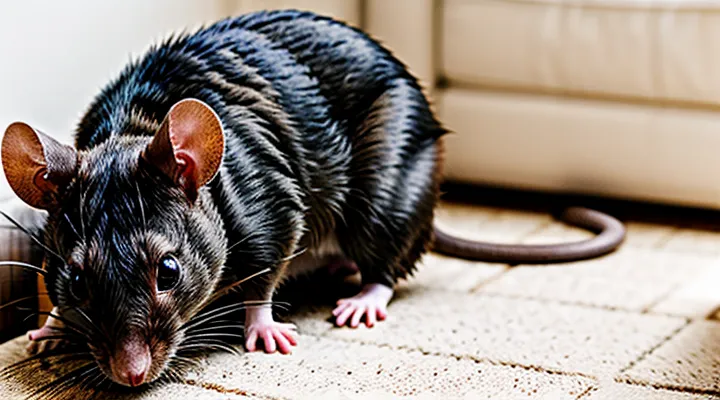
Understanding Pet Rat Allergies
What is a Pet Rat Allergy?
Pet rat allergy refers to an immune system reaction triggered by proteins found in rat urine, saliva, or dander that become airborne and contact the skin, eyes, or respiratory tract. When a sensitized individual inhales or touches these allergens, the body produces immunoglobulin E (IgE) antibodies, leading to the release of histamine and other mediators that cause characteristic allergic responses.
Typical manifestations include:
- Sneezing, nasal congestion, and runny nose
- Itchy, watery eyes or conjunctivitis
- Coughing, wheezing, or shortness of breath, especially in asthmatic patients
- Skin irritation such as redness, itching, or hives at points of contact
Diagnosis relies on a detailed exposure history, physical examination, and confirmation through skin‑prick testing or specific IgE blood assays targeting rat allergens. Management strategies involve minimizing exposure—using high‑efficiency particulate air (HEPA) filters, regular cage cleaning, and limiting direct handling—as well as pharmacologic intervention with antihistamines, nasal corticosteroids, or, in severe cases, immunotherapy. Early identification and consistent control measures reduce the risk of chronic respiratory complications associated with this specific rodent allergy.
Prevalence of Pet Rat Allergies
Pet rats are increasingly common companions, yet sensitisation to their dander remains relatively rare. Epidemiological surveys in North America and Europe report that 1 %–3 % of households with rodents experience allergic reactions attributable to rat exposure. In the United Kingdom, a 2022 study identified 2.4 % of rodent owners with documented IgE‑mediated responses to rat allergens, while a 2021 US questionnaire found 1.8 % of respondents reporting symptoms such as nasal congestion, sneezing, or cutaneous itching after handling rats.
Prevalence varies with age, gender, and occupational exposure. Children under 12 exhibit higher rates (approximately 3 %) compared with adults (1 %–2 %). Women report slightly greater incidence than men, a pattern consistent with broader allergen sensitivity trends. Veterinary technicians, laboratory personnel, and pet‑store employees demonstrate elevated prevalence, reaching 5 %–7 % in occupational cohorts.
Factors influencing these figures include:
- Frequency of direct contact with rat fur, saliva, or urine.
- Indoor housing of rats, which concentrates airborne allergens.
- Presence of pre‑existing atopic conditions such as asthma or allergic rhinitis.
- Genetic predisposition to IgE‑mediated responses.
Geographic differences reflect variations in pet‑rat ownership practices and environmental controls. Urban regions with higher pet‑rat density report marginally increased allergy rates, while rural areas show lower incidence. Seasonal fluctuations are minimal, as rat allergens persist in indoor environments year‑round.
Overall, the proportion of individuals developing hypersensitivity to pet rats remains modest, yet specific subpopulations—particularly frequent handlers and those with prior atopic history—experience a disproportionately higher risk. Continuous monitoring of sensitisation trends supports targeted education and preventive measures for at‑risk groups.
Who is at Risk?
Allergic reactions to domesticated rats arise when the immune system mistakenly identifies proteins in rat urine, saliva, or dander as harmful. Individuals most vulnerable share certain characteristics.
- Persons with a documented history of atopy, including allergic rhinitis, eczema, or food allergies, display heightened sensitivity to rodent allergens.
- Children under twelve years exhibit increased prevalence of respiratory symptoms when exposed to rat‑related particles.
- Adults diagnosed with asthma, especially those whose condition is poorly controlled, experience exacerbated bronchial responses upon contact with rat allergens.
- Immunocompromised patients, such as organ‑transplant recipients or individuals undergoing chemotherapy, possess diminished capacity to regulate inflammatory responses, raising the likelihood of severe manifestations.
- Households that keep multiple rats or maintain cages in confined spaces generate higher concentrations of allergenic proteins, thereby amplifying exposure risk for all occupants.
Occupational exposure also contributes to susceptibility. Laboratory technicians, pest‑control workers, and veterinary staff regularly handle rodents and may develop sensitization despite protective measures. Regular monitoring of symptoms and environmental controls are essential for these groups.
Causes of Pet Rat Allergies
Allergenic Proteins in Rats
Rat Urine Proteins
Rat urine contains a complex mixture of proteins that act as the primary sensitizing agents in individuals who develop allergic reactions to pet rats. Among the most studied are major urinary proteins (MUPs), α‑2‑u‑globulin, and lipocalin‑type allergens. These molecules are small, soluble, and readily aerosolized when a rat urinates, allowing inhalation or skin contact with the proteins.
Key characteristics of rat urine proteins include:
- High stability in the environment; proteins persist on surfaces for days, increasing exposure risk.
- Ability to bind IgE antibodies; sensitized individuals produce specific IgE that recognizes MUPs and related proteins.
- Cross‑reactivity with allergens from other rodents; structural similarity may trigger reactions in people allergic to mice or hamsters.
When exposure occurs, the immune system can mount an immediate hypersensitivity response. Typical manifestations are:
- Nasal congestion, sneezing, and rhinorrhea, reflecting upper‑respiratory irritation.
- Itchy, erythematous skin lesions or urticaria at sites of direct contact with contaminated bedding or cages.
- Asthmatic symptoms such as wheezing, shortness of breath, and bronchial hyper‑responsiveness, particularly after prolonged inhalation of aerosolized urine particles.
Diagnosis relies on measuring serum IgE specific to rat urinary proteins, skin‑prick testing with standardized extracts, and correlating clinical history with environmental exposure. Management strategies focus on reducing antigen load: regular cleaning of cages, use of HEPA filters, and avoidance of direct handling without protective gloves. In severe cases, pharmacologic therapy may include antihistamines, inhaled corticosteroids, or immunotherapy targeting the identified urinary protein allergens.
Rat Saliva Proteins
Rat saliva contains a complex mixture of proteins that act as primary allergens for individuals sensitized to pet rodents. The most clinically relevant proteins include:
- Rat urinary protein (RUP) homologs, which are secreted in saliva during grooming.
- Lipocalin family members, such as Rat allergen 1 (Rat‑L1), known for their stability and ability to bind small hydrophobic molecules.
- Serum albumin fragments that persist in saliva after ingestion of blood.
- Enzymes like amylase and lysozyme, which can act as minor sensitizers.
These proteins possess epitopic structures that trigger IgE‑mediated immune responses. Upon exposure, mast cells release histamine and other mediators, leading to typical allergic manifestations: nasal congestion, watery eyes, sneezing, skin erythema, and, in severe cases, bronchospasm or anaphylaxis. Symptoms usually appear within minutes of direct contact with a rat’s mouth or fur, where saliva residues are transferred.
Diagnostic evaluation relies on skin‑prick testing with standardized rat saliva extracts or serum-specific IgE assays targeting the identified proteins. Positive results confirm sensitization and guide management strategies.
Avoidance measures focus on minimizing saliva contact:
- Regular cleaning of cages to remove saliva‑contaminated bedding.
- Use of gloves and protective clothing during handling.
- Frequent hand washing after interaction with the animal.
Pharmacological treatment includes antihistamines for mild symptoms and inhaled corticosteroids for respiratory involvement. In cases of systemic reactions, epinephrine autoinjectors are prescribed.
Understanding the protein composition of rat saliva enables targeted diagnostic testing and effective prevention of hypersensitivity reactions associated with pet rodents.
Dander and Skin Flakes
Dander released by pet rats consists of microscopic particles shed from fur, saliva, and urine. These particles contain allergenic proteins that become airborne and can be inhaled or come into contact with the skin. When a sensitized individual encounters rat dander, the immune system may produce IgE antibodies, triggering histamine release and resulting in typical allergic reactions.
Skin flakes, also known as epidermal debris, are another source of rat‑related allergens. As rats groom themselves, tiny fragments of the outer skin layer detach and disperse into the environment. Like dander, these flakes carry the same protein markers that provoke immune responses. Because they are lightweight, they remain suspended in the air for extended periods, increasing exposure risk.
Common manifestations of exposure to rat dander and skin flakes include:
- Nasal congestion, sneezing, and runny nose
- Itchy, watery eyes
- Coughing and wheezing, potentially aggravating asthma
- Skin irritation, redness, or hives at points of direct contact
Mitigation strategies focus on reducing airborne concentrations of these allergens. Regular cage cleaning, use of high‑efficiency particulate air (HEPA) filters, and limiting direct handling can lower dander and skin‑flake levels. Protective clothing and gloves further diminish skin contact, helping to prevent cutaneous symptoms.
Environmental Factors
Dust Mites
Dust mites are microscopic arachnids that thrive in warm, humid environments. Their waste particles accumulate in bedding, upholstery, and cage accessories, creating a persistent source of airborne allergens in homes where pet rats are kept.
Exposure to dust‑mite allergens can provoke immune responses similar to those triggered by rat proteins. In individuals already sensitized to rodent allergens, dust‑mite exposure may intensify overall allergic load, leading to more frequent or severe reactions.
Typical manifestations include sneezing, nasal congestion, itchy or watery eyes, skin erythema, and wheezing. These symptoms often overlap with those caused by direct contact with rats, making clinical differentiation essential.
Diagnostic evaluation relies on skin‑prick testing or serum‑based specific IgE assays that identify reactivity to dust‑mite antigens. Results help distinguish primary dust‑mite sensitization from rat‑related allergy and guide appropriate management.
Mitigation strategies focus on reducing dust‑mite reservoirs and limiting aerosolized particles:
- Wash cage bedding, blankets, and soft toys in hot water (≥ 60 °C) weekly.
- Replace fabric liners with non‑woven, low‑dust alternatives.
- Maintain indoor humidity below 50 % using dehumidifiers or ventilation.
- Employ HEPA‑filtered vacuum cleaners for regular cleaning of floors and upholstery.
- Use allergen‑impermeable covers on mattresses and pillows in the sleeping area.
Implementing these measures lowers dust‑mite burden, thereby decreasing the overall allergenic stimulus for individuals prone to reactions associated with pet rats.
Other Household Allergens
Allergic reactions to domestic rodents often coexist with sensitivities to other common indoor triggers. Identifying additional sources is essential for accurate diagnosis and effective management.
- «Dust‑mite feces» contain Der p 1 and Der f 1 proteins that provoke IgE‑mediated responses, leading to sneezing, nasal congestion, and itchy eyes.
- «Cat and dog dander» release Fel d 1 and Can f 1 allergens; exposure may cause wheezing, throat irritation, and skin eruptions.
- «Cockroach fragments» produce Bla g 1 and Bla g 2 allergens, frequently associated with asthma exacerbations in urban residences.
- «Mold spores» such as Aspergillus and Penicillium release enzymes that trigger respiratory inflammation and sinus pressure.
- «Indoor pollen» infiltrates through open windows, producing seasonal‑like symptoms year‑round in poorly sealed homes.
- «Cleaning chemicals» like ammonia and bleach generate irritant‑type reactions, aggravating existing allergic inflammation.
Concurrent presence of these agents can mask or amplify the clinical picture of rodent‑related allergy. Comprehensive environmental assessment, coupled with targeted serum IgE panels, differentiates overlapping sensitivities. Mitigation strategies—regular vacuuming with HEPA filters, allergen‑impermeable bedding, humidity control below 50 %, and avoidance of strong detergents—reduce overall allergen load and improve symptom control.
Symptoms of Pet Rat Allergies
Respiratory Symptoms
Sneezing and Runny Nose
Sneezing and a clear, watery nasal discharge commonly appear as early indicators of an allergic reaction to domesticated rats. Exposure to rat proteins, found in saliva, urine, and dander, triggers an immunoglobulin E‑mediated response. Histamine release causes irritation of the nasal mucosa, resulting in rapid, repetitive sneezing and increased mucus production.
Key characteristics of the nasal response include:
- Sudden onset after direct contact with the animal or its bedding
- Repetitive sneezing episodes lasting several minutes
- Thin, clear rhinorrhea without purulent elements
- Absence of fever or systemic infection signs
These manifestations often precede additional allergic symptoms such as itchy eyes, skin erythema, or respiratory distress. Diagnosis relies on correlating symptom timing with rat exposure and confirming sensitization through skin‑prick testing or specific IgE assays.
Management strategies focus on reducing allergen contact and controlling mediator release. Recommendations comprise:
- Removing the pet rat from the living environment or restricting access to bedroom areas
- Implementing rigorous cleaning routines to eliminate dander from surfaces and fabrics
- Using antihistamine tablets or nasal sprays to block histamine receptors
- Considering intranasal corticosteroids for persistent inflammation
Prompt identification of sneezing and runny nose as rat‑related allergic signs enables timely intervention, preventing progression to more severe respiratory complications.
Congestion and Sinus Pressure
Exposure to proteins shed by pet rats can trigger an IgE‑mediated response that manifests as nasal congestion and sinus pressure. Inflammatory mediators cause swelling of the nasal passages and mucosal edema within the paranasal cavities, leading to impaired airflow and fluid accumulation.
The physiological cascade includes:
- Histamine release, resulting in vasodilation and increased mucus secretion.
- Eosinophil infiltration, contributing to tissue swelling.
- Obstruction of sinus ostia, producing a sensation of pressure behind the eyes and cheeks.
Typical clinical presentation comprises:
- Persistent stuffy nose.
- Facial fullness or pain, especially over the maxillary and frontal sinuses.
- Headache that intensifies when bending forward.
- Reduced olfactory acuity.
- Post‑nasal drip with possible throat irritation.
Diagnostic work‑up relies on patient history of rat exposure, skin‑prick or serum specific IgE testing for rodent allergens, and, when indicated, nasal endoscopy or computed tomography to assess sinus ventilation.
Management strategies focus on allergen avoidance and pharmacologic control:
- Antihistamines to block histamine receptors.
- Intranasal corticosteroids to reduce mucosal inflammation.
- Short‑acting decongestants for temporary relief of airway obstruction.
- Saline irrigation to clear excess mucus.
- Allergen‑specific immunotherapy for long‑term desensitization in severe cases.
Effective treatment alleviates congestion, restores sinus drainage, and reduces the risk of secondary infections associated with chronic pressure.
Coughing and Wheezing
Coughing and wheezing frequently appear in individuals sensitized to proteins found in the saliva, urine, and dander of pet rats. Inhalation of aerosolized allergens triggers an immediate hypersensitivity response in the respiratory tract, leading to bronchial irritation and increased mucus production.
Coughing manifests as a dry, persistent reflex aimed at clearing the airway of irritants. The reflex intensifies shortly after exposure to rat fur or bedding, often worsening in enclosed spaces where allergen concentration is high. Repeated episodes may evolve into a chronic cough if avoidance measures are insufficient.
Wheezing results from bronchoconstriction caused by the release of histamine and leukotrienes. The narrowing of small airways produces a high‑pitched, musical sound during exhalation. Episodes may be brief and resolve with bronchodilator use, but severe reactions can progress to prolonged respiratory distress.
Management strategies include:
- Identification and elimination of rat‑related allergens from the environment.
- Use of air filtration devices to reduce airborne particles.
- Administration of antihistamines or leukotriene receptor antagonists to mitigate inflammatory mediators.
- Prescription of short‑acting bronchodilators for acute wheezing episodes.
- Consultation with an allergist for possible immunotherapy.
Asthma Exacerbation
Allergic sensitisation to pet rats can trigger acute worsening of bronchial hyper‑responsiveness. Inhalation of rodent dander, urine proteins, and saliva allergens introduces immunoglobulin E‑mediated triggers that activate mast cells in the lower airways. The resulting release of histamine, leukotrienes, and prostaglandins produces bronchoconstriction, increased mucus production, and airway edema, all of which intensify pre‑existing asthma.
Typical manifestations of an asthma flare linked to rat exposure include:
- Sudden onset of wheezing and shortness of breath
- Persistent cough, often dry or productive of clear sputum
- Chest tightness or pain
- Decreased peak expiratory flow rate
- Reduced response to usual bronchodilator therapy
Risk factors for severe exacerbation comprise high‑level indoor exposure, lack of environmental control measures, and a history of atopic diseases. Diagnostic evaluation should combine skin‑prick testing or specific IgE assays for rodent allergens with spirometric assessment during symptomatic periods. Positive allergen testing alongside documented airflow limitation confirms the causal relationship.
Management strategies focus on allergen avoidance, pharmacologic control, and patient education. Practical steps involve:
- Removing rats from the living environment or restricting access to bedrooms
- Implementing high‑efficiency particulate air (HEPA) filtration and regular cleaning of cages and bedding
- Optimising inhaled corticosteroid dosage and adding long‑acting β₂‑agonists as needed
- Providing rescue inhalers for rapid relief during unexpected exposure
Prompt identification of rat‑related triggers and systematic reduction of allergen load are essential to prevent recurrent asthma deterioration and to maintain long‑term respiratory stability.
Skin Symptoms
Hives and Rashes
Allergic reactions to pet rats frequently involve cutaneous manifestations such as hives and rashes. Exposure to rat dander, urine or saliva introduces allergenic proteins that trigger IgE‑mediated degranulation of mast cells. Histamine release produces the characteristic wheals of urticaria and the inflamed patches of dermatitis.
Typical features of these skin responses include:
- Raised, erythematous welts that appear suddenly, often within minutes of contact.
- Itching that intensifies when lesions are scratched, potentially leading to secondary infection.
- Flat or papular rashes that may coalesce into larger areas of redness, sometimes accompanied by swelling of surrounding tissue.
Diagnostic evaluation relies on correlation of clinical history with objective testing. Skin‑prick testing using rat allergen extracts or measurement of serum‑specific IgE provides confirmation. Physical examination assesses distribution and morphology of lesions.
Therapeutic measures focus on symptom control and allergen avoidance. First‑line pharmacotherapy comprises oral antihistamines to reduce pruritus and wheal formation. Short courses of systemic corticosteroids may be prescribed for severe or persistent eruptions. Topical corticosteroid creams offer localized relief for mild dermatitis.
Preventive strategies reduce exposure intensity. Regular cleaning of cages, use of high‑efficiency particulate air (HEPA) filters, and limiting direct handling decrease airborne allergen concentrations. Bathing the animal and employing protective gloves during grooming further mitigate skin reactions.
Itching and Redness
Allergic reactions to pet rats frequently manifest on the skin as intense itching and pronounced redness. The primary trigger is exposure to rat allergens, which include proteins in dander, urine, saliva, and dried feces. When these substances contact the skin or are inhaled, they can sensitize the immune system, leading to the production of immunoglobulin E antibodies. Subsequent encounters provoke rapid degranulation of mast cells, releasing histamine and other mediators that cause vasodilation and nerve irritation.
Typical features of the dermatologic response are:
- Localized erythema that may spread to adjacent areas
- Persistent pruritus that intensifies at night or after direct contact with the animal
- Swelling of the affected skin, sometimes accompanied by a raised, wheal‑like appearance
- Secondary excoriation resulting from scratching, which can increase the risk of infection
The onset of symptoms usually occurs within minutes to a few hours after exposure. Severity varies with the level of sensitization and the amount of allergen encountered. Individuals with a history of atopy or previous rodent exposure are more likely to develop pronounced cutaneous signs.
Management strategies focus on reducing allergen contact and controlling the inflammatory response. Effective measures include:
- Immediate removal of the rat from the environment and thorough cleaning of bedding, cages, and surfaces to eliminate residual proteins
- Use of oral antihistamines (e.g., cetirizine, loratadine) to block histamine receptors and alleviate itching
- Application of low‑ to moderate‑strength topical corticosteroids to reduce redness and swelling
- In severe cases, short courses of systemic corticosteroids may be prescribed under medical supervision
Monitoring for secondary infection is essential; persistent lesions should be evaluated for bacterial colonization and treated accordingly. Education on proper cage hygiene and the use of protective gloves can markedly decrease the frequency and intensity of cutaneous reactions.
Eczema Flare-ups
Eczema flare‑ups frequently accompany allergic responses to domesticated rats. When a person sensitized to rat allergens inhales dander, urine proteins, or saliva residues, the immune system releases histamine and other mediators that disturb the skin barrier. This disturbance accelerates transepidermal water loss, allowing irritants to penetrate and trigger an inflammatory cascade that manifests as eczema.
Typical characteristics of an eczema episode linked to rat allergy include:
- Intensified itching that worsens at night
- Red, edematous patches often localized on the forearms, face, or neck
- Vesicles that rupture, leaving moist, oozing surfaces
- Crusting and thickened plaques after repeated episodes
Management strategies focus on eliminating exposure to rat allergens, employing topical corticosteroids to reduce inflammation, and using barrier‑repair moisturizers containing ceramides. Antihistamines may alleviate pruritus, while systemic immunomodulators are reserved for severe, persistent cases. Regular monitoring of skin condition and allergen avoidance are essential to prevent recurrent eruptions.
Eye Symptoms
Itchy and Watery Eyes
Allergic reactions to pet rats frequently involve the eyes, presenting as persistent itching and excessive tearing. The ocular surface reacts to rat-derived allergens, such as dander, urine proteins, and saliva enzymes, which become airborne during handling or cage cleaning.
Exposure triggers an IgE‑mediated response. Allergen‑specific antibodies bind to mast cells in the conjunctiva, causing rapid histamine release. Histamine increases vascular permeability and stimulates nerve endings, producing the characteristic itch and watery discharge.
Patients typically report bilateral symptoms that worsen after direct contact with the animal or its environment. Accompanying signs may include redness, swelling of the eyelids, and a sensation of foreign body presence. Symptoms appear within minutes to hours and can persist for several days if exposure continues.
Distinguishing rat‑related ocular allergy from other causes, such as viral conjunctivitis or dry‑eye syndrome, relies on the temporal relationship to pet interaction and the presence of other systemic allergic signs, including nasal congestion or skin rash.
Management focuses on reducing allergen load and controlling inflammation:
- Remove or limit direct contact with the rat; use gloves and protective eyewear during handling.
- Clean cages regularly with HEPA‑filtered vacuums; wash bedding and toys in hot water.
- Apply topical antihistamine or mast‑cell stabilizer eye drops according to medical guidance.
- Oral antihistamines may alleviate concurrent nasal or cutaneous symptoms.
- Consider allergen‑specific immunotherapy for severe, persistent cases.
Redness and Swelling
Redness and swelling frequently appear as early signs of an immune response to rat proteins. Contact with fur, saliva, urine, or dander triggers histamine release, causing dilated capillaries and fluid accumulation in the skin. The affected area often turns pink or crimson, then enlarges as edema develops. These changes may be localized to the site of exposure, such as the hands, forearms, or face, or may spread to adjacent regions if the allergen continues to contact the skin.
Key characteristics of this manifestation include:
- Rapid onset, typically within minutes to an hour after contact.
- Warmth and tenderness accompanying the visible discoloration.
- Possible accompanying itching, though itching is not mandatory for diagnosis.
- Progression from mild erythema to pronounced swelling, sometimes forming a welldefined plaque.
Management focuses on eliminating the allergen and reducing inflammation. Immediate removal of contaminated clothing and thorough washing of the skin limit further exposure. Antihistamine tablets or topical creams containing diphenhydramine or cetirizine mitigate histamine effects. For extensive edema, short courses of oral corticosteroids may be prescribed. Persistent or worsening symptoms, especially when accompanied by breathing difficulty or hives, warrant prompt medical evaluation to rule out systemic involvement.
Severity of Symptoms
Mild Allergic Reactions
Mild allergic reactions to domesticated rats stem from proteins found in the animal’s saliva, urine, and dander. When these proteins become airborne, they can be inhaled or come into contact with skin, triggering the immune system of a sensitized person.
Typical manifestations include:
- Itchy or watery eyes
- Sneezing and nasal congestion
- Runny nose with clear discharge
- Slight skin redness or hives at points of contact
- Mild throat irritation, sometimes accompanied by a tickling cough
These symptoms usually appear within minutes to a few hours after exposure and resolve without medical intervention, although antihistamines may provide relief. Persistent or escalating reactions warrant evaluation by a healthcare professional to rule out progression to more severe allergy forms.
Severe Allergic Reactions
Severe allergic reactions to domesticated rats occur when the immune system overreacts to proteins found in rat urine, saliva, or dander. Sensitisation typically follows repeated exposure, leading to the production of IgE antibodies that trigger mast‑cell degranulation upon subsequent contact.
Typical manifestations of a serious response include:
- Rapid onset of wheezing or shortness of breath
- Tightness of the chest and difficulty inhaling
- Swelling of the lips, tongue, or throat, potentially obstructing the airway
- Sudden drop in blood pressure, causing dizziness or fainting
- Hives or extensive skin rash accompanied by intense itching
Immediate medical intervention is essential. Administration of epinephrine via auto‑injector reverses airway constriction and circulatory collapse. Antihistamines and corticosteroids may alleviate secondary symptoms, but they do not replace emergency treatment. Individuals with a documented rat allergy should carry an epinephrine device, avoid direct handling of the animals, and implement environmental controls such as HEPA filtration and regular cleaning to reduce allergen load.
Diagnosis of Pet Rat Allergies
Self-Observation
Self‑observation provides essential data for identifying allergic reactions to domesticated rodents. Recording the timing, intensity, and context of each episode creates a pattern that distinguishes genuine hypersensitivity from incidental irritation.
Key elements of systematic monitoring include:
- Precise note of exposure moment (handling, cleaning cage, proximity).
- Documentation of skin changes such as redness, swelling, or hives.
- Tracking of respiratory responses: sneezing, nasal congestion, wheezing, or shortness of breath.
- Awareness of gastrointestinal signs: nausea, abdominal cramping, or diarrhea.
- Rating of symptom severity on a standardized scale (mild = 1, moderate = 2, severe = 3).
A structured log should list each entry chronologically, pairing environmental factors (temperature, humidity, cleaning agents) with observed reactions. Inclusion of medication usage, dosage, and timing clarifies therapeutic effectiveness.
Analysis of the compiled data reveals probable allergens. Proteins found in rodent urine, saliva, and dander commonly trigger immune responses. Repeated exposure without adequate protective measures amplifies sensitization, while sudden spikes in symptom severity often correspond to increased cage cleaning frequency or introduction of new bedding material.
When patterns indicate persistent or escalating reactions, consultation with an allergist becomes necessary. Diagnostic testing, including serum IgE measurement and skin prick assessment, confirms specific sensitization. Until professional evaluation, avoidance strategies—such as wearing gloves, using HEPA filters, and limiting direct contact—reduce exposure and mitigate symptom progression.
Medical Consultation
Allergy Testing
Allergy testing is essential for confirming sensitization to rodent allergens and distinguishing true immunologic reactions from irritant responses. Accurate diagnosis guides appropriate management and prevents unnecessary dietary or environmental restrictions.
Skin prick testing (SPT) remains the most widely used method. A small amount of rat‑derived protein extract is introduced into the epidermis; a wheal diameter exceeding the established threshold indicates a positive result. SPT offers rapid results, typically within 15–20 minutes, and allows simultaneous evaluation of multiple allergens.
Blood‑based assays measure serum‑specific immunoglobulin E (IgE) against rat allergens. Enzyme‑linked immunosorbent assay (ELISA) and the ImmunoCAP system provide quantitative data, useful when skin conditions preclude SPT or when antihistamines cannot be discontinued. Reference ranges differ among laboratories; clinicians must interpret values in the context of clinical history.
Patch testing detects delayed‑type hypersensitivity, which may contribute to chronic dermatitis in individuals exposed to rat bedding or urine. Application of standardized allergen patches for 48 hours, followed by evaluation at 72 and 96 hours, identifies contact sensitization.
Interpretation guidelines:
- Positive skin prick or specific IgE result combined with relevant symptoms confirms rat allergy.
- Isolated positive test without clinical correlation warrants repeat testing or alternative diagnostic approaches.
- Negative results do not exclude allergy; low‑level sensitization may require provocation testing under medical supervision.
«Allergy testing provides objective data» that supports targeted avoidance strategies, pharmacotherapy, and, when appropriate, immunotherapy. Referral to an allergist is advisable for patients with persistent respiratory or cutaneous symptoms after initial evaluation.
Skin Prick Test
The skin prick test is a primary diagnostic tool for identifying sensitisation to proteins present in pet rats. During the procedure, a small amount of standardized rat allergen extract is introduced into the superficial layer of the skin, typically on the forearm. A positive reaction appears as a raised, erythematous wheal within 15–20 minutes, indicating the presence of specific IgE antibodies.
Key aspects of the test include:
- Preparation: The patient avoids antihistamines for an appropriate wash‑out period, and the skin area is cleansed with alcohol.
- Application: A sterile lancet delivers a precise droplet of allergen onto the skin, followed by a gentle prick to allow penetration.
- Controls: A histamine control produces a robust wheal, confirming skin reactivity; a saline control remains negative, ruling out nonspecific irritation.
- Interpretation: Wheal diameter exceeding that of the negative control by at least 3 mm, and comparable to the histamine control, confirms sensitisation. Results are correlated with clinical history to distinguish true allergy from asymptomatic sensitisation.
Advantages of the skin prick test include rapid results, low cost, and the ability to assess multiple allergens simultaneously. Limitations involve potential false‑positive reactions due to cross‑reactivity with other rodent proteins, and reduced sensitivity in patients with extensive skin conditions or those on immunosuppressive therapy.
Safety considerations are minimal; systemic reactions occur in less than 0.1 % of cases. Emergency equipment and trained personnel should be available to manage rare anaphylactic events.
Overall, the skin prick test provides essential objective evidence for rat‑related allergic disease, guiding clinicians in confirming the diagnosis and selecting appropriate avoidance strategies or immunotherapy.
Blood Test (IgE Antibodies)
Blood testing for immunoglobulin E (IgE) antibodies provides objective evidence of sensitisation to rat allergens. The test measures the concentration of specific IgE in serum after exposure to proteins derived from rat urine, saliva or dander. Elevated levels indicate an immune system that recognises rat antigens as threats, supporting a diagnosis of rat‑related allergy.
Key aspects of the IgE blood assay:
- Sample collection: venous blood drawn under sterile conditions, typically 5 ml, processed to obtain serum.
- Laboratory method: enzyme‑linked immunosorbent assay (ELISA) or fluorescence immunoassay (FIA) quantifies IgE binding to rat‑specific allergen extracts.
- Result interpretation: values are expressed in international units per millilitre (IU/ml); ranges commonly categorised as negative (<0.35 IU/ml), low (0.35–0.70 IU/ml), moderate (0.71–3.5 IU/ml) and high (>3.5 IU/ml). Higher titres correlate with increased likelihood of clinical symptoms but do not predict severity.
- Clinical relevance: a positive IgE test confirms sensitisation but must be considered alongside patient history and physical findings. Negative results do not exclude allergy, as non‑IgE mechanisms or low‑level sensitisation may be present.
Advantages of the IgE blood test include minimal risk of provoking an immediate reaction, suitability for patients unable to undergo skin prick testing, and the ability to monitor changes in antibody levels over time, for example after allergen avoidance or immunotherapy. Limitations comprise dependence on the quality of allergen extracts, potential cross‑reactivity with proteins from other rodents, and the inability to distinguish between asymptomatic sensitisation and active disease.
In practice, clinicians order the IgE assay when patients report respiratory, cutaneous or ocular symptoms after handling pet rats, and when skin testing is contraindicated or unavailable. The test results guide management decisions such as environmental control measures, pharmacotherapy, or referral for allergen‑specific immunotherapy.
Management and Treatment
Allergen Avoidance
Limiting Contact with Rats
Limiting exposure to pet rats directly reduces the frequency and intensity of allergic reactions. The primary source of allergens is dander, urine, and saliva that disperse into the surrounding environment. By controlling the amount of direct contact, the immune system encounters fewer triggers, allowing symptoms such as sneezing, nasal congestion, and skin irritation to remain mild or absent.
- Keep rats in a dedicated enclosure that is not accessible to living areas.
- Perform daily cleaning of the cage with a high‑efficiency particulate air (HEPA) filter vacuum to remove settled dander.
- Wear disposable gloves and a mask when handling the animals or their bedding.
- Wash hands thoroughly after any interaction, even when gloves are used.
- Restrict the animal’s presence in bedrooms and other spaces where prolonged exposure occurs.
- Store food, toys, and litter in sealed containers to prevent accidental aerosolization.
Regular monitoring of symptom patterns provides feedback on the effectiveness of these measures. If respiratory or dermatological signs reappear despite strict limitations, consultation with a specialist is warranted to adjust the management plan.
Improving Ventilation
Improved indoor airflow directly reduces the concentration of rat‑derived allergens, thereby mitigating respiratory irritation and skin reactions. Proper ventilation dilutes airborne proteins, removes dust particles that carry allergenic fragments, and lowers humidity levels that favor mite proliferation, all of which contribute to fewer allergy episodes.
Effective ventilation strategies include:
- Installing exhaust fans in kitchens and bathrooms to expel contaminated air.
- Using window‑mounted or portable air‑exchange units to introduce fresh outdoor air.
- Maintaining a minimum of six air changes per hour in rooms where rats are kept.
- Ensuring filters are rated for allergens (HEPA) and replaced according to manufacturer guidelines.
- Sealing gaps around doors and windows to prevent uncontrolled infiltration of outdoor pollutants.
Consistent application of these measures creates a healthier environment for individuals prone to rat‑related allergic responses, decreasing symptom severity and frequency.
Regular Cleaning Practices
Regular cleaning reduces the presence of rat‑derived allergens such as urine, saliva, and dander, which are the primary triggers of respiratory and skin responses. Dust and debris that settle on surfaces retain these proteins; removing them daily limits exposure and mitigates symptom severity.
Effective practices include:
- Vacuuming floors and upholstery with a HEPA‑rated filter at least once a day.
- Damp‑mopping hard surfaces to prevent aerosolization of particles.
- Washing bedding, cages, and toys in hot water (≥ 60 °C) weekly.
- Cleaning litter boxes and feeding areas with disposable gloves and a dedicated disinfectant.
- Air‑filter maintenance: replace filters according to manufacturer guidelines and clean vents regularly.
Consistent implementation lowers airborne concentrations, decreasing the likelihood of sneezing, itching, and conjunctival irritation. For individuals with heightened sensitivity, combining cleaning routines with allergen‑proof covers on furniture further reduces contact. Monitoring symptom patterns after each cleaning cycle helps assess effectiveness and adjust frequency as needed. (« Allergen reduction through disciplined hygiene is essential for managing rat‑related sensitivities »).
Medication
Antihistamines
Antihistamines («antihistamines») counteract the effects of histamine released during an immune response to rat dander, saliva, or urine. By blocking histamine H1 receptors, they reduce vascular permeability, itching, and nasal congestion.
Available preparations fall into two principal classes:
- First‑generation agents («first‑generation»): cross the blood‑brain barrier, produce sedation, have anticholinergic activity.
- Second‑generation agents («second‑generation»): limited central nervous system penetration, lower sedative potential, longer duration of action.
Typical dosing regimens for rat‑induced allergic reactions follow the manufacturer’s recommendations for adult patients, adjusted for body weight and severity of symptoms. Oral tablets or liquid formulations are taken 30 minutes before anticipated exposure; intranasal sprays provide rapid relief of nasal symptoms. Pediatric dosing requires pediatric‑specific formulations and strict adherence to weight‑based calculations.
Common adverse effects include drowsiness (more frequent with first‑generation drugs), dry mouth, and mild gastrointestinal discomfort. Contraindications comprise narrow‑angle glaucoma, severe urinary retention, and known hypersensitivity to the active compound. Caution is advised when combining antihistamines with central nervous system depressants or alcohol.
Effective management integrates antihistamine therapy with environmental control measures such as regular cage cleaning, use of HEPA filters, and limiting direct contact. This combined approach minimizes symptom recurrence and supports long‑term tolerance of pet rats.
Decongestants
Decongestants provide rapid relief of nasal blockage that frequently accompanies allergic reactions to pet rodents. By narrowing swollen blood vessels in the nasal mucosa, they restore airflow and diminish the sensation of congestion.
The pharmacologic effect results from sympathomimetic activity on α‑adrenergic receptors, which induces vasoconstriction and reduces fluid exudation. This action limits the inflammatory swelling that follows exposure to rat allergens such as urinary proteins and dander.
Common oral and intranasal agents include:
- Pseudoephedrine – systemic stimulant, dosage typically 30–60 mg every 4–6 hours.
- Phenylephrine – shorter duration, 10 mg every 4 hours.
- Oxymetazoline – topical spray, 0.05 % solution, no more than three applications per day.
- Xylometazoline – topical spray, 0.05 % solution, similar dosing restrictions.
Effective use requires adherence to recommended intervals to avoid rebound congestion. Administration should begin at the first sign of nasal swelling and continue only for the minimal period necessary to control symptoms.
Contraindications encompass hypertension, coronary artery disease, glaucoma, and hyperthyroidism. Potential adverse effects comprise tachycardia, insomnia, dry mouth, and nasal irritation. Prolonged topical application may provoke rhinitis medicamentosa, a condition characterized by persistent congestion after cessation of the drug. Monitoring of blood pressure and heart rate is advisable for patients with cardiovascular risk factors.
Nasal Sprays
Allergic reactions to domesticated rats often involve respiratory inflammation triggered by rodent dander, saliva, and urine proteins. Nasal sprays represent a direct therapeutic option for managing nasal congestion, itching, and rhinorrhea associated with such hypersensitivity.
Key categories of nasal sprays relevant to rat‑induced allergy:
- Intranasal corticosteroids – reduce mucosal edema and inflammatory mediator release; typical agents include fluticasone, mometasone, and budesonide. Recommended dosage ranges from 50 to 200 µg per nostril once daily, with symptom relief observable within 24–48 hours.
- Antihistamine sprays – block histamine H1 receptors on nasal epithelium; azelastine and olopatadine are common. Onset of action occurs within minutes; dosing generally involves 1–2 sprays per nostril twice daily.
- Saline irrigation – isotonic or hypertonic solutions mechanically clear allergen particles and mucus; use 5–10 ml per nostril once or twice daily. No pharmacologic side effects, but may improve the efficacy of subsequent medicated sprays.
- Combination formulations – integrate corticosteroid and antihistamine mechanisms; examples include fluticasone‑azelastine. Provide comprehensive symptom control with a single administration schedule.
Clinical considerations:
- Initiate corticosteroid therapy before peak exposure periods to preempt inflammatory cascade.
- Limit antihistamine spray use to avoid local irritation; discontinue if persistent burning sensation develops.
- Saline irrigation should avoid excessive pressure to prevent mucosal trauma.
- Monitor for systemic absorption of corticosteroids in patients with uncontrolled asthma or concurrent oral steroids.
Adverse effects are generally mild: nasal dryness, epistaxis, and transient taste disturbance. Persistent symptoms despite optimal spray regimen warrant referral for allergen‑specific immunotherapy or evaluation of environmental controls, such as enhanced ventilation and regular cage cleaning, to reduce rodent allergen load.
Inhalers
Allergic reactions to pet rats frequently involve respiratory symptoms such as wheezing, shortness of breath, and chest tightness. Inhalers provide rapid relief by delivering medication directly to the airways, bypassing systemic circulation.
Bronchodilator inhalers contain short‑acting agents that relax smooth muscle, opening narrowed passages within minutes. Corticosteroid inhalers reduce inflammation, decreasing the frequency and severity of attacks when used regularly. Combination inhalers merge both actions, offering immediate relief and long‑term control.
Effective use requires the following steps:
- Shake the inhaler (if applicable) before each dose.
- Exhale fully, then place the mouthpiece between lips, forming a tight seal.
- Press the canister to release a puff while beginning a slow, steady inhalation.
- Continue inhaling for several seconds to ensure deep pulmonary deposition.
- Hold breath for about ten seconds before exhaling slowly.
Potential adverse effects include oral thrush, hoarseness, and mild tachycardia. Rinsing the mouth after each corticosteroid dose mitigates fungal growth. Patients with severe rat‑induced asthma may need a rescue bronchodilator alongside a maintenance corticosteroid inhaler.
Monitoring peak flow readings and keeping an updated action plan enhance management. Consulting a healthcare professional before initiating inhaler therapy ensures appropriate device selection, dosage, and integration with other allergy treatments.
Immunotherapy
Immunotherapy offers a targeted approach for individuals sensitized to proteins found in pet rats. The method relies on controlled exposure to specific allergens, aiming to modify the immune response and diminish clinical reactivity.
The underlying mechanism involves repeated administration of minute quantities of rat-derived antigens. Over time, the immune system shifts from a predominately IgE‑mediated profile toward increased IgG4 production, reducing mast‑cell activation and histamine release.
Therapeutic options include two primary delivery systems:
- Subcutaneous immunotherapy (SCIT): injections administered in a clinical setting, typically beginning with a buildup phase of weekly doses followed by a maintenance phase of monthly injections.
- Sublingual immunotherapy (SLIT): allergen tablets or drops placed under the tongue, allowing self‑administration after an initial supervised dose.
Clinical data demonstrate measurable improvement in symptom severity scores and a reduction in reliance on antihistamines or corticosteroids. Long‑term studies report sustained benefits after completion of a three‑to‑five‑year treatment course.
Adverse events are generally mild, such as localized swelling or itching at the injection site. Systemic reactions, including anaphylaxis, occur infrequently but necessitate immediate medical attention and observation for at least 30 minutes post‑administration.
Candidate selection requires confirmed rat allergen sensitization via skin‑prick testing or specific IgE measurement, absence of uncontrolled asthma, and commitment to the prescribed schedule. Cost considerations and insurance coverage vary, emphasizing the need for consultation with an allergy specialist to assess suitability and plan follow‑up.
Living with a Pet Rat Allergy
Strategies for Rat Owners
Allergy to pet rats can develop through exposure to dander, saliva, urine, and shed fur. Managing symptoms requires practical measures that reduce allergen presence while preserving the animal’s welfare.
- Regular cage cleaning with a HEPA‑filtered vacuum and damp wiping eliminates accumulated particles.
- Installing air purifiers equipped with HEPA filters lowers airborne allergens in the living area.
- Limiting direct skin contact by using gloves during handling and washing hands immediately afterward decreases dermal exposure.
- Providing a designated “rat‑free” zone, such as a bedroom, prevents allergen buildup in sleeping quarters.
- Bathing the rats infrequently with a mild, veterinarian‑approved shampoo reduces surface dander without compromising skin health.
- Selecting bedding made from low‑dust materials, such as paper‑based products, minimizes inhalation risks.
- Monitoring the animal’s health for signs of skin irritation or respiratory distress enables early intervention.
Medical strategies complement environmental controls. Antihistamines, nasal corticosteroids, or leukotriene inhibitors, prescribed by a healthcare professional, alleviate acute reactions. Immunotherapy, when appropriate, can desensitize the immune response over time.
Consistent application of these practices lowers allergen load, reduces symptom frequency, and supports a harmonious coexistence between owners and their pet rats.
If Rehoming is Necessary
Allergic reactions to rats stem from proteins found in saliva, urine, and dander. Common manifestations include sneezing, nasal congestion, itchy eyes, skin rashes, and, in severe cases, wheezing or asthma attacks.
Medical assessment determines whether symptoms exceed tolerable limits. When antihistamines and environmental controls fail to alleviate discomfort, removal of the animal becomes a logical solution.
Criteria for considering rehoming:
- Persistent respiratory distress despite treatment
- Dermatological irritation that interferes with daily activities
- Inability to maintain a hypoallergenic environment (e.g., shared living spaces)
- Professional recommendation from an allergist or veterinarian
If any of these conditions apply, rehoming should proceed promptly. Steps to ensure a humane transition include:
- Identifying a qualified caretaker familiar with small‑animal care.
- Providing the new owner with the rat’s health records, dietary preferences, and behavior notes.
- Arranging a gradual introduction to the new environment to reduce stress.
- Confirming that the new home complies with local animal‑welfare regulations.
«A well‑planned rehoming process protects both the allergic individual and the pet’s welfare».
Preventing Allergic Reactions
Choosing Hypoallergenic Breeds (Limitations)
Rats marketed as hypoallergenic often retain proteins that trigger immune responses in sensitive individuals. Genetic selection reduces but does not eliminate the production of urine‑borne and saliva‑derived allergens, which disperse through fur and dander. Consequently, exposure risk remains, particularly in enclosed environments where airborne particles accumulate.
Limitations of hypoallergenic rat breeds include:
- Persistence of major allergen proteins despite selective breeding.
- Variable individual immune sensitivity; some persons react to minimal allergen levels.
- Incomplete scientific validation; studies on allergen reduction are limited and frequently lack long‑term data.
- Potential for cross‑contamination from bedding, food, and cleaning agents that may carry residual allergens.
- Higher cost and reduced availability compared to standard laboratory or pet strains.
Owners with known sensitivities should evaluate environmental controls, such as HEPA filtration and regular cleaning, alongside breed selection to manage exposure effectively.
Maintaining a Clean Environment
Maintaining a clean environment reduces exposure to rat allergens that trigger respiratory and skin reactions. Regular removal of dander, urine, and droppings limits the concentration of proteins responsible for hypersensitivity. Clean surfaces also prevent secondary microbial growth, which can exacerbate inflammatory responses.
Key practices include:
- Vacuum floors and upholstery with a high‑efficiency particulate air (HEPA) filter at least twice weekly.
- Wash bedding, blankets, and soft toys in hot water (≥ 60 °C) and dry thoroughly.
- Clean cage interiors with mild, fragrance‑free detergent; rinse and dry before reuse.
- Wipe countertops, shelves, and pet accessories with a damp microfiber cloth to capture settled particles.
- Operate an air purifier equipped with a HEPA filter in rooms where rats are kept.
- Maintain indoor humidity below 50 % to inhibit allergen proliferation; use a dehumidifier if necessary.
Consistent application of these measures lowers airborne allergen levels, diminishes symptom severity, and supports overall health for individuals sensitive to rodent proteins.
Personal Hygiene
Personal hygiene directly influences the severity of allergic reactions to pet rats. Regular removal of rat dander, saliva, and urine from skin and clothing reduces the antigen load that contacts mucous membranes. Washing hands immediately after handling a rat or cleaning its cage prevents transfer of allergens to the face and respiratory tract.
Showering before bedtime eliminates residual particles that might be inhaled during sleep. Changing into freshly laundered clothing after contact with the animal avoids prolonged exposure. Using a dedicated set of towels and bedding for rat‑related activities limits cross‑contamination of other household surfaces.
Effective hygiene practices include:
- Daily handwashing with soap for at least 20 seconds.
- Bathing after any direct interaction with the pet.
- Laundering clothing and bedding at high temperatures (≥60 °C) weekly.
- Vacuuming with a HEPA‑filter equipped device to capture fine dander.
- Wiping surfaces with a damp cloth rather than dry dusting, which can aerosolize allergens.
Implementing these measures minimizes the concentration of rat‑derived proteins that trigger immune responses, thereby decreasing the frequency and intensity of symptoms such as sneezing, itching, and wheezing. Consistent personal hygiene forms a practical barrier against allergen exposure, complementing medical management strategies.