
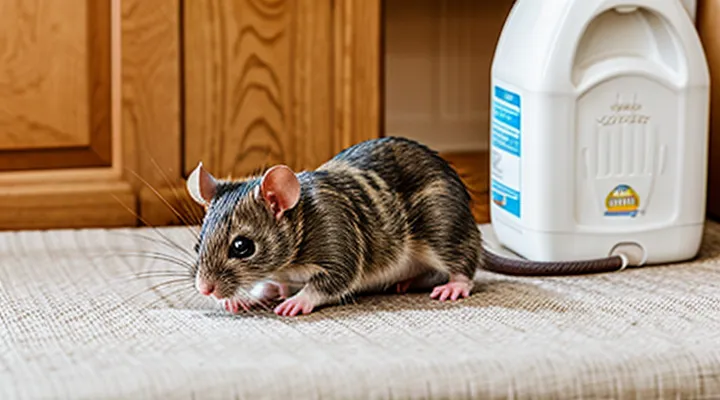
Understanding Rat Allergies
What Causes Rat Allergies?
Common Allergens
Allergic reactions to pet rats arise from several well‑identified proteins that become airborne or contact the skin. These proteins are found in the animal’s urine, saliva, dander, and in materials that accumulate in the cage.
- Urine proteins (e.g., Rat n allergen) – primary source of airborne particles.
- Salivary proteins – transferred to fur during grooming, released as dander.
- Dander – microscopic skin flakes coated with saliva and urine residues.
- Bedding fibers – absorb urine and saliva, then disperse allergenic particles.
- Feed particles – can carry residual proteins and dust.
When inhaled or contacted, the listed allergens stimulate IgE‑mediated immune responses, leading to nasal congestion, watery eyes, coughing, wheezing, and skin irritation. Sensitization may develop after repeated low‑level exposure, with severity increasing as the immune system becomes more reactive.
Preventive measures focus on reducing the presence of these proteins in the environment:
- Clean the cage daily; replace bedding weekly with low‑dust material.
- Use sealed containers for feed; avoid scattering.
- Wash hands after handling the animal or cleaning the cage.
- Employ HEPA filtration in rooms where the rat lives.
- Restrict the rat’s access to bedrooms and upholstered furniture.
By targeting the specific sources of rat‑derived allergens, exposure can be minimized, decreasing the likelihood of symptom onset and supporting long‑term management of rat‑related allergy.
Proteins in Urine, Saliva, and Dander
Allergic reactions to pet rats are triggered by specific proteins released in urine, saliva, and dander. These proteins act as allergens that bind to immunoglobulin E (IgE) on the surface of mast cells, initiating the release of histamine and other mediators responsible for clinical symptoms.
Urine contains the major allergen Rat n1, a 13‑kDa protein that remains stable after drying and can become airborne as aerosolized particles. Saliva contributes Rat n2, a 24‑kDa protein with high solubility, which transfers to fur during grooming and subsequently sheds into the environment. Dander, composed of microscopic skin flakes, carries Rat n3, a 15‑kDa protein that persists on surfaces and in dust.
Key characteristics of these allergens:
- Small molecular weight enables suspension in air and deep penetration into the respiratory tract.
- Resistance to degradation allows accumulation in bedding, cages, and household textiles.
- Cross‑reactivity with proteins from other rodents can amplify sensitization in individuals already exposed to mice or hamsters.
Preventive strategies focus on minimizing exposure to the identified proteins:
- Frequent cleaning of cages with detergent‑based solutions to dissolve urine residues and remove saliva‑laden fur.
- Use of high‑efficiency particulate air (HEPA) filters to capture airborne dander and aerosolized urine proteins.
- Regular laundering of bedding and clothing at temperatures above 60 °C to denature protein structures.
- Installation of barrier enclosures that limit direct contact and reduce the spread of contaminants to living areas.
- Application of hypoallergenic covers on furniture and mattresses to prevent accumulation of settled dander.
Monitoring allergen levels with immunoassay kits that detect Rat n1, Rat n2, and Rat n3 provides objective data for adjusting cleaning protocols and assessing the effectiveness of preventive measures. Implementing these actions reduces the likelihood of respiratory and dermatological symptoms associated with rat exposure.
Who is at Risk?
Pet Owners
Pet owners who keep rats should recognize the signs of an allergic response and adopt measures to reduce exposure. Common manifestations include:
- Sneezing, nasal congestion, or runny nose
- Itchy, watery eyes
- Skin irritation or hives after handling
- Coughing, wheezing, or shortness of breath
- Asthma attacks triggered by rat dander, urine, or saliva
These symptoms may appear shortly after contact or develop gradually with repeated exposure. Prompt identification allows timely medical intervention and prevents escalation.
Prevention strategies for owners:
- Maintain a clean cage: clean bedding, remove droppings, and wash accessories weekly with mild detergent.
- Use high‑efficiency particulate air (HEPA) filters in rooms where rats are housed to capture airborne allergens.
- Limit direct skin contact: wear disposable gloves when cleaning or handling the animal, and wash hands thoroughly afterward.
- Restrict rat access: keep cages out of bedrooms and away from upholstered furniture.
- Implement personal protective equipment for sensitive individuals, such as masks with particulate filtration during cage maintenance.
- Seek professional allergy testing if symptoms persist, and discuss immunotherapy options with a healthcare provider.
Consistent application of these practices reduces allergen levels, protects respiratory health, and supports a safe environment for both pets and their owners.
Laboratory Workers
Laboratory personnel who work with domestic rats are exposed to rodent allergens that can trigger respiratory and cutaneous reactions. Repeated handling, cage cleaning, and exposure to bedding increase the likelihood of sensitization.
Common manifestations include:
- Sneezing, nasal congestion, or rhinorrhea
- Itchy, watery eyes
- Cough, wheezing, or shortness of breath
- Skin redness, itching, or hives at points of contact
- Asthmatic episodes requiring medication
Effective mitigation relies on a combination of engineering controls, personal protective equipment, and administrative measures. Recommended actions are:
- Install high‑efficiency particulate air (HEPA) filtration in animal rooms and workstations.
- Use sealed cages and perform cleaning in ventilated hoods to limit aerosolized dander.
- Wear disposable gloves, lab coats, and respiratory protection when handling rats or their bedding.
- Implement routine environmental cleaning schedules that reduce allergen accumulation.
- Conduct regular health screenings for staff and maintain a record of allergic symptoms.
- Provide training on proper donning and doffing of protective gear and on recognizing early signs of allergy.
Adherence to these protocols reduces incidence of rat‑related allergic responses and supports a safe working environment for researchers and technicians.
Identifying Symptoms of Rat Allergy
Respiratory Symptoms
Sneezing and Runny Nose
Sneezing and a watery nasal discharge are common immediate reactions when individuals are sensitized to proteins found in domestic rat dander, urine, or saliva. Exposure to these allergens triggers histamine release from mast cells in the nasal mucosa, leading to rapid contraction of the nasal muscles and increased mucus production.
The physiological sequence begins with airborne particles depositing on the nasal epithelium, where IgE antibodies bind to allergen fragments. This interaction activates basophils and mast cells, causing degranulation and the release of inflammatory mediators such as histamine, leukotrienes, and prostaglandins. The resulting vasodilation and glandular hyperactivity produce the characteristic sneeze reflex and clear, thin nasal secretions.
Preventive actions focus on minimizing allergen contact and stabilizing nasal responses:
- Keep rat cages sealed; use high‑efficiency particulate air (HEPA) filters in rooms where rats are housed.
- Perform regular cleaning with damp cloths to reduce airborne dander; avoid dry sweeping or vacuuming without HEPA filtration.
- Restrict rat access to sleeping areas; maintain separate ventilation zones for animal rooms.
- Employ personal protective equipment (gloves, masks with N95 rating) during handling or cage maintenance.
- Consider prophylactic antihistamine therapy under medical supervision to dampen histamine‑mediated nasal symptoms.
Implementing these measures reduces the frequency and intensity of sneezing and runny nose episodes associated with rat‑related allergic reactions.
Coughing and Wheezing
Coughing and wheezing frequently appear as the first respiratory signs of sensitization to proteins found in domestic rat dander, urine, and saliva. Exposure to these allergens triggers an IgE‑mediated inflammatory cascade that narrows airways and increases mucus production, leading to the characteristic dry or productive cough and high‑pitched wheeze audible during exhalation.
The underlying mechanism involves mast‑cell degranulation in the bronchial mucosa, release of histamine and leukotrienes, and subsequent bronchoconstriction. Repeated contact with contaminated bedding, cages, or airborne particles intensifies airway hyperresponsiveness, often converting intermittent coughing into a persistent symptom and producing wheeze that worsens at night or during physical exertion.
Clinical assessment should note the temporal relationship between symptom onset and rat exposure, the presence of other allergic manifestations such as rhinorrhea or skin eruptions, and the severity of respiratory distress. Objective confirmation relies on skin‑prick testing or serum‑specific IgE assays for rat allergens, complemented by spirometry that reveals reduced forced expiratory volume and a reversible obstruction pattern after bronchodilator administration.
Preventive and therapeutic actions focus on minimizing allergen load and controlling airway inflammation:
- Remove or relocate pet rats from living areas; if removal is not feasible, confine them to well‑ventilated, allergen‑sealed rooms.
- Implement daily cleaning of cages with disposable gloves; wash bedding, food dishes, and surrounding surfaces with hypoallergenic detergents.
- Install high‑efficiency particulate air (HEPA) filtration units in bedrooms and common rooms; replace filters regularly.
- Use allergen‑impermeable covers on mattresses, pillows, and upholstered furniture.
- Apply regular vacuuming with HEPA‑equipped vacuums to reduce settled particles.
- Administer inhaled corticosteroids or short‑acting bronchodilators as prescribed to alleviate bronchoconstriction during acute episodes.
- Conduct periodic medical reviews to adjust medication dosage and verify the effectiveness of environmental controls.
Consistent application of these measures reduces the frequency and intensity of cough and wheeze, lowers the risk of progression to chronic asthma, and improves overall respiratory health for individuals exposed to pet rats.
Shortness of Breath
Shortness of breath is a common respiratory manifestation of an allergic reaction to pet rats. The immune system mistakenly identifies rat proteins as harmful, releasing histamine and other mediators that cause airway narrowing, mucus production, and bronchial hyper‑responsiveness. Patients may experience a sudden onset of difficulty breathing, wheezing, or a feeling of tightness in the chest, especially after direct contact with the animal, cleaning its cage, or inhaling dust from bedding.
Diagnosis relies on a detailed exposure history, physical examination, and objective testing such as skin‑prick or serum‑specific IgE assays for rat allergens. Pulmonary function tests can quantify airflow limitation and confirm reversible obstruction typical of allergic asthma triggered by rat exposure.
Effective control of shortness of breath includes both medical treatment and exposure reduction:
- Use inhaled short‑acting bronchodilators for acute episodes; consider inhaled corticosteroids for persistent symptoms.
- Implement allergen‑avoidance strategies: keep rats in a separate, well‑ventilated room; use high‑efficiency particulate air (HEPA) filters; wash hands and change clothing after handling the animal.
- Regularly clean cages with low‑dust bedding and avoid aerosol‑generating activities such as shaking bedding.
- Restrict indoor access for the pet; maintain strict hand‑washing protocols for all household members.
- Consult an allergist for possible immunotherapy if symptoms persist despite avoidance measures.
Prompt recognition and combined pharmacologic and environmental interventions can prevent progression to severe respiratory compromise and improve quality of life for individuals sensitized to domestic rats.
Skin Reactions
Hives and Rashes
Hives and rashes represent the most frequent skin manifestations of a rat‑induced allergy. They appear after direct contact with the animal, inhalation of dander, or exposure to urine and saliva residues.
Typical features include raised, red welts (urticaria) that may merge into larger plaques, and maculopapular eruptions that can spread across the torso, arms, and neck. Itching is intense; lesions often develop within minutes to a few hours after exposure and may persist for several days.
Distinguishing rat‑related eruptions from other irritants requires a detailed exposure history and, when necessary, skin‑prick testing or specific IgE measurement.
Prevention strategies:
- Eliminate or limit direct handling of pet rats.
- Keep living areas free of rodent bedding, droppings, and urine; clean surfaces with a HEPA‑filtered vacuum and damp mop.
- Use disposable gloves and long‑sleeved clothing when cleaning cages.
- Install air purifiers equipped with HEPA filters to reduce airborne allergens.
- Consider allergen‑specific immunotherapy under medical supervision for persistent sensitivity.
Itching and Redness
Itching and redness constitute the most frequent cutaneous signs of a rat‑related allergic reaction. Contact with rat dander, urine proteins, or saliva can trigger IgE‑mediated histamine release, producing localized inflammation that appears as erythema and pruritus. Symptoms often emerge within minutes of exposure and may extend to surrounding skin areas if the allergen remains present. Dermatological examination typically reveals raised, pink patches with excoriations from scratching; laboratory confirmation may involve specific IgE testing or skin prick assessment.
Effective prevention focuses on minimizing allergen contact and strengthening skin barriers. Recommended measures include:
- Regularly wash hands and exposed skin after handling rats or cleaning cages.
- Use gloves and long sleeves when cleaning habitats; choose nitrile or latex material that resists permeation.
- Maintain cage hygiene by weekly deep cleaning, replacing bedding with low‑dust, hypoallergenic substrates.
- Install air purifiers with HEPA filters to reduce airborne dander in living spaces.
- Apply barrier creams or moisturizers containing ceramides to reinforce epidermal protection.
- Consult a healthcare professional for prophylactic antihistamines or topical corticosteroids if exposure cannot be eliminated.
Implementing these steps reduces the likelihood of itch‑induced skin damage and supports long‑term tolerance to pet rats.
Ocular Symptoms
Itchy, Watery Eyes
Itchy, watery eyes are a frequent manifestation of hypersensitivity to domestic rats. The reaction results from histamine release when airborne rodent proteins contact the ocular mucosa, producing inflammation, pruritus, and excessive lacrimation. Symptoms typically appear within minutes of exposure and may persist for several hours if the allergen source remains present.
Effective control relies on minimizing contact with rat-derived allergens and managing the ocular response:
- Keep the animal’s cage sealed; clean bedding, food, and water containers weekly with a HEPA‑filtered vacuum.
- Use air purifiers equipped with HEPA filters in rooms where rats are housed to reduce airborne particles.
- Wear protective goggles when cleaning cages or handling rodents to block direct exposure to irritants.
- Apply antihistamine eye drops or mast‑cell stabilizers at the first sign of irritation, following medical advice.
- Limit indoor access for rats; designate a single, well‑ventilated area for their enclosure.
Implementing these measures reduces the concentration of allergenic proteins, thereby decreasing the frequency and severity of ocular symptoms associated with rat allergy.
Swelling Around the Eyes
Swelling around the eyes is a common manifestation of hypersensitivity to proteins found in domestic rat dander, urine, and saliva. The edema typically appears as soft, painless puffiness that may extend to the eyelids and periorbital skin. It often develops within minutes to a few hours after exposure and can be accompanied by itching, redness, or a watery discharge. In severe cases, the swelling may impair vision or merge with other facial edema, indicating a systemic allergic response.
The underlying mechanism involves IgE‑mediated mast cell activation, which releases histamine and other inflammatory mediators. These substances increase vascular permeability, allowing fluid to accumulate in the periorbital tissue. Individuals with a history of atopy are more prone to this reaction, but even previously non‑sensitized persons can develop symptoms after repeated or high‑level contact with rat allergens.
Preventive actions focus on minimizing exposure and controlling the allergen load:
- Keep rat cages sealed and clean; wash bedding, food dishes, and accessories weekly with hot water and detergent.
- Use high‑efficiency particulate air (HEPA) filters in rooms where rats are housed to reduce airborne dander.
- Wear disposable gloves and a face shield when handling rats or cleaning cages.
- Restrict rat access to sleeping areas; store bedding and food supplies in sealed containers.
- Conduct regular skin‑prick or serum IgE testing for early detection of sensitization in high‑risk individuals.
Implementing these measures reduces the likelihood of periorbital edema and other allergic manifestations associated with domestic rat exposure.
Severe Allergic Reactions
Anaphylaxis: A Rare but Serious Risk
Anaphylaxis represents the most severe systemic manifestation of a rat‑related allergic response. It occurs when immunoglobulin E‑mediated sensitization to rodent proteins triggers a rapid release of mediators that compromise airway, cardiovascular, and cutaneous function.
Incidence remains low; most cases involve individuals with prior mild rat allergies, occupational exposure, or a history of other food or insect venom anaphylaxis. Sensitization intensity, repeated handling without protective barriers, and pre‑existing asthma increase vulnerability.
Typical manifestations develop within minutes of exposure and may include:
- Sudden onset of wheezing or throat tightness
- Rapid drop in blood pressure, dizziness, or loss of consciousness
- Generalized hives, swelling of lips or tongue, and flushing
- Nausea, vomiting, or abdominal cramps
Immediate treatment follows established emergency protocols:
- Administer intramuscular epinephrine (0.01 mg/kg, max 0.5 mg) without delay.
- Position the patient supine with legs elevated; monitor airway and circulation.
- Provide supplemental oxygen and establish intravenous access for fluid resuscitation.
- Deliver antihistamines and corticosteroids as adjuncts; do not replace epinephrine.
- Observe for at least four hours, as biphasic reactions can occur.
Preventive strategies focus on minimizing exposure and preparedness:
- Use disposable gloves, long sleeves, and masks when cleaning cages or handling rats.
- Implement strict hand‑washing routines after each contact.
- Conduct periodic skin‑prick or serum IgE testing for high‑risk individuals.
- Keep an epinephrine auto‑injector readily accessible; train all household members in its use.
- Limit indoor rat presence to well‑ventilated areas and maintain regular cleaning to reduce allergen load.
By recognizing the rare yet life‑threatening potential of rat‑induced anaphylaxis and applying immediate medical intervention alongside rigorous avoidance measures, the risk of fatal outcomes can be effectively controlled.
Diagnosing Rat Allergy
Medical History and Physical Examination
When evaluating a patient suspected of reacting to a pet rat, the clinician must obtain a focused medical history and perform a targeted physical examination.
Medical history
- Prior episodes of wheezing, coughing, nasal congestion, or skin rash after exposure to rodents.
- Timing of symptoms relative to contact with the animal (immediate vs. delayed).
- Frequency and duration of exposure (e.g., daily handling, occasional cleaning of cages).
- Known atopic conditions such as asthma, allergic rhinitis, eczema, or food allergies.
- Family history of allergic diseases.
- Current medications, especially antihistamines, corticosteroids, or bronchodilators.
- Occupational or environmental factors that could confound the presentation (e.g., dust, mold, other pets).
- Any previous skin-prick or serum-specific IgE testing for rodent allergens.
Physical examination
- Inspect the skin for urticaria, erythema, or eczema on areas commonly touched during handling.
- Auscultate the lungs for wheezes, rhonchi, or reduced breath sounds suggestive of bronchospasm.
- Examine the nasal mucosa for edema, rhinorrhea, or crusting.
- Assess the eyes for conjunctival injection or tearing.
- Palpate cervical lymph nodes for enlargement that may indicate a systemic response.
- Observe the patient’s respiratory rate and oxygen saturation to identify early hypoxemia.
Documenting these findings establishes a baseline for diagnosis, guides allergen-specific testing, and informs management strategies aimed at minimizing exposure and preventing future reactions.
Allergy Testing
Skin Prick Test
The skin prick test is the primary clinical tool for confirming sensitization to proteins found in domestic rats. It provides objective evidence that distinguishes true allergy from unrelated skin irritation.
During the procedure a sterile lancet introduces a minute amount of rat allergen extract onto the forearm or back. The needle creates a superficial puncture no deeper than the epidermis. After fifteen minutes the site is examined for a wheal‑and‑flare reaction. The test is performed by trained personnel, and emergency medication is kept on hand in case of systemic response.
Interpretation follows established criteria:
- Wheal diameter ≤3 mm: negative result, unlikely rat sensitization.
- Wheal diameter 3–5 mm: borderline, may require repeat testing or additional assays.
- Wheal diameter >5 mm with accompanying flare: positive result, indicates IgE‑mediated sensitivity.
A positive outcome guides preventive measures. Patients should avoid direct contact with rats, use protective gloves, and maintain rigorous household cleaning to reduce airborne dander. Immunotherapy may be considered for confirmed cases, but only after specialist evaluation. Regular re‑testing can track changes in sensitivity over time and inform adjustments to avoidance strategies.
Blood Test (IgE Antibody Test)
Allergic reactions to pet rats often require laboratory confirmation to distinguish true sensitization from unrelated respiratory problems. The IgE antibody blood test provides a specific measurement of immunoglobulin E directed against rat allergens.
The assay detects circulating IgE that binds to purified rat proteins or standardized extracts. A small venous sample is mixed with antigen-coated beads; bound IgE is quantified by fluorescence or enzymatic signal. Results are expressed in international units per milliliter (IU/mL) and compared with established reference ranges.
Interpretation follows a tiered scale: values below the laboratory cutoff indicate no detectable sensitization; low‑positive results suggest mild reactivity; moderate‑to‑high concentrations correlate with a higher probability of clinical symptoms upon exposure. Physicians must correlate numerical data with the patient’s history of rash, wheeze, or conjunctivitis after contact with rats.
Clinical applications
- Confirms sensitization when skin‑prick testing is unavailable or contraindicated.
- Guides avoidance strategies, such as restricting access to rat‑infested areas or implementing barrier methods.
- Informs eligibility for allergen‑specific immunotherapy, which can reduce symptom severity over time.
Limitations
- Positive IgE does not guarantee symptomatic allergy; asymptomatic sensitization occurs.
- Cross‑reactivity with other rodent or mammalian proteins may produce false‑positive results.
- Test accuracy depends on the quality of the antigen extract and laboratory standards.
When integrated with a detailed exposure assessment, the IgE antibody blood test enables precise diagnosis, supports targeted preventive measures, and assists clinicians in tailoring management plans for individuals reacting to domestic rats.
Prevention and Management Strategies
Reducing Allergen Exposure
Cleaning Protocols
Effective cleaning routines are essential for minimizing exposure to rat allergens and reducing the risk of allergic reactions.
Regular removal of visible debris prevents accumulation of dander, urine, and saliva, which contain the primary allergenic proteins. Use a disposable cloth or paper towel to wipe surfaces, then discard the material in a sealed bag.
Vacuuming should be performed daily with a HEPA‑filter vacuum. The filter captures particles as small as 0.3 µm, eliminating airborne allergen fragments that standard vacuums release back into the environment.
All cage components—bars, wheels, feeders, and bedding—must be washed with hot water (minimum 60 °C) and a mild detergent. Rinse thoroughly, then dry completely before reuse. Replace bedding weekly or sooner if soiled, and store fresh bedding in a sealed container.
Hard surfaces in the animal room, such as floors, countertops, and walls, require disinfection with an EPA‑approved allergen‑neutralizing cleaner. Apply the solution, allow the recommended contact time, and rinse if the product label advises.
Personal protective equipment reduces direct contact with allergens. Wear disposable gloves and a fitted N95 respirator when handling cages, bedding, or cleaning solutions. Dispose of gloves after each use and wash hands with soap and water before leaving the area.
A schedule summarizing key actions:
- Daily: HEPA vacuum, surface wipe‑down, hand wash.
- Weekly: Full cage wash, bedding replacement, disinfect hard surfaces.
- Monthly: Replace HEPA filter, deep clean ventilation ducts, inspect for hidden allergen reservoirs.
Adherence to these protocols limits airborne and contact exposure, thereby supporting individuals prone to rat‑related allergies and complementing broader preventive measures.
Air Purification
Airborne particles from rodent dander, urine, and droppings trigger allergic reactions in sensitive individuals. Effective air purification reduces the concentration of these allergens, lowering the likelihood of respiratory symptoms such as sneezing, wheezing, and nasal congestion.
High‑efficiency particulate air (HEPA) filters capture particles as small as 0.3 µm with 99.97 % efficiency. When placed in rooms where rats are housed, HEPA units remove dander, hair, and dust that contain allergenic proteins. Activated‑carbon layers complement HEPA filtration by adsorbing volatile organic compounds and odor molecules produced by rodent waste.
Proper deployment of air purifiers follows these guidelines:
- Select a unit rated for the room’s square footage; undersized devices allow allergen buildup.
- Position the purifier centrally, away from walls, to promote uniform airflow.
- Run the device continuously during periods of rodent exposure; intermittent use reduces effectiveness.
- Replace filters according to manufacturer recommendations, typically every 6–12 months, to maintain capture efficiency.
- Combine filtration with regular cage cleaning and ventilation to prevent re‑contamination.
Air purification does not replace personal protective measures such as gloves, masks, and thorough hand washing. Integrated with cleaning routines and environmental controls, it forms a practical component of a comprehensive strategy to manage rat‑related allergies.
Limiting Direct Contact
Limiting direct contact reduces exposure to rat dander, saliva, and urine, the primary sources of allergenic proteins. Minimizing skin-to-fur interaction prevents the transfer of these particles to the hands and clothing, which can later be inhaled or cause skin reactions.
Practical measures:
- Wear disposable gloves when cleaning cages or handling the animal.
- Use a dedicated apron or lab coat that remains in the pet area.
- Wash hands with soap and water immediately after any contact, even when gloves are used.
- Keep the rat in a sealed enclosure; avoid free‑range access to living spaces.
- Employ a barrier such as a clear plastic cover on the cage to limit accidental touches.
- Restrict pet access to the rat’s habitat; maintain separate zones for human activity.
- Install high‑efficiency particulate air (HEPA) filters in rooms where the cage is kept to capture airborne allergens.
- Limit the duration of handling sessions; brief, purposeful interactions lower cumulative exposure.
Consistent application of these steps lowers the probability of sensitization and mitigates the severity of allergic manifestations.
Medications for Symptom Relief
Antihistamines
Antihistamines are pharmacological agents that counteract the effects of histamine released during an allergic response to domestic rat dander, saliva, or urine. By binding to H1 receptors, they prevent the cascade that leads to itching, sneezing, nasal congestion, and ocular irritation. Oral tablets, liquid formulations, and intranasal sprays provide flexible administration routes for individuals with varying severity of symptoms.
Effective use of antihistamines in managing rat‑related allergies includes the following considerations:
- First‑generation agents (e.g., diphenhydramine, chlorpheniramine) act quickly but may cause sedation; they are suitable for occasional, short‑term relief.
- Second‑generation agents (e.g., cetirizine, loratadine, fexofenadine) offer prolonged symptom control with minimal drowsiness; they are preferred for daily prophylaxis.
- Intranasal sprays (e.g., azelastine) target nasal mucosa directly, reducing congestion and rhinorrhea without systemic side effects.
- Dosage timing: administer 30 minutes before anticipated exposure to rats to achieve peak plasma concentration during contact.
- Contraindications: avoid use in patients with known hypersensitivity to the drug, severe hepatic impairment, or concurrent use of monoamine‑oxidase inhibitors.
- Monitoring: evaluate symptom reduction after one week; adjust dose or switch class if relief is insufficient.
Integrating antihistamines with environmental control measures—such as regular cage cleaning, air filtration, and limiting direct contact—optimizes prevention of allergic episodes in rat owners and laboratory personnel.
Decongestants
Decongestants are pharmacologic agents that reduce nasal swelling by constricting blood vessels in the mucosal lining. In individuals who react to proteins shed by pet rats, nasal congestion commonly appears alongside sneezing, itching, and watery discharge. By limiting vasodilation, decongestants alleviate obstruction, improve airflow, and lessen the sensation of a blocked nose.
Effective use of decongestants requires adherence to dosage limits and awareness of contraindications. Oral formulations such as pseudo‑pseudoephedrine and phenylephrine, as well as intranasal sprays containing oxymetazoline or xylometazoline, are available. Recommended maximum daily doses are:
- Pseudo‑pseudoephedrine tablets: 240 mg total per day.
- Phenylephrine tablets: 60 mg total per day.
- Oxymetazoline nasal spray: no more than two sprays per nostril every 12 hours, not exceeding three days of continuous use.
Short‑term application (up to three days) prevents rebound congestion, a condition where nasal passages swell again after the medication wears off. Prolonged use can lead to tachyphylaxis, increased blood pressure, and cardiac arrhythmias, especially in patients with hypertension or cardiovascular disease.
When decongestants are combined with other allergy treatments, such as antihistamines or intranasal corticosteroids, symptom control improves without exceeding safety thresholds. Antihistamines address histamine‑mediated itching and sneezing, while corticosteroids reduce inflammatory cell infiltration. The synergistic effect diminishes overall nasal resistance and supports environmental control measures, such as regular cleaning of rat cages and use of high‑efficiency air filters.
Patients should consult a healthcare professional before initiating decongestant therapy, particularly if they are pregnant, nursing, or taking monoamine‑oxidase inhibitors. Proper selection, dosing, and monitoring ensure that decongestants contribute effectively to managing rat‑related allergic rhinitis while minimizing adverse outcomes.
Corticosteroids
Corticosteroids are a primary pharmacologic option for controlling inflammatory responses triggered by exposure to pet rat allergens. Their mechanism involves suppression of cytokine production and inhibition of leukocyte migration, which reduces airway hyper‑reactivity, nasal congestion, and skin eruptions.
Administration routes include oral tablets, intranasal sprays, topical creams, and inhaled aerosols. Selection depends on the organ system affected and the severity of the reaction. Short‑course oral prednisone (5–20 mg daily for 5–7 days) is effective for acute exacerbations, while low‑dose intranasal fluticasone (50–200 µg per nostril once daily) maintains control of chronic rhinitis. Topical hydrocortisone (0.5–1 %) treats localized dermatitis, and inhaled budesonide (200–400 µg twice daily) addresses asthma‑like symptoms.
Indications for corticosteroid therapy in rat‑related allergy:
- Acute systemic or respiratory symptoms unresponsive to antihistamines
- Persistent nasal obstruction despite environmental measures
- Severe cutaneous inflammation covering more than 10 % of body surface
Potential adverse effects require regular assessment:
- Hyperglycemia, especially in patients with diabetes
- Osteopenia with prolonged high‑dose oral therapy
- Localized irritation or fungal overgrowth from intranasal or topical use
- Suppression of hypothalamic‑pituitary‑adrenal axis in long‑term systemic treatment
Monitoring protocols typically involve blood glucose checks, bone density scans annually, and periodic evaluation of growth in pediatric patients. Dose tapering is recommended after symptom resolution to minimize withdrawal phenomena.
Integrating corticosteroids into a broader management plan supports allergen avoidance strategies such as regular cage cleaning, use of HEPA filters, and limiting direct contact. Controlled pharmacologic intervention reduces the frequency of flare‑ups, allowing environmental controls to be more effective and decreasing the overall burden of rat‑induced allergic disease.
Immunotherapy
Allergy Shots (Desensitization)
Allergy shots, also known as allergen immunotherapy, introduce gradually increasing amounts of rat‑derived proteins to the immune system. The goal is to shift the body’s response from an IgE‑mediated reaction to a more tolerant IgG profile, thereby reducing the severity of respiratory and cutaneous symptoms caused by exposure to domestic rats.
The typical regimen includes:
- An initial buildup phase with weekly injections, each containing a slightly higher concentration of rat allergen extract.
- A maintenance phase with injections every 4‑6 weeks, sustaining the desensitized state.
- A treatment duration of 3‑5 years, after which many patients maintain reduced reactivity without further therapy.
Clinical outcomes show:
- Decreased frequency of sneezing, nasal congestion, and itchy eyes after contact with rats.
- Lower incidence of skin rashes, hives, and eczema flare‑ups linked to rodent allergens.
- Reduced reliance on antihistamines and corticosteroid nasal sprays.
Safety considerations:
- Reactions may include localized swelling, redness, or transient wheezing; severe anaphylaxis is rare when administered by trained professionals.
- Patients with uncontrolled asthma or cardiovascular disease should undergo medical evaluation before initiating therapy.
- Continuous monitoring during the buildup phase allows dose adjustments to minimize adverse events.
Allergy shots complement environmental control measures such as regular cage cleaning, HEPA filtration, and limiting indoor rat exposure. By modifying the immune response, immunotherapy offers a long‑term strategy that can diminish symptom burden and lessen the need for daily pharmacologic prevention.
Alternative Pet Considerations
Hypoallergenic Options
Allergic reactions to pet rats can be managed by selecting hypoallergenic alternatives that reduce exposure to common allergens such as dander, urine proteins, and saliva residues. These options focus on minimizing airborne particles, limiting direct contact, and controlling environmental factors that trigger symptoms.
- Choose rat strains reported to produce lower levels of allergenic proteins, such as certain albino or hairless varieties. These breeds shed less fur and generate reduced dander concentrations.
- Substitute traditional wood shavings with dust‑free bedding materials like paper pulp, hemp, or aspen chips. Low‑dust substrates limit aerosolized particles that provoke respiratory irritation.
- Implement air purification systems equipped with HEPA filters in rooms where rats are housed. Continuous filtration removes microscopic allergens from the breathing zone.
- Maintain a strict cleaning schedule: weekly cage cleaning, daily removal of waste, and regular washing of soft furnishings. Prompt sanitation prevents accumulation of allergen‑laden residues.
- Consider barrier methods, including gloves and disposable sleeves, when handling rats. Protective clothing prevents direct skin contact with saliva and urine proteins.
- Evaluate alternative small‑animal companions, such as hypoallergenic guinea pigs or certain reptile species, for individuals whose sensitivity remains high despite mitigation measures.
Adopting these strategies reduces the intensity and frequency of allergic manifestations while preserving the benefits of pet ownership.
Living with Rat Allergies
Creating an Allergy-Friendly Home
Rats can trigger IgE‑mediated responses that affect the respiratory tract, skin, and eyes. Reducing exposure within the residence is essential for individuals prone to these reactions.
- Seal cracks, gaps, and openings around doors, windows, and utility penetrations to prevent rodent entry.
- Install airtight, washable covers on mattresses, pillows, and upholstered furniture; launder covers weekly in hot water.
- Choose flooring that can be vacuumed or mopped without accumulating dust; avoid wall-to-wall carpeting unless it is low‑pile and regularly cleaned with a HEPA‑filter vacuum.
- Store food in sealed containers; eliminate crumbs and spills promptly to remove attractants.
- Maintain a strict cleaning schedule: damp‑wipe surfaces, vacuum with HEPA filtration, and dispose of waste in sealed bags.
- Use air purifiers equipped with HEPA filters in bedrooms and living areas; replace filters according to manufacturer recommendations.
- Keep pets that may carry rat allergens (e.g., cats, dogs) out of sleeping zones; wash their bedding regularly.
- Employ integrated pest management: set traps or bait stations in inaccessible areas, monitor activity, and engage professional services when infestations are detected.
Implementing these measures creates an environment that minimizes allergen load, supports symptom control, and reduces the likelihood of new sensitizations. Regular assessment of indoor air quality and prompt remediation of any rodent activity sustain the protective effect.
Communicating with Healthcare Providers
Effective dialogue with medical professionals is essential when managing allergic reactions to pet rats. Precise information enables accurate diagnosis, appropriate testing, and targeted prevention strategies.
- Record specific symptoms: timing, severity, skin manifestations, respiratory changes, and any systemic effects.
- Identify exposure details: frequency of contact, duration of handling, indoor versus outdoor environments, and recent changes in pet care routines.
- Bring relevant documentation: previous allergy test results, medication history, and any over‑the‑counter treatments used during episodes.
- Describe preventive measures already attempted: cleaning protocols, use of barriers such as gloves, and environmental modifications.
- Ask focused questions: which diagnostic tests are recommended, what pharmacologic options are suitable, and how to develop an individualized avoidance plan.
- Request a written action plan: emergency steps, medication dosages, and criteria for seeking immediate care.
Clear, concise communication reduces misinterpretation, accelerates appropriate interventions, and supports long‑term management of rat‑related allergic conditions.