
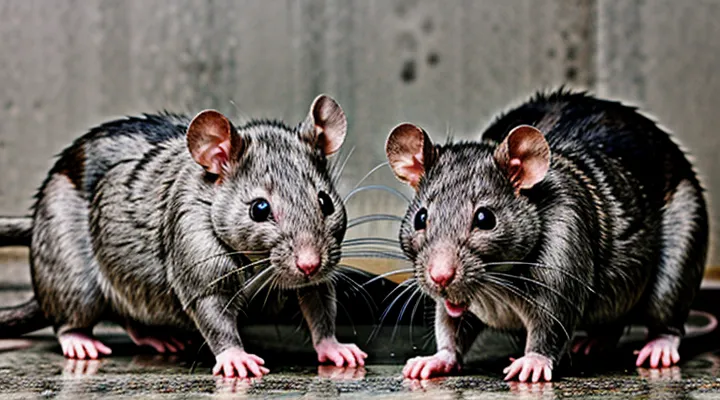
Understanding Rat Fur Pigmentation
The Role of Melanin in Hair Color
Eumelanin and Pheomelanin
Eumelanin and pheomelanin are the two primary pigments determining the coloration of rodent fur. Eumelanin, a dark polymer, absorbs a broad spectrum of visible light, producing black or brown shades. Pheomelanin, a lighter polymer containing sulfur, reflects more light and yields red, yellow, or cream tones. The relative proportion of these pigments in each hair shaft sets the initial hue of a rat’s coat.
During the lifespan of a rat, melanocyte activity declines. Reduced synthesis of eumelanin diminishes the intensity of dark hair, while the stability of pheomelanin remains comparatively constant. Oxidative stress, accumulation of reactive oxygen species, and decreased expression of the enzyme tyrosinase contribute to the selective loss of eumelanin. As a result, hair shafts contain a higher fraction of pheomelanin or become depigmented, giving the appearance of gray fur.
Key biochemical changes associated with aging fur:
- Down‑regulation of tyrosinase and related enzymes that catalyze eumelanin production.
- Increased melanosome degradation within melanocytes, preferentially affecting eumelanin granules.
- Elevated levels of hydrogen peroxide in skin tissue, which oxidizes eumelanin precursors and impedes polymerization.
- Persistent synthesis of pheomelanin due to its distinct enzymatic pathway, maintaining residual color.
The shift in pigment composition explains why older rats display a gradual transition from dark to gray coats. Monitoring eumelanin and pheomelanin levels provides a reliable indicator of melanocyte health and the biochemical impact of aging on rodent integument.
Melanocytes: The Pigment Producers
Melanocytes are specialized cells located in the basal layer of the epidermis and hair follicles of rats. Their primary function is the synthesis of melanin pigments, which determine the coloration of fur. Melanin production follows a biochemical pathway that begins with the conversion of the amino acid tyrosine into dopa and subsequently into dopaquinone, a reaction catalyzed by the enzyme tyrosinase. The downstream processing of dopaquinone yields two major pigment types:
- Eumelanin – dark brown to black pigment, responsible for the typical brown or black coat of young rats.
- Pheomelanin – reddish‑yellow pigment, contributing to lighter shades and patterns.
In mature rats, several age‑related alterations affect melanocyte activity:
- Reduced tyrosinase expression – lowers overall melanin output, diminishing pigment density in hair shafts.
- Stem cell exhaustion – depletion of melanocyte precursor pools in hair follicles limits the replacement of functional melanocytes during successive hair cycles.
- Oxidative stress accumulation – reactive oxygen species damage melanosomes and impair pigment synthesis pathways.
- Altered microenvironment – changes in extracellular matrix composition and cytokine signaling disrupt melanocyte adhesion and survival.
These mechanisms collectively result in a gradual loss of pigment deposition, producing the characteristic gray or silver fur observed in aging rats. The decline in melanocyte function is a direct physiological contributor to the observable color shift, independent of external factors such as diet or lighting conditions.
The Aging Process and Its Impact on Fur
Mechanisms of Graying in Mammals
Melanocyte Stem Cell Depletion
Melanocyte stem cells reside in the hair follicle bulge and continuously replenish pigment‑producing melanocytes during each growth cycle. With advancing age, the pool of these stem cells declines markedly. Cellular senescence, DNA damage, and altered niche signaling reduce the capacity of the stem cell compartment to self‑renew, leading to fewer functional melanocytes entering the follicle. The resulting deficit in melanin synthesis manifests as a progressive loss of dark pigmentation and the appearance of gray or white fur in older rats.
Experimental studies demonstrate that aged rats exhibit a 40–60 % reduction in melanocyte stem cell numbers compared to young adults. Flow cytometry of follicular cells shows diminished expression of stem‑cell markers such as Kit and Sox10, while lineage‑tracing experiments reveal shortened proliferative bursts during successive hair cycles. These observations correlate with measurable decreases in eumelanin concentration within the coat.
The depletion of melanocyte stem cells contributes to fur color change through several mechanisms:
- Insufficient melanocyte progeny fail to colonize the hair matrix, leaving hair shafts unpigmented.
- Remaining melanocytes produce lower levels of tyrosinase, reducing melanin synthesis efficiency.
- Altered microenvironmental cues, including reduced Wnt and BMP signaling, impair stem‑cell activation.
Therapeutic interventions that preserve stem‑cell viability—such as antioxidant supplementation, modulation of the Wnt pathway, or genetic enhancement of DNA repair enzymes—have been shown to delay greying in rodent models. Maintaining a robust melanocyte stem‑cell reservoir therefore represents a critical factor in preventing age‑related fur depigmentation.
Oxidative Stress and Melanocyte Damage
Oxidative stress accumulates in aging rodents as mitochondrial efficiency declines and reactive oxygen species (ROS) increase. Elevated ROS directly attack melanocytes, the pigment‑producing cells in the skin and fur, causing lipid peroxidation, protein oxidation, and DNA damage. The resulting cellular injury interferes with melanin synthesis pathways.
Damage to melanocytes manifests through several biochemical disruptions:
- Inactivation of tyrosinase, the enzyme that catalyzes the rate‑limiting step of melanin production.
- Down‑regulation of microphthalmia‑associated transcription factor (MITF), reducing expression of pigment‑related genes.
- Induction of apoptotic signaling cascades that eliminate compromised melanocytes from the epidermal layer.
- Impairment of melanosome maturation, leading to incomplete pigment packaging.
Persistent oxidative injury reduces the melanocyte population and limits melanin output, producing the characteristic gray or white fur patches observed in senior rats. Antioxidant supplementation—such as dietary vitamin E, N‑acetylcysteine, or coenzyme Q10—has been shown to lower ROS levels, preserve melanocyte viability, and slow the progression of fur depigmentation in experimental studies.
Hormonal Influences on Pigmentation
Hormonal fluctuations accompany the senescence of laboratory rats and correlate with observable changes in coat pigmentation. Declining levels of melatonin, estrogen, and testosterone, together with altered cortisol and thyroid hormone concentrations, modify melanocyte activity and melanin synthesis, resulting in a gradual shift toward gray fur.
- Melatonin: reduction diminishes antioxidant protection, leading to melanin degradation.
- Estrogen: lower concentrations decrease melanocyte proliferation and melanin production.
- Testosterone: age‑related decline lessens stimulation of melanogenic pathways.
- Cortisol: chronic elevation suppresses melanocyte function and accelerates pigment loss.
- Thyroid hormones (T3, T4): dysregulation impairs enzymatic steps in melanin biosynthesis.
Melanocytes synthesize eumelanin and pheomelanin via the enzyme tyrosinase. Hormones regulate tyrosinase transcription, intracellular signaling cascades, and the balance between oxidative and reductive states. Decreased hormonal support reduces tyrosinase activity, limits melanin polymerization, and promotes the replacement of pigmented hairs with unpigmented or lightly pigmented shafts.
Understanding these endocrine mechanisms clarifies why aging rats display progressive graying and informs experimental designs that monitor hormonal status alongside coat color metrics.
Specific Factors in Rats
Genetic Predisposition to Premature Graying
Genetic predisposition significantly influences the onset of premature fur graying in rats. Certain alleles encode enzymes that regulate melanin synthesis, and variations in these genes can reduce pigment production well before typical senescence.
Key genetic components include:
- Mutations in the Tyrosinase (TYR) gene that lower catalytic efficiency, directly diminishing melanin formation.
- Polymorphisms in the Melanocortin 1 Receptor (MC1R) gene that shift signaling toward pheomelanin, resulting in lighter fur.
- Deletions or copy‑number variations in the SLC45A2 gene, affecting melanosome maturation and pigment transport.
- Epigenetic modifications of the MITF promoter that suppress transcription of melanogenic factors.
Inheritance patterns often follow autosomal recessive or incomplete dominant models, producing observable phenotypes in heterozygous carriers under stress or dietary deficiency. Cross‑breeding studies confirm that progeny inheriting two defective alleles display gray fur as early as four weeks of age, whereas littermates with at least one functional allele retain normal coloration.
Environmental interactions exacerbate genetic effects. Oxidative stress, deficient copper intake, and chronic inflammation accelerate melanocyte apoptosis in genetically susceptible individuals, hastening pigment loss. Selective breeding for resistance to these stressors can mitigate early graying, underscoring the practical relevance of genetic screening in laboratory rat colonies.
Environmental Stressors and Their Contribution
Environmental factors accelerate the loss of melanin in the coats of senior rats, contributing to the observable shift toward gray fur. Chronic exposure to suboptimal temperatures, excessive ultraviolet radiation, dietary imbalances, chemical contaminants, and overcrowded housing each imposes physiological stress that interferes with pigment production.
- Low ambient temperature reduces enzymatic activity in melanocytes, diminishing melanin synthesis.
- Ultraviolet light generates reactive oxygen species that damage melanocyte DNA and impair melanin assembly.
- Diets deficient in essential amino acids, copper, or vitamin E limit the substrates required for tyrosinase function, weakening pigment formation.
- Persistent contact with heavy metals, pesticides, or industrial solvents induces oxidative stress that accelerates melanocyte apoptosis.
- High population density elevates cortisol levels, suppressing melanocyte proliferation and promoting premature graying.
The common pathway among these stressors is heightened oxidative stress, which overwhelms the antioxidant defenses of skin cells. Elevated reactive oxygen species damage the melanosomes and trigger programmed cell death of melanocytes, resulting in a reduced supply of pigmented hair follicles. In older rats, the regenerative capacity of melanocyte stem cells is already compromised; external stressors exacerbate this limitation, leading to a faster onset of gray fur.
Recognizing the impact of environmental stressors informs husbandry practices and experimental design. Maintaining stable temperatures, providing UV‑filtered lighting, ensuring nutritionally complete feed, minimizing exposure to toxic agents, and reducing crowding can mitigate premature depigmentation and preserve coat coloration in aging laboratory rats.
Nutritional Deficiencies Affecting Coat Health
Rats experience a gradual loss of pigment as they age, and inadequate nutrition can accelerate this process. Essential nutrients support melanin synthesis, hair follicle integrity, and overall coat condition; deficiencies compromise these mechanisms and manifest as premature graying.
Key dietary components influencing coat coloration include:
- Vitamin A – required for keratinocyte differentiation; deficiency reduces melanocyte activity.
- Vitamin B12 and folate – participate in DNA synthesis within pigment‑producing cells; low levels impair melanin production.
- Copper – cofactor for tyrosinase, the enzyme that converts tyrosine to melanin; insufficient copper diminishes pigment formation.
- Zinc – stabilizes protein structures in hair shafts; deficiency leads to brittle fur and weakened pigment retention.
- Essential fatty acids (Omega‑3, Omega‑6) – maintain skin barrier function and support inflammatory balance; deficits promote oxidative stress that degrades melanin.
When these nutrients are lacking, the following physiological changes occur:
- Reduced activity of tyrosinase and other enzymes directly involved in melanin synthesis.
- Impaired proliferation of melanocytes, limiting the supply of pigment cells to hair follicles.
- Increased oxidative damage to existing melanin, accelerating its breakdown.
- Structural weakening of hair fibers, making them more susceptible to discoloration.
Correcting nutritional gaps through balanced diets or targeted supplementation can restore melanin production capacity and improve coat quality. Regular monitoring of dietary intake, coupled with periodic blood tests for vitamin and mineral levels, provides a practical strategy to mitigate early gray hair in aging rats.
Beyond Aesthetics: Health Implications
Gray Fur as a Biomarker of Aging
Gray fur in rats serves as a reliable visual indicator of physiological aging. The shift from pigmented to gray hair results from a gradual reduction in melanin synthesis within hair follicles. This decline is driven by cumulative oxidative damage to melanocyte stem cells, diminished activity of the enzyme tyrosinase, and age‑related alterations in the hormonal milieu, particularly decreased levels of melatonin and growth hormone.
Researchers exploit gray fur as a non‑invasive biomarker to track age‑associated changes in experimental cohorts. Its advantages include:
- Immediate identification of senior individuals without anesthesia or blood sampling.
- Correlation with established molecular markers such as p16^Ink4a expression and telomere shortening.
- Compatibility with longitudinal studies, allowing repeated observations of the same subjects.
Quantitative assessment of fur coloration employs spectrophotometric analysis or digital imaging calibrated against standardized gray scales. Data derived from these measurements can be integrated with physiological parameters—body weight, locomotor activity, and cognitive performance—to construct comprehensive aging profiles.
Limitations of gray fur as an aging marker include strain‑specific pigmentation patterns, environmental influences on coat color (e.g., UV exposure), and the possibility of premature graying caused by genetic mutations or chronic stress. Consequently, gray fur should be interpreted alongside complementary biomarkers to ensure accurate age estimation.
Associated Health Conditions in Older Rats
Impact on Skin Health
The loss of melanin in the coat of senior rodents coincides with measurable alterations in dermal structure. As pigment cells diminish, the epidermis becomes more permeable, allowing increased ultraviolet penetration and accelerating collagen degradation. This heightened exposure contributes to the formation of microlesions and delays the closure of existing wounds.
Reduced melanin also affects the skin’s antioxidant capacity. In the absence of pigment‑derived radicals, reactive oxygen species accumulate, promoting oxidative stress that impairs keratinocyte turnover and compromises barrier integrity. Consequently, aged rats exhibit:
- Thinner stratum corneum
- Lower hydration levels
- Elevated incidence of dermatitis
These changes predispose older individuals to secondary infections, as the compromised barrier facilitates bacterial colonization. Managing skin health in this population requires regular monitoring of moisture, protective shading, and topical agents that reinforce barrier function and neutralize oxidative damage.
Immune System Changes
Aging rats experience a decline in immune competence that influences pigment maintenance. Thymic involution reduces T‑cell output, lowering surveillance against melanocyte‑targeting antibodies. Reduced production of cytokines such as interferon‑γ hampers melanocyte survival, while increased levels of inflammatory mediators (e.g., IL‑6, TNF‑α) promote oxidative stress in hair follicles. Oxidative damage to melanocytes diminishes melanin synthesis, leading to the appearance of gray fur.
Key immune alterations linked to fur color change:
- Decreased naïve T‑cell pool due to thymic shrinkage.
- Shift toward a pro‑inflammatory cytokine profile (inflammaging).
- Impaired B‑cell function, resulting in altered autoantibody production.
- Elevated oxidative stress markers affecting melanocyte viability.
Collectively, these changes disrupt the regulatory environment that sustains pigment cells, contributing to the progressive loss of coloration in senior rats.