
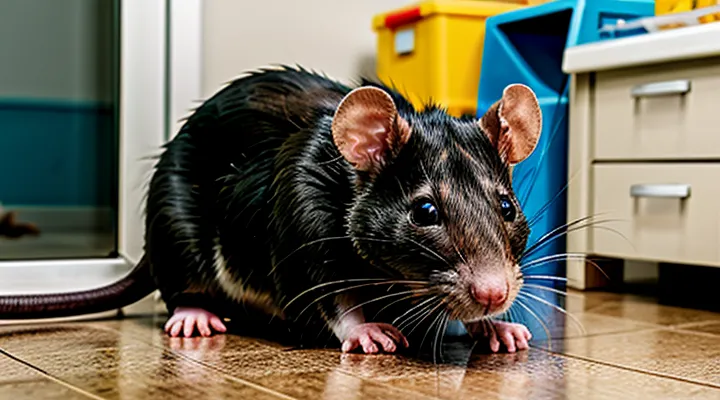
Understanding Rat Healthcare
Why Rats Need Specialized Veterinary Care
Rats possess unique anatomical and physiological characteristics that differ markedly from common household pets. Their small size, rapid metabolism, and delicate skeletal structure demand precise dosing, specialized equipment, and clinicians experienced in rodent anatomy. Failure to account for these factors can result in ineffective treatment or iatrogenic injury.
Key reasons for dedicated veterinary attention include:
- Species‑specific disease patterns – Rats are prone to conditions such as respiratory infections, gastrointestinal stasis, and neoplasia that present differently than in dogs or cats.
- Drug sensitivity – Many medications safe for larger mammals are toxic to rodents; dosage calculations must consider the rat’s high metabolic rate.
- Diagnostic challenges – Imaging and laboratory sampling require miniature tools and techniques to obtain reliable results without causing trauma.
- Preventive care – Routine health checks, dental assessments, and vaccination schedules differ from those of other pets and help extend lifespan.
Veterinary clinics that focus on small mammals maintain controlled environments, sterile surgical suites, and staff trained to handle rats calmly, reducing stress‑induced complications. Their expertise ensures accurate diagnosis, appropriate therapeutic protocols, and comprehensive wellness plans tailored to the rat’s biology.
Common Health Issues in Pet Rats
Respiratory Problems
Rats frequently develop respiratory conditions that can progress rapidly if untreated. Common clinical signs include nasal discharge, sneezing, labored breathing, audible wheezes, and reduced activity. Early detection relies on observation of these symptoms and prompt veterinary evaluation.
Primary causes encompass bacterial infections such as Mycoplasma pulmonis, viral agents like Sendai virus, fungal pathogens, and environmental factors including poor ventilation, high humidity, and dust-laden bedding. Stressors that compromise immunity also increase susceptibility.
Veterinary clinics specializing in exotic small mammals employ specific diagnostic tools: otoscopic and nasal examinations, radiography of the thoracic cavity, PCR testing for infectious agents, and culture of nasal swabs. These methods enable accurate identification of the etiologic agent and assessment of disease severity.
Treatment protocols combine antimicrobial therapy, supportive care, and environmental modification. Broad-spectrum antibiotics (e.g., doxycycline) target bacterial agents, while antifungal medications address fungal involvement. Nebulization with saline or bronchodilators alleviates airway obstruction. Adjusting cage conditions—enhancing airflow, reducing dust, and maintaining optimal temperature—prevents recurrence.
Top veterinary facilities recognized for rat respiratory care:
- Animal Specialty Hospital, New York, NY – comprehensive diagnostics, individualized antimicrobial regimens.
- Exotic Pet Clinic, Austin, TX – expertise in Mycoplasma management, advanced imaging.
- Small Mammal Veterinary Center, Chicago, IL – routine PCR screening, preventive health programs.
- West Coast Exotic Care, San Francisco, CA – integrated nebulization therapy, climate-controlled housing advice.
Tumors and Cancers
Rats frequently develop neoplasms, with fibrosarcomas, mammary adenocarcinomas, and lymphomas representing the most common malignancies. Early detection relies on physical examination, imaging (digital radiography, ultrasound, MRI), and histopathology obtained through fine‑needle aspiration or excisional biopsy.
Veterinary specialists in leading rat‑care facilities employ a range of therapeutic options:
- Surgical excision with wide margins, often followed by wound closure using absorbable sutures.
- Chemotherapy protocols that combine agents such as cyclophosphamide, vincristine, and doxorubicin, adjusted for the animal’s weight and renal function.
- Radiation therapy administered via linear accelerators, typically in fractionated doses to minimize tissue damage.
- Palliative care, including analgesics (buprenorphine, meloxicam) and anti‑inflammatory drugs, to improve quality of life.
Top clinics that focus on rodent medicine provide integrated services: comprehensive diagnostic work‑ups, multidisciplinary treatment planning, and post‑operative monitoring. They maintain sterile surgical suites, offer in‑house pathology review, and keep up‑to‑date drug formularies approved for small mammals. Clients receive detailed reports outlining tumor type, staging, and recommended interventions, allowing informed decisions about treatment pathways.
Dental Issues
Rats frequently develop dental problems that can affect feeding, weight, and overall health. Overgrown incisors, malocclusion, and abscesses are the most common conditions observed in laboratory and pet rodents. Excessive growth occurs because rat incisors grow continuously; without proper wear, the teeth can become sharp, cause oral trauma, and impede mastication.
Leading veterinary practices specializing in rodent care employ a combination of visual examination, sedation, and radiographic imaging to assess dental status. High‑resolution intraoral radiographs reveal root structure, bone involvement, and hidden lesions. Once a problem is identified, clinicians perform precise trimming or extraction using micro‑instruments under general anesthesia, followed by antimicrobial therapy when infection is present.
Preventive protocols include regular dental checks during routine health exams, provision of chewable enrichment to promote natural tooth wear, and dietary adjustments that encourage gnawing. Clinics also educate owners on signs of dental distress, such as drooling, reduced food intake, or facial swelling, enabling early intervention.
Key dental issues addressed by top rodent clinics:
- Overgrown incisors
- Malocclusion of cheek teeth
- Periodontal disease
- Dental abscesses
- Tooth fractures
Effective management combines accurate diagnosis, skilled surgical techniques, and owner guidance to maintain oral health and prevent complications in rats.
Finding the Right Veterinary Clinic
Qualities of a Good Exotics Veterinarian
Experience with Rodents
Veterinary practices that specialize in rat care rely on extensive rodent experience to deliver accurate diagnoses, effective surgeries, and reliable postoperative monitoring. Clinicians with a background in small‑animal exotic medicine understand the unique physiology of rodents, allowing swift identification of common ailments such as respiratory infections, gastrointestinal blockages, and dental disease.
Key components of rodent expertise include:
- Proficiency in anesthesia protocols tailored to the high metabolic rate of rats.
- Mastery of microsurgical techniques for delicate procedures, including tumor excision and organ repair.
- Familiarity with diagnostic imaging (micro‑CT, high‑resolution ultrasound) optimized for small body size.
- Implementation of enrichment and husbandry guidelines that reduce stress and improve recovery.
- Continuous education through workshops, peer‑reviewed research, and specialty certifications.
Practices that integrate these competencies report higher survival rates, reduced complication frequencies, and improved client confidence in rat health management.
Diagnostic Capabilities
Top veterinary clinics that specialize in rat care employ a comprehensive suite of diagnostic tools to identify diseases, assess organ function, and guide therapeutic decisions.
- Digital radiography for skeletal and thoracic evaluation.
- High‑frequency ultrasound enabling real‑time visualization of abdominal organs and cardiovascular structures.
- Hematology analyzers delivering complete blood counts with differential leukocyte profiling.
- Clinical chemistry platforms measuring electrolytes, liver enzymes, renal markers, and glucose.
- Microbiological cultures and sensitivity testing for bacterial, fungal, and viral agents.
- Parasite identification through fecal flotation and PCR‑based assays.
- Endoscopic equipment allowing direct examination of gastrointestinal tracts and airway passages.
- Molecular diagnostics, including quantitative PCR and next‑generation sequencing, for genetic and infectious disease detection.
Clinics maintain equipment calibration schedules, adhere to veterinary accreditation standards, and integrate laboratory results with electronic medical records to ensure rapid turnaround. Diagnostic protocols are tailored to the small size and rapid metabolism of rats, providing precise data that support effective treatment plans.
Treatment Options and Facilities
Top veterinary practices that specialize in rodent care provide comprehensive treatment options tailored to the unique physiology of rats. These clinics combine advanced diagnostics with targeted therapies to address common and complex conditions.
- Diagnostic services: full physical examination, blood panel, urinalysis, fecal parasite screening, radiography, ultrasound, and endoscopy.
- Medical management: antimicrobial therapy, analgesics, anti‑inflammatory drugs, fluid therapy, and nutritional supplementation.
- Surgical interventions: tumor excision, intestinal obstruction relief, reproductive sterilization, and corrective orthopedic procedures performed under microscopic guidance.
- Dental care: routine incisor trimming, pulp therapy, and extraction of damaged teeth to prevent malocclusion and associated systemic effects.
- Preventive programs: vaccination where applicable, parasite control, environmental enrichment counseling, and routine health monitoring schedules.
Facilities at these leading clinics are designed for small‑animal isolation and infection control. Features include:
- Dedicated rat‑specific examination rooms equipped with magnification lenses and micro‑instrument sets.
- Sterile surgical suites with temperature‑regulated micro‑operating tables and anesthesia delivery systems calibrated for low body mass.
- In‑patient wards offering individually ventilated cages, soft bedding, and temperature‑controlled enclosures to reduce stress and promote recovery.
- On‑site laboratories capable of rapid hematology and biochemistry analysis, minimizing sample transport time.
- Digital imaging stations with high‑resolution micro‑CT and fluoroscopy for detailed skeletal and soft‑tissue assessment.
By integrating specialized equipment, stringent hygiene protocols, and a multidisciplinary team of veterinary surgeons, internists, and dental specialists, these clinics ensure that rats receive precise, evidence‑based care throughout diagnosis, treatment, and recovery.
How to Research and Choose a Clinic
Online Reviews and Forums
Online reviews and discussion boards serve as primary sources of information for owners seeking veterinary services for rats. User‑generated content aggregates experiences across multiple clinics, allowing prospective clients to compare treatment quality without direct contact.
Common platforms include Google Business listings, Yelp, and niche forums such as Rat Care Community and Rodent Health Board. These sites compile ratings, written testimonials, and response times, providing a quantitative and qualitative snapshot of each practice’s performance.
Reviewers frequently assess specific factors: clinician expertise in exotic animal medicine, availability of specialized equipment, success rates for common rat ailments, and post‑treatment follow‑up. Consistent positive feedback on these criteria correlates with higher overall clinic rankings.
Key indicators to evaluate in online commentary:
- Certified exotic‑animal veterinarians on staff
- Documented success in treating respiratory, dental, and neoplastic conditions
- Transparent pricing and clear communication policies
- Prompt, detailed responses from clinic personnel to user inquiries
By systematically analyzing these elements within public reviews and forum discussions, rat owners can identify veterinary clinics that consistently deliver effective, specialized care.
Professional Organizations and Referrals
Professional associations such as the American Veterinary Medical Association (AVMA), the International Society of Laboratory Animal Medicine (ISLAM), and the American Association of Laboratory Animal Science (AALAS) set standards for rat care, certify practitioners, and provide continuing education. Membership in these bodies signals that a clinic adheres to recognized protocols for diagnostics, surgery, and preventive health in small‑rodent patients.
Referral networks operate through formal agreements between specialty hospitals and general veterinary practices. When a primary care veterinarian encounters a complex case—such as a respiratory infection resistant to standard therapy—they contact a referral center that offers advanced imaging, anesthesia monitoring, and surgical expertise for rats. These centers maintain up‑to‑date credentialing lists, ensuring that every referred specialist holds appropriate board certification and has completed recent training in exotic animal medicine.
Key benefits of engaging with professional societies and referral systems include:
- Access to peer‑reviewed treatment guidelines.
- Participation in research collaborations that improve therapeutic outcomes.
- Assurance of compliance with animal welfare regulations.
Initial Consultation and Clinic Visit
When a rat owner schedules an initial appointment at a leading veterinary practice specializing in small rodents, the visit follows a standardized protocol designed to assess health, establish a treatment plan, and educate the caretaker.
The veterinarian begins with a comprehensive history review. Information gathered includes the animal’s age, breed, diet, housing conditions, recent behavior changes, and any prior medical interventions. This data guides the physical examination and informs differential diagnoses.
The physical exam proceeds systematically:
- Visual assessment of coat, eyes, ears, and nose for signs of dermatitis, discharge, or lesions.
- Palpation of the abdomen to detect masses, organ enlargement, or pain response.
- Evaluation of limb movement, gait, and joint flexibility to identify musculoskeletal issues.
- Auscultation of heart and lungs to detect rhythm irregularities or respiratory sounds.
- Oral inspection for dental overgrowth, ulceration, or foreign bodies.
Diagnostic tools are employed as needed. Commonly used methods include:
- Microbial cultures from swabs of the skin, ears, or respiratory tract.
- Blood sampling for complete blood count and biochemical panel.
- Radiography or micro‑CT to visualize skeletal and internal structures.
- Fecal flotation to detect parasites.
After data collection, the veterinarian discusses findings with the owner, outlines a treatment plan, and provides written instructions on medication dosages, environmental enrichment, nutrition, and preventive care. The clinic may schedule follow‑up appointments to monitor response to therapy and adjust protocols accordingly.
Top Veterinary Clinics for Rats
General Criteria for Selection
Location and Accessibility
Top veterinary facilities that specialize in rat care are concentrated in major metropolitan areas, ensuring proximity to large pet‑owner populations. Urban locations provide public transportation options, parking structures, and nearby accommodations for out‑of‑town clients, reducing travel barriers. Clinics situated near academic or research institutions often benefit from specialized equipment and staff expertise, further enhancing service quality for small‑animal patients.
Key locations offering comprehensive rat treatment include:
- New York City, Manhattan and Brooklyn districts – extensive subway network, multiple parking garages, and nearby hotels.
- Los Angeles, Westside and Hollywood neighborhoods – access via Metro lines, freeway exits, and a range of short‑term rentals.
- Chicago, Near North Side – CTA train stations within walking distance, underground parking, and proximity to university clinics.
- Houston, Medical Center area – METRORail stops, ample surface parking, and adjacent medical complexes.
- San Francisco, Pacific Heights – Muni lines, valet services, and nearby boutique lodging.
Emergency Services
Leading veterinary practices that specialize in rodent care provide emergency services designed to address acute health crises in rats. These clinics maintain round‑the‑clock availability, enabling immediate assessment when symptoms such as respiratory distress, gastrointestinal blockage, or severe trauma appear. Veterinarians with expertise in small‑animal medicine perform rapid triage, stabilize vital functions, and initiate targeted treatment protocols.
Typical emergency interventions include:
- Immediate airway support and oxygen therapy
- Intravenous fluid administration to correct dehydration or shock
- Pain management using appropriate analgesics for small mammals
- Diagnostic imaging (radiography, ultrasound) to identify internal injuries or obstructions
- Emergency surgery for conditions like intestinal perforation or severe wounds
- Laboratory testing (blood work, urinalysis) to detect metabolic imbalances or infections
Clinics equip treatment rooms with miniature surgical tables, precision instruments, and monitoring devices calibrated for the physiological parameters of rats. Staff members receive specialized training in handling fragile patients, minimizing stress while delivering care. Follow‑up instructions are provided promptly, outlining medication schedules, dietary adjustments, and signs that require further veterinary attention.
Cost and Payment Options
Financial planning is essential when seeking professional rat care at reputable veterinary facilities. Clinics that specialize in small‑animal medicine typically charge higher rates than general practices because of specialized equipment, staff expertise, and strict biosecurity protocols.
Typical expense categories include:
- Initial consultation: $80–$150
- Diagnostic imaging (radiographs, ultrasound): $120–$300 per study
- Laboratory tests (CBC, chemistry, parasite screening): $60–$200
- Therapeutic procedures (wound care, dental work, minor surgery): $150–$500
- Advanced surgery (organ removal, tumor excision): $800–$2,500
- Prescription medication: $15–$100 per course
- Hospitalization or boarding: $40–$75 per day, plus intensive‑care premiums
Payment methods accepted by leading clinics encompass:
- Cash and major credit cards (Visa, MasterCard, AMEX)
- Direct debit or electronic transfer
- Third‑party financing platforms offering short‑term loans with interest rates of 5‑12 % APR
- Pet health insurance reimbursements, typically covering 70‑90 % of eligible costs after deductible
- In‑clinic installment plans, often structured as 3–6 monthly payments without additional fees
Clinics frequently provide discounts for multiple‑pet owners, military personnel, and early‑payment settlements. Transparency in billing statements and pre‑treatment cost estimates help owners compare options and avoid unexpected charges.
Recommended Clinics (Example Categories)
University Veterinary Hospitals
University veterinary hospitals provide specialized care for laboratory and pet rats, integrating clinical expertise with research resources. Their accreditation ensures adherence to veterinary standards, while access to advanced diagnostic equipment—such as high‑resolution imaging and microbiology labs—enables precise disease identification.
Key advantages of university‑affiliated centers include:
- Multidisciplinary teams comprising board‑certified small‑animal veterinarians, veterinary pathologists, and graduate students trained in exotic‑animal medicine.
- Access to experimental therapeutics and clinical trials, allowing rapid implementation of cutting‑edge treatments for conditions like respiratory infections, neoplasia, and metabolic disorders.
- Comprehensive support services, including anesthesia protocols tailored to small rodents, postoperative monitoring, and behavioral enrichment programs that reduce stress during recovery.
Prominent institutions recognized for rat care:
- Cornell University College of Veterinary Medicine – dedicated rodent clinic with daily surgical schedules and a dedicated rat‑specific research unit.
- University of California, Davis School of Veterinary Medicine – offers a Rat‑Specific Service Line featuring ultrasonography, endoscopy, and a microbiology core for pathogen screening.
- Texas A&M University College of Veterinary Medicine – operates a Small‑Animal Exotic Clinic that treats rats alongside other rodents, supported by an on‑site laboratory for histopathology.
These hospitals also serve as training grounds for future veterinarians, ensuring a continuous supply of professionals proficient in rat medicine. Their collaboration with pharmaceutical and biotech companies further expands treatment options, positioning university veterinary hospitals as leading providers for rat health care.
Dedicated Exotics Practices
Dedicated exotic‑animal practices represent the segment of veterinary medicine that concentrates on species outside the traditional companion‑animal spectrum. These clinics employ veterinarians with advanced training in zoology, physiology, and pharmacology specific to small mammals such as rats, hamsters, and guinea pigs. Their expertise includes diagnostic imaging, laboratory testing, and surgical techniques adapted to the unique anatomy of rodents.
Clients seeking care for pet rats benefit from services that address common health concerns and preventive needs. Typical offerings include:
- Comprehensive physical examinations tailored to rodent morphology
- Laboratory panels for hematology, biochemistry, and parasite screening
- Dental assessments and corrective procedures for overgrown incisors
- Surgical interventions for tumor removal, gastrointestinal obstruction, or reproductive issues
- Nutritional counseling based on species‑specific dietary requirements
Practice environments are designed to minimize stress for fragile patients. Facilities feature low‑noise chambers, temperature‑controlled enclosures, and handling protocols that reduce the risk of injury. Staff members receive ongoing education through specialty conferences and peer‑reviewed research, ensuring that treatment protocols reflect the latest scientific findings.
When evaluating top veterinary clinics that treat rats, the presence of a dedicated exotic practice signals a commitment to specialized care. Such clinics combine targeted expertise, appropriate equipment, and a compassionate approach, resulting in higher diagnostic accuracy and improved therapeutic outcomes for rat patients.
Highly-Rated Local Clinics
Veterinary clinics that focus on rat health combine exotic‑animal expertise with advanced diagnostic tools, ensuring accurate treatment for common and complex conditions.
- Metro Rodent Care, Chicago, IL – AAVSB‑accredited, 4.9/5 rating; offers surgical sterilization, dental prophylaxis, and disease screening.
- Prairie Pet Hospital, Des Moines, IA – 4.8/5 rating; specializes in nutritional counseling, respiratory therapy, and emergency care for laboratory‑grade and pet rats.
- Coastal Veterinary Group, San Diego, CA – 4.7/5 rating; provides micro‑CT imaging, oncology consultations, and customized medication compounding.
- Mountain Valley Animal Clinic, Denver, CO – 4.7/5 rating; features a board‑certified exotic‑animal specialist, vaccination programs, and post‑operative monitoring.
- Bay Area Rodent Center, Oakland, CA – 4.6/5 rating; delivers parasite control, behavioral assessments, and telemedicine follow‑ups.
These clinics maintain stringent hygiene protocols, employ sterilization procedures specific to small mammals, and keep records compliant with state veterinary regulations, delivering reliable care for rat patients.