
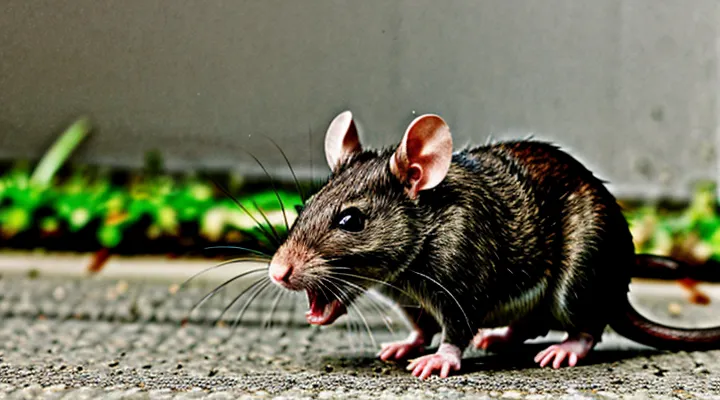
«The Anatomy and Purpose of Rat Dentition»
«Incisors: Continuous Growth and Self-Sharpening»
Rats possess a pair of upper and lower incisors that never cease to elongate. The continuous growth results from a specialized dental pulp that produces dentin at a rate matching the wear incurred during gnawing. This physiological adaptation prevents the teeth from becoming overgrown, which would impede feeding and compromise survival.
Each incisor features a curved enamel edge that is harder than the underlying dentin. When the rodent gnaws, the enamel contacts the softer dentin of the opposing tooth, causing the dentin to wear away faster than the enamel. The differential wear creates a self‑sharpening bevel, maintaining a chisel‑like cutting edge.
Key characteristics of this dental system include:
- Persistent eruption driven by cellular activity in the root region.
- Enamel‑to‑dentin hardness gradient that ensures preferential dentin removal.
- Self‑maintaining sharpness achieved through reciprocal grinding during gnawing.
The gnawing behavior therefore serves a dual function: it reduces food to manageable fragments and simultaneously regulates incisor length and edge geometry. Failure to gnaw sufficiently leads to overgrowth, which can result in malocclusion, difficulty eating, and increased risk of injury. Conversely, excessive gnawing may cause dental wear beyond the compensatory capacity of continuous growth, highlighting the importance of balanced activity for dental health in rodents.
«Molars: Grinding Surfaces for Digestion»
Rats that repeatedly gnaw their incisors exhibit a physiological response that directly involves the posterior dentition. The molars, positioned behind the incisors, serve as the primary grinding surfaces required for effective food breakdown, facilitating nutrient absorption.
Molars possess broad, multi‑cusped crowns designed to crush and pulverize solid matter. Their enamel is thicker than that of incisors, providing resistance to the high forces generated during mastication. The occlusal pattern creates a series of ridges that channel food particles toward the digestive tract.
Key functions of rat molars include:
- Mechanical comminution of seeds, grains, and fibrous material.
- Generation of fine particles that increase surface area for enzymatic action.
- Maintenance of dental wear equilibrium, preventing overgrowth of anterior teeth.
Continuous incisor gnawing stimulates salivary flow, which softens food before it reaches the molars. Efficient grinding by the molars ensures that the ingested material is adequately prepared for enzymatic digestion, supporting overall metabolic health.
«Common Reasons for Rat Bruxism»
«Contentment and Relaxation: A Sign of Well-being»
When a rodent repeatedly gnaws its incisors, the action frequently reflects a state of ease rather than agitation. The behavior aligns with physiological mechanisms that maintain tooth length, yet the manner and context often reveal the animal’s emotional condition.
Observations that accompany calm gnawing include a relaxed body posture, slow breathing, and voluntary grooming. These signs collectively indicate that the individual experiences a level of well‑being consistent with the concept of «Contentment and Relaxation: A Sign of Well‑being». In such cases, gnawing serves as a self‑soothing activity that reinforces comfort.
Key indicators of a contented rodent:
- Teeth contact with a smooth surface performed without rapid, frantic movements.
- Body weight evenly distributed, limbs resting loosely.
- Grooming bouts occurring at regular intervals, not triggered by stressors.
- Vocalizations, if present, low‑frequency and brief.
Recognizing these patterns assists caretakers and researchers in evaluating health status. A calm gnawing pattern, coupled with the listed indicators, signals that the animal’s environment meets basic welfare standards, reducing the likelihood of underlying pathology.
«Stress and Anxiety: A Coping Mechanism»
Rats regularly wear down incisors through continuous gnawing, a behavior triggered when physiological arousal exceeds baseline levels. Elevated cortisol and catecholamine release stimulate muscular tension in the jaw, prompting the animal to engage the teeth as a self‑regulatory outlet. This response reduces sympathetic dominance, allowing the organism to restore homeostasis without external intervention.
«Stress and Anxiety: A Coping Mechanism» illustrates how the act of gnawing serves as an intrinsic stress‑relief strategy. By converting psychological strain into a physical action, the rat lowers heart rate variability and diminishes the perception of threat. The process also activates endogenous opioid pathways, providing analgesic and calming effects that mitigate anxiety‑related behaviors.
Key aspects of this adaptive response include:
- Immediate reduction of muscular tension in the facial region.
- Activation of reward circuits that counteract heightened alertness.
- Preservation of dental health through regular wear, preventing overgrowth that could impede feeding.
Understanding the link between oral activity and emotional regulation informs both animal welfare practices and comparative studies of stress coping across species.
«Pain and Discomfort: Underlying Health Issues»
Rats that continuously gnaw their incisors often do so because the activity relieves oral discomfort. Persistent chewing may signal that the animal experiences pain originating from dental or systemic conditions.
Dental problems commonly responsible for this behavior include:
- Overgrown incisors that fail to self‑sharpen, creating pressure on surrounding tissues.
- Malocclusion, where misaligned teeth generate uneven wear and irritation.
- Periodontal disease, leading to inflammation and sensitivity.
- Abscesses or infections affecting the jaw or teeth.
Systemic health issues can also manifest as increased gnawing:
- Nutritional deficiencies, particularly of calcium or vitamin D, weaken tooth structure and provoke pain.
- Metabolic disorders such as renal disease produce oral ulcerations and discomfort.
- Chronic stress or anxiety may trigger compulsive chewing as a coping mechanism.
- Viral or bacterial infections that involve the oral cavity create lesions that the animal attempts to alleviate through gnawing.
Observation of additional signs—weight loss, reduced food intake, facial swelling, or changes in behavior—strengthens the case for an underlying medical problem. Prompt veterinary examination, including dental radiographs and blood work, provides accurate diagnosis and guides appropriate treatment, which may involve tooth trimming, dietary adjustments, or medication for infection and inflammation.
«Malocclusion: Dental Misalignment Problems»
Malocclusion refers to improper alignment of the incisors, a condition that frequently affects laboratory and pet rats. Continuous eruption of rodent teeth requires regular wear; when the bite does not close correctly, the incisors can grow unevenly, prompting the animal to gnaw excessively in an attempt to restore balance.
The physiological basis lies in the self‑sharpening mechanism of rodent incisors. When the upper and lower teeth fail to meet at the appropriate angle, the enamel wears unevenly, causing one or both teeth to overgrow. Overgrowth leads to difficulty in handling food, facial deformation, and heightened gnawing activity as the rat seeks relief.
Typical indicators of «Malocclusion: Dental Misalignment Problems» include:
- Persistent gnawing on cage bars, objects, or the animal’s own body
- Dropping or misdirected food
- Visible curvature or lengthening of incisors
- Facial asymmetry or swelling around the jaw
- Weight loss despite adequate feeding
Diagnosis relies on visual inspection of the incisors and palpation of the jaw. Radiographic imaging may confirm bone involvement. Treatment protocols involve:
- Trimming overgrown incisors under anesthesia to reestablish proper occlusion
- Providing chew toys of appropriate hardness to promote natural wear
- Monitoring post‑procedure alignment weekly for at least a month
- Addressing underlying nutritional deficiencies that may impair enamel quality
Prompt correction of malocclusion prevents chronic pain, improves feeding efficiency, and reduces abnormal gnawing behavior associated with dental distress.
«Nutritional Deficiencies: Lack of Proper Chewing Material»
When a rodent continuously gnaws its incisors, the behavior often signals an inadequate intake of essential nutrients. Insufficient levels of calcium, phosphorus, and vitamin D impair enamel formation, prompting the animal to seek additional abrasion through excessive chewing.
A shortage of appropriate chewing substrates, such as hardwood blocks or mineral-rich chew toys, can exacerbate the problem. Without suitable material, the rat resorts to gnawing softer objects, including cage bars or its own teeth, which may lead to malocclusion.
Key factors linked to this condition include:
- Deficient dietary calcium — weakens dentin, increases wear.
- Low phosphorus — disrupts mineral balance, alters tooth growth.
- Inadequate vitamin D — reduces calcium absorption, hampers enamel strength.
- Absence of hard, abrasive chew items — fails to provide natural tooth wear.
Corrective measures involve supplementing the diet with calcium‑rich foods (e.g., kale, broccoli), ensuring balanced mineral content, and providing durable chew objects made from untreated wood or mineral blocks. Regular monitoring of tooth length and shape helps detect early signs of over‑gnawing and prevents permanent dental damage.
«Differentiating Normal vs. Concerning Bruxism»
«Contextual Clues: Body Language and Behavior»
When a rat repeatedly gnaws its incisors, the behavior rarely occurs in isolation. Observing accompanying body language clarifies whether the act signals normal dental maintenance, acute discomfort, or heightened anxiety.
Key visual cues include:
- Rigid posture, tail pressed against the body, and rapid foot‑tapping indicate stress‑related gnawing.
- Frequent grooming, especially of the face and whiskers, often accompanies normal tooth wear.
- Lethargic movement, reduced exploration, and a hunched back suggest pain or dental pathology.
- Vocalizations such as high‑pitched squeaks during gnawing point to immediate discomfort.
Environmental context further refines interpretation. A recent cage change, introduction of unfamiliar objects, or a sudden temperature shift can provoke anxiety‑driven gnawing. Conversely, a diet lacking appropriate hardness may lead to excessive gnawing as the rat attempts to wear down overgrown incisors.
Health assessments should prioritize dental examination. Signs such as misaligned teeth, visible cracks, or swelling around the jaw corroborate a medical cause. In the absence of physical abnormalities, behavioral patterns combined with environmental stressors typically explain the gnawing.
By integrating posture, movement, vocal output, and surrounding conditions, the meaning behind a rat’s tooth‑gnawing becomes discernible without resorting to speculation. This systematic approach aligns with the principles outlined in «Contextual Clues: Body Language and Behavior».
«Sound Intensity and Frequency: Subtle vs. Loud Grinding»
Rats produce audible dental grinding that varies in acoustic intensity and frequency. Analyzing these parameters clarifies the animal’s physiological and emotional state.
Subtle grinding generates low‑amplitude sounds with a relatively narrow frequency band, often centered around higher pitches. Such acoustic signatures correspond to routine dental maintenance, minor enamel wear, or low‑level exploratory behavior. The limited sound pressure reduces the likelihood of alerting predators, indicating a non‑threatening context.
Loud grinding creates high‑amplitude emissions spanning a broader frequency spectrum, frequently including dominant lower‑frequency components. Elevated sound pressure correlates with heightened stress, pain, or territorial aggression. The pronounced acoustic output may serve as a warning signal to conspecifics or as a by‑product of intensified muscular exertion.
Key distinctions:
- Intensity: subtle – low sound pressure; loud – high sound pressure.
- Frequency range: subtle – narrow, higher‑centered; loud – wide, lower‑centered.
- Behavioral implication: subtle – routine maintenance; loud – stress‑related response.
Understanding the acoustic profile of rat dental activity, as described in «Sound Intensity and Frequency: Subtle vs. Loud Grinding», provides a measurable indicator of the animal’s internal condition and external communication strategy.
«Associated Symptoms: Lethargy, Appetite Loss, Swelling»
When a rodent repeatedly gnaws its incisors, the activity often signals underlying dental disease. Malocclusion, overgrowth, or infection can impair mastication, leading to systemic manifestations.
«Associated Symptoms: Lethargy, Appetite Loss, Swelling»
- Lethargy – reduced activity reflects discomfort, pain, or metabolic strain caused by impaired feeding.
- Appetite loss – difficulty processing food results in diminished intake, accelerating weight loss and weakening immune response.
- Swelling – localized inflammation around the jaw or facial tissues indicates infection or abscess formation secondary to dental trauma.
Each symptom reinforces the need for prompt veterinary assessment. Lethargy and anorexia together suggest a progressing condition that may compromise organ function, while swelling often requires antimicrobial therapy and possible surgical intervention. Early detection and treatment of dental abnormalities can prevent escalation of these clinical signs.
«Veterinary Examination and Diagnosis»
«Oral Inspection: Assessing Tooth Condition and Alignment»
The behavior of a rodent continuously gnawing its incisors signals a need for systematic oral evaluation. An accurate assessment of dental health requires direct observation of tooth condition and positional relationship within the jaw.
During an oral inspection, the examiner should:
- Visualize enamel integrity, noting fractures, wear patterns, or discoloration.
- Measure the length of each incisor, confirming that the crown extends appropriately beyond the gum line.
- Evaluate occlusion by aligning upper and lower incisors, ensuring a symmetrical bite plane.
- Palpate the surrounding gingiva for inflammation, recession, or abnormal masses.
- Record any malocclusion, such as overgrowth, crossbite, or rotated teeth, which may impair chewing efficiency.
Interpretation of findings links directly to the observed gnawing activity. Excessive wear may reflect normal adaptive behavior, while uneven attrition suggests misalignment or pathological growth. Early detection of malocclusion permits corrective interventions, preventing secondary complications such as weight loss, oral ulceration, or systemic infection.
Implementing routine «Oral Inspection: Assessing Tooth Condition and Alignment» in laboratory and pet settings provides a reliable metric for dental health, translating observed gnawing patterns into actionable clinical decisions.
«Physical Examination: Identifying Other Health Problems»
The behavior of a rodent continuously grinding its incisors often signals underlying physiological disturbances. Excessive gnawing may indicate dental malocclusion, pain, or systemic illness that manifests through altered oral activity. Recognizing this sign prompts a thorough physical assessment to uncover additional health concerns.
During the examination, the practitioner should evaluate:
- Oral cavity integrity, including tooth alignment, enamel wear, and presence of ulcerations;
- Body condition score, noting weight loss, muscle wastage, or abnormal fat deposits;
- Respiratory rate and effort, checking for tachypnea, nasal discharge, or audible wheezes;
- Cardiovascular parameters, such as heart rhythm, peripheral pulses, and capillary refill time;
- Neurological status, observing gait, reflexes, and response to tactile stimuli;
- Gastrointestinal tract, palpating for distension, masses, or abnormal fecal consistency.
Findings of dental overgrowth, cracked incisors, or oral lesions frequently accompany systemic issues like metabolic disorders, infectious agents, or nutritional deficiencies. Early detection through systematic inspection enables timely intervention, mitigating progression and improving the animal’s overall prognosis.
«Diagnostic Tests: X-rays for Root Issues»
When a rat repeatedly gnaws its incisors, the behavior often signals underlying problems with the dental roots. Continuous wear may result from inflammation, infection, or structural damage that forces the animal to seek relief through excessive chewing.
Radiographic examination provides the most reliable means of identifying root pathology. Conventional «X-ray» imaging captures the entire tooth structure, allowing clinicians to assess bone integrity and detect lesions that are not visible during a physical exam.
Typical radiographic findings associated with root issues include:
- Radiolucent areas surrounding the root apex indicating infection.
- Irregular root contours suggesting resorption or fracture.
- Periapical bone loss that exceeds normal anatomical limits.
- Presence of foreign material or calcifications within the root canal.
Effective imaging requires proper positioning of the rat to achieve a true‑to‑parallel view of the incisors. Sedation minimizes movement, while calibrated exposure settings prevent over‑ or under‑penetration of the beam. Interpretation should be performed by a veterinarian or dental specialist familiar with rodent anatomy to ensure accurate diagnosis and appropriate treatment planning.
«Management and Treatment of Bruxism»
«Environmental Enrichment: Providing Chew Toys and Stimulation»
Rats exhibit frequent gnawing when dental growth outpaces natural wear, when environmental stimuli are insufficient, or when stress levels rise. Unchecked gnawing may damage cages, furniture, and the animal’s own incisors, leading to malocclusion and health complications.
Providing appropriate enrichment directly addresses these drivers. Structured access to safe, durable chew objects satisfies the innate need to file teeth, while varied sensory stimulation reduces anxiety and encourages natural foraging patterns.
Key components of effective enrichment include:
- Hard‑wood blocks (e.g., maple, birch) that resist rapid erosion and allow steady tooth wear.
- Natural fiber ropes or twine, securely anchored, offering texture and grip.
- Food‑based puzzles that require manipulation, promoting problem‑solving and bite activity.
- Rotating toy selection every few days to prevent habituation and maintain curiosity.
Implementing «Environmental Enrichment: Providing Chew Toys and Stimulation» creates a controlled outlet for gnawing, prevents dental disorders, and enhances overall welfare. Continuous monitoring of tooth length and behavior confirms the efficacy of the enrichment strategy.
«Dietary Adjustments: Ensuring Adequate Fiber and Hard Foods»
Excessive gnawing in rodents often signals dental discomfort or misalignment. Insufficient abrasion of incisor edges leads to overgrowth, which can cause pain and impede normal chewing behavior. Providing a diet that promotes natural tooth wear reduces the risk of such problems.
Key dietary components include:
- High‑fiber vegetables such as carrots, broccoli and leafy greens; fiber stimulates chewing motions and contributes to enamel wear.
- Hard, low‑moisture items like untreated wooden blocks, mineral chews and dense pellets; these materials create the necessary resistance for effective grinding.
- Small portions of raw nuts or seeds, offered sparingly, supply additional grit without excess fat.
Regularly rotating food textures prevents habituation and ensures continuous stimulation of the incisors. Monitoring consumption patterns helps identify early signs of dental issues, allowing prompt adjustment of the diet before severe overgrowth occurs.
«Pain Management: Addressing Underlying Discomfort»
Rats maintain incisor length through regular gnawing; however, persistent or frantic gnawing often signals oral discomfort. Excessive wear, misalignment, or infection can generate pain that manifests as increased chewing activity.
Identifying the cause requires systematic observation and veterinary evaluation. Key indicators include:
- Visible enamel wear or irregular tooth edges
- Reduced food intake or altered feeding posture
- Swelling or discharge around the jaw
Effective relief focuses on addressing the underlying source rather than merely masking symptoms. The protocol for «Pain Management: Addressing Underlying Discomfort» comprises:
- Diagnostic imaging to assess tooth length and alignment
- Application of appropriate analgesics, such as meloxicam, following dosage guidelines
- Dental trimming or filing to correct overgrowth and restore proper occlusion
- Treatment of secondary infections with targeted antibiotics when indicated
- Provision of chewable enrichment items to promote natural wear and reduce stress
Continuous monitoring ensures that pain resolution coincides with normalized gnawing patterns, confirming that the primary issue has been mitigated.
«Dental Trimming and Correction: For Malocclusion»
When a rat continuously chews its incisors, the behavior often signals an underlying dental misalignment. Excessive gnawing may result from overgrown teeth that fail to wear down naturally, a condition known as malocclusion.
Malocclusion in rodents arises when the upper and lower incisors do not meet at the correct angle. Contributing factors include genetic predisposition, inadequate diet lacking sufficient hardness, and injury to the jaw. Untreated, the condition leads to difficulty eating, weight loss, and secondary health issues.
«Dental Trimming and Correction: For Malocclusion» provides a systematic approach to restore proper occlusion. The process involves precise reduction of overgrown enamel, followed by monitoring of regrowth patterns to ensure balanced wear.
Typical steps include:
- Anesthetize the animal to eliminate stress and movement.
- Inspect incisors for length, curvature, and wear facets.
- Use a rotary burr or fine scalpel to trim excess enamel, preserving the natural angle of the bite.
- Re‑evaluate occlusion immediately after trimming.
- Schedule regular follow‑up examinations to detect regrowth early.
Preventive measures focus on diet enrichment with hard pellets and periodic oral inspections. Consistent monitoring reduces the likelihood of severe overgrowth and minimizes the need for repeated corrective procedures.
«Stress Reduction Techniques: Calming the Environment»
When a rodent continuously chews its incisors, the behavior often signals heightened stress or discomfort. Reducing environmental tension directly influences dental health and overall welfare.
Effective methods for calming the surroundings include:
- Providing a stable temperature range and avoiding sudden fluctuations.
- Supplying a variety of safe chewing materials to satisfy natural gnawing instincts without excessive wear.
- Maintaining low ambient noise levels; soft background sounds can mask abrupt disturbances.
- Ensuring consistent lighting cycles that mimic natural daylight patterns.
- Introducing subtle scent cues, such as diluted lavender or chamomile, known to promote relaxation in small mammals.
Implementing these measures creates a predictable, soothing habitat. A calmer environment diminishes the need for compulsive gnawing, supports proper tooth wear, and enhances physiological stability. «A tranquil setting reduces stress‑induced behaviors, fostering healthier oral function».
«Preventative Measures for Dental Health»
«Regular Veterinary Check-ups»
Rats possess continuously growing incisors; excessive gnawing often signals misalignment, overgrowth, or oral discomfort. Early identification of such issues relies on systematic health assessments performed by qualified professionals.
Key components of routine examinations include:
- Visual inspection of tooth length and symmetry;
- Palpation of the jaw to detect swelling or tenderness;
- Radiographic imaging to reveal hidden fractures or root problems;
- Evaluation of diet and enrichment items that influence wear patterns;
- Assessment of overall body condition, as systemic illnesses can affect dental health.
Veterinarians typically recommend examinations every three to six months for pet rats, with increased frequency for individuals exhibiting:
- Persistent gnawing on cage bars or inappropriate objects;
- Reduced food intake or weight loss;
- Visible drooling, foul breath, or facial swelling.
Adhering to «regular veterinary check-ups» ensures prompt corrective measures, such as trimming overgrown incisors, adjusting enclosure materials, or treating infections, thereby maintaining oral function and overall wellbeing.
«Appropriate Diet and Chewing Opportunities»
A rat that continuously gnaws its incisors signals a physiological need for proper nutrition and sufficient mechanical stimulation. The mandible’s growth depends on regular wear; without adequate diet hardness and chewing material, teeth may overgrow, leading to malocclusion and health complications.
A balanced diet should contain:
- High‑quality pellets formulated for rodents, providing essential nutrients and a firm texture that encourages bite activity.
- Fresh vegetables and fruits, offered in moderate amounts, supplying moisture and variety while still requiring some chewing.
- Limited seeds, nuts, and whole‑grain cereals, which add hardness and promote natural gnawing behavior.
Chewing opportunities extend beyond food. Materials that mimic natural foraging support dental health:
- Untreated wooden blocks or branches, sized to allow safe gnawing without splintering.
- Safe mineral or chewable stones designed for rodents, delivering abrasive surfaces that assist in tooth filing.
- Cardboard tubes or paper rolls, providing additional texture while being easily replaceable.
Monitoring intake and providing diverse chewable objects reduce the risk of excessive gnawing. Regular inspection of incisors, combined with a diet that balances softness and firmness, maintains optimal dental alignment and overall well‑being.
«Monitoring for Behavioral Changes»
When a laboratory rat exhibits continuous tooth gnawing, the behavior often signals an underlying physiological or psychological disturbance. Excessive gnawing may reflect pain, dental malocclusion, or heightened stress levels, each of which can alter the animal’s normal activity patterns, feeding habits, and social interactions.
Systematic observation of behavioral shifts provides early detection of such conditions. Effective monitoring includes:
- Continuous video recording to capture frequency and duration of gnawing episodes.
- Automated tracking of locomotor activity, noting reductions or irregularities in movement.
- Assessment of feeding behavior, measuring changes in food intake and bite size.
- Evaluation of social engagement, recording avoidance or aggression toward cage mates.
- Periodic health checks focusing on dental alignment and oral tissue integrity.
Correlating these data points with physiological measurements—such as cortisol levels or inflammatory markers—enhances diagnostic accuracy. Prompt identification of abnormal gnawing patterns enables timely intervention, reducing the risk of chronic discomfort and preserving experimental validity.