
Understanding Rabies in Animals
The Rabies Virus: An Overview
How Rabies Spreads
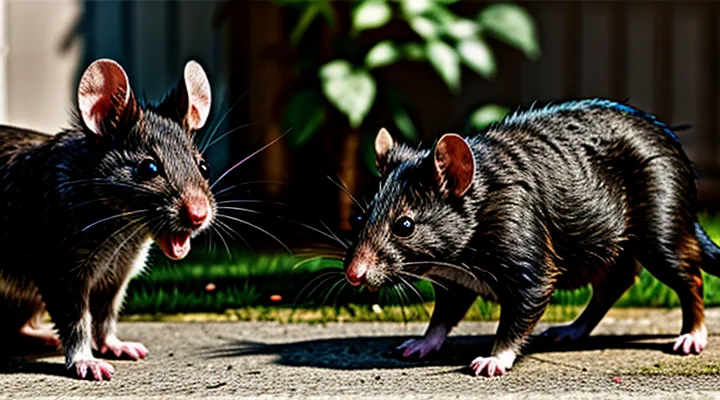
A rabid rodent displays unmistakable signs, such as excessive salivation, erratic movements, and aggressive biting. These symptoms facilitate the transfer of the virus to other animals and humans through direct contact.
Rabies spreads primarily by:
- Bite wounds that introduce infected saliva into the bloodstream.
- Licking of broken skin or mucous membranes with contaminated saliva.
- Scratches contaminated with saliva from the animal’s claws.
- Inhalation of aerosolized virus in confined spaces with high viral load (rare but documented).
Secondary transmission can occur when a previously infected animal, now asymptomatic, sheds the virus in its saliva, exposing new hosts during grooming or communal feeding. Prompt wound cleansing and post‑exposure prophylaxis interrupt this chain, preventing further propagation.
Susceptibility in Different Species
Rabies manifests in rats through excessive salivation, foaming at the mouth, agitation, and uncoordinated movements. These signs mirror those observed in other mammals, but the likelihood of infection varies widely among species.
- Rodents (rats, mice, squirrels): Low susceptibility; infection usually requires direct inoculation with high viral loads. Clinical signs appear later and may be less severe.
- Lagomorphs (rabbits, hares): Moderate susceptibility; facial tremors, paralysis, and drooling are common early indicators.
- Carnivores (foxes, raccoons, domestic dogs): High susceptibility; rapid onset of aggression, hypersalivation, and paralysis.
- Chiroptera (bats): Very high susceptibility; often asymptomatic carriers, but when symptomatic display intense agitation and excessive saliva.
Species with higher susceptibility develop the characteristic foaming and erratic behavior sooner, while low‑susceptibility rodents may exhibit only mild tremors before succumbing. Recognizing these interspecies differences aids in accurate diagnosis and targeted control measures.
Recognizing Behavioral Changes in Rabid Rats
Aggression and Uncharacteristic Behavior
Biting and Self-Mutilation
Biting and self‑mutilation are among the most reliable external indicators of rabies infection in rats. Unprovoked, aggressive bites often target handlers, cage mates, or inanimate objects. The bite may be delivered with excessive force, accompanied by a frothy saliva that can coat the incisors. Such attacks frequently occur without the usual warning signs of fear or retreat, reflecting the loss of normal territorial inhibition.
Self‑mutilation manifests as persistent gnawing or scratching of the rat’s own body parts. Typical patterns include:
- Repeated chewing of the ears, tail, or limbs until tissue damage is evident.
- Aggressive grooming that results in open wounds or amputated digits.
- Continuous pawing at the face or snout, leading to ulceration.
These behaviors arise from the virus‑induced disruption of central nervous control, causing heightened irritability and a compulsion to inflict pain on oneself. The combination of violent biting and self‑injury often precedes other neurological signs such as ataxia, excessive vocalization, and hypersalivation, providing a clear clinical window for diagnosis and containment.
Lack of Fear Towards Humans or Predators
Rabid rats frequently abandon normal avoidance of humans and predators. This behavioral change results from the virus’s impact on the central nervous system, specifically the limbic structures that regulate fear responses. Consequently, infected rodents may approach people, enter homes, or remain in open areas where they would normally retreat.
Observable manifestations of this fearlessness include:
- Direct contact with humans, such as climbing onto hands, shoulders, or faces.
- Lack of flight response when a predator or a sudden movement occurs.
- Persistent roaming in exposed environments despite the presence of danger cues.
- Approaching other animals without the typical defensive posturing.
These actions increase the risk of virus transmission because saliva, blood, or tissue from the rat can contaminate wounds or mucous membranes. The loss of natural wariness is a reliable indicator that the animal is in an advanced stage of infection and should be treated as a public health hazard.
Disorientation and Neurological Symptoms
Stumbling or Paralysis
Stumbling in a rat infected with rabies manifests as frequent loss of balance, irregular gait, and an inability to navigate obstacles that a healthy animal would easily avoid. The animal may repeatedly fall or appear clumsy when moving across a flat surface, indicating compromised coordination of the hind limbs.
Paralysis emerges when the virus attacks motor neurons, leading to partial or complete loss of muscle function. Affected rats display:
- Inability to lift one or both hind legs
- Drooping posture with reduced support on the affected side
- Absence of voluntary movement despite attempts to initiate motion
Both stumbling and paralysis signal advanced neurological deterioration and require immediate attention to prevent further spread of the infection.
Tremors and Convulsions
Rabies infection in rats produces unmistakable neuromuscular disturbances. Tremors and convulsions are among the earliest and most reliable indicators of the disease.
Tremors appear as rapid, involuntary muscle oscillations. They often begin in the facial muscles, spreading to the forelimbs and tail. The movements are irregular, increase in amplitude as the infection progresses, and persist even when the animal is at rest. Observers can detect the shaking by the rat’s inability to maintain a steady posture.
Convulsions develop after tremors intensify. They manifest as violent, rhythmic jerks affecting the entire body. Episodes may last from a few seconds to several minutes, followed by periods of lethargy. Convulsive activity frequently triggers drooling, loss of coordination, and a temporary inability to right the animal when placed on its back.
Key points for identification:
- Sudden onset of facial or limb tremors
- Progressive spread of shaking to the whole body
- Intermittent, high‑intensity convulsive bouts
- Accompanying signs: excessive salivation, unsteady gait, loss of balance
Recognition of these symptoms enables prompt isolation of the infected rat and reduces the risk of transmission to other animals and humans.
Physical Manifestations of Rabies in Rats
Salivation and Foaming at the Mouth
Difficulty Swallowing
Difficulty swallowing, or dysphagia, frequently appears in rats infected with the rabies virus. The virus attacks the brainstem and cranial nerves that control the pharyngeal muscles, causing loss of coordinated swallowing movements. As a result, the animal may pause before ingesting food, chew excessively, or drool profusely because it cannot move the bolus from the mouth to the esophagus.
Observable signs accompanying this impairment include:
- Excessive saliva accumulation around the mouth
- Repeated attempts to swallow without success
- Reduced food intake and weight loss
- Abnormal head positioning to aid a compromised airway
These manifestations, when seen together with other neurological changes such as agitation, foaming at the mouth, and abnormal vocalizations, strongly suggest rabies infection in rodents. Early identification of dysphagia can aid in timely isolation and diagnostic testing, minimizing exposure risk to humans and other animals.
Altered Appearance
Dull Coat and Unkempt Fur
A rat infected with rabies often exhibits a coat that has lost its natural sheen. The fur appears matte, lacking the glossy finish typical of a healthy animal. This dullness results from disrupted blood circulation and metabolic stress caused by the virus.
Grooming behavior deteriorates rapidly. The animal stops preening, leading to tangled hair and visible clumps. Fur may form uneven patches, especially along the back and hindquarters, where matting is most pronounced. These areas feel rough to the touch and may shed excessively.
The combination of a lackluster coat and neglected grooming signals an advanced stage of the disease. Veterinarians and wildlife specialists use these external changes to differentiate rabies from other rodent illnesses, as they appear consistently across infected specimens.
Unusual Eye Discharge
Unusual eye discharge in a rat suspected of rabies often appears as a thin, watery stream or a thicker, mucous-like secretion. The fluid may be clear, yellow‑white, or tinged with blood, indicating irritation of the ocular membranes. Accompanying signs typically include:
- Redness and swelling of the conjunctiva
- Frequent blinking or squinting due to discomfort
- Presence of crusts or dried droplets around the eyelids
The discharge reflects inflammation of the nasolacrimal ducts caused by the virus’s effect on the nervous system. Rapid onset and progression suggest an active infection, prompting immediate isolation and veterinary assessment. Early recognition of this symptom, together with aggression, hypersalivation, and altered gait, strengthens the clinical diagnosis of rabies in rodents.
Differentiating Rabies from Other Illnesses
Common Rat Diseases with Similar Symptoms
Distinguishing Features
Rabies infection in rats produces a set of observable signs that differentiate affected individuals from healthy counterparts.
- Profuse, often frothy saliva accumulating at the mouth corners.
- Uncharacteristic aggression toward humans or other animals, accompanied by sudden lunges.
- Disorientation or loss of balance, leading to unsteady, erratic movements.
- Muscular tremors or convulsions, especially in the facial and forelimb regions.
- Partial paralysis progressing from hind limbs to forelimbs, resulting in a dragging gait.
- Enlarged, glassy eyes with heightened sensitivity to light.
- Elevated body temperature detectable by touch, indicating systemic infection.
These features appear rapidly after exposure, typically within days, and serve as reliable indicators of rabies in rodent populations.
When to Suspect Rabies
Importance of Observation and Context
Accurate identification of disease indicators in a rodent suspected of rabies depends on meticulous visual assessment and situational awareness. Observers must focus on physiological and behavioral cues without relying on assumptions.
- Bristled or matted fur, especially on the back and tail
- Excessive salivation or frothy mouth secretions
- Uncontrolled tremors or convulsive movements
- Aggressive lunges toward objects or humans
- Uncharacteristic lethargy paired with sudden bursts of activity
Contextual information refines interpretation of these signs. The surrounding environment, recent exposure history, and seasonal patterns provide essential background that distinguishes rabies from other ailments.
- Presence of wildlife known to carry the virus in the vicinity
- Recent bites or scratches from other mammals
- Temperature fluctuations that may affect symptom expression
- Population density of rodents in the area
- Records of previous rabies outbreaks nearby
Combining precise observation with relevant contextual data yields a reliable diagnosis, enabling timely intervention and reducing the risk of transmission.
Safety Precautions and Public Health Implications
Avoiding Contact with Suspected Rabid Animals
What to Do If Bitten
If a rat bite occurs in an area where rodents show signs of rabies, immediate action is critical to prevent infection.
- Wash the wound thoroughly with soap and running water for at least 15 seconds.
- Apply an antiseptic, such as iodine or alcohol, to reduce bacterial contamination.
- Cover the site with a sterile dressing to control bleeding and protect against further exposure.
Prompt medical evaluation is mandatory. A healthcare professional will assess the bite, consider the animal’s condition, and determine the need for rabies post‑exposure prophylaxis (PEP). PEP typically includes a series of rabies vaccine injections and, when indicated, a dose of rabies immune globulin administered around the wound.
Report the incident to local animal control or public‑health authorities. Provide details about the rat’s appearance, behavior, and any observed disease indicators. This information assists in tracking potential outbreaks and guides public‑health response.
Observe the wound and overall health for the next several weeks. Symptoms such as fever, headache, muscle weakness, or unusual neurological signs may signal viral involvement and require immediate re‑evaluation.
Complete the full vaccination schedule prescribed by the clinician. Do not skip doses, even if the wound appears healed, because rabies incubation can be prolonged. Follow up with the healthcare provider for any recommended serologic testing to confirm adequate immune response.
Reporting Suspected Rabies Cases
Role of Local Authorities
Local authorities are tasked with detecting and responding to the clinical indicators of rabies in urban rodent populations. Their duties include systematic monitoring of rat behavior, such as sudden aggression, unprovoked attacks, excessive salivation, and erratic movements, which signal potential infection. Field officers conduct regular inspections in high‑risk zones, collect samples for laboratory confirmation, and document case locations to map outbreak patterns.
Enforcement of rodent‑control regulations falls under municipal jurisdiction. Authorities issue permits for licensed extermination services, oversee bait distribution programs, and ensure compliance with waste‑management standards that reduce rodent habitats. By limiting food sources and shelter, they diminish the likelihood of disease spread.
Public communication is coordinated through official channels. Bulletins describe observable symptoms, advise residents to avoid contact, and provide instructions for reporting suspected cases. Emergency hotlines enable rapid notification, prompting immediate quarantine measures and targeted disinfection of affected areas.
Collaboration with health departments and veterinary laboratories forms the operational backbone. Data sharing facilitates timely laboratory testing, while joint response plans coordinate vaccination campaigns for domestic animals and, when necessary, post‑exposure prophylaxis for humans exposed to infected rats.