
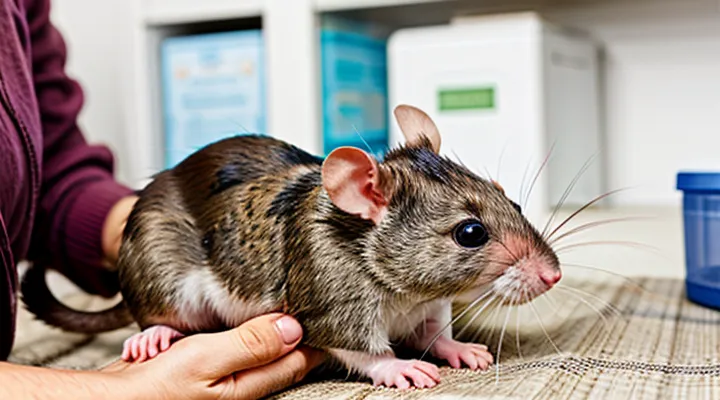
Understanding Rat Nasal Congestion
Common Causes of Nasal Congestion in Rats
Environmental Factors
Environmental conditions directly influence the incidence and severity of nasal blockage in laboratory and pet rats. Low humidity dries mucosal membranes, impairing ciliary function and facilitating crust formation. Excessive moisture promotes fungal growth and bacterial proliferation, both of which can aggravate inflammation. Temperature fluctuations cause vasomotor responses that increase mucosal swelling, while drafts generate localized cooling that triggers reflex congestion. Dust, bedding fibers, and volatile organic compounds from cleaning agents act as irritants, provoking hypersecretion and edema.
Effective management requires control of these variables within the cage environment. Adjustments should be based on measurable parameters rather than anecdotal observation. Consistent monitoring of relative humidity, ambient temperature, and airflow velocity enables timely interventions before clinical signs emerge.
- Maintain relative humidity between 45 % and 55 % using humidifiers or dehumidifiers as needed.
- Keep cage temperature stable at 20 °C–24 °C; avoid rapid changes by placing cages away from heat sources and direct sunlight.
- Ensure ventilation provides steady air exchange without creating drafts; use low‑velocity fans or filtered air systems.
- Select low‑dust, absorbent bedding such as paper pulp; replace it weekly to prevent accumulation of particulates.
- Eliminate strong scents and aerosolized cleaners; employ mild, fragrance‑free disinfectants and allow thorough drying before reintroducing animals.
- Inspect cages for mold or mildew; clean affected surfaces with a diluted chlorhexidine solution and replace contaminated bedding immediately.
By implementing these environmental controls, veterinarians reduce the burden of nasal congestion, promote mucosal health, and support overall respiratory function in rats. Continuous assessment ensures that conditions remain within therapeutic ranges, minimizing the need for pharmacologic intervention.
Infectious Agents
Rats develop nasal congestion primarily due to infectious microorganisms that invade the upper respiratory tract. Identifying the causative agent is essential for effective therapy.
Bacterial pathogens frequently implicated include Streptococcus pneumoniae, Klebsiella pneumoniae, and Pseudomonas aeruginosa. These organisms colonize the nasal mucosa, produce exudate, and provoke inflammation that obstructs airflow.
Viral agents such as Sendai virus and rat coronavirus cause epithelial damage, impair mucociliary clearance, and predispose the host to secondary bacterial infection. Clinical signs often appear abruptly and may be accompanied by fever and lethargy.
Fungal organisms, particularly Aspergillus spp. and Candida spp., can colonize moist nasal passages, especially in immunocompromised individuals. Hyphal invasion leads to thick mucus and tissue necrosis.
Accurate diagnosis combines physical examination, rhinoscopic inspection, and laboratory testing. Culture and sensitivity of nasal discharge pinpoint bacterial species and antimicrobial susceptibility. Polymerase chain reaction (PCR) assays detect viral genomes, while fungal cultures confirm opportunistic mycoses.
Veterinary management focuses on targeted antimicrobial therapy, supportive measures, and environmental control:
- Administer antibiotics based on culture results; first‑line options include enrofloxacin for Gram‑negative coverage and amoxicillin‑clavulanate for mixed infections.
- Use antiviral agents (e.g., ribavirin) only when PCR confirms viral etiology and supportive care is insufficient.
- Initiate antifungal treatment with itraconazole or fluconazole for confirmed fungal infections.
- Provide humidified oxygen, saline nasal flushes, and nutritional support to maintain hydration and mucosal health.
- Reduce stressors, maintain low humidity, and ensure proper cage sanitation to prevent recurrence.
Monitoring response through daily assessment of nasal patency, discharge character, and overall activity guides therapy adjustments and determines the need for extended treatment.
Allergies and Irritants
Allergies and irritants frequently precipitate nasal blockage in pet rats, requiring prompt identification and mitigation.
Common environmental triggers include:
- Wood shavings with high dust content
- Paper bedding treated with chemicals
- Mold growth in cages or storage areas
- Pollen infiltrating through open windows
- Strong fragrances from cleaning agents or air fresheners
- Tobacco smoke or vapors from vaping devices
- Household dust and particulate matter
Diagnostic approach centers on systematic observation and environmental review. Examine the rat for sneezing, nasal discharge, or breathing difficulty while recording recent changes in housing, diet, or surrounding conditions. Conduct a visual inspection of the cage for visible mold, dust accumulation, or bedding degradation. If symptoms persist despite environmental adjustments, consider referral for allergen-specific testing or imaging to exclude infectious agents.
Veterinary management focuses on eliminating exposure and supporting airway clearance. Recommended actions:
- Replace dusty bedding with low‑dust, kiln‑treated alternatives such as aspen or paper pulp.
- Implement a weekly cage cleaning schedule using mild, fragrance‑free detergents and thorough drying.
- Install a HEPA filter or air purifier in the room housing the rat to reduce airborne particles.
- Maintain indoor humidity at 50‑60 % using a humidifier to keep nasal mucosa moist.
- Administer a low‑dose antihistamine (e.g., diphenhydramine) under veterinary supervision to reduce inflammatory response.
- Apply a saline nasal spray formulated for small rodents to loosen mucus and facilitate drainage.
- In severe cases, prescribe a short course of corticosteroids to control swelling, monitoring for side effects.
Continuous monitoring is essential. Keep a daily log of respiratory signs, environmental changes, and medication dosages. Adjust interventions based on the rat’s response, and schedule follow‑up examinations if congestion does not improve within a week of implementing the above measures.
Anatomical Issues
Rats possess a compact nasal cavity that includes the nasal turbinates, septum, olfactory epithelium, maxillary sinuses, and nasopharyngeal lymphoid tissue. The turbinates increase surface area for air filtration and humidification; any swelling or obstruction directly reduces airflow. The septum separates the left and right passages, and deviation or perforation can create asymmetrical resistance. The olfactory epithelium occupies the dorsal roof of the nasal cavity; inflammation here may impair scent detection and contribute to mucus accumulation. Maxillary sinuses communicate with the nasal passages, and fluid buildup within these chambers can exacerbate congestion. Lymphoid tissue, particularly the nasal-associated lymphoid tissue (NALT), can become hypertrophic during infection, narrowing the lumen.
Common anatomical problems that precipitate nasal blockage in rats include:
- Turbinate edema or hyperplasia caused by allergic reactions or chronic irritation
- Septal deviation or perforation resulting from trauma or congenital defects
- Nasal tumors, especially adenocarcinomas, that occupy space within the cavity
- Foreign bodies lodged in the nostrils or deeper passages
- Sinusitis with mucosal thickening and fluid retention
Effective diagnosis requires visual assessment through otoscopic or endoscopic examination, radiographic imaging to evaluate bone structures, and, when necessary, computed tomography for detailed sinus visualization. Palpation of the facial bones may reveal swelling indicative of underlying pathology.
Therapeutic strategies must address the specific anatomical abnormality. Surgical correction of septal deviation or tumor excision restores patency. Anti‑inflammatory medications reduce turbinate swelling, while mucolytic agents facilitate mucus clearance. Environmental control—maintaining low dust levels and adequate humidity—prevents irritation of delicate nasal tissues. Post‑treatment monitoring includes repeat imaging to confirm resolution of structural obstruction and ensure functional airway restoration.
Recognizing Symptoms of Nasal Congestion
Behavioral Changes
Rats with nasal obstruction often exhibit distinct behavioral alterations that signal discomfort and disease progression. Recognizing these changes enables timely veterinary intervention and informs the selection of therapeutic measures.
- Decreased locomotion; the animal moves less and may remain in one corner of the cage.
- Disrupted grooming; excessive facial rubbing or neglect of fur cleaning reflects irritation of the nasal passages.
- Reduced food and water intake; diminished appetite and drinking frequency indicate difficulty breathing while eating.
- Altered vocalizations; higher-pitched or more frequent squeaks suggest respiratory distress.
- Social withdrawal; the rat may isolate itself from cage mates, avoiding close contact.
- Modified nesting behavior; the animal may construct a shallower nest or avoid burrowing, conserving energy.
These observations provide a practical framework for assessing congestion severity. A marked decline in activity often correlates with advanced blockage, while subtle grooming changes may precede more serious symptoms. Tracking behavior before and after treatment offers an objective metric for therapeutic efficacy.
Veterinarians advise owners to establish a baseline of normal activity, then monitor for deviations. Immediate steps include:
- Ensuring a humidified environment to ease breathing.
- Offering soft, easily consumable food and water to maintain nutrition.
- Administering prescribed nasal decongestants or antibiotics as directed.
- Re‑evaluating behavior 24–48 hours post‑treatment; improvement should manifest as restored movement, normalized grooming, and resumed feeding.
Continual behavioral assessment remains a cornerstone of effective management for rats suffering from nasal congestion.
Physical Signs
Rats with obstructed airways display observable changes that guide veterinary intervention.
- Nasal discharge varies from clear to thick, often accompanied by crust formation around the nostrils.
- Sniffing frequency increases; rapid, shallow breaths replace normal rhythmic inhalations.
- The animal may exhibit audible wheezing or soft rattling sounds during respiration.
- Facial swelling, particularly around the nasal bridge and upper lip, signals tissue inflammation.
- Reduced appetite and lethargy frequently co‑occur, reflecting compromised olfactory function.
Physical examination should confirm these indicators before initiating therapeutic measures. Palpation of the nasal region detects tenderness and fluid accumulation. Visual inspection of the nares reveals blockage severity and guides decongestant selection. Monitoring breathing patterns quantifies improvement after treatment.
Early identification of these signs accelerates relief, minimizes secondary infections, and supports recovery in pet rodents.
Veterinary Diagnosis of Rat Nasal Congestion
Initial Examination and History Taking
Owner Observations
Owners frequently notice specific signs that help veterinarians determine the severity and appropriate treatment of a rat’s nasal blockage. Common observations include:
- Persistent sneezing or nasal discharge, especially if the fluid is thick, yellow, or blood‑tinged.
- Audible breathing difficulty, such as wheezing or whistling sounds when the animal inhales.
- Reduced appetite or reluctance to eat, often accompanied by weight loss.
- Decreased activity levels, grooming neglect, or signs of lethargy.
- Swelling around the snout or facial region, sometimes visible as a bulge near the nostrils.
When owners report these behaviors promptly, veterinarians can assess the underlying cause—viral infection, bacterial sinusitis, or allergic irritation—and tailor therapy accordingly. Detailed notes on the duration of each symptom, changes after environmental modifications (e.g., humidity adjustments, dust reduction), and any prior medical interventions improve diagnostic accuracy and expedite recovery.
Physical Assessment
Physical assessment provides the foundation for diagnosing nasal blockage in pet rats.
Observe the animal in its cage: note respiratory effort, audible sounds, grooming behavior, and appetite changes. Sudden or chronic alterations often signal underlying congestion.
Inspect the external nares. Look for crusted or mucoid discharge, swelling, or asymmetry. Use a bright light to evaluate the patency of each nostril by gently encouraging airflow with a small piece of gauze.
Palpate the facial region. Apply light pressure around the nasal bridge and maxillary area to detect tenderness, masses, or fluid accumulation. Record any resistance or pain response.
Measure vital parameters. Record rectal temperature, body weight, and respiratory rate. An elevated temperature combined with tachypnea suggests infection or inflammation.
Consider additional tools when visual inspection is insufficient. An otoscope can reveal internal nasal passages, while a miniature endoscope allows direct visualization of mucosal condition and obstruction severity.
Document findings systematically: animal ID, observation notes, discharge description, palpation results, vital signs, and any instrument-based observations. Accurate records guide therapeutic decisions and enable monitoring of treatment response.
Diagnostic Procedures
Imaging Techniques
Imaging serves as a critical diagnostic step when addressing nasal obstruction in laboratory rats. Conventional radiography offers rapid visualization of the nasal cavity, revealing bone remodeling, sinus opacification, or foreign bodies. Lateral and dorsoventral views should be obtained with a low‑dose protocol (approximately 0.1 Gy) to minimize radiation exposure while preserving image clarity. Radiographs are most useful for detecting gross structural changes but may miss subtle soft‑tissue lesions.
Computed tomography (CT) provides high‑resolution cross‑sectional images that delineate bone, air spaces, and soft tissue simultaneously. Thin‑slice (0.5–1 mm) helical scans allow three‑dimensional reconstruction, facilitating precise localization of tumors, polyps, or inflammatory thickening. Contrast enhancement with iodinated agents improves vascular lesion detection; however, careful dosing (0.5 ml/kg) is required to avoid nephrotoxicity. CT is recommended as the primary modality when surgical planning is anticipated.
Magnetic resonance imaging (MRI) excels at soft‑tissue contrast, distinguishing edema, granulomatous tissue, and neoplastic infiltration. T2‑weighted and fat‑suppressed sequences highlight mucosal swelling, while gadolinium enhancement delineates active inflammation. Limitations include longer acquisition time and higher cost, making MRI suitable for cases where CT findings are inconclusive or when soft‑tissue characterization is essential.
Endoscopic imaging, performed with a miniature rigid endoscope, permits direct visual assessment of the nasal mucosa and enables targeted biopsies. The technique provides real‑time information on mucosal color, secretions, and lesion morphology. It requires general anesthesia and skilled handling to avoid trauma to delicate nasal structures.
Ultrasound is rarely employed for nasal assessment due to acoustic shadowing from bone, yet high‑frequency transducers can evaluate superficial sinus walls and detect fluid collections in the rostral maxillary region. Its non‑invasive nature makes it a supplementary tool when other modalities are unavailable.
Practical imaging algorithm
- Start with plain radiographs to rule out obvious bony abnormalities.
- Proceed to CT for comprehensive anatomic mapping and surgical planning.
- Reserve MRI for detailed soft‑tissue evaluation when CT fails to clarify the pathology.
- Use endoscopy for direct inspection and biopsy, especially before initiating targeted therapy.
- Apply ultrasound only as an adjunct in limited circumstances.
Selection of the appropriate imaging technique should align with the clinical presentation, the suspected underlying cause, and the intended therapeutic intervention.
Laboratory Tests
Laboratory analysis is essential for confirming the cause of nasal blockage in pet rats and for selecting effective therapy. Initial assessment should include a complete blood count to detect leukocytosis or eosinophilia, which indicate bacterial infection or allergic inflammation, respectively. Serum chemistry provides information on organ function before prescribing systemic drugs.
Microbiological culture of nasal swabs identifies bacterial species and antimicrobial susceptibility, preventing the use of ineffective antibiotics. When fungal involvement is suspected, a fungal smear and culture should be performed, as opportunistic mold infections can mimic bacterial rhinitis.
Imaging studies, such as high‑resolution radiography or micro‑CT, reveal sinus opacification, foreign bodies, or neoplastic masses that are not apparent on external examination. Radiographs should be taken in both lateral and ventrodorsal projections; CT scans offer three‑dimensional detail for surgical planning.
Histopathology of biopsy samples from nasal mucosa clarifies inflammatory patterns, differentiates chronic rhinitis from neoplasia, and guides the choice between anti‑inflammatory drugs and targeted chemotherapy.
A concise protocol for laboratory evaluation:
- CBC and serum chemistry
- Nasal swab for bacterial culture and sensitivity
- Fungal smear and culture if indicated
- Lateral and ventrodorsal radiographs; consider micro‑CT for complex cases
- Biopsy with histopathological examination when masses are detected
Results from these tests inform the veterinarian’s decision on antimicrobial selection, anti‑inflammatory dosing, and the need for surgical intervention, ensuring that treatment addresses the underlying pathology rather than merely relieving symptoms.
Endoscopy
Endoscopy delivers direct visual access to the nasal cavity of rats, enabling accurate identification of obstructions and targeted therapeutic actions.
A typical setup includes a miniature rigid or flexible endoscope with a 1‑2 mm diameter shaft, a high‑intensity LED light source, a detachable camera, and a saline irrigation channel. The instrument must be compatible with standard veterinary operating microscopes and allow interchangeable working channels for biopsy forceps or suction tips.
The procedure follows these steps:
- Induce inhalation or injectable anesthesia appropriate for rodents; maintain a stable plane throughout.
- Position the animal in dorsal recumbency, gently extend the neck to align the nasal passage with the endoscope.
- Insert the endoscope tip into the naris, advance slowly while observing the mucosal surface for edema, crust, foreign bodies, or neoplastic growths.
- If pathology is detected, employ the working channel to perform lavage, biopsy, or removal with micro‑instruments.
- Withdraw the scope, inspect the retrieved material, and document findings with recorded video or still images.
Anesthetic monitoring is critical; oxygen supplementation and temperature regulation reduce the risk of hypoxia and hypothermia. Analgesic administration post‑procedure mitigates discomfort from mucosal manipulation.
Clinical advantages of endoscopic evaluation include:
- Precise localization of blockage sources, reducing reliance on radiographic inference.
- Immediate therapeutic intervention, such as removal of hair balls or fungal plaques, without extensive surgery.
- Ability to obtain tissue samples for histopathology, supporting definitive diagnosis of inflammatory or neoplastic conditions.
Limitations comprise the need for specialized equipment, a steep learning curve for operators, and the potential for iatrogenic trauma if the scope is advanced excessively.
After the examination, observe the rat for at least 30 minutes, checking for normal respiratory rhythm, nasal discharge, and signs of distress. Provide a warm recovery environment and administer a short course of broad‑spectrum antibiotics if bacterial contamination is suspected.
Endoscopic assessment thus represents a precise, minimally invasive tool for managing nasal congestion in rats, offering direct visualization, immediate treatment, and reliable diagnostic sampling.
Treatment Approaches for Rat Nasal Congestion
Pharmacological Interventions
Antibiotics
Antibiotic therapy is reserved for rat nasal infections confirmed or strongly suspected to have a bacterial origin. Empirical treatment without diagnostic evidence can promote resistance and may not address underlying viral or allergic causes.
Selection of an appropriate agent depends on the likely pathogen, susceptibility patterns, and the animal’s health status. Commonly effective drugs include:
- Enrofloxacin (10 mg/kg, subcutaneous, once daily) for Gram‑negative organisms such as Pseudomonas spp.
- Trimethoprim‑sulfamethoxazole (30 mg/kg, oral, divided twice daily) for mixed aerobic flora.
- Amoxicillin‑clavulanate (15 mg/kg, oral, twice daily) when Streptococcus or Staphylococcus species are suspected.
Dosage must be calculated based on the rat’s weight and administered for a minimum of 7–10 days, extending to 14 days if clinical signs persist. Culture and sensitivity testing, when feasible, should guide drug choice and allow de‑escalation to a narrower spectrum agent.
Monitoring includes daily assessment of nasal discharge, respiratory rate, and appetite. Signs of adverse reactions—such as gastrointestinal upset, lethargy, or hypersensitivity—require immediate veterinary evaluation and possible adjustment of therapy.
Anti-inflammatory Medications
Rats suffering from nasal blockage often exhibit reduced airflow, sneezing, and secondary infections. Anti-inflammatory drugs reduce mucosal swelling, restore patency, and improve the animal’s ability to breathe.
- Meloxicam (0.1–0.2 mg/kg, subcutaneous, once daily) – non‑steroidal anti‑inflammatory with analgesic effect; monitor for gastrointestinal irritation.
- Carprofen (5 mg/kg, oral, every 12 hours) – broad‑spectrum NSAID; assess liver enzymes before initiation and during treatment.
- Prednisone (0.5–1 mg/kg, oral, once daily) – corticosteroid; effective for severe edema; taper gradually to avoid adrenal suppression.
- Dexamethasone (0.1 mg/kg, intramuscular, once daily) – potent glucocorticoid; reserve for acute exacerbations; watch for immunosuppression.
Select a medication based on severity, concurrent conditions, and the rat’s age. Avoid NSAIDs in animals with renal compromise or ulcerative disease. Corticosteroids require short‑term use, especially when bacterial infection is present, to prevent worsening of pathogen load.
Administration should begin after confirming diagnosis through physical examination and, if needed, rhinoscopy. Re‑evaluate nasal discharge and respiratory rate after 24–48 hours; adjust dosage or switch agents if clinical response is inadequate. Document all observations in the medical record to guide future interventions.
Antihistamines
Antihistamines reduce nasal inflammation in rats by blocking H1 receptors, limiting histamine‑induced vasodilation and mucus production. They are a primary pharmacological option for alleviating congestion caused by allergic or irritant exposure.
The drugs most frequently prescribed for rodent patients include:
- Diphenhydramine – 1 mg/kg orally every 12 hours; adjust for weight fluctuations.
- Chlorpheniramine – 0.5 mg/kg orally every 8 hours; preferred for mild to moderate symptoms.
- Cetirizine – 0.25 mg/kg orally once daily; useful when sedation must be minimized.
Dosage calculations must use the animal’s exact body mass. Oral syringes or compounded liquid formulations ensure accurate delivery. Injectable forms are reserved for severe cases where rapid onset is required.
Monitor for sedation, dry mouth, or gastrointestinal upset. If adverse effects appear, reduce the dose by 25 % or switch to a less sedating agent. Routine blood work is advisable after two weeks of continuous therapy to detect hepatic or renal stress.
Antihistamines complement other interventions such as humidified environments, saline nasal rinses, and targeted antimicrobial therapy. Combining treatments under veterinary supervision maximizes relief while minimizing the risk of drug interactions.
Decongestants
Decongestants are a primary option for reducing swelling of the nasal mucosa in laboratory or pet rats suffering from respiratory blockage. They act by constricting blood vessels, decreasing edema, and facilitating airflow.
Common agents include:
- Phenylephrine (α‑adrenergic agonist) – available in liquid or injectable form; dose 0.05 mg/kg intranasally, repeat every 4 hours if required.
- Oxymetazoline (topical vasoconstrictor) – 0.05 % spray; apply 1–2 drops per nostril, not exceeding three applications per day.
- Pseudoephedrine (systemic sympathomimetic) – oral tablet, 2 mg/kg every 8 hours; reserve for severe cases where topical options fail.
Dosage must be calculated on the basis of body weight; over‑administration can precipitate hypertension, tachycardia, or central nervous system stimulation. Oral formulations require careful monitoring for gastrointestinal upset, while topical preparations demand observation for local irritation or ulceration.
Contraindications encompass pre‑existing cardiac disease, hypertension, hyperthyroidism, and renal impairment. Animals with these conditions should receive alternative therapies, such as saline lavage or humidified environments, rather than vasoconstrictive drugs.
Veterinarians should:
- Confirm diagnosis of nasal obstruction through physical examination and, if needed, radiographic assessment.
- Select the narrowest effective drug class, preferring topical agents for mild to moderate congestion.
- Administer the lowest effective dose, reassessing clinical response after each application.
- Record heart rate, respiratory rate, and behavior for at least 30 minutes post‑treatment; discontinue if adverse signs emerge.
- Educate caretakers on proper administration technique to avoid aspiration and ensure consistent dosing intervals.
Supportive Care and Environmental Management
Humidity Control
Maintaining optimal ambient humidity is critical when addressing nasal blockage in laboratory or pet rats. Low moisture levels dry the nasal mucosa, increase mucus viscosity, and impede clearance, while excessive humidity encourages fungal growth and respiratory irritation. Veterinarians recommend the following parameters and practices:
- Keep relative humidity between 45 % and 55 % in the enclosure.
- Use a calibrated hygrometer to monitor conditions at least twice daily.
- Employ a humidifier with adjustable output; set it to maintain target levels without creating condensation on cage surfaces.
- Place water dishes or dampened substrate in the cage only if humidity measurements remain within the desired range, avoiding excess moisture.
- Perform weekly cleaning of humidifiers and replace water to prevent microbial contamination.
- Adjust humidity gradually; rapid shifts can stress the respiratory tract and worsen congestion.
When a rat exhibits persistent nasal discharge despite humidity control, evaluate for secondary infections or allergic reactions before modifying environmental conditions further.
Air Quality Improvement
Improving the air environment is a fundamental component of managing nasal blockage in pet rats. Poor ventilation, dust, and chemical irritants exacerbate inflammation and impede natural drainage, prolonging discomfort and increasing the risk of secondary infection.
Effective air‑quality strategies include:
- Installing a high‑efficiency particulate air (HEPA) filter to capture dust, dander, and airborne microbes.
- Maintaining a steady air exchange rate of at least 5 changes per hour by using a low‑noise fan or a controlled ventilation system.
- Regulating relative humidity between 45 % and 55 % to keep nasal passages moist without fostering mold growth.
- Removing sources of volatile organic compounds (VOCs) such as scented cleaners, aerosol sprays, and strong fragrances from the rat’s enclosure area.
- Conducting weekly deep cleaning of bedding, cages, and accessories to eliminate accumulated debris and microbial load.
In addition to mechanical controls, monitor ambient temperature to stay within the 68–75 °F (20–24 °C) range, preventing thermal stress that can aggravate respiratory symptoms. Use a calibrated hygrometer and thermometer to verify conditions regularly.
Finally, integrate routine health assessments with a veterinary professional. Early detection of persistent congestion allows prompt adjustment of environmental parameters and, if necessary, targeted medical intervention. Consistent adherence to these air‑quality measures supports faster recovery and reduces the likelihood of chronic respiratory issues in rats.
Nutritional Support
Nutritional support can alleviate nasal congestion in pet rats by strengthening immune function and reducing inflammation. High‑quality protein sources, such as cooked chicken or eggs, provide essential amino acids for tissue repair. Incorporate omega‑3‑rich foods—flaxseed oil, fish oil capsules, or small amounts of cooked salmon—to modulate inflammatory pathways in the respiratory mucosa.
Vitamins A, C, and E support mucosal integrity. Offer fresh carrot slices, bell pepper strips, or a vitamin‑C supplement formulated for small rodents. Vitamin A can be supplied through pureed pumpkin or sweet potato, while vitamin E is present in sunflower seeds and can be added in modest quantities.
Hydration remains critical; moist diets prevent mucus thickening. Provide daily portions of unsweetened plain yogurt, cucumber water, or commercial rat gel diets with high moisture content. Ensure fresh water is always accessible, and consider adding a pinch of electrolytes to the water during severe congestion.
Mineral balance influences mucosal health. Calcium and magnesium levels should be maintained through a calibrated mineral supplement or fortified rodent chow. Excess sodium may exacerbate swelling, so avoid salty treats.
Practical feeding plan
- Morning: 0.5 g cooked chicken, 1 g pumpkin puree, a few drops of flaxseed oil.
- Midday: Fresh vegetable mix (carrot, bell pepper) with a vitamin‑C supplement dose.
- Evening: 0.5 g cooked salmon, 1 g plain yogurt, a pinch of calcium‑magnesium blend.
- Throughout the day: Unlimited access to fresh water and a small dish of cucumber water.
Monitoring weight, coat condition, and respiratory sounds will indicate the effectiveness of the diet. Adjust protein and fat ratios if the rat shows signs of lethargy or excess weight gain. Consistent application of these nutritional measures supports recovery from nasal blockage while minimizing reliance on pharmacological interventions.
Stress Reduction
Rats experiencing nasal blockage often exhibit heightened stress, which can worsen inflammation and impede recovery. Stress hormones constrict nasal vessels, increase mucus production, and diminish immune efficiency; therefore, minimizing anxiety is a critical component of therapeutic protocols.
Effective stress‑reduction measures include:
- Providing a quiet, low‑light environment; avoid sudden noises and bright flashes.
- Maintaining stable ambient temperature (20–22 °C) and humidity (45–55 %) to prevent discomfort.
- Offering nesting material and hideouts; these allow natural burrowing behavior and promote a sense of security.
- Limiting handling to brief, gentle sessions; use a calm voice and slow movements.
- Implementing a predictable routine for feeding, cleaning, and medication administration; consistency reduces anticipatory stress.
Integrate these practices with pharmacologic treatment by administering nasal decongestants and antibiotics after the rat has settled in a calm setting. Observe the animal for signs of relaxation—slow breathing, relaxed posture—before applying topical sprays to ensure optimal absorption.
Regular assessment of behavior and nasal patency should accompany each veterinary visit. Record changes in activity level, grooming habits, and breathing sounds to adjust stress‑reduction strategies promptly. Consistent application of environmental and handling controls supports faster resolution of nasal congestion and improves overall health outcomes.
Advanced or Surgical Options
Nasal Lavage
Nasal lavage provides a direct method for clearing mucus, debris, and pathogens from the upper respiratory tract of rats experiencing nasal obstruction. The technique delivers a sterile isotonic solution into each nostril, promoting mucociliary clearance and reducing inflammation without systemic drug exposure.
Procedure recommendations
- Use a 0.9 % saline solution warmed to 37 °C; avoid solutions containing preservatives or additives.
- Restrain the rat gently in a dorsal recumbent position; secure the head with a soft loop to prevent sudden movement.
- Attach a calibrated micropipette or syringe with a 24‑gauge catheter to the nostril; insert the tip no more than 2 mm beyond the external nares.
- Deliver 0.1 ml of saline per nostril over 5 seconds, allowing the fluid to flow out naturally; repeat up to three times if excess mucus remains.
- Observe the animal for signs of distress; abort the procedure if coughing, choking, or excessive tearing occurs.
Safety and post‑procedure care
- Perform lavage no more than once daily; repeated sessions can damage delicate nasal epithelium.
- Monitor respiratory rate and nasal discharge for at least 30 minutes after treatment; record any changes in breathing pattern.
- Provide a warm, quiet recovery environment; ensure access to fresh water and food within the enclosure.
- Document the volume of fluid used, number of cycles, and any adverse reactions in the animal’s medical record for future reference.
Polyp Removal
Effective management of nasal blockage in rats often requires removal of obstructive polyps. Veterinarians should follow a systematic approach to ensure safety and optimal outcomes.
Pre‑operative assessment
- Conduct a thorough physical exam, focusing on respiratory rate, nasal discharge, and facial symmetry.
- Obtain diagnostic imaging (e.g., micro‑CT or radiographs) to locate polyps and evaluate surrounding structures.
- Perform complete blood count and chemistry panel to identify systemic conditions that could affect anesthesia.
- Administer appropriate pre‑medication (e.g., analgesics, anticholinergics) to reduce stress and pain.
Surgical technique
- Induce anesthesia with an inhalant agent (isoflurane) or injectable protocol (ketamine‑midazolam) tailored to the rat’s weight.
- Position the animal in dorsal recumbency, securing the head with a gentle strap to prevent movement.
- Apply a sterile speculum to the affected nostril to expose the lesion.
- Use micro‑instruments (fine forceps, micro‑scissors) to excise the polyp at its base, taking care to preserve mucosal integrity.
- Achieve hemostasis with a low‑power electrocautery or topical vasoconstrictor (e.g., epinephrine gel).
- Flush the nasal cavity with sterile saline to remove debris and blood clots.
Post‑operative care
- Maintain a warm recovery environment; monitor respiratory pattern and temperature for at least two hours.
- Provide analgesia (buprenorphine or meloxicam) every 8–12 hours for 48 hours.
- Administer a short course of broad‑spectrum antibiotics (enrofloxacin) to prevent secondary infection.
- Offer a moist, high‑calorie diet to encourage fluid intake and reduce nasal dryness.
- Re‑evaluate the nasal passages after 7 days using endoscopic inspection to confirm healing and detect recurrence.
Complication prevention
- Avoid excessive tissue manipulation to reduce edema.
- Ensure sterile technique throughout the procedure to minimize infection risk.
- Adjust anesthetic depth carefully; over‑sedation can depress respiratory drive in small rodents.
Regular follow‑up examinations, combined with prompt polyp removal when indicated, constitute a reliable strategy for restoring airway patency and improving the overall health of affected rats.
Tumor Excision
Rats presenting with nasal blockage frequently harbor nasal tumors that require surgical removal to restore airflow and prevent secondary infections.
Pre‑operative assessment includes thorough physical examination, radiographic or CT imaging to determine tumor size, location, and involvement of surrounding structures, and baseline blood work to evaluate organ function and coagulation status.
Anesthesia protocols for small rodents typically involve induction with isoflurane in an oxygen‑rich environment, followed by maintenance at the lowest effective concentration to minimize respiratory depression. Endotracheal intubation or a mask may be employed depending on the surgeon’s preference and the animal’s size.
Tumor excision proceeds as follows:
- Preparation – sterile draping of the facial region; application of a local vasoconstrictor (e.g., epinephrine) to reduce bleeding.
- Incision – a midline or lateral vestibular approach, respecting the delicate nasal cartilage and mucosa.
- Dissection – sharp and blunt techniques to separate the mass from the nasal septum, turbinates, and bone; use of microsurgical instruments and magnification is advisable.
- Hemostasis – bipolar cautery or ligatures applied to visible vessels; absorbable hemostatic agents may assist.
- Closure – layered suturing of mucosa and skin with fine absorbable material; ensure patency of the nasal cavity before final closure.
Post‑operative care includes analgesia (e.g., buprenorphine), antibiotic prophylaxis to prevent opportunistic infections, and humidified environment to facilitate mucosal healing. Daily observation of nasal discharge, breathing pattern, and appetite is essential for early detection of complications such as dehiscence, infection, or recurrence.
Long‑term monitoring involves periodic imaging to confirm complete tumor removal and to identify any regrowth. Adjustments to the diet, enrichment, and environmental humidity support overall recovery and reduce the risk of recurrent congestion.
Prevention and Long-Term Management
Proactive Measures
Maintaining Optimal Habitat Conditions
Effective management of nasal blockage in pet rats requires a stable and health‑supporting environment. Poor habitat conditions can exacerbate inflammation, impair mucociliary clearance, and increase the risk of secondary infections. Maintaining optimal parameters reduces physiological stress and promotes natural airway function.
- Temperature: keep ambient temperature between 68–74 °F (20–23 °C); avoid sudden fluctuations.
- Relative humidity: maintain 40–60 %; use a hygrometer to monitor and a humidifier or dehumidifier as needed.
- Ventilation: ensure continuous fresh‑air exchange without creating drafts; install low‑velocity fans or air vents.
- Bedding: select low‑dust, absorbent material such as paper‑based or aspen shavings; replace weekly to prevent particulate accumulation.
- Cleaning schedule: clean the enclosure thoroughly every 2–3 days; disinfect surfaces with a rodent‑safe sanitizer.
- Odor control: eliminate strong scents, tobacco smoke, and aerosolized chemicals that can irritate nasal passages.
Implement these measures by regularly checking temperature and humidity readings, inspecting bedding for moisture or clumping, and observing the rat for signs of sneezing, nasal discharge, or labored breathing. Adjust environmental controls promptly if any abnormal respiratory signs appear. Consistent habitat management complements veterinary treatment and supports faster recovery from nasal congestion.
Regular Veterinary Check-ups
Regular veterinary examinations form a core element of respiratory health management for pet rats. Consistent assessments allow clinicians to identify nasal obstruction early, adjust therapeutic plans, and verify that supportive care remains effective.
A typical schedule includes an initial evaluation at the onset of symptoms, followed by re‑examinations every two to four weeks until congestion resolves, then semi‑annual visits for healthy adults. Juvenile rats benefit from more frequent checks, generally every three weeks, to accommodate rapid growth and heightened susceptibility to infection.
During each appointment the veterinarian conducts a thorough physical exam, focusing on nasal passages, mucous membranes, and respiratory rate. Additional observations include body condition score, weight trends, and the cleanliness of the cage environment. Diagnostic tools may involve otoscopic inspection, cytology of nasal secretions, and, when indicated, radiographs to assess sinus involvement.
Key outcomes of regular check‑ups:
- Early detection of secondary infections or complications
- Confirmation of appropriate medication dosage and delivery method
- Guidance on humidity control, bedding selection, and diet to support mucosal health
- Evaluation of vaccination status and parasite prevention measures
By integrating these visits into routine care, owners ensure that nasal congestion receives prompt, evidence‑based intervention, reducing the risk of chronic respiratory issues and promoting overall well‑being.
Early Detection Strategies
Early identification of nasal blockage in laboratory or pet rats reduces the risk of secondary infections and minimizes discomfort. Veterinarians rely on observable signs that appear before full obstruction develops. Primary indicators include persistent sneezing, nasal discharge that changes from clear to purulent, reduced grooming of the snout, and altered breathing patterns such as audible whisker flutter or audible inspiratory sounds.
Practical detection methods:
- Daily visual inspection of the nasal area for crusts or swelling.
- Monitoring of food and water intake; a decline may signal respiratory difficulty.
- Use of a non‑invasive otoscope to assess nasal passages for mucosal edema.
- Recording respiratory rate during a brief handling session; rates exceeding 150 breaths per minute suggest distress.
- Implementation of scent‑based observation, noting any unusual odors that accompany infection.
Prompt veterinary assessment should follow any combination of these findings. Early therapeutic interventions—such as targeted antimicrobial therapy, humidified environments, and supportive nutrition—are most effective when applied before chronic congestion establishes.
Monitoring and Follow-Up
Observing for Recurrence
Monitoring a rat after therapeutic intervention is essential to confirm that nasal blockage does not return. Observe the animal at least twice daily for the first 72 hours, noting any change in breathing pattern, nasal discharge, or reduced appetite. Extend observations to once daily for the subsequent week, then weekly for a month, adjusting the schedule if symptoms reappear.
Key indicators of recurrence include:
- Audible wheezing or snorting during respiration
- Persistent or renewed clear, mucoid, or purulent nasal exudate
- Flank or facial scratching indicating irritation
- Decreased food or water intake for more than 12 hours
Document each observation in a log, specifying date, time, and description. If any indicator emerges, contact the veterinary professional promptly; early re‑evaluation can prevent complications and shorten recovery time. Continuous vigilance ensures the treatment remains effective and the rat returns to normal activity.
Adjusting Treatment Plans
Effective management of nasal obstruction in rats often requires modification of the initial therapeutic regimen. Continuous assessment of clinical signs—such as sneezing frequency, nasal discharge volume, and respiratory effort—provides the data needed to determine whether the current plan remains appropriate.
When adjustments are warranted, consider the following actions:
- Re‑evaluate the antimicrobial spectrum; switch to a drug with proven efficacy against identified pathogens if culture results are available.
- Alter the dosage or frequency of anti‑inflammatory agents to achieve optimal reduction of mucosal edema while minimizing side effects.
- Introduce adjunctive measures, such as humidified air therapy or saline nasal irrigation, to enhance mucociliary clearance.
- Monitor for adverse reactions; discontinue or replace any medication that provokes intolerance.
Documentation of each change, including rationale and observed response, ensures traceability and supports future decision‑making. Regular follow‑up appointments, spaced according to the severity of symptoms, allow timely detection of relapse or complications and facilitate further refinement of the treatment strategy.