
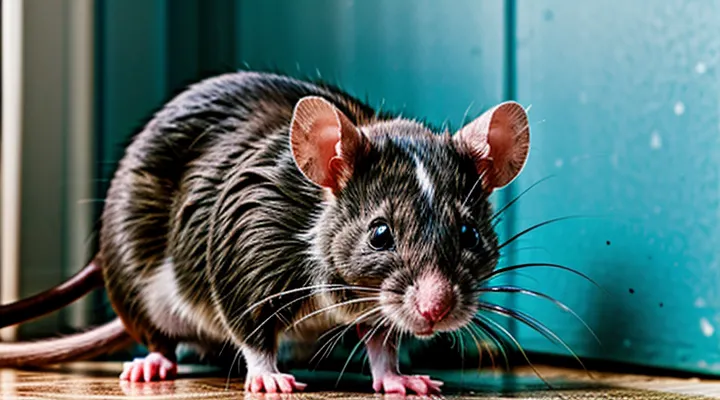
Understanding Rabies
What is Rabies
Rabies is a viral encephalitis caused by the rabies lyssavirus, a member of the Rhabdoviridae family. The virus targets the central nervous system, leading to progressive inflammation, dysfunction, and ultimately death if untreated.
Transmission occurs through the saliva of infected animals, most commonly via bites, scratches, or mucous membrane contact. While mammals such as dogs, bats, and raccoons are frequent reservoirs, rodents—including pet rats—are rarely natural hosts but can become infected if exposed to a carrier.
The incubation period varies from weeks to months, depending on factors such as the entry site and viral load. Early infection may be asymptomatic; as the virus reaches the brain, clinical signs emerge in three general phases:
- Prodromal stage: fever, reduced activity, mild behavioral changes.
- Furious stage: agitation, hypersensitivity, excessive salivation, difficulty swallowing.
- Paralytic stage: progressive weakness, paralysis, coma.
Diagnosis relies on direct fluorescent antibody testing of brain tissue after death; ante‑mortem samples (saliva, serum, cerebrospinal fluid) provide limited sensitivity. Post‑exposure prophylaxis with rabies immunoglobulin and vaccine remains the only effective preventive measure after a potential exposure.
Because rodents rarely sustain the virus, routine vaccination of pet rats is not standard practice. Nonetheless, any unexplained neurological symptoms in a rat should prompt immediate veterinary evaluation and consideration of rabies risk, especially if the animal has had contact with wildlife or unvaccinated carnivores.
How Rabies Affects Mammals
Rabies is a neurotropic virus that infects all mammalian species capable of supporting its replication. Transmission occurs through saliva, most often via bite wounds, and the incubation period varies with species, age, and wound severity.
After entry, the virus replicates in muscle cells before entering peripheral nerves. Axonal transport carries virions to the central nervous system, where widespread neuronal infection produces encephalitis and disrupts autonomic regulation. The disease course follows a predictable sequence of neurological disturbances.
Typical mammalian manifestations include:
- Prodromal stage: mild fever, lethargy, loss of appetite, localized hypersensitivity at the wound site.
- Furious stage: agitation, aggression, excessive vocalization, hyperesthesia, uncontrolled locomotion, and intermittent paralysis.
- Paralytic (dumb) stage: progressive flaccid paralysis beginning in the facial muscles, respiratory failure, and eventual coma.
In pet rats, the clinical picture mirrors the prodromal and paralytic phases. Early signs consist of reduced activity, decreased food intake, and heightened sensitivity around the bite area. Progression leads to facial droop, hind‑limb weakness, and loss of coordination. Unlike larger mammals, overt aggression is uncommon; paralysis predominates.
Veterinary assessment relies on observation of these signs, history of exposure, and laboratory confirmation through brain tissue analysis after euthanasia. Preventive measures—vaccination of reservoir species, strict quarantine of new rodents, and avoidance of untreated bite wounds—remain the most effective control strategy.
Can Pet Rats Get Rabies
Rabies Transmission Routes
Common Vectors
Rabies transmission to a pet rat occurs primarily through contact with infected animal saliva. The disease spreads when a rat receives a bite, scratch, or exposure to mucous membranes contaminated by the saliva of a carrier. Understanding the typical sources of infection helps owners recognize risk factors and implement preventive measures.
Common vectors include:
- Wild rodents – raccoons, squirrels, and other free‑living rats often carry the virus and may attack or bite a domestic rat during territorial disputes.
- Feral cats – predatory behavior and frequent encounters with rabid wildlife make feral felines a frequent source of infection.
- Stray or unvaccinated dogs – aggressive interactions or accidental bites can introduce the virus.
- Bats – nocturnal mammals shed rabies in saliva; a rat may be exposed if a bat roosts in the same enclosure or if the rat ingests contaminated material.
- Other carnivorous mammals – raccoons, skunks, and foxes are recognized reservoirs; indirect contact through shared bedding or contaminated surfaces can pose a threat.
Preventive actions focus on eliminating exposure to these vectors: secure housing, restrict outdoor access, and keep other pets up to date with rabies vaccinations.
Unlikely Transmission to Pet Rats
Rabies infection in domesticated rats is exceptionally rare. Rodents possess innate resistance to the virus, and experimental data show limited viral replication within their nervous tissue. Consequently, natural transmission from typical rabid reservoirs—such as wild carnivores—to pet rats occurs only under extraordinary circumstances, for example, direct bite from an infected animal that has penetrated deep into muscle tissue.
If a rat were to contract rabies, clinical presentation would differ from that of larger mammals. Observable indicators may include:
- Sudden aggression or uncharacteristic biting behavior
- Marked lethargy progressing to paralysis of hind limbs
- Excessive salivation or foam formation around the mouth
- Unexplained weight loss and loss of appetite
- Disorientation, circling, or inability to navigate familiar environments
These signs develop rapidly after the incubation period, which in rodents is typically shorter than in dogs or cats.
Risk evaluation centers on exposure routes. Rabid wildlife seldom interacts with indoor rodents; cages provide a physical barrier, and standard husbandry practices prevent contact with stray animals. Even in outdoor enclosures, the probability of a rat receiving a deep bite from a rabid predator remains minimal. Preventive actions focus on securing habitats, avoiding free‑range access, and ensuring that any wildlife encountered is managed by qualified professionals.
In summary, while rabies can theoretically affect a pet rat, the combination of species resistance, limited exposure opportunities, and rapid disease progression makes transmission to these animals highly unlikely. Owners should monitor for the listed clinical signs but can consider rabies a low‑probability concern when proper containment is maintained.
Rabies Incubation Period
The incubation period for rabies in a pet rat denotes the interval between virus entry and the onset of clinical manifestations. In rodents, the period is highly variable, generally spanning from 10 days to several months. Factors influencing duration include the viral load introduced, the site of inoculation (e.g., bite versus scratch), and the rat’s age and immune status. Shorter intervals, often under three weeks, are associated with high‑dose exposures, whereas low‑dose or peripheral exposures may extend beyond six weeks.
During this silent phase, the animal appears normal, making early detection reliant on knowledge of exposure risk rather than observable symptoms. Once the virus reaches the central nervous system, signs such as excessive salivation, aggression, paralysis, or abnormal vocalizations emerge, typically within a few days of the incubation’s end. Owners should monitor any recent contact with potentially infected wildlife and consider quarantine for at least the maximum reported incubation length before ruling out infection.
- Typical range: 10 days – several months
- Shorter incubation: high viral dose, direct bite
- Longer incubation: low dose, peripheral entry, young or immunocompromised rats
- Clinical signs appear rapidly after incubation concludes
- Quarantine period should match the longest documented incubation time for rodents.
Recognizing Rabies Signs in Pet Rats
Behavioral Changes
Aggression
Aggression often signals rabies infection in a domesticated rat. The virus attacks the central nervous system, altering behavior and provoking hostile actions toward humans or other animals.
- Sudden attacks on handlers without provocation
- Biting or lunging with increased force compared to normal play
- Persistent territoriality, marked by relentless chasing or guarding of a limited area
- Uncharacteristic vocalizations accompanied by rapid, erratic movements
These behaviors differ from typical rat dominance displays by their intensity, frequency, and lack of social context. Immediate veterinary assessment is required when aggression emerges abruptly, especially if accompanied by fever, excessive salivation, or paralysis. Early diagnosis and isolation prevent further transmission and protect both the animal and its caretakers.
Uncharacteristic Docility
Uncharacteristic docility in a pet rat signifies a deviation from the species’ normal alert and inquisitive demeanor. A rat that suddenly remains motionless, accepts handling without resistance, or shows an absence of typical escape responses may be exhibiting a neurological alteration.
Rabies targets the central nervous system, disrupting normal reflex arcs and causing muscle weakness or paralysis. The virus can suppress aggression and stimulate a calming effect, leading the animal to appear unusually tame. This behavioral shift often precedes more overt neurological signs.
Other clinical manifestations that may accompany an abnormally gentle disposition include:
- Excessive salivation or foaming at the mouth
- Unstable gait, stumbling, or loss of coordination
- Tremors or involuntary muscle contractions
- Vocalization changes, such as reduced squeaking
- Fever or lethargy beyond normal rest periods
If uncharacteristic docility is observed, immediate isolation of the rat from other animals is essential. Contact a veterinarian with expertise in exotic pets promptly; diagnostic testing for rabies may be required. Protective equipment, such as gloves, should be worn during handling to reduce exposure risk. Early intervention improves the likelihood of accurate diagnosis and appropriate care.
Disorientation and Stumbling
Disorientation in a pet rat manifests as a loss of spatial awareness. The animal may wander aimlessly, fail to recognize familiar objects, and appear confused when navigating its enclosure. This behavior often accompanies a lack of response to stimuli that would normally elicit a clear reaction, such as a gentle touch or a sudden sound.
Stumbling is observed when the rat’s gait becomes unsteady. Signs include frequent trips over bedding, sideways swaying while moving, and an inability to maintain a straight line. The animal may pause mid‑step, appear to search for footing, or collapse after short bursts of activity. Together, these motor disturbances suggest a neurological compromise that is characteristic of rabies infection in small rodents. Immediate veterinary assessment is essential to confirm the diagnosis and initiate appropriate containment measures.
Paralysis
Paralysis often appears early in a rat infected with rabies. The animal may lose control of one or more limbs, beginning with the hindquarters and spreading to the forelimbs. Sudden drooping of the back leg, inability to grasp food, or a limp gait signal neurological failure.
Progression can be rapid. Within hours, the affected muscles become flaccid, and the rat may collapse. Facial muscles may also weaken, resulting in a drooping jaw or an inability to groom. In advanced stages, total body paralysis may occur, rendering the rat immobile and unresponsive to stimuli.
Differential diagnosis includes trauma, spinal injury, and toxin exposure. Distinguishing rabies‑related paralysis requires consideration of additional clinical signs, such as excessive salivation, aggression, or abnormal vocalizations, and a history of exposure to wild animals or bite wounds.
Immediate response is critical. Isolate the rat, avoid direct contact, and contact a veterinarian experienced with exotic pets. The veterinarian will confirm rabies through laboratory testing and advise on quarantine or euthanasia, as the disease is uniformly fatal and poses a zoonotic risk.
Physical Manifestations
Excessive Salivation («Foaming at the Mouth»)
Excessive salivation, often observed as frothy material around the mouth, is a hallmark indicator that a pet rat may be infected with the rabies virus. The virus attacks the nervous system, causing loss of control over the muscles that regulate saliva production and swallowing. As a result, the animal produces an abnormally large volume of saliva that cannot be contained, leading to visible foaming.
Key characteristics of this symptom include:
- Continuous drooling that does not subside with gentle stimulation or cleaning.
- Bright, white or slightly yellowish foam coating the lips, whiskers, and surrounding fur.
- Inability or reluctance to lick the mouth, suggesting impaired swallowing reflexes.
- Accompanying signs such as agitation, uncharacteristic aggression, or lethargy, which may appear in rapid succession.
Veterinarians distinguish rabies‑related salivation from other causes—such as dental disease, oral infections, or exposure to irritants—by assessing the animal’s overall neurological status and recent exposure history. Laboratory confirmation typically involves post‑mortem brain tissue analysis, as live testing is not feasible.
Immediate isolation of the rat is mandatory to prevent potential transmission to humans or other animals. Protective gloves and a face shield should be worn when handling the animal, and local health authorities must be notified promptly. Once rabies is suspected, euthanasia is often recommended to alleviate suffering and eliminate the risk of spread.
Prevention relies on strict biosecurity: avoid contact with wild rodents, enforce quarantine for newly acquired rats, and maintain up‑to‑date vaccination programs where available. Regular health checks that include observation of oral secretions can detect abnormal salivation early, allowing swift intervention before the disease progresses.
Difficulty Swallowing
Difficulty swallowing, or dysphagia, often appears early in rodents infected with the rabies virus. The virus targets the brainstem, disrupting the neural circuits that control the muscles of the pharynx and esophagus. As a result, affected rats may exhibit prolonged chewing, frequent pauses during feeding, or an inability to ingest food and water.
Observable signs accompany the swallowing impairment:
- Drooling or excessive salivation caused by loss of control over oral muscles.
- Gagging or choking episodes while attempting to eat.
- Reduced intake of food and water, leading to rapid weight loss.
- Audible breathlessness or irregular respiratory sounds when the animal tries to swallow.
These manifestations differentiate rabies‑related dysphagia from other conditions such as dental disease or gastrointestinal obstruction, which typically present with localized pain rather than a systemic neurological deficit. Prompt veterinary assessment is essential; laboratory testing of brain tissue after euthanasia confirms infection, while immediate isolation and protective measures protect handlers from potential transmission. Early recognition of swallowing difficulty can accelerate decision‑making and reduce the risk of further spread.
Self-Mutilation
Self‑mutilation in a pet rat is a serious clinical sign that may indicate rabies infection. The behavior typically appears as persistent gnawing or biting of the animal’s own skin, ears, tail, or genital area, often resulting in fresh wounds or severe tissue damage. Unlike occasional grooming, the actions are aggressive, repetitive, and cause noticeable blood loss or inflammation.
Key characteristics of self‑inflicted injury associated with rabies include:
- Sudden onset in an otherwise healthy rat.
- Intense agitation or frantic movements while the rat attacks its own body.
- Absence of external stimuli that could explain the behavior (e.g., parasites, injuries).
- Accompanying neurological signs such as excessive drooling, disorientation, or hyperexcitability.
When self‑mutilation is observed, immediate veterinary assessment is essential. Diagnostic steps typically involve a thorough physical examination, observation of neurological status, and laboratory testing for rabies virus. Prompt isolation of the animal and implementation of protective measures for handlers are required to prevent transmission. If rabies is confirmed, euthanasia is generally recommended to eliminate the risk to other animals and humans.
Sensitivity to Light and Sound
Rabies can cause heightened sensitivity to light and sound in a pet rat. The animal may seek darkness, avoid brightly lit areas, and display distress when exposed to sudden noises. These reactions differ from normal skittish behavior because they appear suddenly, intensify rapidly, and persist despite habituation.
Typical manifestations include:
- Persistent avoidance of light sources, even low‑intensity illumination.
- Rapid blinking, squinting, or closing of eyes when light levels rise.
- Startle responses to ordinary household sounds, such as footsteps or door closures.
- Continuous vocalizations or trembling when exposed to sudden acoustic stimuli.
- Reduced activity and reluctance to explore, contrasting with usual nocturnal foraging.
Observation of these signs warrants immediate veterinary assessment, as rabies progresses quickly and poses a zoonotic risk. Isolation of the affected rat, use of protective gloves, and notification of local animal health authorities are essential steps pending professional evaluation.
Differentiating Rabies from Other Conditions
Common Rat Ailments with Similar Signs
Respiratory Infections
Respiratory disease in a pet rat often produces nasal discharge, sneezing, audible wheezing, and increased respiratory effort. These manifestations can be mistaken for early neurologic disturbance associated with rabies, especially when the infection affects the brainstem and alters breathing patterns.
Common bacterial and viral agents that target the respiratory tract include Mycoplasma pulmonis, Streptococcus pneumoniae, Sendai virus, and rat coronavirus. Typical clinical presentation consists of:
- Clear or purulent nasal secretions
- Intermittent or continuous sneezing
- Labored inhalation and exhalation
- Audible wheezes or crackles on auscultation
- Reduced activity and weight loss
Rabies primarily affects the central nervous system, leading to aggression, paralysis, hypersalivation, and loss of coordination. In the later stages, involvement of the medulla can produce irregular breathing, but this occurs after clear neurologic signs emerge. Distinguishing factors are:
- Presence of neurologic deficits (e.g., ataxia, limb weakness) precedes respiratory changes in rabies.
- Respiratory infection usually lacks overt neurologic signs.
- Fever and mucopurulent discharge accompany respiratory disease, whereas rabies does not produce these systemic inflammatory signs.
Diagnostic confirmation requires laboratory testing. Respiratory pathogens are identified through culture, PCR, or serology of nasal swabs and lung tissue. Rabies suspicion mandates a direct fluorescent antibody test on brain tissue after humane euthanasia, in accordance with local public health regulations.
Treatment of respiratory infection involves antimicrobial therapy targeted at Mycoplasma and secondary bacterial invaders, supportive care such as humidified environments, and isolation to prevent spread. If rabies cannot be ruled out, immediate quarantine, notification of veterinary authorities, and humane euthanasia are mandatory to protect human and animal health.
Neurological Disorders
Rabies infection in a domestic rat produces a distinct set of neurological abnormalities that differentiate it from other central nervous system disorders. The virus targets neurons, leading to rapid deterioration of motor control, sensory processing, and autonomic regulation.
Typical neurologic manifestations include:
- Sudden aggression or uncharacteristic biting behavior.
- Hyperactivity followed by marked lethargy.
- Uncoordinated gait, stumbling, or inability to maintain balance.
- Facial muscle twitching, especially around the mouth and ears.
- Excessive salivation or foaming at the mouth.
- Difficulty swallowing, resulting in choking or regurgitation.
- Abnormal vocalizations or high‑pitched squeals.
These signs contrast with other rat neurological conditions such as epilepsy, toxin‑induced tremors, or bacterial meningitis, which often present with seizures, focal paralysis, or fever without the characteristic hypersalivation and progressive aggression. Rabies progresses within days; early hyperexcitability gives way to profound paralysis and coma, whereas most alternative disorders evolve more slowly or respond to specific treatments.
Diagnostic confirmation requires laboratory testing of brain tissue after euthanasia or, where permitted, collection of saliva, cerebrospinal fluid, or skin biopsies for viral antigen detection. Immediate isolation of the animal and post‑exposure prophylaxis for humans and other exposed pets are essential to prevent transmission.
Prognosis for a rat with rabies is uniformly fatal; supportive care can only alleviate discomfort during the terminal phase. Prevention hinges on strict biosecurity, avoidance of contact with wildlife, and vaccination of susceptible companion animals that may serve as vectors.
Poisoning
Rabies in a pet rat typically presents with neurological changes such as excessive salivation, aggression, paralysis, and loss of coordination. These signs can be mistaken for toxic exposure, making accurate assessment essential.
Poisoning produces a distinct set of clinical manifestations that may overlap with rabies but also include specific indicators:
- Tremors or convulsions triggered by neurotoxic agents
- Rapid breathing or respiratory distress caused by respiratory toxins
- Gastrointestinal upset, including vomiting and diarrhea, uncommon in rabies
- Sudden collapse without the progressive paralysis seen in rabies infection
- Abnormal pupil size or eye discoloration linked to certain chemicals
Differentiating the two conditions relies on symptom chronology and exposure history. Rabies progresses over days, while poisoning often leads to abrupt onset after ingestion or contact with the toxin. Laboratory testing for rabies antigens and toxicology screens provide definitive confirmation. Immediate veterinary intervention is required for both scenarios, but treatment protocols differ: antiviral supportive care for rabies versus decontamination and antidote administration for poisoning.
Importance of Veterinary Consultation
When a pet rat exhibits abnormal behavior or neurological symptoms, prompt professional assessment prevents disease spread and safeguards both animal and human health. Rabies progresses rapidly; only a qualified veterinarian can confirm infection through laboratory testing and determine the appropriate response.
Typical indicators that require immediate veterinary attention include:
- Sudden aggression or uncharacteristic biting
- Excessive salivation or foaming at the mouth
- Unsteady gait, tremors, or paralysis
- Disorientation, circling, or loss of balance
- Fever accompanied by lethargy or refusal to eat
A veterinarian provides several advantages: precise diagnosis using validated methods, guidance on quarantine measures, recommendation of humane euthanasia or supportive care when feasible, and mandatory notification to public‑health authorities. These actions reduce the risk of transmission to owners, other pets, and wildlife.
If any of the listed signs appear, isolate the rat, document the onset and progression of symptoms, and contact a veterinary clinic experienced with exotic rodents without delay.
Prevention and Response
Preventing Rabies Exposure
Keeping Rats Indoors
Keeping rats inside the home reduces exposure to wild animals that could transmit rabies, but owners must still recognize the disease’s clinical presentation to act quickly.
Typical rabies manifestations in a pet rat include:
- Sudden aggression or uncharacteristic biting
- Excessive drooling or frothy saliva
- Difficulty swallowing, leading to choking sounds
- Unsteady gait, tremors, or paralysis of the hind limbs
- Elevated body temperature accompanied by lethargy
Effective indoor management relies on strict hygiene and monitoring:
- Isolate new rats for at least two weeks before introduction to the resident colony.
- Maintain cages free of droppings and urine; clean daily with a mild disinfectant.
- Conduct daily health checks, observing behavior, appetite, and physical condition.
- Vaccinate surrounding pets against rabies according to veterinary guidelines; keep vaccination records accessible.
- Limit direct contact with wildlife; seal openings, use screens, and store food in sealed containers.
Prompt veterinary consultation is required at the first sign of neurological or salivary abnormalities. Early diagnosis and isolation protect both the affected rat and the broader indoor population.
Avoiding Contact with Wild Animals
Rabies can appear in a domesticated rat through exposure to infected wildlife. Preventing such exposure is essential for protecting the animal’s health and for public safety.
Limit the rat’s environment to a secure enclosure. Ensure that the cage is sealed against gaps and that any outdoor access is supervised. Do not allow the rat to roam freely in areas where wild mammals, especially raccoons, skunks, bats, and foxes, may be present.
Maintain strict hygiene when handling the rat. Wash hands and any equipment before and after contact. Use disposable gloves if the rat has been outside the enclosure or if it shows any abnormal behavior.
Identify early rabies indicators in the rat to act quickly. Typical signs include:
- Sudden aggression or uncharacteristic biting
- Excessive drooling or foaming at the mouth
- Disorientation, staggering, or loss of balance
- Paralysis beginning in the hind limbs and progressing forward
If any of these symptoms appear, isolate the rat immediately and contact a veterinarian experienced with exotic pets. Report the incident to local animal health authorities to assess potential wildlife exposure.
Implement a pest‑control program around the home. Eliminate food sources and nesting sites that attract wild carriers. Secure trash containers and remove standing water that may draw insects, which can indirectly support rabies‑vector populations.
Regular veterinary check‑ups provide a professional assessment of the rat’s health and allow for timely vaccination discussions, even though rabies vaccines for rats are uncommon. Veterinary advice can guide owners on the most effective preventive strategies tailored to their specific environment.
What to Do if You Suspect Rabies
Isolating the Rat
When rabies is suspected in a pet rat, immediate isolation prevents exposure to other animals and humans. Place the rat in a single‑use, escape‑proof cage that can be sealed. Ensure the cage is located in a low‑traffic area, away from food preparation zones and other pets.
Isolation protocol
- Wear disposable gloves and a face shield before handling the rat.
- Transfer the animal using a clean, sturdy container; avoid direct contact with fur or saliva.
- Secure the cage with a latch that cannot be opened without a tool.
- Provide fresh water and a small amount of soft food, but limit handling to essential care.
- Record the rat’s behavior, temperature, and any neurological signs at least twice daily.
- Contact a veterinarian experienced with exotic mammals within the first hour; follow their guidance on testing and treatment.
- Disinfect all surfaces and equipment that came into contact with the rat using a 10% bleach solution or an approved virucidal agent.
- Maintain isolation for the duration recommended by the veterinarian, typically until a definitive diagnosis is obtained.
Prompt, controlled isolation reduces the risk of virus transmission and facilitates accurate diagnosis and appropriate medical response.
Contacting a Veterinarian
When abnormal behavior or neurological symptoms appear in a pet rat, immediate professional assessment is essential. Delays increase the risk of disease progression and potential exposure to humans.
Contact the veterinarian promptly. Provide the following information during the call:
- Species and approximate age of the rat.
- Onset time and description of symptoms (e.g., aggression, excessive salivation, tremors, paralysis).
- Recent exposures to wildlife, bites, or scratches.
- Vaccination history, if any.
- Current housing conditions and recent changes in diet or environment.
Ask the clinic whether they have experience with exotic small mammals and whether they can perform a rabies diagnostic test or refer to a specialist. Confirm the availability of emergency appointments, isolation facilities, and the protocol for handling suspected rabid rodents.
Prepare the rat for transport by placing it in a secure, well‑ventilated carrier that prevents escape and minimizes stress. Wear disposable gloves and consider a mask to reduce the chance of aerosol exposure. Label the carrier with “Potential rabies – handle with care.”
During the veterinary visit, expect a physical examination, possible laboratory analysis of saliva or brain tissue, and discussion of quarantine requirements. Follow the veterinarian’s instructions regarding observation periods, euthanasia decisions, and reporting to local health authorities.
Document the call details, appointment time, and any recommendations received. Retain this record for future reference and for compliance with public‑health reporting mandates.
Reporting to Local Authorities
When a pet rat exhibits signs that may indicate rabies, the owner must inform the appropriate public‑health agency without delay. Failure to report can jeopardize community safety and may contravene local regulations.
- Contact the municipal animal control office or health department as soon as suspicion arises.
- Provide the animal’s identification, owner’s contact details, and a brief description of observed symptoms (e.g., sudden aggression, excessive salivation, paralysis).
- Supply the date and location where the rat was acquired, and any recent exposure to wild animals or bite incidents.
The authority will record the report, assess risk, and arrange for safe capture or humane euthanasia of the animal. Veterinary assessment and laboratory testing follow to confirm infection. Quarantine measures may extend to other pets in the household, and vaccination status of at‑risk animals will be reviewed.
After the incident, the agency issues a written confirmation and guidance on post‑exposure prophylaxis for persons potentially exposed. Owners should retain this documentation for future reference and comply with any additional instructions, such as disposal of the carcass or environmental decontamination.