
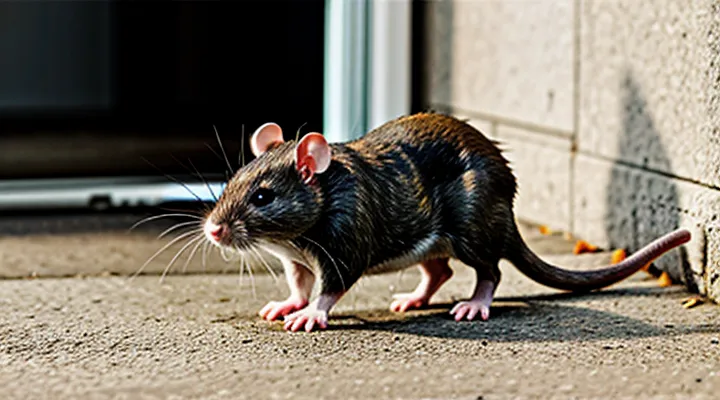
Understanding a Rat’s Life Cycle
Normal Lifespan of a Pet Rat
Pet rats usually live between two and three years, with most reaching the 24‑ to 30‑month mark under optimal conditions. Fancy rats (Rattus norvegicus domestica) tend to have slightly longer lifespans than wild‑type or laboratory strains, often extending to 36 months when provided with balanced nutrition, regular veterinary care, and a low‑stress environment.
Key factors that influence longevity include genetics, diet quality, housing hygiene, and exposure to disease. Proper rodent‑specific feed, fresh water, and enrichment reduce stress‑related illnesses that can truncate life expectancy. Regular health checks allow early detection of conditions such as respiratory infections, tumors, or metabolic disorders, which are common causes of premature death.
Understanding the typical lifespan establishes a baseline for recognizing abnormal health decline. When a rat approaches or exceeds the average age range, owners should monitor for subtle changes that may signal the end of life, such as reduced activity, loss of appetite, or respiratory distress. These indicators become more meaningful when contrasted with the expected longevity of a healthy pet rat.
- Average lifespan: 24–30 months (standard care)
- Extended lifespan: up to 36 months (optimal care)
- Primary longevity determinants: genetics, nutrition, environment, veterinary oversight
Accurate knowledge of these parameters enables owners to differentiate normal aging from urgent health crises, thereby facilitating timely intervention or compassionate end‑of‑life decisions.
Common Health Issues in Older Rats
Older rats frequently develop health problems that signal an approaching end of life. Recognizing these conditions enables timely veterinary intervention and humane decision‑making.
- Respiratory infections – Persistent sneezing, nasal discharge, labored breathing, or chronic cough indicate severe pulmonary compromise.
- Renal failure – Increased drinking and urination, weight loss, and lethargy reflect declining kidney function.
- Neoplastic growths – Palpable abdominal masses, swelling under the skin, or rapid size increase suggest malignant tumors.
- Dental disease – Overgrown incisors, difficulty chewing, and visible oral lesions lead to malnutrition and systemic decline.
- Gastrointestinal stasis – Reduced fecal output, abdominal distension, and loss of appetite point to impaired digestion.
- Cardiovascular decline – Weak pulse, cyanosis of the extremities, and sudden collapse denote heart failure.
- Severe dermatitis or skin ulcers – Extensive hair loss, raw patches, and foul odor indicate systemic infection or poor circulation.
Each condition typically progresses rapidly in geriatric rats. Respiratory distress and renal failure often become fatal within days if untreated. Tumors may cause internal bleeding or organ obstruction, accelerating demise. Dental and gastrointestinal issues compromise nutrient absorption, leading to profound weakness. Cardiovascular collapse can occur abruptly, leaving little time for rescue. Skin ulceration frequently accompanies underlying infection that spreads systemically.
Monitoring these clinical signs provides a reliable framework for assessing a rat’s remaining lifespan and determining when humane euthanasia may be the most compassionate option.
Behavioral Changes Indicating Decline
Reduced Activity and Lethargy
Less Interaction with Owners and Cagemates
Rats approaching the end of their lives often withdraw from social contact. A noticeable decline in interaction with both human caretakers and cage mates signals a serious health decline. The animal may spend extended periods alone in a corner, avoid grooming or play, and show little response to handling or vocal cues.
Key observations include:
- Reduced approach behavior when the owner enters the room.
- Lack of interest in communal feeding or nesting areas.
- Ignoring attempts at tactile stimulation, such as gentle petting or cage cleaning.
- Preference for isolation over group activities, even when other rats are active.
These patterns reflect diminished energy reserves and a possible loss of sensory perception. When a rat consistently isolates itself, the likelihood of an underlying terminal condition increases, warranting immediate veterinary assessment. Monitoring social engagement provides a reliable, non‑invasive metric for evaluating the animal’s overall prognosis.
Decreased Playfulness
Rats approaching the end of life often show a marked reduction in activity that previously characterized their normal behavior. Playful pursuits such as chasing objects, climbing structures, or engaging in social wrestles become rare or absent. This shift reflects a decline in energy reserves and a possible onset of systemic discomfort, signaling that the animal is no longer capable of sustaining typical exploratory or recreational actions.
Observable indicators of diminished playfulness include:
- Absence of spontaneous running or sprinting within the cage.
- Lack of interaction with toys, tunnels, or climbing apparatuses.
- Minimal engagement with cage mates during brief social encounters.
- Preference for stationary positions, often in corners or under bedding, rather than active exploration.
These behavioral changes, when combined with other physiological signs such as reduced appetite, lethargy, and weight loss, provide reliable evidence that the rat is nearing mortality. Prompt recognition allows caretakers to adjust care protocols, ensure comfort, and make informed decisions regarding end‑of‑life management.
Changes in Appetite and Hydration
Refusal to Eat or Drink
Refusal to eat or drink is a prominent indicator that a rat is approaching the end of its life. The behavior emerges from a combination of physiological decline and loss of appetite control.
When a rat stops consuming food, its body quickly depletes glycogen stores, leading to hypoglycemia and reduced energy availability. Simultaneously, dehydration sets in as water intake ceases, causing electrolyte imbalance, reduced blood volume, and organ failure. These metabolic disturbances accelerate the deterioration process and often precede other observable signs.
Key aspects of this symptom include:
- Duration: A continuous lack of feeding for 24–48 hours typically signals imminent mortality.
- Behavioral changes: The animal may become lethargic, withdraw from social interaction, and exhibit reduced grooming.
- Physical signs: Weight loss becomes evident, skin may appear dull, and the abdomen may feel sunken due to muscle wasting.
- Diagnostic relevance: Monitoring food and water consumption provides a reliable, non‑invasive method to assess the rat’s health trajectory.
Veterinarians and caretakers should record intake patterns daily. A sudden, sustained refusal to eat or drink warrants immediate evaluation, as it often marks the final stage of systemic decline. Prompt recognition can inform humane decision‑making and appropriate end‑of‑life care.
Weight Loss and Malnutrition
Weight loss in rats often signals severe physiological decline. A rapid reduction in body mass, exceeding 10 % of normal weight within a few days, reflects insufficient energy intake and elevated metabolic stress. The loss is typically accompanied by visible muscle wasting, especially along the spine and hind limbs, indicating catabolism of lean tissue.
Malnutrition compounds the deterioration. Diminished fur quality, with patches of dull, brittle hair, appears early. Skin may become thin and translucent, exposing underlying vessels. Reduced appetite, observed as prolonged periods without food consumption, directly contributes to the caloric deficit.
Additional observable effects reinforce the prognosis:
- Lethargy: limited movement, reluctance to explore, and prolonged periods of rest.
- Dehydration: sunken eyes, tacky skin, and reduced urine output.
- Abnormal posture: hunching or inability to maintain normal stance due to muscle loss.
These manifestations collectively point to a terminal trajectory. Prompt recognition allows for humane decision‑making and prevents unnecessary suffering.
Altered Grooming Habits
Unkempt or Matted Fur
Rats approaching the end of life often display a coat that is unkempt or matted. The fur becomes tangled, dull, and clumped, indicating an inability or unwillingness to groom. This condition reflects deteriorating physical health and reduced energy reserves.
The underlying causes include:
- Loss of fur elasticity due to dehydration or malnutrition.
- Accumulation of debris and parasites that the animal can no longer remove.
- Pain or discomfort that limits normal grooming behavior.
When the coat loses its usual sleek appearance, it signals systemic decline. The change is typically noticeable within days of other serious symptoms, such as lethargy or weight loss. Observers should record the extent of matting, noting whether the fur sticks together in patches or forms a general blanket of tangled hair.
In a clinical setting, veterinarians consider unkempt fur a reliable external indicator of imminent mortality. The observation helps prioritize humane care decisions, including palliative measures or end‑of‑life planning.
Staining Around the Mouth or Anogenital Area
Staining around a rat’s mouth or anogenital region frequently appears in the final stages of life. The discoloration results from blood pooling, tissue breakdown, or leakage of bodily fluids as circulation collapses. Around the mouth, dark red or brown patches may form where saliva mixes with blood, often accompanied by a foul odor. In the anogenital area, wet, reddish‑brown staining indicates loss of sphincter control and hemorrhage from internal organs.
Key observations:
- Dark, expanding patches on the lips, whisker pads, or surrounding skin.
- Moist, discolored material around the genital or anal opening.
- Rapid spread of staining over a few hours, suggesting systemic failure.
These signs correlate with severe hypoxia, organ shutdown, and loss of muscular tone. When they appear, the animal is unlikely to recover; humane euthanasia is recommended to prevent unnecessary suffering. Monitoring for these external markers assists caretakers in making timely, ethical decisions.
Hiding and Isolation
Rats approaching the end of life often withdraw from communal areas and seek secluded spaces. This behavior manifests as a pronounced reduction in outward movement and a preference for hidden corners, burrows, or any location that offers minimal exposure.
Typical manifestations include:
- Persistent nesting in dark, confined spots rather than shared nesting material.
- Avoidance of group interaction, even when food or water is readily available.
- Decreased responsiveness to external stimuli, resulting in prolonged periods of stillness.
These patterns reflect an instinctive drive to conserve energy and reduce the risk of predation when physiological functions are weakening. The shift toward solitary sheltering provides a reliable indicator that the animal is nearing death.
Vocalizations and Pain Signals
Vocalizations provide a reliable gauge of a rat’s deteriorating condition. As the animal approaches the final stage of illness, the acoustic profile shifts noticeably:
- High‑frequency squeaks become sporadic, then cease altogether.
- Ultrasonic distress calls increase in pitch and amplitude before disappearing.
- Vocal bouts shorten in duration, with longer silent intervals between emissions.
- The overall call rate drops, reflecting reduced energy and motivation.
Pain signals accompany these auditory changes and manifest through observable somatic cues. Researchers assess the following markers to confirm severe discomfort and impending mortality:
- Facial grimace: tightened whisker muscles, narrowed eyes, and flattened nose bridge.
- Postural collapse: inability to maintain upright stance, frequent flopping onto the side.
- Reduced locomotion: minimal movement, reluctance to explore, and prolonged periods of immobility.
- Grooming cessation: absence of self‑cleaning behavior, indicating loss of self‑maintenance drive.
- Physiological distress: irregular breathing patterns, tachycardia, and elevated cortisol levels detectable in blood samples.
The convergence of diminished vocal output and pronounced pain indicators signals that the rat is in a terminal phase, prompting immediate humane intervention.
Physical Manifestations of Deterioration
Respiratory Distress
Labored Breathing or Wheezing
Labored breathing and wheezing are immediate visual cues that a rat’s health is rapidly declining. The animal may exhibit irregular, shallow breaths accompanied by audible wheezing sounds, especially during exhalation. These respiratory irregularities often result from severe pulmonary congestion, heart failure, or advanced infection, which compromise oxygen exchange and increase airway resistance.
Observing the pattern of respiration provides valuable information. Normal breathing in rats is quiet and regular, with a rate of 70–150 breaths per minute. When the rate becomes erratic, accompanied by audible high‑pitched wheezes or prolonged exhalation, the rat is likely experiencing systemic failure. The presence of mucus or fluid in the nasal passages, visible as a frothy discharge, further confirms respiratory distress.
Management options are limited at this stage. Immediate supportive care—such as gentle warming, minimal handling, and ensuring a quiet environment—may alleviate discomfort but does not reverse the underlying condition. Veterinary intervention can include supplemental oxygen or emergency bronchodilators, yet prognosis remains poor when labored breathing is persistent.
In summary, irregular, noisy respiration signals that a rat is approaching the end of its life cycle. Prompt recognition allows caretakers to provide humane care and make informed decisions about further treatment.
Porphyrin Staining Around Nose and Eyes
Porphyrin staining, a reddish‑brown discoloration that appears around a rat’s nose and eyes, is a reliable indicator of severe physiological stress and often precedes death. The pigment originates from the breakdown of heme compounds and is excreted in tears and nasal secretions when the animal’s immune system is compromised.
Key characteristics of porphyrin staining:
- Location – concentrated on the whisker pads, eyelids, and around the nasal bridge.
- Color – deep red to brown, intensifying as the condition worsens.
- Persistence – does not fade with routine cleaning; the stain reappears after each grooming cycle.
The presence of this stain correlates with:
- Systemic infection – bacterial or viral agents overwhelm the rat’s defenses, leading to hemorrhagic secretions rich in porphyrins.
- Organ failure – hepatic or renal insufficiency reduces the animal’s ability to metabolize heme, causing excess pigment release.
- Extreme dehydration – concentrated secretions increase pigment visibility, often accompanying terminal decline.
Distinguishing porphyrin staining from normal grooming residue is essential. Normal secretions are watery and clear, while porphyrin‑laden fluids are viscous and retain a distinct reddish hue after drying. Laboratory analysis can confirm porphyrin content by spectrophotometric measurement, providing objective evidence of the animal’s deteriorating state.
For researchers and caretakers, early detection of porphyrin staining warrants immediate assessment of health parameters—body weight, temperature, and behavior—and may necessitate humane euthanasia to prevent prolonged suffering. Monitoring this symptom alongside reduced activity, weight loss, and impaired grooming offers a comprehensive view of a rat’s approaching mortality.
Neurological Symptoms
Tremors or Seizures
Tremors and seizures are strong indicators that a rat is approaching the end of its life. Neurological instability manifests as uncontrolled muscle activity, often progressing from mild shaking to full convulsions. The onset is usually rapid, reflecting severe systemic failure or acute brain injury.
Key aspects of these events include:
- Sudden, repetitive shaking that does not subside with rest.
- Loss of coordination and inability to maintain posture.
- Episodes of generalized convulsions lasting seconds to minutes.
- Absence of response to typical calming measures or medication.
- Accompaniment by other terminal signs such as labored breathing and cyanosis.
When tremors evolve into seizure activity, the likelihood of survival drops dramatically. Immediate veterinary assessment is warranted, but prognosis remains poor once these neurological signs dominate the clinical picture.
Loss of Balance and Coordination
Rats approaching the end of life often exhibit pronounced instability. They may stumble while moving, appear unable to navigate familiar pathways, and frequently fall from elevated surfaces such as cages or platforms. These behaviors reflect deteriorating neuromuscular control and are observable even in familiar environments.
Typical manifestations include:
- Repeated loss of footing during short walks
- Inability to maintain a steady posture when standing
- Frequent tilting or rolling when attempting to climb
- Delayed or absent righting reflex after being turned upside down
- Erratic, uncoordinated paw movements during grooming or feeding
Such deficits arise from systemic decline affecting the central nervous system, musculature, and vestibular function. The progression from occasional slips to consistent inability to coordinate basic tasks signals that the animal’s physiological reserves are exhausted and death is imminent.
Head Tilting
Head tilting in a rat often signals severe neurological compromise that precedes death. The behavior appears as a persistent, unilateral or bilateral inclination of the head toward one side, sometimes accompanied by a slow, unsteady gait.
The tilt results from impaired vestibular function, brainstem degeneration, or acute intracranial pressure. When the inner ear balance organs or the neural pathways that integrate sensory input deteriorate, the animal cannot maintain normal head alignment.
Key observations that distinguish terminal head tilting from temporary disorientation include:
- Persistence for several hours or days without improvement.
- Lack of response to gentle repositioning or supportive handling.
- Concurrent signs such as loss of appetite, severe lethargy, and unresponsive pupils.
Veterinarians interpret sustained head tilt as an indicator that the rat’s central nervous system is failing, often reflecting advanced disease, infection, or trauma that the organism cannot recover from. Immediate euthanasia consideration is advised when the tilt is accompanied by systemic decline, as the prognosis is uniformly poor.
Changes in Body Temperature
Cold Extremities
Cold extremities in a rodent signal severe circulatory failure. As the heart weakens, blood flow to the paws and tail diminishes, causing the skin to lose warmth and turn pale or bluish. This temperature drop is measurable with a fingertip thermometer or by gently touching the limbs; a noticeable chill compared to the body core confirms the condition.
The physiological mechanism involves vasoconstriction aimed at preserving core temperature for vital organs. When the animal cannot maintain adequate perfusion, peripheral vessels close, and heat loss accelerates. The resulting hypothermia in the extremities appears before other systemic signs, making it a reliable early indicator of impending mortality.
Observational checklist:
- Paws, ears, and tail feel cold to the touch.
- Skin color shifts to pallor or cyanosis.
- Breathing becomes shallow, and the rat shows reduced movement.
- Core body temperature remains relatively stable while peripheral temperature drops.
Interpretation of cold extremities requires context. If the animal is in a cold environment, ambient temperature may influence readings; however, a sudden onset of chill in otherwise warm surroundings strongly suggests circulatory collapse. Prompt veterinary assessment is advisable, as this sign often precedes cardiac arrest and irreversible organ failure.
General Weakness and Collapse
Rats approaching the end of life often display a marked decline in muscular strength. They become sluggish, fail to maintain normal posture, and may lie motionless for extended periods. This deterioration reflects systemic energy depletion and organ failure.
Key manifestations of general weakness include:
- Inability to climb or explore familiar routes
- Reduced response to tactile or auditory stimuli
- Diminished grooming behavior and loss of fur sheen
- Frequent collapsing episodes, sometimes leading to unconsciousness
Collapse episodes typically follow a pattern of brief trembling, loss of balance, and rapid descent onto the cage floor. Recovery, if any, is brief and incomplete, with subsequent episodes occurring more frequently. Persistent inability to rise indicates imminent mortality.
Underlying causes involve severe dehydration, hypoglycemia, and progressive organ dysfunction. Veterinary assessment should focus on hydration status, blood glucose levels, and respiratory function to confirm the terminal trajectory. Immediate humane intervention is recommended once these signs become pervasive.
Skin and Fur Conditions
Sores or Ulcers
Sores and ulcers commonly appear on the ventral abdomen, hind limbs, and tail of a rat that is nearing the end of life. These lesions are typically irregular, with raised, necrotic edges and a dark, moist base. Rapid enlargement, foul odor, and bleeding indicate tissue breakdown and systemic decline.
Key characteristics include:
- Ulcer size exceeding 5 mm in diameter, with irregular margins.
- Presence of purulent discharge or hemorrhage.
- Progressive deepening into underlying muscle or bone.
- Lack of healing despite supportive care or cleaning.
The development of such lesions often follows severe dehydration, malnutrition, or advanced infection. Poor circulation in peripheral tissues reduces oxygen delivery, causing skin breakdown and ulcer formation. Concurrent respiratory or renal failure accelerates tissue necrosis, making ulcers a reliable predictor of imminent mortality.
Veterinarians use the appearance of non‑healing sores as a criterion to assess prognosis. When lesions show the described features, the likelihood of spontaneous recovery diminishes sharply, and humane euthanasia may be considered to prevent prolonged suffering.
Hair Loss
Hair loss appears frequently in rats that are approaching fatal illness. The coat becomes thin, patches of skin are exposed, and fur loses its sheen. Loss often concentrates around the tail base, ears, and abdomen, creating clearly bald areas that differ from normal seasonal shedding.
The condition results from severe physiological stress. Critical malnutrition deprives hair follicles of essential nutrients, leading to premature shedding. Systemic infections trigger inflammatory responses that disrupt follicular cycles. Organ failure, particularly of the liver or kidneys, releases toxins that damage skin cells. Elevated cortisol levels during chronic illness also suppress hair growth.
Key observations that commonly accompany coat deterioration include:
- Rapid body‑weight decline of more than 10 % within a few days
- Marked reduction in activity, with the rat spending most time motionless
- Labored or irregular breathing patterns
- Abnormal discharge from eyes, nose, or mouth
- Noticeable changes in skin texture, such as dryness or scaling
When hair loss presents alongside these signs, it strongly suggests that the animal is in a terminal stage. Prompt veterinary evaluation is essential to confirm underlying causes and to determine whether humane euthanasia is appropriate.
Providing Comfort During a Rat’s Final Days
Creating a Comfortable Environment
Soft Bedding and Easy Access to Resources
Rats that are approaching the end of their lives often modify their environment to reduce stress and conserve energy. One clear indicator is the selection of exceptionally soft bedding. The animal will spend prolonged periods lying on plush material, avoiding hard or coarse surfaces. This behavior reflects a need for comfort as physiological functions decline.
In addition to bedding preferences, a near‑terminal rat typically seeks the simplest route to food, water, and shelter. The animal will position itself close to the source of these essentials, minimizing movement. Observers may notice the rat arranging itself near a feeder or water bottle, rarely venturing far from the point of access.
Key observations include:
- Preference for thick, low‑density bedding, often rearranged to create a deep nest.
- Positioning of the nest directly adjacent to food or water containers.
- Reduced locomotion, with the rat remaining in a single area for extended periods.
- Frequent grooming of the bedding area to maintain a clean, soft surface.
These patterns signal that the rat is conserving energy and seeking maximum comfort, which commonly precedes the final stage of life. Recognizing these signs enables timely humane interventions.
Maintaining Appropriate Temperature
Temperature regulation is a critical indicator of a rat’s deteriorating condition. When core body temperature drops below the normal range of 36‑38 °C, the animal exhibits reduced movement, shivering, and a slowed heart rate. Persistent hypothermia often precedes fatal outcomes, especially in older or diseased rats.
Conversely, an elevated temperature exceeding 39 °C signals systemic stress. Hyperthermia manifests as rapid breathing, panting, and lethargy. If the increase is sustained despite environmental cooling, it suggests impending organ failure.
Monitoring ambient conditions supports accurate assessment:
- Maintain cage temperature between 20‑24 °C; deviations increase metabolic strain.
- Provide nesting material to allow self‑insulation; insufficient bedding accelerates heat loss.
- Use calibrated thermometers to track both ambient and rectal temperatures at regular intervals.
- Adjust heating elements promptly when temperature falls outside the optimal range; delayed correction correlates with higher mortality risk.
Rapid fluctuations—sudden drops or spikes—are especially prognostic. Consistent observation of these thermal patterns, combined with supportive environmental management, enables early identification of rats approaching the end of life.
Nutritional Support
Offering Palatable and Easy-to-Eat Foods
Rats nearing the end of life frequently shift to foods that are both flavorful and effortless to ingest. The change reflects diminished muscular strength, dental wear, and a reduced desire for complex textures. Soft, nutrient‑dense items satisfy caloric needs while minimizing the effort required for chewing.
Commonly accepted options include:
- Moist laboratory chow or wet pet food, softened with water or broth.
- Commercial baby formula, diluted to a thin consistency.
- Pureed fruits such as banana, apple, or pear, without added sugars.
- Gelatin or agar‑based gels enriched with protein powders.
- Soft boiled eggs, finely mashed.
Providing these foods serves two purposes. First, it maintains hydration and energy intake when the animal can no longer process dry pellets. Second, the preference for easily consumable meals acts as a reliable indicator that the rat’s health is deteriorating rapidly. Observing this feeding pattern allows caretakers to assess the animal’s condition without invasive procedures.
Syringe Feeding if Necessary
Syringe feeding becomes necessary when a rat can no longer ingest food voluntarily, indicating a critical decline in health. The inability to eat, combined with rapid weight loss and lethargy, signals that the animal is approaching the end of its life cycle. Forced oral intake through a syringe reflects a failure of normal feeding mechanisms and should be interpreted as a serious prognostic factor.
When syringe feeding is considered, the following precautions are essential:
- Use a sterile, appropriately sized feeding tube to minimize trauma.
- Prepare a nutritionally balanced, easily digestible liquid diet at body temperature.
- Administer small volumes (0.5–1 ml) gradually, allowing the rat to swallow between increments.
- Observe for signs of aspiration, coughing, or distress; discontinue if these occur.
- Record the frequency and amount of each feeding session to monitor progression.
Frequent reliance on syringe feeding, despite supportive care, typically precedes irreversible organ failure. Veterinary assessment should focus on underlying causes, but the persistent need for assisted feeding alone provides a reliable indicator that the rat is nearing death.
Pain Management
Consulting a Veterinarian for Pain Relief Options
When a rat exhibits clear indicators of impending death—such as severe lethargy, loss of appetite, unsteady gait, or respiratory distress—prompt veterinary assessment becomes essential for humane pain control.
Veterinarians can employ several pharmacologic and supportive strategies:
- Opioid analgesics (e.g., buprenorphine, tramadol) administered subcutaneously or orally to provide strong, short‑term relief.
- Non‑steroidal anti‑inflammatory drugs (e.g., meloxicam) for moderate pain when inflammation contributes to discomfort.
- Gabapentin to address neuropathic pain or muscle spasm.
- Compounded liquid formulations tailored to the rat’s size and swallowing ability.
- Fluids and electrolytes to maintain hydration, reducing secondary pain from dehydration.
- Environmental modifications such as soft bedding, warm temperature, and minimal handling to lessen stress‑induced discomfort.
The veterinarian will evaluate the rat’s condition, weigh potential side effects, and select a regimen that maximizes comfort while respecting the animal’s limited physiological capacity. Continuous monitoring ensures dosage adjustments respond to changes in pain level or overall health.
Gentle Handling and Reduced Stress
Gentle handling minimizes physiological stress, allowing clearer observation of terminal indicators in laboratory rats. When handlers use slow movements, support the animal’s torso, and avoid abrupt restraints, heart rate and respiratory patterns remain stable, reducing the likelihood of stress‑induced artifacts that could mask genuine end‑of‑life signs.
- Approach the cage from the side, not from above.
- Use cupped hands to lift, keeping the rat’s body horizontal.
- Limit handling sessions to the shortest duration needed for assessment.
- Allow the animal to recover on a soft surface before further manipulation.
Reduced environmental stress further clarifies the progression toward mortality. Maintaining a quiet room, stable temperature, and consistent lighting eliminates external variables that can trigger catecholamine surges, which otherwise obscure changes such as decreased locomotion, loss of appetite, and altered grooming behavior. Implementing these practices yields reliable data on the rat’s health trajectory and supports humane care during the final stage of life.
Emotional Support for the Owner
Coping with Anticipatory Grief
When a pet rat shows clear indicators of approaching death—such as severe lethargy, loss of appetite, unsteady gait, or respiratory distress—owners often experience anticipatory grief. This emotional response precedes the actual loss and can affect decision‑making, physical health, and daily routine. Effective coping requires proactive steps that acknowledge the impending loss while maintaining the animal’s comfort.
- Maintain a consistent care schedule: regular feeding, gentle handling, and monitoring of vital signs reduce uncertainty and provide a sense of control.
- Seek professional guidance: veterinary advice clarifies which symptoms signal imminent death and advises on humane euthanasia options, preventing prolonged suffering.
- Document observations: a concise log of behavioral changes, medication administered, and veterinary recommendations helps track progress and validates emotional reactions.
- Engage in supportive communication: sharing experiences with trusted friends, family, or online communities normalizes grief and offers practical coping strategies.
- Allocate dedicated time for reflection: brief moments of quiet contemplation, journaling, or mindfulness exercises allow processing of feelings without overwhelming the caregiver.
In parallel with these actions, it is crucial to create a calm environment for the rat. Dim lighting, soft bedding, and minimal handling reduce stress, which can indirectly ease the caregiver’s emotional burden. Recognizing that anticipatory grief is a natural response enables owners to address it deliberately, preserving both the rat’s dignity and the owner’s well‑being during the final phase of life.
Deciding on Euthanasia
Recognizing terminal indicators in laboratory rats informs the decision to end life humanely. When physiological decline becomes irreversible, euthanasia prevents unnecessary suffering and aligns with animal welfare standards.
Typical end‑stage signs include:
- Profound weight loss exceeding 20 % of baseline.
- Persistent hypothermia unresponsive to warming.
- Severe lethargy with minimal response to stimuli.
- Dehydration evidenced by skin tenting and sunken eyes.
- Respiratory distress marked by irregular or shallow breaths.
- Absence of normal grooming or nesting behavior for several days.
Decision criteria focus on three elements: medical prognosis, quality of life, and regulatory compliance. If a veterinarian confirms that recovery is improbable and the animal exhibits multiple terminal signs, euthanasia is justified. Documentation must record observed signs, diagnostic results, and the rationale for termination.
The euthanasia procedure follows established protocols: select an approved agent, calculate dosage based on current body weight, and administer via a route ensuring rapid loss of consciousness. Verify unconsciousness before proceeding to a secondary method that guarantees death. Post‑procedure, dispose of carcass according to institutional biohazard guidelines and update the animal’s record.
Differentiating Normal Aging from Critical Illness
Gradual Decline Versus Acute Onset
Veterinary observations distinguish two patterns that precede fatal outcomes in rodents: a slow, progressive deterioration and a rapid, severe collapse. Recognizing which pattern a rat exhibits allows caretakers to anticipate the timeline and adjust care accordingly.
In a gradual decline, physiological and behavioral changes appear over several days. Typical indicators include:
- Persistent weight loss exceeding 10 % of body mass
- Diminished grooming activity and a roughened coat
- Reduced food and water intake, often accompanied by occasional refusal
- Lethargy with intermittent periods of restlessness
- Progressive anemia, reflected in pale mucous membranes
- Slow, shallow breathing that becomes more irregular with time
These signs develop incrementally, allowing a window for intervention or humane decision‑making before irreversible organ failure ensues.
Conversely, an acute onset manifests within hours and signals imminent death. Key markers are:
- Sudden cessation of movement, unresponsive to tactile stimulation
- Profound hypothermia, with body temperature dropping below normal ranges
- Marked cyanosis of extremities and mucous membranes
- Rapid, gasping respirations that transition to apnea
- Abrupt cardiac arrhythmias detectable by auscultation or electrocardiography
- Massive hemorrhage or internal organ rupture, often evident as abdominal distension or blood‑tinged stools
The swift progression leaves little opportunity for therapeutic measures, emphasizing the need for immediate assessment and humane handling. Differentiating these trajectories improves prognostic accuracy and informs ethical care decisions for rats approaching the end of life.
When to Seek Veterinary Intervention
Recognizing Urgent Symptoms
Rats approaching the end of life display distinct, rapidly progressing symptoms that demand immediate veterinary attention. Recognizing these signs prevents unnecessary suffering and informs humane decision‑making.
- Sudden cessation of movement; the animal remains motionless even when stimulated.
- Profound loss of appetite, accompanied by complete refusal of water.
- Labored breathing characterized by irregular, shallow breaths or audible wheezing.
- Extreme lethargy with unresponsiveness to handling or environmental changes.
- Visible bleeding or discharge from any orifice, indicating systemic failure.
- Marked discoloration of the skin, particularly around the ears, tail, and paws, turning pale or cyanotic.
- Uncontrolled tremors or seizures that do not subside with basic support.
Additional observations include a rapid drop in body temperature, evident by a cold touch to the fur, and a noticeable decline in body weight over a short period. When multiple items from this list appear together, the prognosis is poor, and euthanasia should be considered to avoid prolonged distress.
Quality of Life Assessment
Evaluating a rodent’s quality of life as it approaches the end of its lifespan requires objective criteria that reflect both physiological decline and diminished welfare. Assessment should integrate measurable parameters rather than subjective impressions.
Key components include:
- Body weight loss exceeding 15 % of baseline.
- Persistent hypothermia (core temperature below 35 °C) unresponsive to warming.
- Marked reduction in food and water intake, defined as consumption below 30 % of normal levels for 48 hours.
- Severe lethargy, characterized by prolonged immobility and absence of exploratory behavior.
- Respiratory distress, evident as irregular breathing patterns, audible wheezing, or increased respiratory rate (>120 breaths/min).
- Abnormal posture, such as kyphosis or inability to assume a normal sternal position.
- Deterioration of coat condition, including piloerection, alopecia, or severe matting.
Scoring systems assign points to each sign, generating a cumulative index that quantifies welfare status. Thresholds are established through validation studies; a total score above a predetermined cut‑off signals that the animal’s quality of life has fallen below acceptable limits.
Implementation guidelines:
- Conduct observations twice daily, recording each parameter on a standardized sheet.
- Calculate the cumulative score after each observation period.
- When the score surpasses the critical threshold, initiate humane endpoint procedures in accordance with institutional protocols.
Objective, repeatable evaluation of these indicators enables consistent determination of when a rat’s welfare is compromised to the point of near‑inevitability of death, supporting ethical decision‑making.