
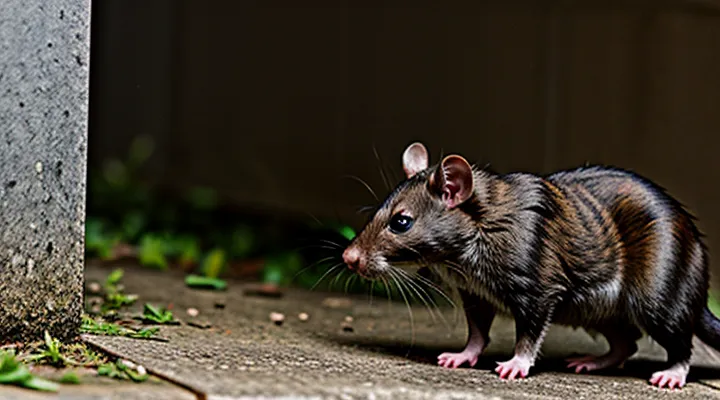
Understanding Rabies
What is Rabies?
Rabies is a neurotropic virus belonging to the Lyssavirus genus that infects mammals by invading the central nervous system. The pathogen is transmitted primarily through the saliva of an infected animal, most often via bites, scratches, or mucosal contact with contaminated secretions. After entry, the virus replicates at the wound site, then travels along peripheral nerves to the brain, where it causes encephalitis.
The disease has a variable incubation period, typically ranging from weeks to months, depending on factors such as the distance between the entry point and the brain and the viral load. Once clinical signs appear, progression is rapid and invariably fatal without prompt post‑exposure treatment.
Key characteristics of rabies infection include:
- Prodromal phase: mild fever, lethargy, loss of appetite.
- Neurological phase: agitation, hypersensitivity to light and sound, muscle spasms, difficulty swallowing, and excessive salivation.
- Terminal phase: paralysis, coma, and death.
Diagnosis relies on detection of viral antigens in brain tissue, saliva, or cerebrospinal fluid, usually through immunofluorescence, PCR, or serological assays. Preventive measures consist of vaccination of domestic animals, wildlife control, and immediate wound cleansing followed by administration of rabies immunoglobulin and vaccine after potential exposure.
How Rabies Affects Mammals
Rabies is a neurotropic virus that invades the central nervous system of all mammalian hosts. After peripheral entry, typically through a bite wound, the virus travels retrograde along peripheral nerves to the brain, where it triggers inflammation, neuronal dysfunction, and widespread demyelination. The resulting encephalitis produces agitation, hypersalivation, and loss of motor coordination, symptoms that appear across species.
In small rodents such as rats, the incubation period may be shorter than in larger mammals, but the fundamental pathogenesis remains identical. Viral replication in the brain induces dysregulation of autonomic centers, leading to excessive drooling and difficulty swallowing. Muscular rigidity and uncontrolled tremors follow, reflecting the virus’s impact on spinal motor neurons.
Across mammalian taxa, rabies produces a characteristic biphasic clinical course:
- Prodromal phase: mild fever, restlessness, and localized pain at the entry site.
- Neurological phase: agitation or lethargy, hydrophobia, hypersalivation, and paralysis of respiratory muscles.
Fatal outcomes are inevitable once the neurological phase is established, because the virus causes irreversible neuronal loss and compromises vital brainstem functions. Immunological response is insufficient to clear the infection; instead, the virus suppresses interferon signaling, allowing unchecked replication.
Preventive measures—vaccination of domestic animals, post‑exposure prophylaxis for humans, and control of wild rodent populations—remain the only effective strategy to interrupt transmission among mammals. Early identification of the described clinical signs in rats and other species enables timely intervention before the virus reaches the central nervous system.
The Unlikely Host: Rabies in Rats
Prevalence of Rabies in Rodents
Why Rats Are Less Common Carriers
Rats rarely serve as primary vectors of rabies, despite frequent contact with environments where the virus circulates. Their limited role stems from a combination of physiological, ecological, and epidemiological factors.
- Innate resistance: Laboratory studies show that rat neuronal tissue exhibits lower affinity for the rabies virus glycoprotein, reducing viral entry and replication compared with typical hosts such as dogs or wildlife carnivores.
- Short incubation period: When infection occurs, rats develop clinical signs rapidly, often resulting in early death before the virus can reach salivary glands, the site required for transmission.
- Behavioral patterns: Rats are primarily nocturnal and avoid direct contact with larger mammals that commonly harbor the virus, decreasing exposure opportunities.
Ecologically, rats occupy dense urban and subterranean niches where they encounter fewer infected carnivores. Their diet consists largely of plant material and refuse, limiting ingestion of infected tissue. Moreover, the social structure of rat colonies emphasizes brief, non‑aggressive interactions, reducing the likelihood of bite‑mediated transmission.
Surveillance data from multiple regions consistently record a prevalence of less than 0.1 % in rat populations, contrasting sharply with rates exceeding 5 % in known reservoir species. This disparity reinforces the conclusion that rats function more as incidental hosts than as significant carriers.
Consequently, public‑health monitoring prioritizes species with demonstrated reservoir competence, while still maintaining occasional testing of rats in outbreak zones to confirm the low‑risk status.
Risk Factors for Rat Rabies
Rabies transmission to rats occurs primarily through direct contact with the saliva of infected mammals. Factors that increase this exposure include proximity to wildlife reservoirs such as bats, raccoons, skunks, and foxes, especially in regions where rabies is endemic. Urban environments with high feral rat populations create opportunities for interspecies encounters, raising the likelihood of viral spillover.
Additional elements that elevate risk are:
- Introduction of rats from areas with documented rabies cases, without quarantine or health screening.
- High‑density housing conditions that facilitate aggressive encounters and bite incidents.
- Seasonal peaks in wildlife activity, typically late summer to early autumn, when rabid animals are more active.
- Lack of routine veterinary assessment or vaccination programs for laboratory or pet rats.
- Immunosuppression caused by malnutrition, concurrent disease, or stressful handling, which can impair the animal’s ability to resist infection.
Understanding these determinants enables caretakers and researchers to implement targeted biosecurity measures, reducing the probability of rabies appearing in rat colonies.
Recognizing Rabies Symptoms in Rats
Behavioral Changes
Aggression and Irritability
Aggression and irritability often appear early in rodents infected with the rabies virus. The pathogen attacks the central nervous system, disrupting normal neurotransmission and provoking heightened defensive responses. Infected rats may:
- Lunge at handlers or cage mates without provocation.
- Emit sharp, frequent bites or attempts to bite when approached.
- Exhibit rapid, erratic movements accompanied by vocalizations such as high‑pitched squeaks.
- Show reduced tolerance for handling, withdrawing or snapping at the slightest contact.
These behaviors differ from typical territorial disputes by their intensity, lack of a clear trigger, and rapid escalation. Observation of sudden, uncharacteristic hostility should prompt immediate isolation of the animal and consultation with a veterinarian experienced in zoonotic diseases. Early identification reduces the risk of transmission to humans and other animals and allows timely implementation of post‑exposure protocols.
Disorientation and Paralysis
Disorientation in infected rats appears as sudden loss of spatial awareness. Affected animals may wander aimlessly, fail to recognize familiar objects, and exhibit erratic turning or circling. These behaviors often precede motor impairment and signal rapid disease progression.
Paralysis follows the neurological decline. Initial weakness emerges in the hind limbs, advancing to complete loss of movement in the forelimbs and facial muscles. The animal may be unable to grip, stand, or coordinate swallowing, leading to drooling and difficulty breathing.
Key observations for early detection:
- Aimless roaming or circular pacing without a clear purpose
- Inability to locate food, water, or nesting material
- Progressive limb weakness, starting in the rear and spreading forward
- Total loss of grip or inability to support body weight
- Facial droop, inability to close eyes, or uncontrolled salivation
Prompt identification of these signs allows for immediate quarantine and veterinary intervention, reducing the risk of transmission to other rodents and humans.
Nocturnal Activity in Daytime
Rats infected with the virus that causes rabies often display a shift in their normal activity cycle. Instead of restricting movement to night hours, affected individuals become unusually active during daylight, a pattern that contrasts sharply with typical nocturnal behavior.
This daytime hyperactivity manifests as:
- Persistent roaming in open areas where rats usually remain hidden.
- Repeated climbing or jumping on structures during bright hours.
- Frequent biting or aggressive lunges toward humans or other animals when exposed to light.
- Disruption of normal feeding routines, with attempts to forage regardless of ambient illumination.
The altered schedule reflects neurological disturbance caused by the infection. Observers should record any instance of a rat breaking its usual night‑only pattern, especially when accompanied by aggression or disorientation. Early recognition of this behavioral deviation supports timely diagnosis and containment measures.
Physical Manifestations
Foaming at the Mouth
Foaming at the mouth is a hallmark sign of rabies infection in rats. The virus attacks the nervous system, leading to uncontrolled salivation and loss of muscle coordination. Excessive saliva mixes with air in the oral cavity, creating a frothy appearance that is readily visible.
Key characteristics of the foam include:
- White or pale, bubble‑filled saliva that coats the lips and whiskers.
- Persistent drooling even when the animal is at rest.
- Presence of foam regardless of ambient temperature or humidity.
Differentiation from other conditions is essential. Dental disease, respiratory infections, or stress‑induced drooling may cause excessive saliva, but they rarely produce the distinct froth associated with rabies. In those cases, saliva is typically clear and lacks bubbles, and the animal retains normal muscle tone.
When foaming is observed, immediate actions should follow:
- Isolate the rat to prevent bites or scratches.
- Contact a veterinarian or local animal health authority without delay.
- Wear protective gloves and avoid direct contact with saliva.
- Record the onset time, duration, and any accompanying neurological signs such as tremors, paralysis, or aggression.
Prompt identification of this symptom improves the chances of timely intervention and reduces the risk of virus transmission to humans and other animals.
Difficulty Swallowing
Difficulty swallowing, or dysphagia, is a hallmark sign of rabies infection in rats. The virus attacks the brainstem, disrupting the neural control of the pharyngeal muscles. As a result, affected rodents exhibit a marked reluctance to ingest food or water, often accompanied by gagging or choking sounds.
The onset of dysphagia typically follows the prodromal phase, during which rats may display subtle behavioral changes such as increased irritability or restlessness. Once swallowing becomes impaired, the animal may lose several grams of body weight within a short period, reflecting rapid dehydration and malnutrition.
Veterinarians use the presence of dysphagia, together with other clinical indicators—such as excessive salivation, aggressive biting, and abnormal vocalizations—to confirm rabies suspicion. Early identification of this symptom allows for timely quarantine and prevents further exposure to humans and other animals.
If a rat shows an inability to swallow, immediate isolation and protective equipment for handlers are required. Laboratory testing of brain tissue after humane euthanasia provides definitive diagnosis, while the observation of dysphagia remains a critical field marker for the disease.
Unusual Vocalizations
Rats infected with the rabies virus often produce sounds that differ markedly from their normal vocal repertoire. These atypical noises can include high‑pitched squeals, prolonged chattering, or guttural croaks that lack the rhythmic pattern of typical distress calls.
The altered vocal output results from viral damage to the brainstem and limbic system, which disrupts the neural circuits that regulate communication. As the infection progresses, the animal may lose control over the muscles used for breathing and phonation, leading to irregular breath‑linked noises.
Key observations for caretakers:
- Sudden emergence of unusually loud or harsh squeaks.
- Vocalizations that persist despite apparent lack of threat or stress.
- Sounds accompanied by tremors, unsteady gait, or aggression.
When these signs appear, immediate isolation of the rat and consultation with a veterinarian are essential. Laboratory testing can confirm rabies, after which appropriate public‑health measures must be enacted to protect humans and other animals.
Differentiating Rabies from Other Conditions
Common Rat Illnesses with Similar Symptoms
Distemper
Distemper is a contagious viral infection that can affect laboratory and pet rats, often emerging in environments where rabies surveillance is conducted. The disease originates from paramyxoviruses and spreads through respiratory secretions, contaminated bedding, and direct contact. Because both illnesses produce neurological disturbances, distinguishing distemper from rabies is essential for accurate diagnosis and appropriate response.
Typical manifestations of distemper in rats include:
- Nasal discharge and sneezing
- Conjunctivitis
- Lethargy and reduced appetite
- Tremors or ataxia
- Seizures in advanced stages
These signs overlap with rabies‑related symptoms such as aggression, paralysis, and excessive salivation, yet they differ in pattern and progression. Distemper usually begins with respiratory involvement before neurological signs appear, whereas rabies presents a rapid onset of neurological dysfunction without preceding respiratory illness.
Laboratory testing—polymerase chain reaction or virus isolation from nasopharyngeal swabs—confirms distemper, while rabies diagnosis relies on direct fluorescent antibody testing of brain tissue. Preventive measures include strict quarantine of new arrivals, regular sanitation of cages, and vaccination of susceptible colonies where available. Prompt identification of distemper prevents misinterpretation of symptoms as rabies, ensuring correct treatment protocols and safeguarding both animal and human health.
Poisoning
Poisoning can obscure the clinical picture of a rabies infection in rats, leading to misdiagnosis and delayed treatment. Both conditions may produce neurologic disturbances such as tremors, uncoordinated movement, and altered behavior. When a rat exhibits these signs, a thorough assessment of exposure history, including access to toxic substances, is essential before confirming rabies.
Key points for differentiating poisoning from rabies in rats:
- Onset timing – Toxic exposure usually triggers symptoms within minutes to hours; rabies incubation typically lasts days to weeks.
- Salivation pattern – Excessive drooling is common in rabies, whereas many poisons cause dry mouth or foamy secretions only in specific cases.
- Progression – Poisoning often leads to rapid deterioration and death, while rabies shows a gradual decline with increasing aggression and paralysis.
- Laboratory tests – Toxicology screens can identify common rodent poisons; rabies diagnosis requires brain tissue analysis or fluorescent antibody testing.
Management strategies differ markedly. Suspected poisoning warrants immediate decontamination, administration of antidotes when available, and supportive care. Confirmed rabies infection demands strict isolation, use of personal protective equipment for handlers, and notification of public health authorities for post‑exposure prophylaxis considerations. Accurate distinction between the two conditions prevents unnecessary quarantine and ensures appropriate therapeutic actions.
Neurological Disorders
Rabies infection in rats produces a spectrum of neurological disturbances that differentiate it from other rodent ailments. The virus targets the central nervous system, causing inflammation of the brain and spinal cord. Early involvement of the brainstem results in altered reflexes, while progression to the cerebrum leads to erratic behavior and motor impairment.
Key neurological manifestations include:
- Hyperexcitability of facial muscles, producing frequent twitching or spasms.
- Loss of coordination, evident as stumbling, inability to maintain balance, or falling when navigating obstacles.
- Abnormal vocalizations, such as high‑pitched squeaks or prolonged bouts of chattering.
- Seizure activity, ranging from brief myoclonic jerks to full‑body convulsions.
- Dysautonomia, characterized by irregular breathing patterns, fluctuating heart rate, and sudden temperature spikes.
Diagnostic evaluation relies on observing these signs in conjunction with laboratory confirmation. Brain tissue samples examined by immunofluorescence or PCR reveal viral antigens, while cerebrospinal fluid analysis may show elevated protein levels and pleocytosis. Imaging techniques, though less common in small rodents, can identify edema or focal lesions indicative of viral encephalitis.
Management options are limited once clinical signs emerge. Immediate isolation of affected individuals prevents transmission to conspecifics and humans. Post‑exposure prophylaxis for exposed personnel follows established rabies protocols, employing immunoglobulin and vaccine series. Experimental antiviral agents remain under investigation but have not demonstrated consistent efficacy in rodent models.
Understanding the neurologic profile of rabies in rats enables rapid identification, containment, and appropriate response, reducing the risk of wider outbreaks and safeguarding public health.
Key Distinguishing Signs
Rabies infection in rats presents a limited set of clinical indicators that differentiate it from other rodent ailments. Recognizing these signs promptly enables timely intervention and reduces the risk of transmission.
- Aggressive behavior: sudden hostility toward humans or other animals, including biting or lunging.
- Excessive salivation: foamy or watery discharge from the mouth, often accompanied by difficulty swallowing.
- Paralysis of the hind limbs: loss of coordination, dragging of the rear paws, or complete inability to move the back end.
- Vocalization changes: high‑pitched squeaks or chattering that differ from normal calls.
- Fever and lethargy: measurable rise in body temperature combined with marked reduction in activity and responsiveness.
What to Do if You Suspect Rabies in a Rat
Safety Precautions
Avoiding Contact
Rats may harbor the rabies virus; direct interaction creates the most immediate pathway for transmission. Preventing any physical contact eliminates the primary risk factor and protects both humans and other animals.
- Wear thick gloves and protective clothing when handling rats or cleaning cages.
- Use tools such as tongs, traps, or cages to move animals without touching them.
- Secure all entry points to buildings; seal gaps, vents, and holes that allow rodents to infiltrate.
- Store food and waste in sealed containers to discourage foraging and reduce attractants.
- Dispose of dead rodents promptly, following local regulations for hazardous waste.
These practices interrupt the virus’s route from saliva or neural tissue to a potential host. By removing the opportunity for bites, scratches, or mucous membrane exposure, the likelihood of infection drops to negligible levels.
Consistent application of barriers, protective gear, and environmental control provides a reliable defense against rabies transmission from rats.
Securing the Area
Securing the environment where rabies‑suspected rodents have been detected prevents further transmission and protects personnel. Immediate isolation of the affected zone limits animal movement and reduces exposure risk.
- Block all entry points with physical barriers such as mesh screens or temporary fencing.
- Post clear signage indicating quarantine status and hazard level.
- Restrict access to authorized staff only; maintain a log of entries and exits.
- Install ventilation controls to prevent aerosol spread while maintaining airflow for safety.
Personal protective equipment must be worn by anyone entering the controlled area. Required items include disposable gloves, impermeable gowns, face shields, and respiratory protection rated for viral pathogens. Decontaminate or discard PPE after each use according to biosafety protocols.
Sanitation procedures involve thorough cleaning of surfaces, cages, and equipment with approved virucidal agents. Apply disinfectant for the manufacturer‑specified contact time, then rinse and dry. Dispose of waste in sealed, labeled containers that meet local hazardous material regulations.
Continuous monitoring ensures the quarantine remains effective. Conduct daily visual inspections for breaches, rodent escape, or signs of disease progression. Record observations in a central log and report any anomalies to the supervising veterinarian immediately.
When the quarantine period expires, verify the absence of clinical signs and confirm negative laboratory results before lifting restrictions. Only then may the area be cleared for normal operations.
Reporting Suspected Cases
Local Animal Control
Local animal control agencies serve as the primary point of contact when rat populations exhibit signs of rabies infection. Their responsibilities include monitoring rodent activity, collecting specimens for diagnostic testing, and coordinating with public health officials to assess outbreak risk. By maintaining accurate records of rat sightings and reported illnesses, they create a data foundation for timely intervention.
When a potential case arises, control officers follow a standardized protocol:
- Verify visual symptoms such as excessive aggression, drooling, or paralysis.
- Secure the animal using humane traps designed to prevent bites.
- Transport the specimen to a certified laboratory for rabies testing.
- Notify the local health department of confirmed results.
- Implement targeted rodent control measures, including bait placement and habitat modification, to reduce transmission opportunities.
- Educate residents on safe handling practices and the importance of reporting abnormal rat behavior.
Control teams also enforce regulations that limit the spread of disease. They ensure that waste management practices do not attract rats, inspect commercial properties for structural breaches, and mandate sanitation standards that diminish rodent habitats. In conjunction with veterinary services, they may approve vaccination programs for domestic animals exposed to high‑risk environments, thereby creating an additional barrier to zoonotic spread.
Effective collaboration between local animal control, public health agencies, and community members reduces the likelihood of rabies transmission from rats to humans or pets. Prompt reporting, thorough investigation, and decisive control actions constitute the essential framework for managing this public health threat.
Public Health Authorities
Public health agencies are responsible for monitoring rabies occurrences among rodent populations, including rats. They collect data from veterinary clinics, wildlife rehabilitators, and laboratory reports to identify geographic clusters and temporal trends.
When a suspected case is confirmed, authorities issue alerts to local health departments, animal control units, and medical facilities. These alerts contain diagnostic criteria, recommended specimen handling procedures, and immediate protective measures for personnel.
Key functions performed by health agencies include:
- Establishing standardized case definitions for rabies infection in rats.
- Maintaining a centralized database of laboratory-confirmed incidents.
- Coordinating with animal‑health services to conduct targeted vaccination campaigns in high‑risk areas.
- Providing training modules for clinicians on post‑exposure prophylaxis protocols specific to rodent exposures.
- Publishing public advisories that outline safe handling practices for pet owners, laboratory workers, and field researchers.
Regulatory frameworks issued by these agencies define mandatory reporting timelines, sample submission guidelines, and quarantine requirements for facilities housing rats. Compliance is enforced through inspections and penalties for non‑reporting.
By integrating surveillance data with rapid communication channels, public health authorities reduce the risk of spillover to humans and other animals, ensuring that containment strategies are implemented promptly and uniformly.
Prevention and Control
Rodent Control Measures
Eliminating Food Sources
Eliminating food sources reduces the likelihood that wild or stray rats will encounter rabies‑infected animals. Proper management of waste and storage eliminates the attraction that draws rats into human environments, thereby decreasing contact with potentially infected wildlife.
- Secure garbage in sealed containers; replace liners regularly to prevent leakage.
- Remove pet food after each feeding session; store it in airtight containers.
- Clean up fallen fruit, spilled grains, or compost that is not fully decomposed.
- Install metal or concrete barriers around dumpsters and refuse areas to block entry.
- Maintain a schedule for clearing outdoor dining areas, grills, and picnic sites.
Consistent application of these measures lowers rat population density and limits opportunities for the virus to spread through bites or exposure to saliva. The resulting environment discourages rat activity, contributing to overall disease control.
Sealing Entry Points
Sealing gaps, cracks, and openings that allow rodents to enter a building directly reduces the likelihood of rat‑borne rabies exposure. By eliminating access points, the population of rats inside the premises stays low, limiting contact with infected wildlife and decreasing the chance that a sick animal will be encountered.
Typical entry points include:
- Gaps around utility pipes and wiring
- Openings at the base of doors, windows, and vents
- Cracks in foundation walls and floor joists
- Unscreened vents, chimneys, and crawl‑space hatches
Effective sealing procedures:
- Inspect the exterior and interior for any openings larger than a quarter‑inch.
- Apply steel wool or copper mesh to fill small gaps before applying sealant.
- Use high‑quality silicone or polyurethane caulk to close seams around pipes and fixtures.
- Install weather‑stripping on doors and windows to prevent gaps when closed.
- Fit metal flashing or hardware cloth over larger openings such as vents and chimney crowns.
- Repair foundation cracks with epoxy injection or hydraulic cement, ensuring a watertight bond.
Regular maintenance is essential. Conduct quarterly checks for new gaps caused by structural movement, weathering, or pest activity. Promptly reseal any deterioration to sustain a barrier against rat intrusion and the associated rabies risk.
Vaccinating Pets and Livestock
Vaccination of companion animals and farm stock is the primary preventative measure against rabies transmission from wild rodents. Licensed rabies vaccines are safe for dogs, cats, ferrets, and certain livestock species such as cattle, horses, and goats. Administering the vaccine before exposure eliminates the need for post‑exposure treatment and reduces the likelihood of virus spread to humans.
Typical vaccination protocols include:
- Initial dose given at three months of age or older for dogs and cats, followed by a booster at one year.
- Annual booster for most species; some products provide immunity for three years, permitting extended intervals.
- Livestock receive a single dose, with a booster recommended after three years or as dictated by local regulations.
Legal requirements vary by jurisdiction, but most authorities mandate rabies immunization for dogs and cats, and many extend the mandate to livestock used for food production. Compliance is verified through vaccination certificates issued by licensed veterinarians.
Effective vaccination programs depend on maintaining accurate records, monitoring vaccine expiration dates, and ensuring cold‑chain storage. When these practices are followed, the incidence of rabies in domestic animals declines sharply, limiting the risk posed by infected rats and other wildlife.
Public Awareness and Education
Public health programs must equip residents, pet owners, and laboratory personnel with clear criteria for identifying rabies infection in rats. Accurate recognition reduces transmission risk and facilitates timely veterinary intervention.
Typical clinical indicators include:
- Sudden aggression or uncharacteristic biting behavior
- Excessive salivation or frothy oral discharge
- Unsteady gait, paralysis of hind limbs, or inability to maintain balance
- Fever above normal rodent body temperature
- Lethargy progressing to coma
Education initiatives should combine factual resources with practical training. Strategies involve:
- Distributing concise fact sheets at veterinary clinics, animal shelters, and pet stores.
- Conducting brief workshops that demonstrate symptom assessment and safe handling techniques.
- Integrating rabies awareness modules into school science curricula and community health fairs.
- Leveraging social media platforms to circulate infographics and short video alerts during outbreak periods.
Community members can act decisively by:
- Observing rats for the listed signs and documenting any changes.
- Reporting suspect cases to local animal control or public health authorities without delay.
- Avoiding direct contact; if exposure occurs, washing the area with soap and water and seeking medical advice promptly.
- Ensuring all domestic animals receive recommended rabies vaccinations, thereby decreasing spillover potential.
Consistent dissemination of these guidelines strengthens collective vigilance and safeguards both human and animal populations from rabies exposure.