
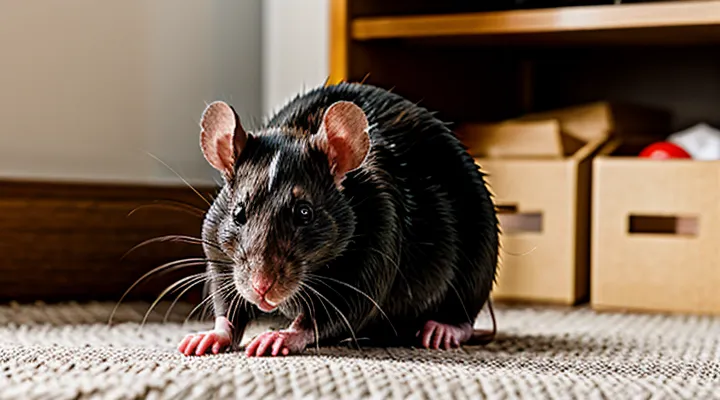
Understanding Mycoplasmosis in Rats
What is Mycoplasmosis?
Mycoplasmosis is a disease caused by bacteria of the genus Mycoplasma, primarily Mycoplasma pulmonis in rodents. These organisms lack a cell wall, rendering them resistant to beta‑lactam antibiotics and obliging them to adhere to mucosal surfaces of the respiratory tract, urogenital tract, and middle ear. Infection spreads through direct contact, aerosolized secretions, and contaminated bedding. The pathogen proliferates in the epithelial lining, provoking chronic inflammation and tissue damage.
Key characteristics of the infection include:
- Persistent cough or sneezing
- Labored breathing and nasal discharge
- Weight loss and reduced growth rates
- Otitis media with ear discharge
- Variable severity depending on age and immune status
Diagnosis relies on:
- Clinical observation of respiratory and otic signs
- Serological testing for specific antibodies
- PCR detection of mycoplasma DNA from nasal swabs or tissue samples
- Culture on specialized media lacking a cell wall
Understanding the disease’s etiology, transmission routes, and clinical presentation provides the foundation for effective home‑based management strategies in rat colonies.
Identifying Symptoms
Early Signs
Early detection of rat mycoplasma infection is essential for effective home management. The pathogen first manifests through subtle physiological changes that can be missed without careful observation.
- Nasal discharge that is clear to slightly cloudy, without obvious pus.
- Slightly increased respiratory rate, often accompanied by audible wheezing during quiet periods.
- Reduced activity levels; rats may spend more time resting in corners of the cage.
- Diminished grooming behavior, leading to a rough or unkempt coat.
- Mild weight loss measured over a few days, despite unchanged food intake.
Additional indicators include occasional sneezing episodes and a slight elevation in body temperature detectable with a digital thermometer. These signs typically appear within one to two weeks after exposure and precede more severe respiratory distress. Prompt identification allows caregivers to isolate the affected animal, improve ventilation, and begin supportive measures such as humidified air and electrolyte‑rich fluids.
Advanced Symptoms
Rats suffering from advanced mycoplasma infection display signs that extend beyond mild respiratory irritation. Persistent nasal discharge becomes thick and purulent, often accompanied by audible wheezing and labored breathing even at rest. Weight loss accelerates despite adequate food availability, and fur may appear dull and ruffled as the animal struggles to maintain body temperature. Ocular involvement emerges as conjunctival swelling, crusted eyes, and occasional bleeding. Gastrointestinal disturbances such as intermittent diarrhea and reduced water intake indicate systemic spread.
Key severe manifestations include:
- Marked dyspnea with open‑mouth breathing
- Hemorrhagic nasal discharge
- Profuse ocular exudate
- Rapid decline in body condition score
- Neurological signs (tremors, ataxia) in late stages
When these symptoms appear, home management must shift from supportive feeding to immediate veterinary consultation. Isolation of the affected rat, enhancement of ventilation, and provision of warmed, high‑calorie liquids can alleviate distress temporarily, but they do not replace antimicrobial therapy. Monitoring body weight daily and recording respiratory rate are essential to assess progression and determine the urgency of professional intervention.
Why Home Treatment?
Treating rat mycoplasma infection at home offers several practical advantages.
- Immediate intervention eliminates the delay inherent in veterinary referral, reducing pathogen replication and tissue damage.
- Cost containment results from avoiding repeated clinic fees, laboratory diagnostics, and professional administration of injectable drugs.
- Environmental control is achievable by isolating the affected cage, applying disinfectants, and adjusting humidity and temperature, thereby limiting spread to co‑habiting animals.
- Owner participation ensures consistent dosing schedules, accurate monitoring of clinical signs, and rapid modification of therapy based on response.
These factors collectively enhance recovery prospects while preserving colony stability and financial resources.
Safe Home Care Strategies
Environmental Modifications
Cage Hygiene
Cage hygiene directly reduces the environmental burden of Mycoplasma organisms, limiting re‑infection and supporting recovery in affected rodents.
- Remove all bedding, food, and water containers.
- Wash the cage interior with hot water (≥60 °C) and a mild detergent.
- Rinse thoroughly to eliminate detergent residues.
- Apply an approved disinfectant (e.g., 10 % bleach solution or a commercial quaternary ammonium product) and allow the recommended contact time.
- Rinse again with clean water and dry completely before re‑assembly.
Perform the full cleaning cycle at least twice weekly; spot clean daily by removing soiled bedding and wiping visible contaminants. Use low‑dust, autoclave‑compatible bedding to minimize aerosolized particles. Replace water bottles and food dishes with each cleaning session; sterilize them using boiling water or chemical disinfectants.
Maintain a log that records cleaning dates, disinfectant concentrations, and any observed abnormalities in cage conditions. Review the log regularly to ensure compliance with the schedule and to identify patterns that may indicate emerging hygiene issues.
Consistent implementation of these practices creates a hostile environment for Mycoplasma, enhances the effectiveness of home‑based therapeutic measures, and promotes overall colony health.
Air Quality and Ventilation
Air quality directly influences the progression of mycoplasma infection in rats kept at home. Contaminants such as dust, ammonia from urine, and mold spores irritate respiratory mucosa, creating conditions favorable for Mycoplasma colonization and replication. Maintaining low particulate levels reduces mucosal inflammation and limits pathogen load.
Effective ventilation removes stale air and dilutes airborne pathogens. Continuous airflow of 10–15 air changes per hour prevents humidity buildup, lowering the risk of secondary bacterial growth that can exacerbate mycoplasma symptoms. Exhaust fans positioned near cage racks, combined with fresh‑air intake, ensure consistent exchange without creating drafts that stress the animals.
Practical measures for a home environment:
- Use high‑efficiency particulate air (HEPA) filters on cage racks or room air purifiers.
- Replace cage bedding with low‑dust, absorbent material; clean bedding daily.
- Monitor humidity, keeping it between 40 % and 60 % with dehumidifiers if necessary.
- Clean cage surfaces with mild, non‑antimicrobial solutions to avoid residue that could impair respiratory health.
Regular assessment of air parameters, documented by a hygrometer and particle counter, provides objective data for adjusting ventilation settings. Consistent control of these variables supports recovery and reduces the likelihood of relapse during home‑based management of rat mycoplasma disease.
Stress Reduction
Effective management of mycoplasma infection in laboratory rats requires minimizing physiological stress, which can impair immune function and hinder recovery. Stress hormones suppress lymphocyte activity, allowing the pathogen to persist despite antimicrobial agents. Reducing stress therefore supports the therapeutic regimen and accelerates resolution of clinical signs.
Environmental stability is the primary factor in stress mitigation. Maintain temperature within 20‑22 °C and relative humidity between 45 % and 55 %. Provide a consistent light‑dark cycle of 12 hours each, avoiding abrupt changes in illumination. Ensure bedding is clean, absorbent, and changed regularly to prevent ammonia buildup, which irritates the respiratory tract and elevates cortisol levels.
Handling practices influence stress levels directly. Use gentle, low‑velocity transfers; avoid tail‑pinching and restraint devices that compress the thorax. Allow rats to habituate to the caregiver by performing brief, daily contact sessions without invasive procedures. Record handling duration and limit each session to no more than five minutes to prevent cumulative stress.
Practical stress‑reduction measures:
- Provide nesting material and chewable objects to satisfy natural foraging behavior.
- Introduce low‑frequency background music or white noise to mask sudden sounds.
- Schedule medication administration at the same time each day to create predictability.
- Monitor body weight and food intake daily; reduced consumption signals elevated stress and may require environmental adjustment.
Implementing these strategies creates a low‑stress environment that complements antimicrobial therapy, improves overall health outcomes, and reduces the risk of relapse in mycoplasma‑affected rats.
Nutritional Support
Immune-Boosting Foods
Nutritional support strengthens the rat’s defense mechanisms during a mycoplasma infection and complements other home‑based interventions. Providing foods rich in specific micronutrients enhances leukocyte activity, antioxidant capacity, and gut barrier integrity, all of which are critical for controlling the pathogen.
- Vitamin C sources: fresh bell peppers, strawberries, kiwi fruit.
- Vitamin E sources: wheat germ oil, sunflower seeds, almonds.
- Zinc sources: pumpkin seeds, cooked lentils, low‑fat cheese.
- Selenium sources: Brazil nuts (one‑two per day), eggs, brown rice.
- Probiotic‑rich foods: plain yogurt, kefir, fermented vegetables (small amounts to avoid excess sodium).
- Omega‑3 fatty acid sources: fish oil capsules (appropriately dosed), flaxseed meal, chia seeds.
Feed the listed items in modest quantities mixed into the regular pellet diet; avoid sudden dietary changes that could disrupt gut flora. Monitor weight and stool consistency daily, adjusting portions to maintain a stable body condition while ensuring adequate hydration.
Hydration Strategies
Adequate fluid intake is vital for rats battling mycoplasma infection. Dehydration accelerates tissue damage, impairs immune response, and increases mortality risk. Effective home‑based hydration protocols focus on restoring plasma volume, correcting electrolyte imbalance, and maintaining consistent water availability.
Practical hydration measures
- Provide fresh, sterile water at all times. Replace daily to prevent bacterial growth.
- Offer low‑sugar electrolyte solutions (e.g., 0.9 % saline with 5 % dextrose). Administer 1–2 ml per 100 g body weight every 8–12 hours, adjusting volume according to urine output and skin turgor.
- Use a 1 ml syringe to deliver subcutaneous fluids when oral intake declines. Typical regimen: 5 ml/kg body weight of balanced crystalloid solution, repeated every 24 hours until normal drinking resumes.
- Add flavored, non‑acidic broths (chicken or vegetable) to encourage voluntary drinking. Limit additives to 10 % of total fluid volume to avoid gastrointestinal upset.
- Monitor hydration status by checking skin elasticity, eye clarity, and capillary refill time. Reduce fluid volume if signs of overhydration (edema, respiratory distress) appear.
Consistent application of these strategies stabilizes physiological parameters, supports recovery, and reduces the need for veterinary intervention.
Symptom Management
Respiratory Support
Respiratory support is essential when managing rat mycoplasma infection at home. Supplemental oxygen delivered through a small chamber or mask raises arterial oxygen tension, counteracting hypoxemia caused by lung inflammation. Flow rates of 0.5–1 L/min provide adequate enrichment without overwhelming the animal’s delicate respiratory system.
Humidified air reduces mucosal dryness and facilitates mucus clearance. A portable humidifier set to 40–60 % relative humidity can be placed inside the enclosure; water reservoirs should be refreshed daily to prevent bacterial growth.
Bronchodilator administration assists in relieving bronchospasm. Dilute aerosolized albuterol (0.5 mg/ml) applied via a nebulizer for 5–10 minutes, twice daily, improves airway patency. Dosage must be adjusted according to the rat’s weight and response.
Monitoring parameters ensures timely intervention. Record respiratory rate, effort, and coloration of the mucous membranes at least twice per day. Sudden increases in rate or the appearance of labored breathing warrant immediate escalation of oxygen flow and veterinary consultation.
Supportive measures complement antimicrobial therapy and nutritional care, forming a comprehensive home-based regimen for the affected rodent.
Managing Secondary Infections
Secondary bacterial or fungal invasions frequently accompany mycoplasma disease in pet and laboratory rats. Prompt recognition and targeted intervention prevent rapid deterioration and reduce mortality.
Clinical observation should focus on abnormal discharges, respiratory distress, lethargy, and weight loss beyond the primary mycoplasma signs. Record temperature, respiration rate, and appetite daily; any deviation greater than 10 % from baseline warrants immediate action.
Therapeutic measures include:
- Empirical antimicrobial therapy: Initiate broad‑spectrum antibiotics such as enrofloxacin or doxycycline after confirming susceptibility through culture or PCR. Adjust dosage according to the rat’s weight (typically 5–10 mg/kg) and maintain a minimum 7‑day course.
- Antifungal coverage: If fungal elements are detected, administer itraconazole (5 mg/kg) or fluconazole (10 mg/kg) orally.
- Supportive care: Provide warmed, humidified environments to ease breathing. Offer high‑calorie, easily digestible foods and electrolyte solutions to counteract dehydration.
- Hygiene protocols: Replace bedding daily, sterilize cages with 10 % bleach solution, and limit handling to reduce stress‑induced immunosuppression.
- Isolation: Separate affected individuals from the main colony for the duration of treatment and at least 48 hours after clinical resolution.
Monitoring continues throughout therapy. Re‑evaluate microbial cultures on days 3 and 7; persistence of pathogens indicates resistance or inadequate dosing and requires regimen modification. After clinical signs subside, maintain a two‑week observation period before reintegrating the rat to ensure complete clearance.
Effective management of secondary infections relies on rapid diagnosis, appropriate antimicrobial selection, and rigorous environmental control. Adherence to these practices maximizes recovery chances while minimizing the spread of opportunistic pathogens within the rat population.
Pain and Discomfort Relief
Effective pain mitigation is essential for rats suffering from mycoplasma infection when care is provided at home. Analgesic selection must consider the animal’s size, metabolism, and the infection’s severity. Non‑steroidal anti‑inflammatory drugs (NSAIDs) such as meloxicam, administered at 0.2 mg/kg subcutaneously every 24 hours, reduce inflammation and alleviate discomfort. For short‑term relief, buprenorphine at 0.05 mg/kg intraperitoneally every 8–12 hours provides potent analgesia without significant respiratory depression.
Supportive measures complement pharmacological therapy:
- Provide a warm, draft‑free enclosure; ambient temperature of 22–24 °C minimizes muscular tension.
- Offer soft bedding (e.g., shredded paper) to lessen pressure on sore joints.
- Supply easily chewable, high‑protein food (gelatin or moistened pellets) to encourage intake despite oral irritation.
- Maintain hydration with low‑sodium electrolyte solution offered via a syringe or water bottle with a gentle flow.
Monitoring protocols ensure pain control remains adequate:
- Observe posture; a hunched stance indicates persistent discomfort.
- Record grooming frequency; reduced grooming suggests ongoing pain.
- Measure weight daily; a decline exceeding 5 % signals inadequate relief.
- Reassess analgesic dosing every 48 hours; adjust upward only within safe limits.
If NSAIDs provoke gastrointestinal upset, replace with acetaminophen at 10 mg/kg orally every 12 hours, monitoring liver enzymes through periodic blood sampling. In cases of severe inflammation, a short course of corticosteroids (e.g., dexamethasone 0.1 mg/kg intramuscularly) may be justified, but only under veterinary supervision due to immunosuppressive risk.
Combining precise drug regimens with environmental optimization and systematic observation yields measurable reduction in pain and improves overall recovery prospects for rats afflicted by mycoplasma disease under home care.
When to Seek Veterinary Care
Recognizing Worsening Conditions
Monitoring a rat’s condition during home management of mycoplasma infection is critical. Early detection of deterioration prevents severe systemic involvement and reduces mortality risk.
Key indicators of worsening disease:
- Persistent or escalating respiratory distress (open-mouth breathing, audible wheezes, frequent gasping).
- Rapid weight loss exceeding 5 % of body mass within 48 hours.
- Marked lethargy, inability to maintain normal posture, or prolonged immobility.
- Ocular or nasal discharge that becomes thick, purulent, or changes color.
- Elevated temperature measured rectally (above 40 °C) sustained for more than 12 hours.
- Skin discoloration, especially cyanosis of extremities or tail.
When any of these signs appear, immediate action is required:
- Isolate the affected animal to prevent cross‑contamination.
- Reassess environmental factors (temperature, humidity, bedding) and correct deficiencies.
- Increase supportive care: provide warmed fluids, supplemental oxygen, and analgesics as indicated.
- Contact a veterinarian without delay; convey observed symptoms and current home interventions.
Prompt recognition and response to these clinical changes improve outcomes and support successful at‑home management of rat mycoplasma disease.
Understanding Limitations of Home Treatment
Mycoplasma infections in laboratory and pet rats often present with respiratory distress, weight loss, and reduced fertility. Home-based interventions—such as isolation, supportive feeding, and over‑the‑counter antibiotics—can alleviate mild symptoms but possess inherent constraints that limit therapeutic success.
Key limitations of domestic care include:
- Incomplete pathogen eradication – Oral antimicrobial formulations rarely achieve therapeutic concentrations in pulmonary tissue, allowing persistent organisms to repopulate.
- Delayed diagnosis – Clinical signs overlap with other respiratory conditions; without laboratory confirmation, treatment may target the wrong agent.
- Resistance development – Empirical use of broad‑spectrum drugs encourages selection of resistant Mycoplasma strains, reducing future efficacy.
- Inadequate environmental control – Home cages often lack the air filtration and sterilization protocols required to prevent aerosol transmission.
- Owner expertise – Precise dosing, monitoring of side effects, and adjustment of therapy demand veterinary oversight that most owners cannot provide.
Consequences of these shortcomings manifest as recurrent outbreaks, chronic carrier states, and increased mortality. When home measures fail to resolve infection within a short observation period, referral to a qualified veterinarian for targeted antimicrobial therapy, diagnostic testing, and environmental decontamination becomes essential.
Preparing for a Vet Visit
When a rat shows signs of respiratory distress, nasal discharge, or reduced activity, a veterinary assessment is essential. Gathering accurate information and appropriate materials before the appointment streamlines diagnosis and facilitates effective treatment of mycoplasma infection in rats.
Prepare the following items:
- A detailed record of symptoms, including onset date, progression, and any changes in behavior or appetite.
- A log of recent environmental conditions: cage temperature, humidity, bedding type, and recent introductions of new animals.
- Samples of fresh droppings or nasal secretions, collected with sterile swabs and stored in sealed containers.
- A list of all foods, supplements, and any home‑administered medications given in the past two weeks, with dosages and frequencies.
- The rat’s identification (ear tag, microchip number, or a clear photograph) to confirm age and strain.
Contact the clinic ahead of time to confirm required paperwork and to inquire whether the veterinarian prefers a specific sample handling protocol. Arrive with the rat in a well‑ventilated carrier, minimizing stress by providing familiar bedding and a small amount of water. Ensure the carrier is securely closed but allows airflow.
During the visit, answer the veterinarian’s questions succinctly and provide the prepared documentation. This organized approach reduces uncertainty, supports accurate laboratory testing, and accelerates the implementation of targeted therapeutic measures.