
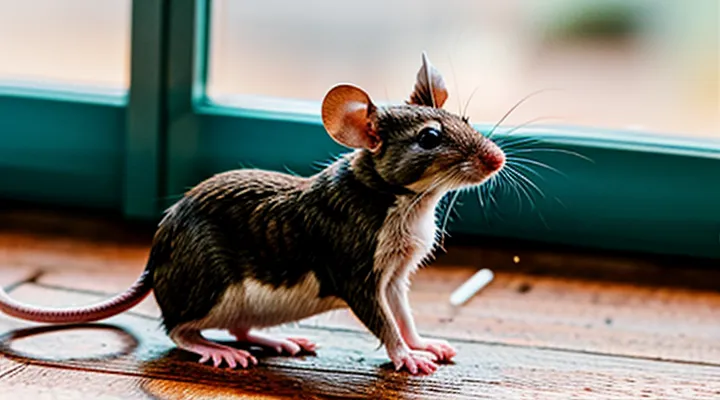
Immediate Actions After a Mouse Bite
Initial Wound Care
Cleaning the Wound
When a mouse bites, the first priority is to cleanse the wound thoroughly to reduce infection risk. Immediately rinse the area with clean, running water for at least 30 seconds. Use gentle pressure to flush out debris and saliva.
After rinsing, apply an antiseptic solution such as povidone‑iodine or chlorhexidine. Dab the solution with a sterile gauze pad, covering the entire wound surface. Avoid scrubbing, which can damage tissue.
If bleeding persists, apply direct pressure with a clean cloth or sterile bandage until bleeding stops. Once hemostasis is achieved, place a sterile dressing over the wound to protect it from further contamination.
Steps for effective wound cleaning:
- Wash hands with soap and water before touching the bite.
- Rinse the bite under running water for 30 seconds or longer.
- Apply antiseptic solution using sterile gauze.
- Press a clean cloth to control bleeding, if necessary.
- Cover with a sterile dressing and secure it.
Monitor the wound for signs of infection—redness, swelling, increased pain, or pus—and seek medical evaluation promptly if any develop.
Applying Antiseptic
After a mouse bite, the first priority is to disinfect the wound. Clean the area with running water for at least 30 seconds to remove saliva and debris. Pat the skin dry with a sterile gauze pad before applying an antiseptic.
Choose an antiseptic that is effective against both bacterial and viral contaminants. Common options include:
- 70 % isopropyl alcohol
- Povidone‑iodine solution (10 % concentration)
- Chlorhexidine gluconate (0.5 % or 2 % formulation)
Apply the selected antiseptic directly to the bite site using a sterile swab or gauze. Cover the entire wound surface, ensuring the solution remains in contact for the recommended dwell time (usually 1–2 minutes for alcohol, 30 seconds for iodine, and 2 minutes for chlorhexidine). Allow the area to air‑dry before placing a clean dressing.
Finally, secure a sterile, non‑adhesive bandage over the disinfected wound. Monitor for signs of infection—redness, swelling, increased pain, or discharge—and seek medical evaluation if any develop.
Bandaging the Bite
After a mouse bite, the first priority is to control bleeding and protect the wound. Apply gentle pressure with a clean gauze pad until bleeding stops, usually within one to two minutes. Once hemostasis is achieved, prepare a sterile dressing to cover the puncture.
Select a non‑adhesive pad that fits the size of the wound, then place a sterile adhesive strip or bandage over it. Ensure the dressing is snug but not so tight that it restricts circulation; the skin around the area should remain pink and warm. Secure the bandage with medical tape if additional reinforcement is needed.
A brief checklist for proper bandaging:
- Clean hands thoroughly; wear disposable gloves if available.
- Irrigate the bite with sterile saline or clean water to remove debris.
- Pat the area dry with a sterile gauze.
- Position a sterile non‑adhesive pad directly on the wound.
- Cover the pad with an adhesive bandage or strip, avoiding direct contact with the wound surface.
- Tape the edges of the bandage if movement may dislodge it.
- Record the time of dressing application and note any signs of swelling, redness, or increased pain.
Inspect the bandage after four to six hours. If it becomes wet, loose, or contaminated, replace it promptly. Continue monitoring for infection signs—progressive redness, warmth, pus, or fever—and seek medical evaluation if they appear. Proper initial bandaging reduces the risk of bacterial entry and supports faster healing.
Assessing the Risk
Identifying Symptoms of Infection
A mouse bite can introduce bacteria that quickly produce local and systemic signs. Recognizing these signs determines whether medical treatment is required.
Typical local indicators include:
- Redness spreading beyond the wound edges
- Swelling that increases in size
- Heat felt around the puncture site
- Persistent or worsening pain
- Pus or other discharge
Systemic manifestations suggest a more advanced infection:
- Fever above 38 °C (100.4 °F)
- Chills or shaking
- Generalized fatigue or malaise
- Rapid heart rate
- Enlarged lymph nodes near the bite
When any of these symptoms appear, prompt evaluation by a healthcare professional is mandatory. Early antibiotic therapy reduces the risk of complications such as cellulitis, abscess formation, or transmission of rodent‑borne diseases.
Understanding Rabies Risk
A mouse bite can raise concerns about rabies, although rodents are rarely carriers. The virus is transmitted through saliva of infected mammals, typically wild carnivores such as bats, raccoons, foxes, and skunks. Laboratory testing shows that documented cases of rabies in mice are virtually nonexistent; the risk from a domestic or wild mouse bite is therefore extremely low.
Assessing rabies risk requires three pieces of information:
- Species of the biting animal and its health status.
- Geographic region and known rabies reservoirs in that area.
- Whether the mouse displayed abnormal behavior before the bite.
If the mouse was healthy, found in an urban environment, and the bite occurred indoors, the probability of rabies exposure is negligible. Conversely, a bite from a mouse that was found dead, exhibited aggression, or originated from a rabies‑endemic wildlife area warrants further evaluation.
Immediate actions after a mouse bite:
- Wash the wound with soap and running water for at least 15 seconds.
- Apply an antiseptic solution (e.g., povidone‑iodine) and cover with a sterile dressing.
- Seek medical attention promptly to assess wound infection risk and discuss tetanus vaccination status.
- Inform the healthcare provider about the mouse’s origin and behavior; they will determine if rabies post‑exposure prophylaxis (PEP) is necessary.
When rabies PEP is considered, the protocol includes a dose of human rabies immune globulin (HRIG) infiltrated around the wound, followed by a series of rabies vaccine injections on days 0, 3, 7, 14, and 28. The decision rests on clinical judgment and local public‑health guidelines.
In summary, the likelihood of rabies transmission from a mouse bite is minimal, but proper wound care, medical evaluation, and accurate exposure assessment are essential components of the first‑response strategy.
Tetanus Concerns
A mouse bite can introduce Clostridium tetani spores into tissue, creating a risk of tetanus infection. Immediate assessment of tetanus protection is essential. If the victim has completed a primary series and received a booster within the past ten years, no further action regarding tetanus is required. If the last booster was administered more than ten years ago, or if vaccination history is unknown, a tetanus toxoid booster should be given as soon as possible.
Wound management reduces spore proliferation. Steps include:
- Rinse the puncture site thoroughly with running water and mild soap for at least one minute.
- Apply an antiseptic solution (e.g., povidone‑iodine) after cleaning.
- Remove any foreign material visible in the wound.
- Cover the area with a sterile dressing and monitor for signs of infection.
If the bite is deep, contaminated, or the patient’s immunization status is uncertain, administer tetanus immune globulin (TIG) in addition to the vaccine. TIG provides passive antibodies that neutralize circulating toxin until active immunity develops.
Observe the patient for symptoms such as muscle stiffness, jaw clenching, or difficulty swallowing. Prompt medical evaluation is warranted if any of these signs appear, as they indicate the onset of tetanus.
When to Seek Professional Medical Help
Signs Requiring Medical Attention
Deep or Punctured Wounds
When a mouse bite penetrates the skin and creates a deep or punctured wound, immediate action determines the risk of infection and tissue damage.
First, apply direct pressure with a clean gauze or cloth to stop bleeding. Maintain pressure for at least three minutes, checking that the flow has ceased before releasing.
Next, irrigate the wound thoroughly. Use sterile saline or clean running water, flushing the cavity to remove saliva, debris, and potential pathogens. A minimum of 15 ml of fluid per centimeter of wound depth is recommended.
After cleaning, assess the wound edges. If the skin is torn, approximate the margins with sterile adhesive strips or sutures if a medical professional is available. Do not attempt deep suturing without proper training; instead, cover the area with a sterile non‑adhesive dressing.
Administer a tetanus prophylaxis if the patient’s immunization status is uncertain or if more than five years have elapsed since the last booster. A single-dose tetanus toxoid vaccine suffices for most adult cases.
Prescribe or recommend an appropriate antibiotic regimen promptly. For mouse bites, a broad‑spectrum agent covering Staphylococcus aureus and Pasteurella species—such as amoxicillin‑clavulanate—is the standard first‑line choice. Adjust based on allergy history or local resistance patterns.
Finally, arrange follow‑up care within 24–48 hours. Monitor for signs of cellulitis, abscess formation, or systemic infection: increasing redness, swelling, warmth, pus, fever, or escalating pain. Early detection of complications reduces morbidity and the need for surgical intervention.
Worsening Redness or Swelling
When a mouse bite begins to show increasing redness or swelling, immediate action is required to prevent infection and complications. First, wash the wound thoroughly with soap and running water for at least one minute, then rinse with an antiseptic solution such as hydrogen peroxide or povidone‑iodine. Pat the area dry with a clean gauze.
Apply a cold compress for 10‑15 minutes, repeating every hour, to reduce inflammation and limit fluid accumulation. Do not use heat, which can accelerate bacterial growth.
Observe the site closely for the following warning signs:
- Redness spreading more than 2 cm from the bite, forming a clear, expanding margin.
- Swelling that enlarges rapidly or becomes hard to the touch.
- Presence of pus, foul odor, or increasing pain despite analgesics.
- Fever, chills, or malaise indicating systemic involvement.
If any of these indicators appear, seek professional medical care without delay. Healthcare providers may prescribe antibiotics targeting common rodent pathogens such as Streptococcus spp., Staphylococcus aureus, and Pasteurella spp. They will also assess tetanus immunization status and administer a booster if the last dose was over five years ago or if the patient’s record is unavailable.
In the clinic, the practitioner may perform a wound culture, debride necrotic tissue, and apply a sterile dressing. Follow-up appointments are essential to confirm that the infection is resolving and that swelling diminishes.
Do not rely on over‑the‑counter ointments alone; they provide symptomatic relief but do not address bacterial invasion. Prompt, decisive measures at the first sign of worsening redness or swelling markedly reduce the risk of severe tissue damage and systemic infection.
Fever or Chills
A fever or chills after a mouse bite signals a possible infection and requires immediate attention. Elevated temperature indicates the body’s response to bacterial invasion, and rapid onset chills suggest systemic involvement.
First, assess the severity. If the temperature exceeds 38 °C (100.4 °F) or chills accompany other symptoms such as swelling, redness, or pain, treat the situation as urgent. Contact a healthcare professional promptly; many providers will recommend a visit within the same day.
While awaiting medical advice, follow these actions:
- Measure temperature with a reliable device and record the reading.
- Keep the bitten area clean: wash gently with soap and water, then apply a sterile dressing.
- Avoid self‑medication with antibiotics; only use over‑the‑counter analgesics (e.g., acetaminophen) to reduce discomfort, adhering to dosage instructions.
- Stay hydrated and rest to support the immune response.
If fever persists beyond 24 hours, intensifies, or is accompanied by vomiting, headache, or a rash, seek emergency care without delay. Early intervention reduces the risk of complications such as septicemia or tetanus, which are associated with rodent bites.
Physician Consultation
Discussing Vaccination History
When a rodent bite occurs, the first clinical decision hinges on the patient’s immunization record. Identifying gaps in tetanus and rabies protection determines the need for immediate prophylaxis and prevents delayed complications.
The clinician should obtain the exact dates of the most recent tetanus‑containing vaccine and any prior rabies immunizations. If the last tetanus booster was administered within the previous five years, additional tetanus toxoid is unnecessary. If the interval exceeds five years, a tetanus booster (Td or Tdap) must be given promptly. For rabies, verify whether the individual has completed a pre‑exposure series; absent such a series, post‑exposure prophylaxis is required.
Relevant vaccinations for a rodent bite include:
- Tetanus toxoid – single dose if >5 years since last booster; repeat series if >10 years.
- Rabies vaccine – administer on days 0, 3, 7, and 14 (and day 28 for immunocompromised patients) after wound cleansing, unless the animal is proven rabies‑free.
- Hepatitis B – consider for bites from animals with known blood exposure in high‑risk individuals; otherwise, not routine.
After immunizations, the wound should be irrigated with sterile saline, inspected for foreign material, and closed only if contamination is minimal. Document the vaccination actions, schedule any necessary follow‑up doses, and advise the patient to report signs of infection or neurologic changes without delay.
Reporting Mouse Characteristics
When a mouse bite occurs, the first professional action is to document the animal’s attributes before any medical treatment. Accurate reporting supports appropriate wound management, epidemiological tracking, and pest‑control decisions.
Collect the following details:
- Species identification (house mouse, field mouse, etc.)
- Approximate size (body length, tail length, weight)
- Coloration and distinctive markings
- Condition of the mouse (alive, dead, injured)
- Location of the encounter (indoor room, outdoor area, specific address)
- Time and date of the incident
- Observed behavior (aggressive, startled, nesting)
Record the information on a standardized form or electronic system, ensuring legibility and completeness. Include the reporter’s name, contact information, and any witness statements. Preserve the data for medical records and for communication with public‑health or pest‑management agencies.
The compiled report enables clinicians to assess infection risk, select appropriate prophylaxis, and provide authorities with evidence for population monitoring and control measures.
Follow-up Care Recommendations
After the immediate cleaning and assessment of a rodent bite, ongoing care determines whether the wound heals without complications.
- Keep the wound covered with a sterile dressing; replace it at least once daily or whenever it becomes wet or contaminated.
- Apply an over‑the‑counter antiseptic ointment (e.g., bacitracin or mupirocin) after each dressing change to reduce bacterial load.
- Observe the area for redness, swelling, increasing pain, warmth, or pus formation; these signs may indicate infection and require prompt medical evaluation.
- Complete any prescribed antibiotic course, even if symptoms improve before the final dose.
- Verify tetanus immunization status; administer a booster if the last dose was more than five years ago or if the wound is deep.
- Discuss rabies risk with a healthcare professional; initiate post‑exposure prophylaxis when exposure to a potentially infected animal is suspected.
If fever, chills, lymph node enlargement, or spreading erythema develop, seek medical attention immediately. Document the bite date, location, and any treatment administered, and provide this information to the treating clinician to facilitate accurate diagnosis and appropriate therapy.