
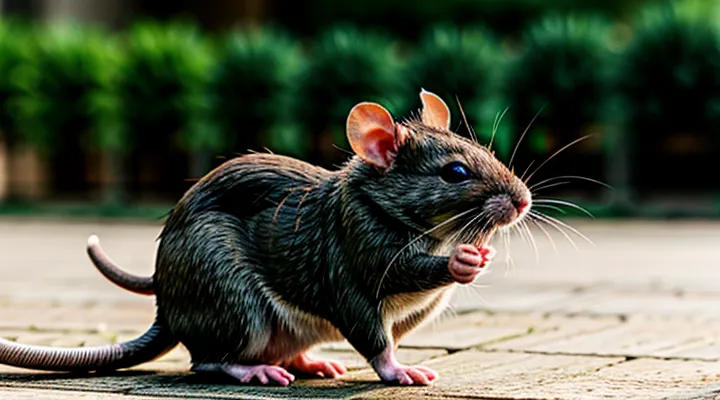
Understanding Your Rat's Body Language
Recognizing Signs of Comfort and Discomfort
Tail Wags and Bruxing
When a rat tolerates contact, its tail often becomes a reliable indicator of comfort. A relaxed, gently swaying tail signals that the animal feels safe; a rapid, rhythmic flick suggests heightened pleasure. Observe the movement’s amplitude and speed: slow, fluid motions correspond to contentment, while abrupt, jerky flicks may indicate stress. Adjust pressure and duration of petting to match the observed tail response.
Rats frequently exhibit bruxing—quiet grinding of the incisors—during positive interactions. This behavior reflects a state of relaxation and enjoyment, comparable to a cat’s purr. The sound is typically faint and accompanied by a calm posture, such as a loosely curled body and relaxed whiskers. If bruxing occurs alongside steady tail movement, the rat is likely experiencing a rewarding tactile session.
Practical guidelines:
- Maintain a gentle, consistent stroke along the dorsal line; avoid sudden changes in speed.
- Pause briefly if the tail begins to twitch rapidly; resume only after the tail returns to a smooth sway.
- Listen for low‑volume grinding; when detected, continue the current petting rhythm.
- Keep the environment quiet and free of abrupt noises that could disrupt the rat’s focus.
By correlating tail dynamics and bruxing patterns, handlers can fine‑tune their approach, ensuring the animal remains engaged and satisfied throughout the interaction.
Freezing and Hissing
Petting a rat that enjoys the interaction requires awareness of two common defensive responses: freezing and hissing. Recognizing these signals allows the handler to adjust technique before the animal becomes stressed.
When a rat freezes, it is momentarily immobilized, often accompanied by wide eyes and a tense body. This behavior indicates uncertainty about the approaching hand. The appropriate reaction is to pause, lower the hand to the rat’s level, and offer a gentle scent of the handler’s skin. After a few seconds, a slow, calm stroke along the back can encourage the rat to relax. Repeating this sequence builds confidence that the touch is non‑threatening.
Hissing signals agitation and a desire to establish distance. It typically precedes a bite or a rapid retreat. The correct response is to cease all contact immediately, withdraw the hand, and give the rat space for at least one minute. During this interval, avoid direct eye contact and keep movements minimal. After the hiss subsides, re‑approach with a lighter touch, focusing on areas the rat prefers, such as the head or neck, and monitor for a return to calm behavior.
Key actions for handling these reactions:
- Observe body language before initiating contact.
- If freezing occurs, pause, lower hand, and provide a brief, gentle stroke.
- If hissing occurs, stop contact, step back, and wait for the sound to cease.
- Re‑introduce touch gradually, emphasizing preferred regions.
- Consistently reward calm responses with treats or soft vocal reassurance.
Applying these measures transforms instinctive defensive actions into opportunities for trust, resulting in a rat that willingly accepts petting.
Building Trust Before Petting
Gradual Introduction to Your Hand
Begin by allowing the rat to notice your hand without pressure. Place the hand near the cage or on a neutral surface, keeping it still for a few seconds. Observe the animal’s posture; relaxed ears and a calm tail indicate curiosity rather than fear.
- Slowly lower the hand toward the rat’s face, maintaining a gentle, steady motion.
- Pause when the rat approaches, then lightly brush the whiskers or the side of the head with a fingertip.
- If the rat retreats, withdraw the hand immediately and wait several minutes before trying again.
- Gradually increase contact time, moving from a brief touch to a gentle stroke along the back, always watching for signs of comfort such as soft vocalizations or a steady breathing pattern.
- Introduce the hand during the rat’s active period, typically in the evening, to align with its natural energy levels.
Consistently repeat these short sessions. Over days, the rat will associate the hand with positive experiences, leading to relaxed acceptance of longer petting periods.
Offering Treats
Treats serve as the most effective bridge between human contact and a rat’s willingness to enjoy it. When used correctly, they reinforce calm behavior, reduce stress, and create a positive association with handling.
Select foods that are safe and nutritionally appropriate. Small pieces of fresh fruit (apple, pear), vegetables (carrot, cucumber), or commercial rodent treats work well. Avoid sugary snacks, processed human foods, and anything high in fat, as these can cause digestive issues and diminish the reward’s value.
Timing matters. Offer a treat immediately before initiating contact, then pause to let the rat sniff and accept it. Once the rat is focused on the treat, gently place a hand near its body, allowing it to approach voluntarily. If the animal retreats, withhold the treat and try again later; repetition builds confidence without forcing interaction.
Consistency strengthens the connection. Use the same type of treat for several sessions until the rat reliably approaches when a hand is presented. After the rat shows calm behavior, reward again to cement the response. Gradually reduce treat frequency while maintaining gentle petting to prevent dependence on food.
Key points for safe treat use:
- Keep portions under 1 cm³ to prevent overfeeding.
- Rotate flavors to avoid habituation.
- Store treats in airtight containers to preserve freshness.
- Observe for signs of allergies or digestive upset; discontinue any offending item promptly.
By integrating treats thoughtfully, owners create a reliable cue that petting is a pleasant experience, encouraging the rat to seek and enjoy human contact.
Gentle Petting Techniques
Approaching Your Rat
Slow and Predictable Movements
When a rat is approached, the speed and consistency of hand motion determine whether the animal perceives contact as safe or threatening. Rapid, erratic gestures trigger a flight response; measured, steady movements signal predictability and allow the rat to relax.
Rats rely on whisker and visual cues to assess motion. A gradual approach gives the sensory system time to register the hand, reducing surprise. Consistency in direction and pressure enables the animal to anticipate the next touch, fostering a sense of control.
- Extend the hand slowly, keeping the palm parallel to the floor.
- Pause for a few seconds before making contact, allowing the rat to observe the approach.
- Move the fingers in a smooth, linear path across the back or sides; avoid sudden changes in angle.
- Maintain light, even pressure; increase pressure only after the rat shows signs of acceptance (e.g., relaxed posture, grooming behavior).
- Repeat the motion at regular intervals, matching the rat’s breathing rhythm to reinforce predictability.
Implementing these practices lowers stress hormones, encourages the rat to remain on the lap, and increases the likelihood that the animal will seek further interaction. Consistent, unhurried handling becomes a reliable method for enjoyable petting sessions.
Avoiding Startling Your Rat
When a rat feels threatened, it may freeze, dart, or bite, undermining any attempt at gentle interaction. Preventing surprise begins with predictable movements and controlled environment. Approach the cage from the side rather than directly above, allowing the animal to see you before you reach in. Keep hand gestures slow and steady; sudden extensions can trigger a defensive response. Dim lighting or bright flashes should be avoided, as rapid changes in illumination can startle the rat’s sensitive eyes.
Key practices to reduce fear:
- Move the cage lid or door quietly, without rattling metal or plastic.
- Speak in a low, consistent tone while your hand approaches.
- Allow the rat to sniff your fingers before petting; a brief pause signals safety.
- Use a single hand for contact, keeping the other hand steady on the cage to maintain balance.
- Schedule petting sessions at the same time each day, creating a routine the rat can anticipate.
Consistently applying these measures creates a calm atmosphere, enabling the rat to relax and enjoy tactile contact.
Preferred Petting Zones
Head and Neck Scratches
Rats respond positively when their head and neck receive gentle, consistent strokes. The area contains many sensory receptors, and light pressure can trigger relaxation and trust.
To apply effective head and neck scratches:
- Approach the rat calmly, allowing it to sniff your hand.
- Position your fingertips just above the ears, moving forward toward the base of the skull.
- Use a soft, rhythmic motion, maintaining light contact.
- Observe the rat’s ears: forward or relaxed indicates enjoyment; flattened or rapid movements suggest discomfort.
Avoid applying pressure near the eyes or directly on the whiskers, as these regions are more sensitive. End the session by pausing for a few seconds, allowing the rat to assess the interaction before withdrawing your hand.
Back and Side Strokes
Back and side strokes provide a reliable way to make a rat feel comfortable while being petted. The technique relies on gentle, consistent pressure applied along the animal’s spine and flanks, areas rich in sensory receptors that respond positively to smooth contact.
- Begin with a calm environment; low noise and stable lighting reduce stress.
- Position the rat so its back is exposed, either on a flat surface or gently cradled in your hands.
- Use the pads of your index and middle fingers to glide from the base of the neck toward the base of the tail. Maintain a light, steady motion without pressing into the spine.
- After covering the length of the back, shift to the sides. Move fingers outward from the spine toward the ribcage, following the natural curvature of the body.
- Repeat the sequence several times, watching the rat’s reaction after each pass.
Positive responses include relaxed posture, soft chattering, and a slight arch of the back. A rat that nudges toward your hand or remains still indicates acceptance of the touch.
Avoid direct pressure on the tail, ears, and whisker pads, as these regions are highly sensitive and can trigger defensive behavior. If the rat flicks its tail, attempts to bite, or displays rapid breathing, cease the strokes immediately and reassess the animal’s comfort level.
Areas to Avoid
Tail and Feet
When a rat’s tail is handled gently, the animal perceives the touch as a natural extension of its own body. Use the pads of your thumb and index finger to cradle the tail near the base, applying light pressure that mimics the feeling of a sibling’s fur. Avoid gripping the tip or pulling, as these actions trigger a stress response.
The feet are highly sensitive; they contain numerous nerve endings that respond to soft strokes. Follow these steps:
- Position the rat so its paws are visible, either while it sits on your lap or in a secure, calm environment.
- Lightly run a fingertip over the pads, using a slow, rhythmic motion.
- If the rat lifts a foot, gently massage the underside, maintaining consistent pressure without sudden movements.
- Observe the whisker and ear position; relaxed posture indicates enjoyment.
Consistent, tender contact with both tail and feet reinforces trust and makes future handling smoother.
Belly (Unless Your Rat Initiates)
Petting a rat’s belly can be rewarding, but only when the animal signals readiness. Rats expose their abdomen as a sign of trust; however, many will react defensively if touched there without invitation.
Observe the rat’s posture before reaching for the belly. A relaxed body, slow breathing, and a calm, steady whisker position indicate comfort. If the rat lies on its side, gently strokes the back first, then pause and watch for a voluntary shift toward the belly. A hesitant or tense stance, rapid breathing, or ears flattened against the head signal that the rat does not want belly contact.
When the rat initiates belly exposure, follow these steps:
- Place a hand flat, palm down, near the rat’s side.
- Move slowly toward the abdomen, allowing the rat to sniff and adjust.
- Use light, feather‑soft strokes across the fur, avoiding direct pressure on the belly skin.
- Watch for signs of enjoyment: purring‑like vibrations, relaxed muscles, and a soft tail curl.
- If the rat twitches, attempts to move away, or shows any signs of stress, stop immediately and redirect attention to a safer spot, such as the back or head.
Rats that never initiate belly exposure should not be forced into this area. Regular gentle handling of other body parts builds trust, eventually allowing the rat to decide whether to offer its belly voluntarily. Consistency, patience, and respect for the animal’s cues create a positive petting experience.
Enhancing the Petting Experience
Creating a Relaxing Environment
Quiet and Calm Space
A rat’s willingness to enjoy physical contact depends heavily on the surrounding atmosphere. A tranquil environment reduces the animal’s stress response and encourages relaxed behavior during handling.
Begin by selecting a location free from sudden noises such as traffic, appliances, or conversations. Close doors and windows that let in external sounds. Turn off televisions, radios, and any devices that emit intermittent alerts. If background music is desired, choose low‑volume, steady instrumental tracks without abrupt changes in tempo or volume.
Control lighting to avoid harsh glare. Use soft, diffused illumination or dim the lights to mimic a natural, safe setting. Ensure the temperature remains stable, ideally between 68 °F and 75 °F (20 °C–24 °C), and eliminate drafts that could cause chills.
Arrange the handling surface to be stable and non‑slippery. A silicone mat or a towel with a gentle texture provides a secure base for the rat and prevents accidental slips that could trigger defensive reactions.
Key elements for a calm space:
- Noise reduction: seal gaps, silence electronic alerts, use white‑noise machines only if they are constant and low‑volume.
- Gentle lighting: diffuse sources, avoid direct bright beams.
- Stable temperature: maintain consistent ambient heat, monitor with a thermometer.
- Secure surface: non‑slippery, easy‑to‑clean material.
- Minimal movement: keep people and pets away from the area during interaction.
Once the environment meets these criteria, approach the rat slowly, allowing it to sniff your hand before initiating petting. The calm setting will help the animal remain relaxed, making the tactile experience pleasurable rather than threatening.
Soft Surfaces
Soft surfaces create a secure, comforting environment that encourages a rat to relax during handling. The animal’s delicate skin and whisker sensitivity react positively to materials that cushion pressure and reduce friction. When a rat feels supported, it is more likely to stay still and accept gentle strokes, which increases the overall enjoyment of the interaction.
Choose fabrics that combine plush texture with durability. Recommended options include:
- High‑density fleece blankets, folded to form a low‑profile pad.
- Thick, non‑slip microfiber mats that stay in place on a tabletop.
- Soft, natural‑fiber towels (e.g., cotton or bamboo) washed without harsh detergents.
Prepare the surface before each session. Lay the chosen material flat, ensuring no loose threads or debris that could irritate the rat’s paws. Position the pad at a comfortable height for the handler to maintain steady, controlled movements without excessive reach.
During petting, let the rat settle onto the soft area first. Apply light, rhythmic strokes along the back, avoiding rapid or deep pressure. Observe the animal’s body language: relaxed ears, slow breathing, and gentle grooming indicate contentment. If the rat shows signs of tension, adjust the pressure or reposition the surface to better support its posture.
Consistently using appropriate soft surfaces reduces stress, promotes trust, and enhances the rat’s willingness to engage in future handling sessions.
The Role of Scent
Familiar Scents on Your Hands
Rats rely heavily on scent to assess safety and familiarity. When a human’s hands carry odors associated with the rat’s cage, food, or the animal itself, the rat interprets the contact as non‑threatening and is more likely to relax during handling.
To imbue your hands with recognizable smells, follow these steps before any interaction:
- Spend a few minutes handling the rat’s bedding or nest material, allowing the scent to transfer to your skin.
- Lightly rub a small amount of the rat’s favorite food (e.g., fresh fruit or a pellet) onto your fingertips, then wash the excess with a mild, unscented soap.
- Avoid scented soaps, lotions, or disinfectants that could mask the familiar odor.
When you begin petting, move slowly and keep the contact brief at first. Observe the rat’s body language: relaxed ears, steady breathing, and a lack of sudden movements indicate acceptance. If the animal shows signs of tension, pause, let it sniff your hands again, and repeat the scent‑transfer routine before continuing. This approach maximizes the likelihood that the rat perceives the touch as pleasant rather than alarming.
Avoiding Strong Perfumes
When handling a rat, the scent environment directly influences the animal’s comfort. Strong fragrances can overwhelm a rat’s olfactory system, causing stress and reducing its willingness to engage in affectionate contact.
Rats rely on scent for communication and safety cues. Overpowering odors mask these signals, leading to heightened vigilance and avoidance behaviors. Maintaining a neutral scent profile encourages relaxation and positive interaction during petting sessions.
Practical steps to keep the air neutral:
- Avoid wearing perfume, cologne, scented lotions, or aftershave before handling a rat.
- Choose unscented or lightly scented hand soaps and detergents for cleaning cages and accessories.
- Keep the petting area well‑ventilated but free from strong cooking aromas, incense, or cleaning chemicals.
- Wash hands thoroughly with an unscented cleanser and dry them before contacting the rat.
By eliminating potent fragrances, you create a sensory environment that allows the rat to focus on tactile cues, resulting in a more enjoyable and trusting petting experience.
Incorporating Play
Gentle Tickles and Scratches
Gentle tickles and light scratches can be an effective way to increase a rat’s comfort during handling. Focus on areas where the animal naturally seeks contact: the head, cheeks, and under the chin. Apply a soft, rhythmic motion with fingertips, avoiding pressure that could cause tension.
- Use the tip of one finger to trace a slow, feather‑light line along the rat’s whisker pads.
- Alternate with a brief, gentle scratch behind the ears, where the skin is less sensitive.
- Maintain a calm, steady rhythm; abrupt changes in speed may startle the animal.
- Observe the rat’s body language: relaxed posture, purring‑like vocalizations, and a steady breathing pattern indicate enjoyment.
When the rat leans into the touch or nudges the hand, increase the duration of the tickle. If the animal turns its head away, pauses, or attempts to escape, cease the stimulation and give a brief pause before resuming. Consistent, mild tactile interaction builds trust and reinforces positive associations with human contact.
Short Petting Sessions Followed by Play
Short petting periods combined with immediate play provide rats with stimulation that feels rewarding rather than overwhelming. A brief, gentle stroke followed by an interactive activity keeps the animal focused, reduces anxiety, and reinforces the positive association with human contact.
Rats tolerate only a few minutes of direct handling before their attention shifts. Extending the session risks stress signals such as rapid breathing, tail flicking, or attempts to escape. By limiting the tactile portion to 1–2 minutes, the handler respects the rodent’s natural tolerance window and preserves the pleasant perception of touch.
After the petting interval, transition to a play phase that engages the rat’s curiosity and energy. The sequence should be smooth, avoiding pauses that could cause uncertainty.
- End the stroking gently, release the grip, and place the rat on a secure surface.
- Offer a favorite toy (e.g., a tunnel, chew block, or rolling ball) within reach.
- Encourage exploration by moving the toy slightly or providing a safe climbing structure.
- Observe body language; resume gentle petting only if the rat appears relaxed and seeks further contact.
Repeating this pattern several times a day builds a predictable routine. The rat learns that brief physical contact leads to enjoyable play, strengthening trust and making future handling sessions more pleasant.
Troubleshooting Common Petting Challenges
When Your Rat Nips or Bites
Understanding the Cause
Rats respond positively to handling when the underlying sensory triggers are satisfied. Their whiskers detect light pressure, while the skin on the back and neck prefers slow, rhythmic strokes. Warm hands mimic the temperature of a nest, reducing physiological stress. Familiar scents from the caregiver signal safety, allowing the animal to relax. Consistent patterns of contact teach the rat that touch predicts reward, reinforcing a calm state.
Key factors that generate enjoyment:
- Light, steady pressure applied to the dorsal region
- Warm, dry hands that match the animal’s body temperature
- Calm, predictable movements without sudden jerks
- Presence of the caregiver’s scent, established through regular interaction
- Repeated sessions that associate petting with treats or gentle vocal tones
Each element activates specific neural pathways that lower cortisol levels and increase dopamine release, creating a pleasurable experience for the rat during contact. Understanding these mechanisms enables precise, humane handling that the animal finds rewarding.
Gentle Discouragement
Gentle discouragement refers to subtle cues that signal a rat to stop an undesirable action without causing stress. The method relies on calm voice, light pressure, and predictable timing to maintain the animal’s sense of safety while guiding behavior.
Applying gentle discouragement while handling a rat preserves the enjoyment of petting by preventing sudden movements, bites, or attempts to escape. The approach respects the rodent’s natural instincts and supports a positive association with human contact.
Practical steps:
- Speak in a soft, steady tone when the rat pushes away or nibbles.
- Apply a brief, light pause in petting, withdrawing the hand for one to two seconds.
- Use a mild, consistent tap on the cage wall or a gentle footstep to redirect attention.
- Reward compliance immediately with a brief stroke or a small treat.
Consistent use of these cues trains the rat to recognize limits, resulting in smoother sessions and sustained enjoyment for both pet and owner.
Dealing With Skittish or Shy Rats
Patience and Consistency
Successful interaction with a pet rat depends on two behavioral principles: patience and consistency.
Patience requires allowing the animal to set the pace. Begin with brief, gentle contact; pause if the rat retreats or shows signs of tension. Extend each session by a few seconds only after the rat remains calm, and repeat the process over days until the animal willingly approaches the hand.
Consistency means repeating the same approach at regular intervals. Schedule short petting sessions at the same time each day, use identical hand positions, and maintain a steady voice tone. Predictable routines reinforce the rat’s sense of safety and encourage voluntary participation.
Practical application:
- Start each session with a quiet hand hovering near the cage; wait for the rat to sniff or climb onto the hand voluntarily.
- Offer a light stroke along the dorsal side, avoiding sudden movements.
- End the session after the rat appears relaxed, then resume after a consistent break of several hours.
- Keep the handling method unchanged for weeks to establish a reliable pattern.
Rats that experience steady, unhurried handling display relaxed musculature, grooming behavior, and increased willingness to seek contact, confirming that patience and consistency directly enhance enjoyment during petting.
Positive Reinforcement
Positive reinforcement shapes a rat’s response to touch by linking gentle petting with immediate, desirable outcomes. When a rat anticipates a reward after being stroked, the behavior becomes associated with pleasure rather than stress.
- Offer a small treat the moment the rat allows a hand near its body.
- Begin with brief, light strokes on the head or back; pause before the rat shows signs of tension.
- Pair each successful contact with a treat or a brief session of favorite food.
- Gradually extend the duration of petting while maintaining the reward schedule.
- Reduce treat frequency once the rat consistently relaxes during handling, replacing food with verbal praise or soft vocalizations.
Consistent timing reinforces the connection between touch and reward. Observing the rat’s posture—relaxed ears, whisker position, and calm breathing—guides the adjustment of pressure and duration. Over time, the animal learns that human contact predicts positive experiences, leading to voluntary acceptance of petting sessions.
Recognizing When to Stop
Observing Stress Signals
Observing a rat’s stress signals is essential for ensuring that physical contact remains pleasant. A rat that feels safe will display relaxed posture, smooth fur, and normal breathing. Conversely, tension indicates discomfort and should prompt immediate adjustment of the interaction.
Key stress indicators include:
- Rapid, shallow breaths or audible wheezing.
- Ears flattened against the head or turned backward.
- Tail raised high, twitching, or curled tightly against the body.
- Rigid, tense muscles, especially around the neck and shoulders.
- Sudden attempts to bite, scratch, or flee.
- Vocalizations such as high‑pitched squeaks or chattering.
When any of these signs appear, cease petting and provide distance. Allow the animal to recover before attempting contact again. Gradual re‑introduction—starting with light strokes on the back and avoiding the head or belly—helps rebuild confidence.
Consistent monitoring of these cues enables the handler to adapt pressure, speed, and duration of touch, creating a mutually rewarding experience.
Respecting Your Rat's Boundaries
When you handle a rat, observe its body language before initiating contact. A relaxed posture, whisker forward, and slow breathing signal readiness. A crouched stance, tail tucked, or rapid breathing indicate the animal prefers distance.
Identify the specific zones a rat tolerates. Most individuals accept gentle strokes along the back and shoulders. The head, ears, and tail are sensitive; brief, light touches may be acceptable, but prolonged pressure often provokes withdrawal. Adjust pressure based on the rat’s reaction; a soft sigh or a brief pause suggests you are approaching a limit.
Maintain control of the interaction pace. Begin with brief sessions, gradually extending duration as the rat demonstrates comfort. If the rat turns, attempts to escape, or emits high‑pitched squeaks, cease petting immediately and allow the animal to retreat.
Key guidelines
- Start with a calm environment; eliminate sudden noises and movements.
- Offer a hand for the rat to sniff before placing it on your lap.
- Use slow, rhythmic strokes; avoid rapid or jerky motions.
- Monitor for signs of stress: flattened ears, rapid tail flicking, or attempts to bite.
- End each session on a positive note, rewarding the rat with a treat or gentle verbal reassurance.