
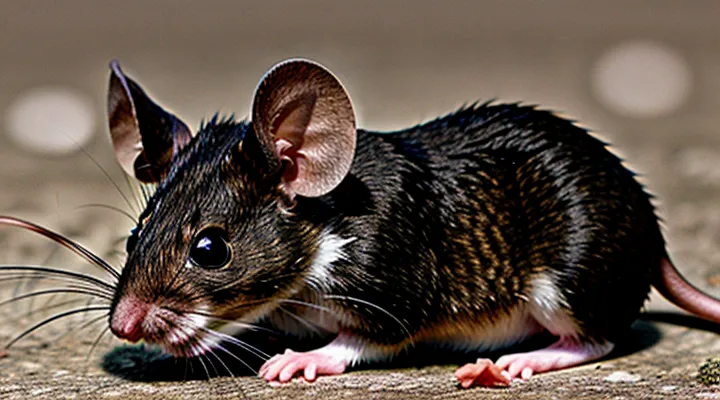
Preparing for Examination
Gathering Necessary Supplies
Choosing a Safe Examination Area
A reliable assessment of a mouse’s sex requires a controlled environment that prevents stress, injury, and contamination. The examination area must isolate the animal from external disturbances while allowing clear observation and accurate sampling.
Key characteristics of a safe examination space:
- Enclosed cage or testing chamber with secure, lockable doors to prevent accidental escape.
- Transparent walls or a clear lid for unobstructed visual access.
- Non‑slippery flooring (e.g., rubber mat) to reduce the risk of falls during handling.
- Adequate ventilation to maintain temperature between 20 °C and 24 °C and humidity around 40‑60 %.
- Sufficient lighting, preferably white LED, that eliminates shadows without generating heat.
- Easy‑to‑clean surfaces resistant to disinfectants; all bedding and debris should be removable.
- Dedicated work surface for tools (scissors, forceps, gloves) kept separate from the animal’s zone.
Preparation steps:
- Sanitize the chamber and surrounding workbench with an approved disinfectant; allow drying time.
- Place a single, appropriately sized cage or restraint device inside the chamber.
- Set the ambient temperature and humidity to the specified range; verify with calibrated meters.
- Position lighting to illuminate the ventral and dorsal regions without glare.
- Arrange tools within arm’s reach, ensuring they are sterile and labeled.
- Conduct a brief acclimation period for the mouse—no longer than two minutes—to reduce stress before examination.
Adhering to these guidelines creates a predictable setting, minimizes variables that could affect sex determination, and upholds animal welfare standards.
Ensuring Proper Lighting
Proper illumination is essential for visualizing anatomical markers used to distinguish male and female mice. Inadequate lighting can obscure subtle differences in genital morphology, leading to misclassification and compromised data quality.
Select a light source that delivers uniform, shadow‑free illumination across the observation area. LED panels with adjustable intensity provide stable spectra and minimal heat, reducing stress on the animals. Position the light at a 45‑degree angle relative to the specimen to enhance contrast without creating glare.
Maintain consistent lighting conditions throughout the study. Record the intensity (lux) and color temperature for each session; replicate these settings when repeating observations. Calibration of the light source every month ensures that output remains within the specified range.
When using a stereomicroscope, follow these guidelines:
- Set the condenser to provide even illumination across the field of view.
- Adjust the diaphragm to control depth of field, balancing clarity of external genitalia with overall focus.
- Use polarized filters only if they improve contrast without altering the natural appearance of the structures.
Document lighting parameters in the experimental log alongside each sex determination entry. This practice enables reproducibility and facilitates troubleshooting if discrepancies arise.
Visual Examination Techniques
Distinguishing Key Anatomical Features
Anogenital Distance (AGD) Measurement
Anogenital distance (AGD) is the linear measurement between the anus and the genital papilla. In rodents, AGD differs markedly between males and females, providing a reliable morphological indicator for sex identification.
To obtain an accurate AGD reading, follow these steps:
- Anesthetize the mouse briefly with an approved inhalant or injectable agent to prevent movement.
- Place the animal in dorsal recumbency on a clean, flat surface.
- Use fine-tipped forceps to gently spread the hind limbs, exposing the perineal region.
- Measure the distance from the center of the anal opening to the base of the genital tubercle with digital calipers; record to the nearest 0.01 mm.
Typical values for laboratory strains show males possessing an AGD at least twice that of females. Establish strain‑specific reference ranges by measuring a sample of known‑sex individuals before applying the metric to unknown subjects.
Key considerations include:
- Consistent anesthesia depth to avoid muscle relaxation that could alter measurements.
- Calibration of calipers before each session.
- Recording ambient temperature, as thermal fluctuations can affect tissue elasticity.
Limitations: AGD overlaps in neonates of some strains, and extreme developmental disorders may obscure the sex‑related disparity. When overlap occurs, supplement AGD with genetic or gonadal inspection methods.
Overall, AGD measurement offers a quick, non‑invasive, and reproducible approach for determining mouse sex within simple research protocols.
Presence of Nipples
The presence and arrangement of nipples provide a reliable visual cue for sex identification in laboratory mice. Male mice typically develop a single pair of abdominal nipples, while females exhibit a complete series of ten to twelve nipples extending from the thoracic region to the inguinal area. This dimorphism appears shortly after birth and persists throughout adulthood, making it suitable for quick assessment without specialized equipment.
To evaluate nipple pattern, follow these steps:
- Gently restrain the mouse on a clean surface, ensuring minimal stress.
- Use a magnifying lens or low‑power stereomicroscope to enhance visibility.
- Scan the ventral surface from the neck to the pelvis, counting visible nipple buds.
- Record the count: one pair indicates a male; a full complement indicates a female.
Considerations:
- Neonatal pups may display underdeveloped nipples; confirm with a second method if counts are ambiguous.
- Certain strains exhibit reduced or atypical nipple numbers; consult strain‑specific references before relying solely on this trait.
- Hormonal manipulations can alter nipple development; ensure experimental conditions are documented.
When combined with other simple markers, such as anogenital distance, nipple assessment yields a rapid, cost‑effective determination of mouse sex for routine research procedures.
Differences in Genital Openings
When examining a mouse, the most reliable visual cue for sex lies in the configuration of the external genitalia. Males present a single, circular opening at the ventral tip of the abdomen, surrounded by a preputial fold that conceals the penis when not erect. The opening serves both urinary and reproductive functions and appears as a smooth, unobstructed aperture.
Females display two distinct openings. The vaginal entrance is a short, slit‑like orifice situated just anterior to the anus, often covered partially by a labial fold. A separate urethral opening lies slightly cranial to the vaginal slit, making the anogenital region visibly segmented. The distance between the vaginal and anal openings is noticeably shorter than the male’s anogenital distance.
Key distinguishing features:
- Male: one round, ventral opening; preputial sheath present.
- Female: slit‑shaped vaginal opening plus a separate anal opening; labial fold partially covering the vaginal slit; shorter anogenital distance.
These morphological differences enable rapid, accurate sex determination without specialized equipment.
Handling the Mouse Safely
Proper Restraint Methods
Effective restraint is essential for accurate sex identification in laboratory mice. Secure handling minimizes stress, prevents injury, and ensures reliable visual assessment of genitalia. Choose a method that matches the mouse’s size, temperament, and the researcher’s skill level.
- Manual grip: Use thumb and forefinger to gently close around the neck and scruff, supporting the body with the other hand. Keep the mouse’s head slightly elevated to expose the ventral area. This method allows quick inspection but requires practice to avoid excessive pressure.
- Transparent restraint tube: Insert the mouse head‑first into a clear plastic tube of appropriate diameter, leaving the tail exposed. The tube confines movement while permitting unobstructed view of the genital region. Suitable for repeated examinations and reduces handling time.
- Anesthetic sedation: Administer a brief inhalation anesthetic (e.g., isoflurane) or injectable agent (e.g., ketamine‑xylazine) to immobilize the animal. Perform sex determination while the mouse is unconscious, then allow full recovery before returning it to the cage. Use only when other methods cause excessive distress or when detailed examination is required.
- Specialized restrainers: Devices such as the “rodent restraining bag” or “sleeve” provide full-body containment with an opening for ventral access. These are ideal for larger cohorts and for researchers with limited manual restraint experience.
Maintain aseptic technique: disinfect gloves, use clean tools, and replace restraint equipment between subjects. Record the observed sex immediately after each examination to prevent data loss. Follow institutional animal‑care guidelines to ensure humane treatment throughout the process.
Minimizing Stress for the Mouse
Reducing stress in laboratory mice directly improves the reliability of sex‑identification techniques. Elevated cortisol levels can obscure external genital morphology and alter hormone concentrations, leading to misclassification. Maintaining a calm physiological state therefore enhances accuracy in simple sex‑determination protocols.
Key practices for stress minimization:
- Provide a minimum 48‑hour acclimation period after transport before any handling or observation.
- Keep the housing environment stable: temperature 20‑24 °C, humidity 45‑55 %, 12‑hour light/dark cycle, and low ambient noise.
- Use gentle, consistent handling methods such as cupping or tunnel transfer; avoid tail‑grasping.
- Limit the duration of each handling session to under two minutes; conduct observations at the same time each day.
- Ensure enrichment objects (nesting material, shelter) are present to promote natural behaviors.
- Apply brief, low‑dose isoflurane anesthesia only when necessary for invasive sampling; allow full recovery before further procedures.
- Record handling and sampling times to detect any correlation between procedural stress and sex‑determination outcomes.
By integrating these measures, researchers create a low‑stress context that supports clear identification of male and female mice using visual inspection, PCR‑based sex markers, or hormone assays.
Advanced Considerations and Tips
Examining Young Mice
Age-Related Differences in Appearance
Age influences external characteristics that researchers rely on when identifying mouse sex. Younger mice (post‑natal day 7‑10) display minimal sexual dimorphism; genitalia are not fully developed, and body size differences are negligible. After weaning (approximately day 21), males begin to show a modest increase in body mass and a slightly broader torso, while females remain comparatively slender. By adulthood (8‑12 weeks), sex‑specific traits become distinct.
Key age‑related visual cues include:
- Genital morphology – Pre‑pubertal mice have an undifferentiated genital papilla; by puberty, males develop a visible scrotum and a longer anogenital distance, whereas females retain a shorter distance and lack scrotal tissue.
- Fur coloration and pattern – Some strains exhibit sex‑linked coat variations that emerge after the first molt; early coats are typically uniform across sexes.
- Body dimensions – Adult males often possess a larger crown‑rump length and greater hind‑foot length; these measurements remain indistinguishable in neonates.
- Behavioral posture – Mature males may adopt a slightly elevated hind‑limb stance during locomotion, a posture absent in juveniles and females.
When conducting sex determination, researchers should align observation timing with the developmental stage. For experiments requiring early‑stage identification, reliance on genetic markers or PCR assays is advisable, as morphological cues are insufficient. In contrast, for studies involving mature mice, visual inspection of the listed characteristics provides a rapid and reliable method.
When to Perform Examinations
Determining a mouse’s sex requires examinations at specific developmental stages to ensure reliable results while minimizing animal stress.
Examinations are most accurate when performed at the following time points:
- Neonatal stage (24‑48 hours after birth) – visual assessment of anogenital distance (AGD) provides clear separation between males and females; the measurement is most pronounced before fur development obscures landmarks.
- Early post‑natal (day 7‑10) – AGD remains distinct; the animal is large enough for gentle handling, reducing handling‑induced injury.
- Weaning (around day 21) – physical inspection of genitalia is feasible; the sex can be confirmed before the onset of puberty, which eliminates hormonal variability.
- Post‑pubertal (≥6 weeks) – when genetic confirmation is required, tissue sampling (e.g., ear punch or tail snip) for PCR‑based sex‑specific markers offers definitive identification, especially for strains with ambiguous phenotypic markers.
Key considerations for timing:
- Developmental consistency – select the earliest stage at which AGD measurement yields a clear gap between sexes; later stages introduce variability due to growth and hormonal changes.
- Stress reduction – schedule examinations when pups are calm (e.g., after a brief acclimation period) and use appropriate restraint techniques to avoid injury.
- Research objectives – choose neonatal visual assessment for large‑scale breeding programs; opt for molecular confirmation when precise genotyping is essential for downstream experiments.
- Regulatory compliance – align timing with institutional animal care guidelines, ensuring that any invasive sampling occurs after the animal reaches a size that permits humane tissue collection.
By adhering to these time windows, researchers obtain accurate sex identification while maintaining animal welfare and experimental integrity.
Common Mistakes to Avoid
Misinterpreting Features
Accurate sex identification in laboratory mice depends on recognizing specific anatomical characteristics; misreading these traits leads to incorrect classification.
Common sources of error include:
- Anogenital distance: measuring too early in development yields values that overlap between sexes.
- Nipple visibility: assuming presence of nipples indicates female sex ignores the fact that male juveniles may display faint nipples.
- Preputial separation: judging male status solely from the appearance of the preputial gland can be misleading before puberty.
- Body size: relying on overall size neglects strain‑specific growth patterns that mask sex differences.
- Genital papilla shape: interpreting slight variations without magnification results in ambiguous identification.
To minimize misinterpretation:
- Verify at least two independent markers before assigning sex.
- Conduct observations at developmental stages when traits are fully expressed (e.g., post‑weaning for preputial separation).
- Use calibrated calipers for anogenital distance and document measurements.
- Compare findings with strain‑specific reference tables rather than generic expectations.
- When uncertainty persists, confirm with genetic assays such as PCR for sex‑determining genes.
Rushing the Examination
When sexing laboratory mice, a hurried examination often compromises accuracy. Rapid visual inspection may miss subtle morphological cues, leading to misclassification that skews experimental outcomes and increases animal use.
Key sources of error in a rushed assessment include:
- Overlooking the anogenital distance, which differs by less than a millimeter between sexes in early development.
- Ignoring the presence of nipples or mammary buds that appear only in females after a specific age.
- Misreading the preputial gland size in males, especially when the animal is not fully anesthetized.
To maintain efficiency without sacrificing reliability, follow a structured protocol:
- Prepare a clean, well‑lit workspace and calibrate magnification tools before handling any specimen.
- Anesthetize or gently restrain the mouse to prevent movement that obscures genital structures.
- Measure the anogenital distance with a calibrated caliper; record values immediately.
- Inspect the ventral surface for nipple buds or mammary tissue, noting their development stage.
- Examine the preputial area for gland enlargement; confirm with a brief tactile assessment if visual cues are ambiguous.
- Document each observation in a standardized log, assigning a confidence level to the sex determination.
Implementing these steps reduces the temptation to skip critical checks. Consistent documentation also enables retrospective verification, ensuring that speed does not undermine experimental integrity.