
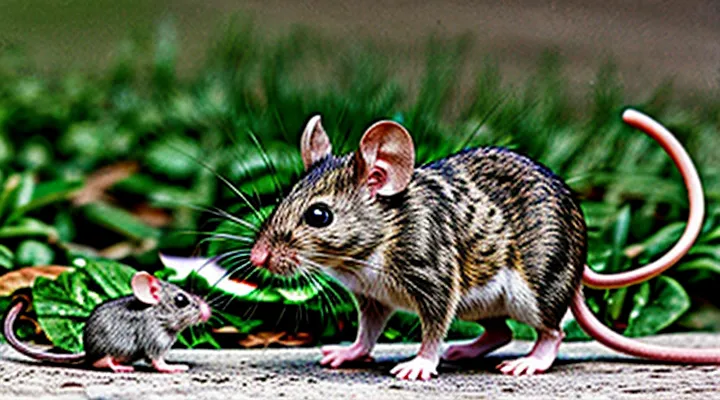
Factors Influencing Reproduction
Age and Maturity
Mice reach sexual maturity between five and six weeks of age. At this stage, females can conceive after a single estrous cycle, and males produce viable sperm. The first litters appear shortly after the initial estrus, typically within ten days of mating.
Reproductive performance follows a predictable age curve:
- Early adulthood (6 weeks – 3 months): Highest conception rates, average litter size 6–8 pups, inter‑litter interval about 21 days.
- Mid‑life (3 months – 8 months): Slight decline in litter size (5–7 pups), longer intervals (23–25 days), increased incidence of stillbirths.
- Late adulthood (8 months +): Marked reduction in fertility, occasional missed estrus cycles, litter size often below five, extended gestation intervals up to 30 days.
Female reproductive capacity peaks around two to four months, after which ovarian follicle reserves diminish. Male fertility declines more gradually, with sperm count and motility decreasing after eight months but remaining sufficient for successful mating until roughly one year of age.
Overall lifespan under laboratory conditions averages 24 months. Reproductive output concentrates within the first half of life; beyond ten months, contribution to population growth becomes negligible.
Environmental Conditions
Environmental variables exert measurable influence on murine reproductive output. Temperature extremes suppress estrous cycles; optimal breeding occurs between 20 °C and 24 °C, where ovulation frequency and litter size reach peak values.
Light exposure regulates gonadal hormone release; a photoperiod of 14 hours light and 10 hours dark aligns with maximal fertility, while shorter days lengthen the inter‑litter interval.
Nutrient availability determines embryo viability. Diets providing 18–20 % protein, adequate calcium, and balanced fatty acids support larger litters and higher pup survival rates. Deficiencies in micronutrients such as vitamin E or zinc correlate with reduced conception rates.
Housing density affects stress hormones. Grouping more than five adult females per cage elevates corticosterone, decreasing mating frequency and litter size. Providing enrichment items (nesting material, shelters) mitigates stress‑induced reproductive decline.
Humidity levels between 40 % and 60 % maintain mucosal integrity and prevent dehydration‑related embryonic loss.
Key environmental parameters influencing mouse fecundity
- Ambient temperature: 20–24 °C
- Photoperiod: 14 h light / 10 h dark
- Dietary protein: 18–20 % of calories
- Micronutrient adequacy: vitamin E, zinc, calcium
- Cage density: ≤5 females per standard cage
- Enrichment: nesting material, shelters
- Relative humidity: 40–60 %
Adhering to these conditions maximizes the number of offspring a single mouse can produce within a reproductive cycle.
Nutritional Status
Adequate nutrition determines the maximum litter size a mouse can produce. Studies with laboratory strains show that females receiving a diet containing 20 % protein and 3,500 kcal kg⁻¹ produce an average of 8–10 pups per gestation, whereas a diet reduced to 10 % protein and 2,800 kcal kg⁻¹ limits litters to 4–5 pups. Caloric restriction of 30 % below maintenance levels extends the inter‑birth interval from 21 days to approximately 35 days, reducing annual reproductive output by nearly 40 %.
Micronutrient availability also modulates fecundity. Supplementation with zinc at 30 mg kg⁻¹ diet increases ovulation rates by 15 % in females on a marginal protein regimen. Vitamin E at 100 IU kg⁻¹ improves embryonic survival, raising the proportion of viable pups from 70 % to 85 % under identical caloric conditions.
Maternal body condition at conception predicts offspring number. Females with a body mass index (BMI) of 18–20 g kg⁻¹ achieve the highest litter sizes; BMI below 15 g kg⁻¹ correlates with a 50 % drop in pup count. Rapid weight gain during the pre‑ovulatory phase (gain of >2 g within 5 days) accelerates follicular development, enabling two consecutive litters within a 40‑day period.
In summary:
- High‑protein, high‑calorie diets → larger litters, shorter intervals.
- Protein restriction → smaller litters, prolonged intervals.
- Zinc and vitamin E supplementation → increased ovulation and embryo viability.
- Optimal maternal BMI → maximal offspring number.
- Rapid pre‑ovulatory weight gain → potential for back‑to‑back litters.
Litter Size and Frequency
Gestation Period
The gestation period of the common laboratory mouse (Mus musculus) averages 19–21 days from conception to birth. This interval remains consistent across most strains, with minor variations of ±1 day attributable to genetic background, maternal age, and environmental conditions such as temperature and nutrition.
Key characteristics of the mouse gestation:
- Duration: 19–21 days, with the majority of litters delivered on day 20.
- Onset of implantation: occurs around day 4–5 post‑coitus.
- Fetal development milestones: organogenesis completed by day 12, rapid growth of skeletal and muscular systems between days 13–16.
- Parturition timing: typically during the early dark phase, aligning with the species’ nocturnal activity pattern.
Maternal factors influencing gestation length include parity (first‑time mothers may experience slightly longer gestations) and stress levels, which can induce premature delivery. Nutritional adequacy ensures normal fetal growth; deficiencies in protein or essential vitamins may extend gestation or reduce litter viability.
Understanding the precise timing of mouse gestation is essential for planning breeding programs, synchronizing experimental interventions, and interpreting reproductive output data.
Number of Litters Per Year
Mice reach sexual maturity at five to eight weeks, then can produce a new litter roughly every three to four weeks. Gestation lasts 19–21 days; weaning occurs at 21 days, after which females may become receptive again within 24–48 hours. Under standard laboratory conditions, a healthy female mouse typically produces five to ten litters per year. In highly controlled environments with optimal nutrition, temperature, and lighting, the number can rise to twelve or more.
Key variables influencing litter frequency include:
- Strain: Laboratory strains (e.g., C57BL/6) often achieve higher annual litter counts than wild‑type populations.
- Nutrition: High‑calorie diets accelerate recovery and increase breeding cycles.
- Photoperiod: Longer daylight exposure shortens the estrous cycle, allowing more frequent conception.
- Housing density: Overcrowding can suppress reproductive hormones, reducing litter intervals.
Maximum reproductive output is observed when all variables align, enabling a single mouse to generate up to 200 offspring annually through successive litters.
Average Litter Size
The average litter produced by a mouse ranges from five to eight offspring in wild populations of the common house mouse (Mus musculus). Laboratory strains exhibit slightly larger litters, frequently six to twelve pups, with some high‑producing lines reaching fourteen. Median values cluster around six for most domestic and feral groups.
Factors influencing litter size include:
- Maternal age: young females (first parity) often produce fewer pups, while prime‑age females (2–4 months) achieve peak numbers.
- Genetic background: inbred laboratory lines display consistent litter sizes, whereas outbred stocks show greater variability.
- Nutrition and housing: diets rich in protein and caloric density raise average litter counts; overcrowding and stress reduce them.
- Seasonal cues: in temperate regions, breeding during longer daylight periods correlates with modestly larger litters.
These parameters define the typical reproductive output of mice and provide benchmarks for both scientific research and pest‑management programs.
Reproductive Potential Over a Lifetime
Lifespan of a Mouse
The average domestic mouse lives 2–3 years under controlled conditions, while wild counterparts rarely exceed 12 months. Lifespan variation results from genetics, nutrition, housing density, and pathogen exposure.
Key lifespan parameters:
- Sexual maturity reached at 5–6 weeks.
- Peak fertility spans the first 12–15 months of life.
- Reproductive activity declines after 18 months, with litter size and frequency decreasing.
- Mortality rates rise sharply after the second year, limiting further breeding opportunities.
Environmental stressors shorten lifespan, reducing the total number of possible litters. Conversely, optimal care—balanced diet, low stress, and disease prevention—extends the reproductive window, allowing a mouse to produce more offspring over its life.
Total Offspring Production
Mice reach sexual maturity at 5–6 weeks and can breed continuously until senescence, typically around 12–18 months for laboratory strains. Each estrous cycle lasts 4–5 days, allowing a female to conceive shortly after giving birth. Consequently, a single female can produce 5–7 litters per year under optimal conditions.
Typical litter size ranges from 5 to 8 pups, with occasional extremes of 12–14 in high‑resource environments. Multiplying average litter size (≈6.5) by the maximum number of annual litters (7) yields an upper bound of roughly 45 offspring per year for a healthy, well‑fed mouse.
Considering the reproductive window of about 12 months for most laboratory mice, total progeny output per female averages 30–40 individuals. In wild populations, where food scarcity, predation, and disease reduce litter frequency and size, the cumulative total often falls to 15–25 offspring over the lifespan.
Key factors influencing total offspring production:
- Nutrition quality and availability
- Genetic strain and inherent fecundity
- Environmental stressors (temperature, crowding)
- Age at first conception and age‑related decline in fertility
These parameters determine the realistic range of progeny a single mouse can generate throughout its reproductive life.
Survival Rates of Pups
Mouse pups experience a steep decline in numbers from birth to weaning. Typical litter sizes range from five to eight, yet only 40‑60 % of neonates survive to the third post‑natal week. The primary determinants of survival are:
- Maternal competence: adequate nesting, grooming, and nursing behavior raise pup survival to 70‑80 % in laboratory colonies.
- Litter size: larger litters increase competition for milk, reducing individual survival by 10‑15 % compared with smaller litters.
- Environmental temperature: ambient temperatures below 20 °C elevate mortality to 30‑40 % due to hypothermia; optimal range (22‑26 °C) limits deaths to under 10 %.
- Parental health: infection, malnutrition, or stress in the dam correlate with a 20‑30 % rise in pup loss.
- Genetic factors: inbred strains exhibit higher neonatal mortality (up to 50 %) than outbred populations.
In controlled settings, where temperature, nutrition, and disease are rigorously managed, survival rates can exceed 85 % through weaning. In wild populations, predation and resource scarcity lower the overall survival to approximately 30‑45 % of the original litter. These percentages directly constrain the total reproductive output of a single mouse, shaping population dynamics.
Understanding Mouse Population Dynamics
Exponential Growth Potential
Mice reproduce with a short gestation period (approximately 19–21 days) and can breed soon after weaning, typically at 6–8 weeks of age. A single female may produce 5–10 litters per year, each litter containing 5–12 pups. If each female offspring reaches breeding age and follows the same pattern, the population expands exponentially.
Assuming optimal conditions—adequate nutrition, absence of predators, and stable temperature—one female can generate roughly 6 litters annually, averaging 8 pups per litter. This yields 48 offspring per year from the original mouse. If half of those are females (24) and they each replicate the same output in the following year, the second‑generation total reaches 1,152 pups. Continuing this cycle for three generations results in over 27,000 individuals, illustrating the rapid multiplication potential inherent in rodent reproduction.
Key parameters influencing the exponential trajectory:
- Age at first estrus (earlier onset accelerates cohort turnover).
- Litter size variability (genetic and environmental factors).
- Inter‑litter interval (shorter intervals increase yearly output).
- Survival rate of neonates (higher survival sustains growth).
Mathematical representation uses the formula N = N₀ × r^g, where N₀ is the initial female count, r is the average number of breeding females produced per female per generation, and g is the number of generations. For mice, r typically ranges from 3 to 5 under laboratory conditions, confirming that population size can double or triple each generation, leading to explosive growth when unchecked.
Impact of Predators and Disease
Predation imposes a direct limit on the number of young a female mouse can ultimately raise. When a predator enters a habitat, the survival rate of litters drops sharply; studies of barn owl and weasel activity show reductions of 30‑50 % in weanling survival within a single breeding season. Female mice respond by accelerating gestation and increasing litter frequency, yet the net output remains constrained because a substantial portion of pups are lost before reaching independence.
Disease exerts a comparable restraining effect. Endemic pathogens such as mouse hepatitis virus, salmonellosis, and hantavirus can cause mortality rates of 20‑40 % among newborns and impair the reproductive health of adults. Outbreaks often trigger temporary infertility or prolonged estrous cycles, decreasing the total number of litters produced during a typical reproductive year. Chronic infections also reduce litter size by 10‑15 % on average.
Both factors interact synergistically. In environments where predators and pathogens coexist, the combined pressure can halve the theoretical reproductive output of a mouse population. Management strategies that mitigate predator density and control disease spread—through habitat modification, biosecurity measures, and targeted vaccination—are the primary means of preserving the species’ maximal breeding capacity.
Human Intervention and Control Measures
Human‑directed strategies limit mouse breeding through environmental, genetic, and population‑level controls. In laboratory settings, researchers regulate mating cycles by separating sexes, employing timed estrus detection, and using hormonal inhibitors to prevent unintended conception. These methods reduce litter frequency and size, ensuring predictable offspring numbers for experimental consistency.
Commercial and agricultural facilities apply similar principles. Automated cage systems monitor temperature, humidity, and light cycles, creating conditions that suppress reproductive peaks. Nutritional adjustments—reduced protein or calorie intake—lower fertility rates without compromising animal welfare standards.
Genetic interventions provide long‑term suppression. Gene‑editing techniques introduce sterility alleles or disrupt key reproductive genes, producing lines that cannot produce viable gametes. Release of such engineered mice into wild populations can curtail exponential growth in pest‑infested areas.
Pest‑management programs rely on physical and chemical measures. Traps, exclusion barriers, and targeted rodenticides reduce adult populations, indirectly decreasing breeding opportunities. Integrated pest‑management plans combine habitat modification, sanitation, and population monitoring to maintain mouse numbers below economic damage thresholds.
Key control measures include:
- Sex separation and timed breeding protocols.
- Environmental regulation of housing conditions.
- Dietary modulation to affect reproductive output.
- Genetic sterilization or fertility‑gene disruption.
- Physical exclusion, trapping, and targeted chemical control.
- Integrated monitoring and data‑driven adjustment of interventions.