
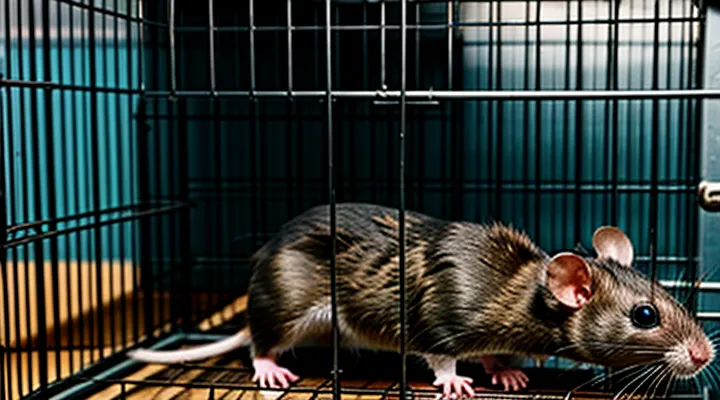
Understanding Fancy Rat Lifespan
Average Lifespan of Pet Rats
Pet rats typically live between two and three years when kept as companions. This range reflects the species’ natural lifespan under optimal care conditions, including balanced nutrition, regular veterinary check‑ups, and a safe, enriched environment.
Factors that can extend or shorten this period include:
- Quality and variety of diet (high‑protein pellets, fresh vegetables, limited sugary treats)
- Housing conditions (adequate space, clean bedding, proper ventilation)
- Social interaction (presence of compatible cage mates or regular human handling)
- Health management (vaccinations, parasite control, prompt treatment of illnesses)
- Genetic background (inbreeding may reduce longevity, while robust breeding lines promote health)
Owners who provide consistent, stress‑free care often see rats approach the upper end of the two‑to‑three‑year expectancy, while neglect or chronic disease can reduce lifespan to under a year. Monitoring weight, activity levels, and coat condition offers early indicators of health issues that may affect longevity.
Factors Influencing Longevity
Genetics and Breeding
Genetic makeup determines the baseline lifespan of domesticated rats, typically ranging from two to three years. Certain alleles predispose individuals to early-onset tumors, cardiac defects, or metabolic disorders that shorten life expectancy. Breeders who select for robust health markers—such as clear coat coloration, normal weight, and absence of respiratory issues—can shift the population average toward the upper end of the species’ potential.
Inbreeding amplifies recessive deleterious genes, increasing the frequency of hereditary ailments. Regular outcrossing introduces new alleles, reduces homozygosity, and enhances immune competence. Maintaining a pedigree that records each pair’s genetic background enables the identification of carriers and the avoidance of matings that would produce affected offspring.
Effective breeding programs incorporate the following practices:
- Track health histories of parents and offspring for at least two generations.
- Avoid mating siblings, parents with offspring, or individuals sharing more than 12.5 % of their genome.
- Prioritize pairs with documented longevity and minimal incidence of disease.
- Introduce unrelated lines periodically to refresh genetic diversity.
By applying these strategies, caretakers can extend the typical cage life of fancy rats, moving the average closer to three years while minimizing premature mortality caused by inherited conditions.
Diet and Nutrition
A balanced diet directly influences the longevity of domesticated rats kept in enclosures. Protein should constitute 15‑20 % of the total caloric intake; high‑quality sources include cooked chicken, boiled eggs, and commercial rat pellets formulated with animal‑derived protein. Fat levels must remain below 5 % to prevent obesity and related cardiovascular strain; suitable fats are small amounts of unsalted nuts or seed oils. Carbohydrates provide energy but should derive from complex grains rather than simple sugars, reducing the risk of insulin spikes and dental disease.
Vitamins and minerals are essential for immune function and bone health. A daily supplement of calcium (300‑400 mg) and phosphorus (250‑300 mg) supports skeletal integrity, while a multivitamin blend delivers vitamins A, D, E, K, and the B‑complex group. Fresh vegetables such as broccoli, kale, and carrots supply antioxidants and fiber; limit citrus fruits to avoid excess acidity.
Water availability is critical. Provide clean, fresh water at all times; a sipper bottle reduces contamination compared to open dishes. Monitor intake; a decrease may signal health issues that could shorten lifespan.
Key nutritional practices
- Offer measured portions of high‑protein pellets twice daily.
- Supplement with a small amount of cooked lean meat or hard‑boiled egg weekly.
- Include a rotating selection of leafy greens and root vegetables.
- Add a calcium‑phosphorus supplement according to manufacturer guidelines.
- Ensure continuous access to fresh water and replace it daily.
Consistent adherence to these dietary guidelines promotes optimal health, reduces disease incidence, and extends the expected lifespan of pet rats living in confined environments.
Environmental Conditions
Environmental conditions directly influence the lifespan of domesticated fancy rats kept indoors. Optimal temperature ranges from 65 °F to 75 °F (18 °C–24 °C). Temperatures below 60 °F (15 °C) slow metabolism and increase susceptibility to respiratory infections; temperatures above 80 °F (27 °C) raise stress and the risk of heatstroke.
Humidity should remain between 40 % and 60 %. Excess moisture promotes mold growth in bedding and encourages parasites, while overly dry air irritates the respiratory tract.
Ventilation is essential. Fresh air exchange prevents the buildup of ammonia from urine. A cage with multiple airflow openings or a low‑speed fan maintains air quality without creating drafts that could chill the animals.
Cage size and layout affect movement and exercise. Minimum floor area of 2 sq ft (0.19 m²) per rat, with vertical enrichment such as climbing ropes or platforms, encourages natural behaviors and reduces obesity.
Bedding material must be absorbent, dust‑free, and non‑toxic. Aspen shavings, paper‑based bedding, or recycled paper pellets meet these criteria. Avoid cedar or pine, which release volatile oils harmful to the respiratory system.
Lighting should follow a regular 12‑hour light/dark cycle. Continuous illumination disrupts circadian rhythms, leading to hormonal imbalance and shortened life expectancy.
Noise levels above 50 dB can cause chronic stress. Place the cage away from loud appliances, televisions, or heavy traffic.
A concise checklist for optimal environmental management:
- Temperature: 65‑75 °F (18‑24 °C)
- Humidity: 40‑60 %
- Ventilation: steady fresh‑air flow, no drafts
- Space: ≥2 sq ft (0.19 m²) per rat, vertical enrichment
- Bedding: absorbent, dust‑free, non‑aromatic
- Light cycle: 12 h light/12 h dark
- Noise: ≤50 dB
Adhering to these parameters maximizes health and longevity for pet rats housed in cages.
Veterinary Care
Veterinary care directly influences the lifespan of domesticated fancy rats kept in enclosures. Regular health assessments allow early detection of conditions that can shorten life expectancy, such as respiratory infections, tumors, or dental problems.
A typical care schedule includes:
- Initial examination by a small‑animal veterinarian within two weeks of acquisition.
- Quarterly physical checks to monitor weight, coat condition, and behavior.
- Annual blood work and urinalysis to identify hidden organ issues.
- Prompt treatment of respiratory signs (sneezing, nasal discharge) with appropriate antibiotics, as these infections spread quickly in confined environments.
- Dental evaluation at each visit; overgrown incisors require trimming or filing to prevent malocclusion and associated feeding difficulties.
- Parasite control using veterinarian‑approved products for mites and ectoparasites; internal parasites are rare but should be screened if gastrointestinal symptoms appear.
Nutritional guidance from a veterinarian ensures a balanced diet that supports growth and immune function. Recommended staples include high‑quality rodent pellets, fresh vegetables, and limited treats, while avoiding foods high in fat or sugar that predispose rats to obesity and metabolic disorders.
Environmental advice from a professional includes maintaining cage hygiene, providing adequate ventilation, and using safe bedding materials to reduce respiratory irritants. Proper enrichment—such as tunnels, chew toys, and climbing structures—prevents stress‑related illnesses and promotes natural activity levels.
Owners should recognize warning signs: sudden weight loss, lethargy, abnormal stool, or changes in grooming. Immediate veterinary consultation improves prognosis, often extending the animal’s life by months or years.
Consistent veterinary involvement, combined with attentive husbandry, maximizes the longevity of fancy pet rats living in cages.
Maximizing Your Rat's Lifespan
Optimal Cage Environment
Cage Size and Enrichment
Adequate cage dimensions are critical for the health and longevity of pet rats. A minimum floor area of 2 sq ft per adult rat prevents overcrowding; larger groups require proportionally more space. A cage height of at least 12 in provides vertical climbing opportunities, which mimic natural behavior and reduce stress. Wire mesh should have openings no larger than ¼ in to prevent escape while allowing ventilation.
Enrichment directly influences physical condition and lifespan. Effective items include:
- Multi‑level platforms or shelves for climbing
- Solid‑bottom tunnels and hideouts for security
- Chew‑safe wooden blocks or untreated branches to wear down teeth
- Foraging toys that dispense small food pieces, encouraging natural foraging instincts
- Exercise wheels designed for rodents, sized 8–10 in in diameter to avoid spinal curvature
Regular rotation of enrichment objects maintains novelty and mental stimulation. Cleaning schedules must remove waste and replace damp bedding to prevent respiratory issues. Providing a balanced diet alongside these environmental factors supports optimal growth and can extend the average life expectancy of fancy rats from 2 to 3 years, with well‑cared individuals reaching 3 years or longer.
Bedding and Substrate
Bedding directly influences cage hygiene, respiratory health, and stress levels, all of which affect the longevity of pet rats kept indoors. Moisture‑absorbing, low‑dust substrates reduce the risk of respiratory infections such as Mycoplasma pulmonis, while providing a comfortable surface for nesting and burrowing. Materials that retain ammonia from urine can quickly degrade air quality, leading to chronic lung irritation and shortened lifespan.
Recommended substrates include:
- Paper‑based bedding (e.g., shredded paper, cellulose pads): high absorbency, minimal dust, easy to replace.
- Aspen shavings: low aromatic oils, moderate dust, biodegradable.
- Coconut fiber (coir): good absorbency, low dust, natural texture for digging.
Avoid cedar, pine, and scented litters; volatile oils and strong fragrances irritate the respiratory tract and may cause chronic inflammation. Change bedding regularly—minimum twice weekly for paper products, weekly for wood shavings—to maintain dry, clean conditions and prevent ammonia buildup. Proper substrate management supports immune function and contributes to a longer, healthier life for cage‑bound rats.
Temperature and Humidity
Temperature directly influences metabolic rate in captive rats. Ambient conditions between 18 °C and 24 °C maintain normal physiological function; lower temperatures trigger shivering thermogenesis, increasing energy consumption and reducing body weight. Temperatures above 27 °C cause heat stress, leading to rapid respiration, dehydration, and elevated mortality risk.
Humidity controls evaporative cooling and respiratory health. Relative humidity maintained at 40 %–60 % prevents excessive water loss while limiting fungal and bacterial growth in bedding. Environments below 30 % accelerate mucosal drying, predisposing rats to respiratory irritation. Levels above 70 % create damp conditions that encourage pathogens and compromise skin integrity.
Optimal climate management combines temperature and humidity targets:
- Temperature: 18 °C–24 °C (64 °F–75 °F)
- Relative humidity: 40 %–60 %
- Night‑time temperature reduction of 1–2 °C to mimic natural diurnal variation
- Regular monitoring with calibrated thermometers and hygrometers
Deviations from these parameters shorten average lifespan by accelerating disease onset and impairing organ function. Consistent environmental control therefore extends the healthy life expectancy of fancy pet rats kept in cages.
Essential Care Practices
Balanced Diet Components
A well‑balanced diet is essential for extending the lifespan of pet rats kept in cages. Proper nutrition supports immune function, organ health, and overall vitality, which directly influences how many years the animals can thrive.
Key components of an optimal rat diet include:
- Commercial rat pellets: Formulated to provide consistent levels of protein (18‑20 %), fat (5‑7 %), fiber, vitamins, and minerals. Choose a reputable brand without added sugars or artificial colors.
- Fresh vegetables: Offer a variety of leafy greens (e.g., kale, romaine, spinach), cruciferous vegetables (broccoli, cauliflower), and carrots. Provide 1‑2 tablespoons per rat daily, removing uneaten portions after a few hours to prevent spoilage.
- Limited fruits: Small pieces of apple, berries, or melon supply natural sugars and antioxidants. Limit to ½ tablespoon per rat every other day to avoid excess glucose.
- Protein supplements: Occasionally add cooked eggs, lean chicken, or low‑fat cottage cheese (no more than ¼ teaspoon per rat) to boost amino acid intake, especially for breeding or growing individuals.
- Healthy treats: Small quantities of unsalted nuts, seeds, or whole‑grain crackers can be used for enrichment, but must remain under 5 % of total caloric intake.
- Clean water: Fresh, filtered water should be available at all times; replace daily and ensure the bottle or bowl is free of contaminants.
Micronutrients such as calcium, phosphorus, vitamin D, and B‑complex vitamins must be present in appropriate ratios to prevent skeletal disorders and metabolic issues. Excess calcium or phosphorus can lead to urinary problems, while deficiencies in vitamin C are not a concern for rats, as they synthesize it internally.
Regularly rotate food items to prevent nutritional gaps and monitor body condition. Adjust portions based on weight, activity level, and age. Consistent feeding of the outlined components promotes health, reduces disease risk, and maximizes the number of years a fancy pet rat can live comfortably within a cage environment.
Regular Health Checks
Regular health examinations are a critical factor in extending the lifespan of fancy pet rats kept indoors. Veterinarians recommend a baseline physical assessment at three months of age, followed by semi‑annual check‑ups for mature animals. Each visit should include weight measurement, dental inspection, respiratory evaluation, and skin condition review.
- Weight: Record to the nearest gram; a sudden loss of more than 10 % signals potential disease.
- Teeth: Verify that incisors are aligned and free of overgrowth; uneven wear indicates malocclusion.
- Breathing: Observe for audible wheezes, labored inhalation, or nasal discharge; these are early signs of respiratory infection.
- Skin and fur: Check for alopecia, lesions, or parasites; prompt treatment prevents systemic spread.
- Behavioral cues: Note changes in activity, grooming, or appetite; reduced exploration often precedes health decline.
Laboratory diagnostics, such as fecal flotation and blood panels, should be ordered when clinical signs emerge. Early detection of common ailments—respiratory infections, skin mites, and gastrointestinal disturbances—allows for targeted therapy and reduces mortality risk. Maintaining detailed health records facilitates trend analysis and informs timely interventions.
Consistent monitoring, combined with prompt veterinary care, directly correlates with longer, healthier lives for captive fancy rats.
Common Health Issues and Prevention
Fancy pet rats kept in cages typically live between two and three years, provided they remain free from common ailments. Understanding the most frequent health problems and how to prevent them directly influences lifespan.
Typical health concerns include:
- Respiratory infections caused by poor ventilation or damp bedding.
- Skin parasites such as mites and fleas that thrive in overcrowded conditions.
- Dental overgrowth resulting from insufficient chew material.
- Gastrointestinal disturbances linked to abrupt diet changes or contaminated food.
- Tumors, especially in older individuals, that may develop without early detection.
Preventive actions focus on environment, nutrition, and routine care. Ensure cages are well‑ventilated, use absorbent, dust‑free bedding, and clean them weekly to reduce moisture and waste buildup. Provide a balanced diet of commercial rat pellets supplemented with fresh vegetables, and rotate protein sources to avoid nutritional gaps. Offer safe chew toys made of untreated wood or mineral blocks to promote natural tooth wear. Conduct weekly visual inspections for signs of discharge, fur loss, or abnormal behavior, and schedule veterinary check‑ups at least twice a year.
By maintaining optimal housing conditions, delivering consistent nutrition, and monitoring health indicators, owners can minimize disease risk and extend the productive life of their fancy rats.
Social Interaction and Mental Stimulation
Pet rats thrive when they receive regular social contact and mental challenges; both factors directly influence their longevity in captivity.
Rats are herd animals. When housed alone, stress hormones rise, immune function declines, and average lifespan shortens. Pairing or grouping compatible individuals reduces anxiety, encourages natural grooming behavior, and promotes stable weight. Recommended practices include:
- Keep at least two same‑sex rats together, unless a single male is needed for breeding.
- Provide a spacious cage that allows visual and tactile interaction among all occupants.
- Monitor hierarchy to prevent persistent bullying; intervene with cage rearrangement if one rat is consistently isolated.
Cognitive enrichment also extends life expectancy. Repetitive environments lead to boredom, which manifests as stereotypic pacing, reduced appetite, and weakened immunity. Effective stimulation strategies are:
- Rotate toys (tunnels, chew blocks, climbing structures) every few days.
- Introduce foraging opportunities, such as hidden treats inside paper rolls or puzzle feeders.
- Change cage layout periodically to create new exploration routes.
- Offer safe, supervised out‑of‑cage time for supervised floor play.
Combining consistent companionship with varied mental tasks creates a physiological profile conducive to longer, healthier lives. Rats receiving both social and cognitive enrichment routinely outlive solitary, unstimulated counterparts by several months, often reaching the upper range of their species‑specific lifespan.
Recognizing Signs of Aging
Fancy pet rats typically live between two and three years when housed in a cage. As they approach the end of this period, physiological and behavioral changes become evident. Recognizing these changes allows owners to adjust care and improve quality of life.
Common indicators of aging include:
- Gradual weight loss or difficulty maintaining body condition.
- Dull, thinning fur with occasional bald patches.
- Reduced activity levels; the rat may spend more time resting and less time exploring.
- Slower response to stimuli; delayed reaction to handling or sudden noises.
- Changes in grooming behavior, such as neglecting to clean themselves.
- Decreased appetite or altered feeding patterns.
- Development of cataracts or clouded eyes, affecting vision.
- Dental wear leading to difficulty chewing hard foods.
- Joint stiffness or limping, especially after climbing or jumping.
Monitoring these signs on a regular basis helps determine when veterinary intervention is necessary. Early detection of health issues, such as kidney disease or tumors, often coincides with the appearance of aging symptoms and can extend the rat’s comfortable lifespan. Adjustments such as softer bedding, easily chewable food, and reduced stressors become essential as the animal ages.
When to Seek Veterinary Attention
Pet rats that are kept in cages may appear healthy for years, yet certain conditions demand immediate professional evaluation. Delayed intervention can shorten life expectancy and increase suffering.
Key indicators that a veterinarian should be consulted include:
- Sudden loss of appetite or refusal to eat for more than 24 hours.
- Persistent nasal discharge, sneezing, or wheezing suggesting respiratory infection.
- Bloody or watery stools, especially if accompanied by weight loss or dehydration.
- Unexplained lethargy, weakness, or inability to move normally.
- Swelling, lumps, or ulcerated skin lesions that do not heal within a few days.
- Abnormal breathing patterns, such as rapid, shallow breaths or audible distress.
- Red or inflamed eyes, discharge, or signs of ocular pain.
- Persistent vomiting or regurgitation.
- Signs of pain when handling, such as squealing, teeth grinding, or aggressive avoidance.
These symptoms often signal serious issues such as bacterial pneumonia, gastrointestinal blockage, metabolic disorders, or neoplasia. Early diagnosis enables targeted treatment, improves recovery odds, and can extend the animal’s lifespan under cage confinement. Owners should keep a record of symptom onset, frequency, and any changes in environment or diet, then contact a qualified exotic‑animal veterinarian without delay.