
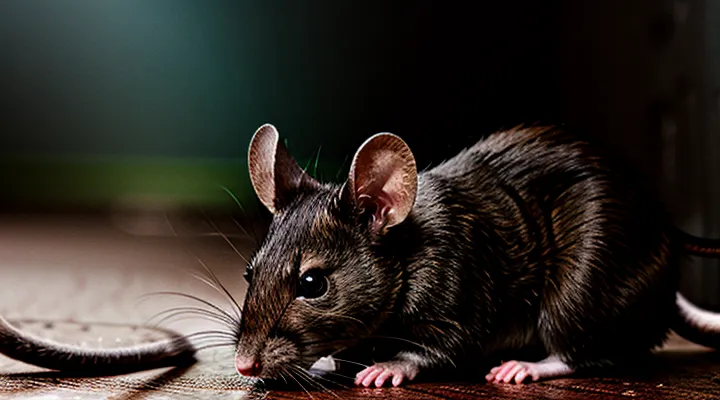
Understanding Dream Symbolism
The Nature of Dreams
Dreams arise from neural activity during sleep, producing narratives that reflect emotional processing, memory consolidation, and subconscious concerns. The brain’s default mode network generates imagery while the limbic system assigns affective weight, resulting in vivid, often symbolic scenes.
When rodents appear in nocturnal imagery, they function as archetypal symbols. Their small size and nocturnal habits associate them with hidden threats, scarcity, or overlooked details. Cultural folklore frequently links these animals to survival instincts, suggesting that the dreamer’s psyche flags an area requiring vigilance or resourcefulness.
Interpretation of such dreams relies on three consistent factors:
- Personal context – the dreamer’s experiences with rats or mice, including fear, affection, or occupational exposure.
- Emotional tone – anxiety, curiosity, disgust, or calm observed during the dream.
- Narrative role – whether the animal is pursued, observed, harmed, or cooperating.
These variables determine whether the imagery signals a warning, a call for adaptability, or a reminder of neglected opportunities. Recognizing the underlying psychological mechanisms enables precise analysis without resorting to generic explanations.
Interpreting Animal Motifs in Dreams
Dream narratives that feature rodents serve as concise indicators of subconscious concerns, allowing the dreamer to trace emotional currents that may otherwise remain hidden.
Rats and mice appear repeatedly in psychological literature as symbols of survival instincts, hidden threats, and adaptive ingenuity. Their nocturnal habits mirror the covert aspects of the psyche, while their reputation for infestation reflects anxieties about loss of control. Jungian analysis links these creatures to the shadow archetype, suggesting that their presence often signals repressed material seeking acknowledgment.
Typical interpretations include:
- Fear of contamination or moral decay.
- Perception of betrayal by a trusted individual.
- Recognition of resourcefulness in adverse circumstances.
- Warning about overlooked details that could affect outcomes.
Cultural context modifies these meanings. In many East Asian traditions, rats embody prosperity and cleverness, whereas Western folklore frequently casts them as harbingers of disease. Consequently, the emotional tone surrounding the animal in the dream—whether reverent, fearful, or indifferent—must be weighed against the dreamer’s cultural background.
Effective personal analysis follows three steps:
- Identify the immediate feeling evoked by the rodent (e.g., disgust, curiosity, amusement).
- Relate that feeling to current life situations, noting any parallels with relationships, work, or health.
- Consider the rodent’s behavior in the dream (chasing, fleeing, nesting) as a metaphor for how the dreamer is handling similar dynamics awake.
By aligning the animal’s symbolic charge with the dreamer’s lived experience, the rodent motif becomes a practical tool for self‑reflection and strategic decision‑making.
Rats in Dreams: Common Interpretations
Negative Symbolism of Rats
Fear and Anxiety
Dreams that feature rats or mice often provoke a visceral sense of dread, signaling that the sleeper is confronting unresolved fear or heightened anxiety. The presence of these small mammals serves as a symbolic alert to emotional disturbances that may be suppressed during waking life.
Rodent imagery commonly denotes concealed threats. Their nocturnal habits and association with disease suggest that the dreamer perceives a hidden source of danger, either external or internal, that jeopardizes personal stability. The creatures’ capacity to infiltrate spaces unnoticed reinforces feelings of loss of control and vulnerability.
Psychologically, the fear response activated by such dreams aligns with the brain’s threat‑detection circuitry. The amygdala registers the unsettling visuals, triggering physiological arousal that the dream narrative amplifies. Anxiety emerges when the mind interprets the rodents as messengers of betrayal, contamination, or impending loss, linking the dream content to real‑world stressors.
Typical interpretations of fear‑related rodent dreams include:
- Recognition of a situation that feels invasive or unmanageable.
- Awareness of suppressed worries about health, hygiene, or moral decay.
- Indication of a relationship in which trust has been compromised.
- Signal that the dreamer is avoiding confronting a problem that is gradually worsening.
Analyzing these symbols provides a concrete framework for assessing personal stress levels. By acknowledging the underlying fear and anxiety reflected in rodent dreams, individuals can target the specific sources of tension and pursue corrective actions.
Betrayal and Deception
Dreams featuring rats or mice often signal hidden treachery. The presence of these small rodents suggests that the dreamer perceives a covert threat, typically emanating from someone close or from an environment that appears trustworthy. The animals embody stealth, quick movement, and a propensity to gnaw away at foundations, mirroring how deception erodes confidence and stability.
When a rodent appears in a dream, the following interpretations frequently apply:
- The creature is observed stealing or hoarding food, indicating that another party may be siphoning resources or information.
- The animal scurries through hidden passages, reflecting secretive communication or concealed motives.
- The dreamer attempts to catch or kill the rodent, symbolizing a conscious effort to confront betrayal.
The emotional tone of the dream refines its meaning. Fear or disgust points to an acute awareness of deceit, while indifference may reveal desensitization to ongoing manipulation. The setting—such as a home, workplace, or public space—identifies the sphere where dishonesty is likely to manifest.
Repeated encounters with rodent imagery reinforce the need for vigilance. Recognizing subtle signs—unexpected changes in behavior, inconsistencies in stories, or unexplained losses—allows the dreamer to address deception before it escalates. The subconscious uses these nocturnal symbols to prompt proactive assessment of trust and loyalty.
Illness and Filth
Dreams featuring rats or mice often signal concerns about health and contamination. The presence of these rodents highlights an unconscious awareness of bodily imbalance, infection risk, or exposure to unhygienic environments.
Interpretations commonly link rodent imagery to specific ailments:
- Persistent cough or respiratory irritation, reflecting the animal’s association with dust and filth.
- Gastrointestinal distress, suggesting a fear of ingesting harmful substances.
- Skin eruptions or allergic reactions, symbolizing the perception of external pollutants infiltrating the body.
Psychologically, the vermin embodies feelings of impurity and the need to cleanse. The dreamer may be ignoring warning signs of deteriorating sanitation, either in personal habits or surrounding spaces. Recognizing this symbolism prompts a review of hygiene practices, medical check‑ups, and environmental conditions that could foster disease.
Addressing the underlying message involves practical steps: improving household cleanliness, monitoring for symptoms, and consulting healthcare professionals when recurrent discomfort appears. The dream serves as a reminder that neglecting cleanliness can manifest as physical discomfort, and that subconscious alerts often precede observable health issues.
Positive Symbolism of Rats
Resourcefulness and Survival
Dreams featuring rats or mice often highlight an individual's capacity to adapt when resources are scarce. The small mammals symbolize cleverness in extracting sustenance from environments that appear hostile, suggesting that the dreamer possesses latent strategies for managing limited supplies.
When a rodent successfully navigates a maze or secures food, the image translates into an inner acknowledgement of problem‑solving skills. Such visions encourage the activation of inventive approaches, such as repurposing available materials, negotiating alliances, or exploiting overlooked opportunities.
Key aspects of the survival theme appear as:
- Efficient use of minimal assets, reflecting a mindset that maximizes output from what is on hand.
- Quick assessment of threats, indicating heightened situational awareness.
- Agile movement through obstacles, representing flexibility in changing circumstances.
Encountering a starving rat may warn of neglected needs, prompting the dreamer to prioritize essential maintenance before pursuing larger goals. Conversely, observing a thriving mouse colony suggests that cooperative effort can amplify individual resilience, reinforcing the value of shared resources.
Overall, rodent imagery in nocturnal visions serves as a reminder that survival depends on ingenuity, frugality, and the willingness to exploit every viable option.
Adaptability and Resilience
Dreams featuring rats or mice often signal the dreamer’s capacity to adjust to shifting circumstances. The presence of these small, quick‑moving creatures highlights an instinctive skill for navigating environments that demand swift changes, mirroring the animal’s natural survival tactics.
Interpretations consistently associate rodent imagery with resilience. When the animal survives in harsh conditions, the dream reflects an inner resourcefulness that persists despite obstacles. This symbolism suggests that the subconscious recognizes personal endurance and an ability to recover from setbacks.
Key aspects of adaptability and resilience conveyed by such dreams include:
- Rapid problem‑solving: the animal’s instinct to find alternative routes or hidden food sources.
- Resource management: efficient use of limited supplies, indicating prudent handling of personal resources.
- Social flexibility: interaction patterns among rodents, reflecting negotiation and cooperation skills.
Overall, dreaming of these creatures serves as a reminder that the mind acknowledges and supports the development of flexible strategies and durable inner strength. Recognizing this symbolism can guide intentional cultivation of adaptive behaviors in waking life.
Hidden Opportunities
Dreams that involve rats or mice often signal concealed possibilities rather than mere anxiety. The presence of these small mammals suggests that resources, talents, or connections are available but remain unnoticed in the waking life. Such visions encourage scrutiny of routine environments, prompting the dreamer to identify undervalued assets that can be mobilized for personal or professional advancement.
Key indicators of hidden opportunities within rodent imagery include:
- Unexpected assistance – a mouse appearing friendly or helpful points to allies who have been overlooked.
- Resource scarcity turned abundant – scenes of rats finding food in unlikely places imply that supplies exist beyond current perception.
- Adaptation skills – observing a rat navigating tight spaces reflects the dreamer’s capacity to maneuver through complex challenges, revealing strategic options.
Recognizing these signals requires attentive reflection on the specific actions and contexts presented in the dream. When the dream emphasizes curiosity, problem‑solving, or the discovery of hidden stores, it is urging the individual to explore untapped avenues that can lead to measurable progress.
Mice in Dreams: Common Interpretations
Negative Symbolism of Mice
Insignificance and Helplessness
Rodents that surface in nocturnal visions frequently serve as symbols of diminished personal authority. Their diminutive stature and instinctive avoidance of confrontation mirror the dreamer’s sense of being overlooked or undervalued within a given environment.
The perception of insignificance emerges when the dream presents the animal as unnoticed, ignored, or dismissed by larger figures. Such imagery reflects an internal narrative that the individual’s contributions lack impact, reinforcing a self‑assessment of marginal relevance.
Feelings of helplessness appear in scenarios where the dreamer cannot influence the rodent’s behavior or outcome. Typical motifs include:
- Being chased by a mouse that slips through tight spaces, emphasizing an inability to catch or control the source of anxiety.
- Observing a rat trapped in a cage while the dreamer stands idle, highlighting powerlessness to intervene.
- Attempting to swat at a scurrying mouse but missing repeatedly, underscoring frustration and lack of efficacy.
Interpreting these symbols provides insight into underlying emotional states. Recognizing the association between rodent imagery and perceived inadequacy can prompt corrective strategies, such as asserting boundaries, seeking validation, or addressing situations that reinforce feelings of powerlessness.
Minor Annoyances and Worries
Dreams featuring rats or mice often serve as a mirror for everyday irritations that linger at the edge of consciousness. These small rodents embody the sense of something insignificant yet persistent, echoing concerns such as misplaced keys, noisy neighbors, or a lingering sense of being overlooked. When the animal appears scurrying through a familiar space, the mind signals that minor stressors are infiltrating the mental landscape, demanding attention before they accumulate into larger issues.
The behavior of the rodent in the dream provides additional clues. A mouse hiding in a corner suggests suppressed worries about minor mistakes at work, while a rat gnawing on food may indicate anxiety over dwindling resources or budgeting concerns. The setting—whether a cluttered kitchen or an abandoned attic—frames the context of the annoyance, linking the dream’s imagery to specific areas of daily life that feel out of control.
Typical manifestations include:
- Repeated attempts to catch a fleeing mouse, reflecting frustration with tasks that never seem to conclude.
- Observing a rat’s nest, symbolizing the buildup of small problems that have been ignored.
- Feeling the creature’s teeth on one’s skin, representing the sting of petty criticisms or microaggressions.
Interpreting these symbols encourages the dreamer to identify and address the underlying irritations. By acknowledging the presence of these minor stressors, one can prevent them from escalating, thereby restoring a sense of calm and order in waking life.
Vulnerability
Dream imagery featuring rats or mice often signals a sense of exposure. The small size of these animals highlights personal areas that feel unprotected, prompting a subconscious alert to potential threats.
Common expressions of vulnerability in such dreams include:
- Being chased by a rat or mouse, suggesting a feeling that personal boundaries are being violated.
- Observing a swarm of rodents, indicating overwhelming anxiety about loss of control.
- Finding dead or wounded rodents, reflecting fears of failure or helplessness.
- Attempting to capture or kill the creature, revealing an attempt to reclaim power.
Psychological analysis links these scenarios to underlying insecurities. The mind projects the animal’s perceived weakness onto the dreamer’s self‑assessment, casting the individual as prey rather than predator. This inversion can uncover hidden doubts about competence, health, or social standing.
Cultural narratives reinforce the association. Folklore from several regions portrays rats and mice as symbols of decay and intrusion, reinforcing the idea that their presence in dreams mirrors a breach in personal stability. Mythic stories often use the rodents to illustrate the consequences of neglecting one’s own defenses.
When such dreams recur, consider the following steps:
- Identify recent situations where personal limits felt compromised.
- Assess whether external pressures are amplifying a sense of helplessness.
- Record emotional reactions upon waking to gauge intensity.
- Develop concrete measures to strengthen boundaries, such as setting clearer expectations or seeking supportive feedback.
Interpreting rat and mouse dream motifs through the lens of vulnerability provides a focused framework for addressing the underlying emotional currents that the subconscious seeks to highlight.
Positive Symbolism of Mice
Modesty and Humility
Dreams featuring rats or mice often signal a need to cultivate modesty. The small size of these creatures represents humility, suggesting that the dreamer should down‑play personal ambitions and adopt a quieter presence. Recognizing this symbolism can prevent overconfidence from clouding judgment.
Key aspects of modesty reflected in rodent imagery:
- Acceptance of limited influence, mirroring the creature’s unobtrusive behavior.
- Preference for subtle achievements over conspicuous success.
- Willingness to learn from overlooked details, as rodents notice hidden corners.
When the dream presents a rat or mouse in a vulnerable state, it underscores the value of self‑effacement. The animal’s survival depends on staying low‑key, reinforcing the principle that restraint safeguards reputation and relationships.
Conversely, aggressive or dominant rodent behavior signals a breach of humility. Such visions warn against prideful actions that may alienate peers. The dreamer is advised to reassess attitudes, align conduct with the quiet perseverance embodied by these small mammals, and restore balance between confidence and modesty.
Attention to Detail
When interpreting visions involving rodents, meticulous observation of each element determines the accuracy of symbolic analysis. Small variations—such as the animal’s size, the presence of fur, or the condition of its teeth—signal distinct psychological messages. A healthy, active mouse often reflects adaptability and resourcefulness, whereas a wounded rat may indicate unresolved anxiety or perceived threat.
Key aspects that require precise scrutiny include:
- Environment: The setting (e.g., a kitchen, a dark alley, a laboratory) frames the dream’s context and influences the associated meaning.
- Behavior: Actions such as fleeing, gnawing, or nesting reveal attitudes toward stress, ambition, or domestic concerns.
- Interaction: Direct contact, pursuit, or avoidance between the dreamer and the rodent highlights relational dynamics and personal boundaries.
- Sensory details: Sounds, smells, and tactile sensations enrich the narrative, offering clues about underlying emotions.
- Temporal markers: Time of day, season, or duration of the encounter add layers of significance tied to life cycles and personal timelines.
By cataloging these specifics, analysts avoid generic interpretations and produce nuanced readings that align with the dreamer’s lived experience. The disciplined focus on granular information transforms vague symbolism into actionable insight.
Fertility and Abundance
Rats and mice appearing in sleep visions often signal forces of creation and plenty. Their natural capacity for swift reproduction translates into a dream‑time metaphor for personal fertility, whether literal or symbolic, suggesting the emergence of new ideas, projects, or relationships.
The animal’s prolific breeding pattern mirrors the dreamer’s potential for generative energy. Repeated sightings of numerous rodents indicate a surge in creative output, while a single, healthy specimen reflects a focused, fertile initiative ready to develop.
Rodent behavior also conveys abundance. Scenes of rodents gathering food, storing grain, or moving in organized groups point to a period of material prosperity or the accumulation of resources. A cluttered environment filled with nests or burrows emphasizes the gathering of wealth, knowledge, or emotional support.
Key indicators for interpreting these themes:
- Quantity of rodents: many → expansive growth; few → targeted development.
- Activity level: active foraging → active acquisition of resources; passive resting → stability of existing abundance.
- Condition of the animals: robust → healthy fertility; frail → caution about overstretched resources.
When rodents are observed interacting peacefully, the dream underscores harmonious expansion. Aggressive or diseased rodents warn of potential overextension, prompting a reassessment of how resources are managed.
Overall, rodent imagery in dreams functions as a concise signal of burgeoning fertility and material surplus, urging the dreamer to recognize and nurture these emerging currents.
Contextual Factors in Rat and Mouse Dreams
The Number of Rodents
The amount of rats or mice that appear in a dream delivers specific symbolic information. Each numeric range corresponds to a different emotional or situational signal.
- One animal – focus on a singular problem or a solitary aspect of the subconscious.
- Two to five animals – indicates a cluster of related concerns, often manageable but requiring attention.
- Six or more animals – suggests an overwhelming situation, possible loss of control, or pervasive anxiety.
- A swarm – denotes a crisis of escalation, where minor issues have multiplied into a threatening force.
Cultural traditions assign distinct meanings to rodent numbers. In East Asian folklore, a single mouse can represent cleverness, while a multitude signals impending hardship. Western mythos frequently interprets a handful of rats as warnings about deceit, whereas a flood of rodents signals moral decay.
From a psychological perspective, the quantity reflects the intensity of the underlying stressor. A solitary rat mirrors an isolated fear; a group mirrors recurring thoughts that reinforce each other; a swarm mirrors a flood of intrusive thoughts that dominate mental space. The brain quantifies threat levels through numerical symbolism, converting abstract anxiety into concrete visual counts.
Practical application involves recording the exact number of rodents in each dream, noting accompanying emotions, and comparing the data with real‑life events. Patterns that emerge can guide self‑assessment, revealing whether concerns are isolated, clustered, or escalating.
The Behavior of the Rodents
Aggressive or Threatening Rodents
Dreams featuring hostile rats or mice often signal perceived danger, loss of control, or unresolved conflict. The animals’ aggressive behavior amplifies the emotional intensity, suggesting that the dreamer feels threatened by an external force or an internal impulse.
Psychological interpretation links such visions to the unconscious mind’s alarm system. The rodent’s bite, chase, or attack reflects:
- Fear of betrayal or sabotage by someone close.
- Anxiety about personal boundaries being violated.
- Suppressed anger that seeks expression through a vivid, confrontational image.
Cultural traditions assign similar meanings. In many folklore narratives, hostile rodents embody pestilence, deceit, or moral decay. Eastern symbolism frequently connects aggressive mice with greed and mischief, while Western mythos associates feral rats with disease and societal breakdown.
Practical considerations for the dreamer include:
- Identifying recent situations where power dynamics feel skewed.
- Evaluating stressors that may provoke defensive reactions.
- Reflecting on personal habits that could be perceived as invasive or destructive.
Addressing the underlying tension—through boundary reinforcement, conflict resolution, or emotional processing—can reduce the recurrence of threatening rodent imagery.
Passive or Harmless Rodents
Dreams featuring small, non‑aggressive rodents often signal underlying concerns about vulnerability and unnoticed influence. The presence of a timid rat or mouse suggests a situation where the dreamer feels powerless yet perceptive, observing dynamics without direct involvement. Such imagery points to subconscious awareness of subtle pressures that do not manifest as overt threats.
The symbolic load of these gentle creatures includes:
- Hidden information – the animal’s quiet nature mirrors concealed facts that the mind is beginning to recognize.
- Adaptability – survival in modest environments reflects the dreamer’s capacity to adjust to constrained circumstances.
- Neglected responsibilities – a passive rodent may represent duties the dreamer overlooks, prompting reevaluation of neglected tasks.
Psychological interpretation links these dreams to the observer’s inner dialogue about control and acceptance. The mind frames the rodent as a harmless messenger, urging attention to minor details that could affect larger outcomes. Recognizing this symbolism can guide conscious decisions, encouraging proactive engagement with the subtle elements of daily life.
Your Interaction with the Rodents
Chasing or Catching Rodents
Dreams in which the dreamer pursues or captures rats or mice often signal an attempt to regain control over a threatening or bothersome element in life. The act of chasing reflects active engagement with a problem, while the moment of capture suggests a temporary resolution or mastery.
Typical symbolic readings include:
- Assertion of dominance over hidden anxieties.
- Representation of confronting minor, persistent irritations.
- Indication of a desire to eliminate unhealthy habits.
- Expression of competitive instincts in personal or professional arenas.
Psychological research links these images to heightened stress levels, unresolved conflicts, or suppressed emotions that the subconscious mind externalizes as rodents. The pursuit motif demonstrates the mind’s inclination to transform passive worry into an observable, actionable scenario.
Interpretation benefits from personal context: identify recent situations involving nuisance, competition, or fear of contamination; note emotional tone during the chase; assess whether the capture felt satisfying or fleeting. Correlating dream content with waking circumstances clarifies the underlying issue and guides corrective measures.
Practical steps:
- Record the dream immediately after waking.
- Map the rodent’s characteristics (size, behavior) to specific stressors.
- Evaluate current coping strategies; replace avoidance with direct problem‑solving actions.
- Revisit the dream after implementing changes to gauge shifts in symbolic content.
Being Chased or Bitten by Rodents
Dreams in which rats or mice pursue or bite the dreamer signal acute emotional pressure. The animal’s rapid movement and aggressive bite translate subconscious alarms about personal boundaries being violated. Such imagery often emerges when external demands exceed internal capacity, prompting a defensive response.
Interpretations commonly include:
- Perceived threat from a minor but persistent source, such as a nagging habit or a low‑level conflict.
- Fear of losing control, reflected by the sudden, unpredictable attack.
- Unresolved resentment toward someone perceived as sneaky or deceitful, symbolized by the rodent’s stealth.
- Anxiety about health or hygiene, since rats and mice are traditionally linked to contamination.
When the chase is relentless, the dream underscores a need for decisive action: setting limits, confronting the irritant, or restructuring daily routines to reduce stressors. A bite that causes pain highlights an acute wound—psychological or relational—requiring immediate attention. Addressing the underlying issue often diminishes the recurrence of such vivid rodent encounters.
Rodents in Your Home
Rodents that appear in a domestic setting often serve as tangible references for the symbols encountered in nocturnal visions. When a rat or mouse is observed inside the house, the image can be interpreted as a direct manifestation of subconscious concerns about hidden threats, loss of control, or overlooked details.
Physical presence of these animals typically indicates:
- Unclean or cluttered areas that foster infestation, reflecting mental clutter that obscures clarity.
- Structural weaknesses such as gaps in walls or foundations, mirroring perceived vulnerabilities in personal boundaries.
- Unaddressed food or waste sources, symbolizing neglected responsibilities or emotional residues.
Behavioral patterns of the intruders reinforce the symbolic message. A rat scurrying quickly through walls suggests rapid, unseen changes that may disrupt stability. A mouse timidly exploring corners points to lingering anxieties about minor yet persistent issues.
Practical response aligns with symbolic interpretation. Immediate actions—sealing entry points, removing waste, and establishing regular cleaning routines—eliminate the physical source and simultaneously confront the underlying psychological themes, restoring both household integrity and inner equilibrium.
Cultural and Personal Perspectives
Cultural Meanings of Rats and Mice
Rats and mice appear throughout world folklore as symbols of survival, cunning, and transformation. In ancient Egyptian myth, the mouse was associated with the goddess Isis, representing fertility and protection of the household. Chinese tradition regards the rat as the first sign of the zodiac, embodying intelligence, adaptability, and the capacity to prosper through resourcefulness. Indigenous cultures of North America often view the mouse as a messenger of humility, warning against pride and encouraging modest behavior.
European medieval literature frequently casts rats as agents of disease and moral decay, reflecting societal anxieties about plague and corruption. Conversely, Hindu scriptures describe the mouse as the vehicle of the deity Ganesha, signifying the removal of obstacles and the ability to navigate hidden pathways. In Japanese folklore, the rat (nezumi) is linked to wealth and cleverness, appearing in tales where it outwits larger adversaries to secure treasure.
These cultural associations shape the interpretation of nocturnal visions involving these rodents. When a rat emerges in a dream, the imagery may echo themes of strategic planning, hidden threats, or impending change. A mouse appearing in a dream often signals subtle influence, modest ambition, or the need to address overlooked details.
Key cultural motifs include:
- Survival and resourcefulness (China, Africa)
- Fertility and household protection (Egypt)
- Moral warning and disease (medieval Europe)
- Humility and modesty (Native American traditions)
- Obstacle removal and divine guidance (Hinduism)
- Wealth and cunning (Japan)
Personal Associations and Experiences
Past Encounters with Rodents
Past interactions with rats or mice often surface in nocturnal imagery, providing clues about underlying psychological currents. Personal memories of infestations, accidental sightings, or childhood encounters shape the emotional tone of such dreams, turning ordinary events into symbolic content.
When a dream reproduces a recent or long‑ago rodent encounter, the animal usually represents:
- Hidden threats that the dreamer has previously ignored.
- Unresolved feelings of disgust or fear stemming from a specific incident.
- A reminder of resource scarcity, linked to experiences of food being stolen or contaminated.
If the rodent was captured or killed in waking life, the dream may portray dominance over a problem that once felt invasive. Conversely, a dream featuring a timid mouse fleeing can signal lingering vulnerability tied to a past episode of neglect or loss.
Recurring themes often align with the nature of the original encounter:
- Infestation: Dreams emphasize overwhelming anxiety, reflecting the sense of being overrun in the original situation.
- Pet mouse: Dreams highlight affection or caretaking instincts, echoing nurturing behavior experienced earlier.
- Laboratory mouse: Dreams focus on observation and analysis, mirroring the analytical stance adopted during a scientific or experimental setting.
The emotional residue from real‑world rodent experiences determines whether the dream’s symbolism leans toward warning, empowerment, or reflection. Recognizing the specific past event that triggered the dream allows precise interpretation of the subconscious message.
Emotional Response to Rodents
Dreams featuring rats or mice provoke distinct emotional reactions that shape their symbolic interpretation. The feeling attached to the rodent—whether revulsion, anxiety, fascination, or amusement—acts as a diagnostic clue about the dreamer’s subconscious concerns.
Typical emotional responses and their conventional meanings include:
- Fear or terror: signals perceived threats, loss of control, or unresolved conflict.
- Disgust or revulsion: points to rejection of an aspect of life that feels contaminating or morally compromised.
- Curiosity or intrigue: indicates a willingness to explore hidden information or suppressed desires.
- Amusement or affection: reflects a relaxed attitude toward previously ignored details, suggesting integration of neglected elements.
The intensity of the emotion amplifies the relevance of the associated symbolism. A fleeting sense of unease may hint at minor stressors, whereas overwhelming dread often correlates with deep‑seated anxieties that demand immediate attention. The emotional tone also determines whether the rodent appears as an antagonist, a messenger, or a neutral presence within the dream narrative.
When evaluating personal reactions, consider the following steps:
- Identify the primary feeling evoked by the rodent.
- Assess the context of the feeling—what events or relationships triggered it in waking life.
- Relate the emotion to the broader symbolic framework of rodent imagery, noting whether it aligns with threat, contamination, discovery, or adaptation.
- Use the insight to address the underlying issue, whether by confronting a fear, reexamining a dismissed concern, or embracing a newly recognized perspective.
Differentiating Rat and Mouse Dream Meanings
Size and Impact of the Threat
Dreams featuring rodents often use the creature’s size to convey the magnitude of an underlying problem. A large rat or mouse dominates the scene, signaling a threat that feels overwhelming, potentially disrupting personal or professional stability. Conversely, a diminutive animal appears in the periphery, suggesting a nuisance that, while irritating, remains manageable.
Key elements that shape the perceived danger include:
- Physical dimensions of the rodent; greater size intensifies the sense of urgency.
- Behavioral cues; aggression or relentless pursuit amplifies fear, whereas passive movement reduces intensity.
- Surrounding context; an infestation in a familiar space heightens personal relevance, while a stray encounter in an unfamiliar setting may reflect external pressures.
- Emotional reaction; panic or dread magnifies impact, whereas calm observation diminishes it.
Interpretation of these symbols assists in identifying which aspects of waking life require immediate attention and which can be addressed with routine measures. Recognizing the correlation between size and perceived threat enables more precise self‑assessment and strategic response planning.
Underlying Emotional State
Dreams featuring rats or mice often signal a hidden emotional condition. The presence of these small, quick‑moving creatures points to feelings that the dreamer may not acknowledge while awake.
Common affective patterns include:
- Persistent anxiety or fear of contamination, reflected by scurrying rodents in cramped spaces.
- Sensations of powerlessness, expressed when the animals overwhelm or chase the sleeper.
- Guilt or shame, indicated by the dreamer’s attempts to kill or repel the pests without success.
- Social distrust, suggested when the rodents infiltrate familiar environments such as the home or workplace.
The intensity of these emotions usually parallels the vividness of the dream. A faint, fleeting image of a mouse may accompany mild unease, while a prolonged chase by aggressive rats often aligns with acute stress or a threatening situation in the dreamer’s life.
Interpretation benefits from correlating the dream’s details with current circumstances. If the dream occurs during a period of financial pressure, the rodents may symbolize perceived loss or scarcity. When interpersonal conflict dominates, the animals can represent hidden resentment toward specific individuals.
Guidelines for extracting meaning:
- Identify the dominant emotion felt during the dream (fear, frustration, disgust, etc.).
- Note the setting (home, public place, dark area) and compare it to recent life contexts.
- Observe the rodent’s behavior—passive, aggressive, fleeing—and match it to the level of control the dreamer experiences.
- Reflect on any personal associations with rats or mice (cultural, childhood memories) that may color the symbolism.
By systematically linking the rodent imagery to these emotional cues, the dreamer gains insight into underlying psychological currents that otherwise remain concealed.
Practical Implications of Rodent Dreams
Self-Reflection and Introspection
Dreams that involve rodents—particularly rats and mice—often act as mirrors for the inner landscape, revealing concerns that lie beneath conscious awareness. When the subconscious presents these creatures, it signals the need to examine personal boundaries, hidden anxieties, and patterns of behavior that may be overlooked during daily activities.
Self‑reflection in this context requires a systematic review of recent experiences that could have triggered the imagery. Identify situations where feelings of vulnerability, betrayal, or contamination arose. Consider whether the rodents appeared aggressive, timid, or merely present; each demeanor corresponds to a distinct emotional tone that the dreamer may be processing.
Introspection benefits from targeted questions, for example:
- What recent events made me feel invaded or undermined?
- Which relationships evoke a sense of being monitored or controlled?
- How do I respond to small, persistent problems that seem insignificant yet persist?
Answering these prompts clarifies the symbolic charge of the rodent figures and connects them to tangible life circumstances. By aligning dream content with concrete emotional triggers, the individual can transform vague unease into actionable insight, fostering personal growth and emotional resilience.
Addressing Underlying Issues
Dreams featuring rats or mice often surface when the mind highlights unresolved tensions. The presence of these small mammals signals a need to examine concealed anxieties, habits that feel invasive, or situations that seem out of control.
Typical symbolic interpretations include:
- Fear of contamination or moral decay
- Perception of scarcity or loss of resources
- Awareness of hidden threats within personal or professional circles
- Reflection of feelings of insignificance or powerlessness
When such imagery recurs, it points to underlying psychological patterns. Persistent rodent motifs may reveal chronic stress, avoidance of confronting uncomfortable truths, or an internalized sense of being overwhelmed by minor yet persistent problems. Recognizing these signals allows the dreamer to trace the source of discomfort to specific life domains—relationships, work environments, or health concerns.
Effective strategies for addressing the root causes involve:
- Recording dream details immediately upon waking to preserve emotional nuances.
- Identifying current life situations that mirror the dream’s themes of intrusion or scarcity.
- Engaging in targeted self‑inquiry, asking questions such as “What am I neglecting?” or “Which boundaries feel breached?”
- Consulting a mental‑health professional to explore recurring patterns and develop coping mechanisms.
- Implementing practical changes—setting clearer boundaries, reducing clutter, or establishing routines that restore a sense of control.
Integrating systematic dream analysis with concrete behavioral adjustments transforms vague unease into actionable insight, fostering personal growth and emotional resilience.