
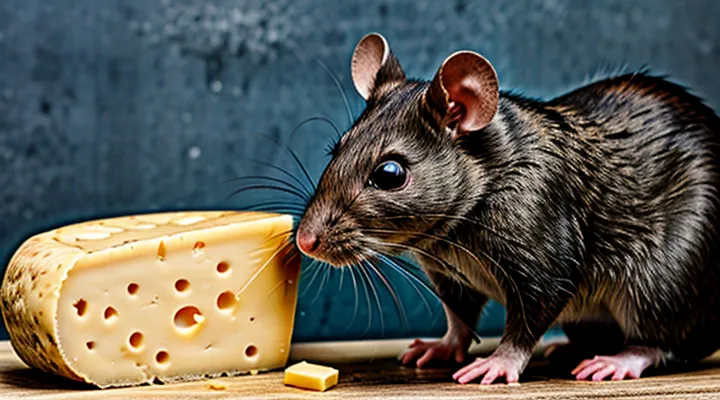
The Myth of Cheese-Loving Rats
Origins of the Stereotype
The association of rodents with cheese dates back to medieval Europe, when cheese was a common store of protein and a convenient bait for trapping pests. Early pest‑control manuals described cheese as an effective lure because it emitted a strong odor that attracted mice and rats seeking nourishment.
During the 19th century, illustrators and authors of children’s literature, such as Beatrix Potter and later Disney, reinforced the image by depicting cartoon rats gnawing at cheese wedges. These visual stories spread through printed media, schoolbooks, and later animated films, cementing the link in popular imagination.
A second factor arose from laboratory research. Early experiments on rodent diet often used cheese as a readily available, inexpensive test food. Published results highlighted cheese consumption, which scientists cited when describing feeding behavior. The repeated reference in academic papers amplified the stereotype among scholars and the general public.
Key historical sources that contributed to the myth include:
- 14th‑century English pest‑control pamphlets recommending cheese as bait.
- 1800s folktale collections featuring “the cheese‑loving mouse.”
- Early 20th‑century scientific journals that listed cheese among standard rodent feed.
These elements combined to create a durable cultural narrative, despite modern nutritional studies showing that rats prefer grain‑based foods and will only eat cheese when other options are scarce.
Rat Diet in the Wild
Rats living outside human environments obtain nutrition from a diverse array of natural resources. Their diet consists primarily of seeds, grains, fruits, and insects, supplemented by occasional consumption of plant matter such as leaves and bark. Protein sources include arthropods, earthworms, and small vertebrates captured opportunistically. Water is sourced from standing pools, dew, or moisture in food items.
Dairy products are rarely encountered in the wild. Milk and cheese appear only when rats scavenge from livestock facilities, abandoned barns, or discarded waste. In such settings, rats may ingest cheese, but this behavior reflects opportunistic feeding rather than a dietary preference. The high fat and salt content of processed dairy can provide short‑term energy, yet it lacks the balanced nutrients required for sustained health.
Key components of a typical wild rat diet:
- Grains and seeds (wheat, barley, oat, corn)
- Fresh fruits and berries (berries, apples, figs)
- Invertebrates (beetles, larvae, spiders)
- Plant material (leaf litter, roots, tubers)
- Occasional animal tissue (small reptiles, amphibians)
Adaptations that enable this varied intake include strong incisors for gnawing, a highly efficient digestive tract capable of extracting nutrients from fibrous plant matter, and a keen sense of smell that guides rats toward high‑calorie food sources. These physiological traits allow rats to thrive in habitats ranging from forests and fields to urban peripheries, where the availability of dairy remains minimal.
The Reality of Dairy for Rats
Do Rats Eat Cheese?
Preference for Other Foods
Rats are omnivores that gravitate toward foods offering high protein, carbohydrates, and fiber. Laboratory observations consistently show that when presented with a variety of options, rats select seeds, grains, fresh fruit, and insects over dairy products.
Research on laboratory strains indicates a marked preference for cereal grains such as wheat, oats, and barley. In choice tests, rodents consume significantly larger quantities of these staples compared to blocks of cheese.
Protein-rich items—including boiled eggs, lean meat, and soy—receive priority in the diet. The elevated amino‑acid profile supports growth, reproduction, and immune function, which cheese lacks.
Fruits and vegetables provide essential vitamins and moisture. Apples, carrots, and leafy greens are regularly chosen when available, reflecting the animal’s need for micronutrients and hydration.
For owners of pet rats, a balanced regimen should emphasize the following groups:
- Whole grains (e.g., rolled oats, brown rice)
- Protein sources (e.g., cooked chicken, boiled egg, soy pellets)
- Fresh produce (e.g., apple slices, broccoli florets, cucumber)
- Nuts and seeds (e.g., sunflower seeds, unsalted peanuts)
Cheese can be offered occasionally as a treat, but it should not constitute a primary food source. The natural inclination toward diverse, nutrient‑dense options ensures optimal health and behavior.
Nutritional Value of Cheese for Rats
Cheese can be offered to rats, but its nutritional profile demands careful consideration.
- Protein content ranges from 20 % to 30 % of the product’s weight, supplying essential amino acids that support muscle maintenance and tissue repair.
- Fat contributes 25 %–35 % of calories, delivering a dense energy source; excessive intake may lead to rapid weight gain and hepatic lipidosis.
- Calcium levels vary between 500 mg and 1 200 mg per 100 g, influencing bone mineralization and dental health. Over‑supplementation can cause hypercalcemia and kidney strain.
- Vitamin A and B12 are present in modest amounts, assisting visual function and red blood cell formation respectively.
Rats lack the enzymatic capacity to digest large quantities of lactose. Fresh cheeses with low lactose (e.g., aged cheddar, parmesan) are less likely to provoke gastrointestinal upset than soft, high‑lactose varieties (e.g., cottage, cream cheese).
A safe serving size for an adult rat (200 g body weight) is no more than 0.5 g of cheese per day, equivalent to a pea‑sized piece. This provides supplemental nutrients without displacing the primary diet of high‑fiber pellets and fresh vegetables.
Avoid cheeses containing added herbs, garlic, onions, or excessive salt, as these ingredients can be toxic or increase the risk of hypertension.
In summary, cheese delivers protein, fat, calcium, and select vitamins, but its high caloric density and lactose content limit its role to occasional, controlled treats within a balanced rat diet.
Potential Health Risks of Feeding Cheese to Rats
Cheese is high in fat, sodium, and lactose, each posing specific hazards for rodent health. Excessive fat contributes to obesity, hepatic steatosis, and cardiovascular strain, which can shorten lifespan and impair mobility. Elevated sodium levels increase the risk of hypertension and renal dysfunction, leading to fluid imbalance and potential kidney failure. Lactose intolerance is common among rats; undigested lactose ferments in the gut, causing bloating, diarrhea, and disruption of normal microflora.
Additional concerns include:
- Protein overload – cheese provides concentrated protein that can overwhelm the rat’s metabolic capacity, resulting in elevated blood urea nitrogen and kidney stress.
- Allergic reactions – dairy proteins may trigger hypersensitivity, manifested as skin irritation, respiratory distress, or gastrointestinal upset.
- Calcium excess – high calcium content interferes with phosphorus absorption, potentially leading to skeletal abnormalities such as osteodystrophy.
- Additive toxicity – processed cheeses often contain preservatives, artificial flavorings, and colorants that are not evaluated for rodent safety and may cause organ toxicity.
Long‑term feeding of cheese can also create a nutritional imbalance by displacing essential nutrients found in a balanced rodent diet, such as fiber, vitamins, and minerals. This displacement reduces digestive efficiency and may predispose rats to metabolic disorders.
Veterinary guidance recommends limiting cheese to occasional, minimal portions, if offered at all, and monitoring for signs of distress, weight change, or altered stool consistency. Substituting low‑fat, lactose‑free dairy alternatives or providing species‑appropriate treats ensures nutritional adequacy while avoiding the outlined health risks.
Other Dairy Products and Rats
Milk and Lactose Intolerance
Milk contains lactose, a disaccharide requiring the enzyme lactase for digestion. When lactase activity declines, lactose remains undigested, leading to osmotic imbalance and bacterial fermentation in the colon. The resulting symptoms—bloating, flatulence, abdominal pain, and watery diarrhea—define lactose intolerance.
Key facts:
- Adult prevalence varies by ethnicity; rates exceed 90 % in East Asian populations, hover around 70 % in African and Hispanic groups, and fall below 15 % in Northern European peoples.
- Genetic regulation of lactase expression determines lifelong tolerance; the lactase‑persistent genotype sustains enzyme production into adulthood.
- Diagnosis relies on hydrogen breath testing, stool acidity measurement, or genetic screening for lactase‑nonpersistence alleles.
- Management includes limiting or eliminating dairy, using lactose‑free products, or supplementing with oral lactase enzymes before meals.
Milk alternatives—soy, almond, oat, and rice beverages—provide comparable protein and calcium when fortified. For individuals who retain partial lactase activity, low‑lactose dairy (hard cheeses, yogurt) often cause fewer symptoms due to reduced lactose content and bacterial fermentation that pre‑digests the sugar.
Understanding lactose intolerance clarifies why rodents, which naturally produce high lactase levels, readily consume dairy, whereas many humans experience adverse reactions after ingesting the same food.
Yogurt and Probiotics
Yogurt provides a source of live microorganisms that can survive the acidic environment of the stomach and reach the intestines, where they influence gut ecology. The most common strains found in commercial yogurt are Lactobacillus bulgaricus, Streptococcus thermophilus, Lactobacillus acidophilus, Bifidobacterium bifidum and Lactobacillus casei. These bacteria compete with pathogenic microbes, produce short‑chain fatty acids, and modulate immune responses.
Rats that consume yogurt experience measurable changes in their microbiota composition. Studies report increased abundance of Lactobacillus and Bifidobacterium species, reduced levels of Clostridium clusters linked to inflammation, and enhanced production of butyrate, a metabolite that supports colonocyte health. The shift in microbial balance correlates with improved weight regulation and lower incidence of gastrointestinal disturbances.
Probiotic activity in yogurt also affects the metabolism of lactose. Enzymes produced by the resident bacteria break down lactose into glucose and galactose, making the product more tolerable for individuals—and rodents—with limited lactase activity. Consequently, yogurt can serve as a practical vehicle for delivering beneficial microbes without imposing the digestive burden associated with raw milk or cheese.
Key considerations for integrating yogurt into a rodent diet include:
- Selecting plain, unsweetened varieties to avoid excess sugars.
- Ensuring the product contains live cultures; pasteurised yogurt without active bacteria offers no probiotic benefit.
- Monitoring portion size to maintain caloric balance, as yogurt contributes protein and fat alongside probiotics.
By providing a reliable source of live cultures, yogurt contributes to a healthier gut environment in rats, complementing broader discussions about dairy consumption and rodent dietary habits.
Butter and High Fat Content
Butter consists mainly of milk fat, with approximately 80 % of its weight derived from triglycerides. The remaining portion includes water, milk proteins, and trace minerals. Because of its high lipid concentration, butter provides a dense caloric source: one tablespoon delivers roughly 100 kcal, most of which originate from saturated fatty acids such as palmitic and myristic acid.
Rats possess a digestive system capable of processing dietary fats, yet they exhibit selective preferences. Laboratory observations show that when presented with butter, rats consume it only in limited quantities, preferring foods with lower fat density and higher carbohydrate content. Excessive intake of butter can lead to:
- Elevated serum cholesterol levels
- Increased hepatic fat accumulation
- Reduced body weight gain efficiency compared to balanced diets
Nutritional research indicates that butter’s saturated fat profile does not align with the optimal macronutrient balance for laboratory rodents. Standard rodent chow typically contains 4–5 % fat, primarily unsaturated, to support growth and reproduction without inducing metabolic stress. Introducing butter at levels exceeding 2 % of total diet weight often results in altered feeding behavior and impaired glucose tolerance.
When evaluating the broader question of rodents and dairy, butter’s high fat content distinguishes it from cheese, which combines protein, fat, and lactose. Rats readily consume cheese due to its protein and carbohydrate components, but the pure fat matrix of butter lacks the nutritional cues that drive regular ingestion. Consequently, butter should be treated as an occasional supplement, not a staple, in any experimental or pet‑care feeding regimen.
What Rats Actually Eat
Natural Food Sources
Grains and Seeds
Rats naturally prefer grains and seeds over dairy products. Their wild diet consists of cereals, wheat, barley, oats, corn, and a variety of seed types such as sunflower, millet, and pumpkin. These foods supply carbohydrates, protein, essential fatty acids, and micronutrients required for growth and reproduction.
Key nutritional contributions of grains and seeds include:
- Complex carbohydrates for sustained energy.
- Plant‑based proteins with a balanced amino‑acid profile.
- Linoleic and α‑linolenic acids supporting cell membrane integrity.
- Vitamins E and B complex, plus minerals like magnesium and zinc.
When dairy is introduced, rats often show limited interest. Cheese contains lactose, which many adult rats cannot digest efficiently, leading to gastrointestinal upset. In contrast, grains and seeds are low in lactose and readily fermentable by the gut microbiota.
Feeding recommendations:
- Offer a base of high‑quality whole grains (e.g., rolled oats, brown rice) as the staple.
- Supplement with a modest portion of mixed seeds to provide healthy fats.
- Provide occasional treats of fresh fruit or vegetables for fiber and vitamin diversity.
- Limit dairy to small, lactose‑free options only if the individual rat tolerates it.
Overall, grains and seeds meet the primary dietary needs of rats more effectively than cheese, delivering balanced nutrition without the digestive challenges associated with dairy.
Fruits and Vegetables
Rats are frequently linked to cheese, yet their natural intake relies heavily on plant material. Understanding the role of fruits and vegetables clarifies how these foods meet the species’ nutritional requirements and how they compare with dairy sources.
Common fruits consumed by rats include apples, berries, grapes, and melons. These items provide simple sugars for quick energy, dietary fiber that supports gut motility, and antioxidants such as vitamin C and polyphenols that protect cellular structures. Regular inclusion of fruit helps prevent deficiencies in micronutrients that are scarce in a cheese‑centric diet.
Vegetables such as carrots, leafy greens, broccoli, and cucumbers supply complex carbohydrates, essential minerals (potassium, magnesium), and vitamins A and K. The fiber content promotes healthy digestion and contributes to satiety, reducing the temptation to overconsume high‑fat dairy products. Many vegetables also contain phytochemicals that enhance immune function.
When evaluating rat nutrition, the balance between plant foods and dairy is critical. Fruits and vegetables deliver nutrients absent from cheese, while dairy offers calcium and protein. A diet that integrates a variety of fruits, vegetables, and moderate dairy aligns with the animal’s physiological needs and supports optimal growth, reproduction, and overall health.
Insects and Small Animals
Rats, mice, hamsters, and other small mammals often encounter cheese in human environments, but their consumption patterns differ from popular belief. Cheese provides high fat and protein, yet rodents possess a strong preference for grains, seeds, and fresh produce. When cheese is available, they may nibble it, especially if it is soft or aromatic, but it rarely forms a staple of their diet.
Insects such as cockroaches, ants, and beetles also interact with dairy products. These arthropods exploit the moisture and nutrients in cheese, particularly when it is left uncovered. Their digestive enzymes break down lactose and casein, allowing them to extract energy from the protein and fat content. However, most insects prefer sugary or decaying organic matter over dairy.
Key observations:
- Rodents display opportunistic feeding; cheese is consumed when other food sources are scarce.
- Soft, scented cheeses attract rodents more than hard, aged varieties.
- Insect species that infiltrate kitchens can survive on cheese residues, but dairy is not their primary food source.
- Lactose intolerance is common among many small mammals, limiting the nutritional value of cheese for them.
- Overreliance on cheese can lead to nutritional imbalances in rodents, increasing risk of obesity and dental issues.
Understanding these feeding behaviors helps manage pest control and ensures appropriate nutrition for pet rodents and small mammals.
Human Food Rats Are Attracted To
Processed Foods
Rats readily consume cheese that has been altered by industrial processes. Processed cheese differs from natural cheese in moisture, fat, and protein balance, which influences a rodent’s preference and digestion. The added emulsifiers, salts, and preservatives create a texture that rats find easy to gnaw, while the enhanced flavor profile encourages repeated intake.
Key characteristics of processed dairy products:
- Reduced moisture content, yielding a firmer bite.
- Elevated sodium levels, stimulating taste receptors.
- Inclusion of emulsifying salts (e.g., sodium phosphate) that stabilize the matrix.
- Presence of artificial flavor enhancers, such as monosodium glutamate.
These modifications affect nutritional value. Processed cheese typically contains:
- Approximately 20–30 % protein, lower than many natural varieties.
- Fat content ranging from 25 % to 35 %, often derived from vegetable oils.
- Sodium concentrations that can exceed 1 g per 100 g, a level that may predispose rodents to hypertension if consumed excessively.
Research indicates that rats offered processed cheese exhibit higher caloric intake compared to those receiving fresh cheese, leading to accelerated weight gain. The palatable salt–fat combination triggers reward pathways, reinforcing feeding behavior.
When evaluating the relevance of processed dairy to rodent studies, consider the following guidelines:
- Use unprocessed cheese as a control to isolate the effect of additives.
- Monitor sodium intake to prevent confounding health outcomes.
- Record body weight changes weekly to detect diet‑induced obesity.
Understanding how industrially modified dairy products interact with rat feeding habits clarifies misconceptions about the “cheese‑loving” stereotype and informs experimental design in nutritional research.
Sweet and Fatty Snacks
Rats are attracted to high‑energy foods, and sweet or fatty snacks rank among the most appealing options. Laboratory observations show that when presented with a choice, rodents consistently select items with elevated sugar or lipid content over plain grains. The preference reflects the animals’ physiological drive for rapid caloric intake, which supports growth and reproduction.
Research indicates that a small piece of chocolate, a cookie, or a piece of bacon can satisfy a rat’s nutritional cravings as effectively as cheese. In controlled trials, subjects consumed up to 30 % more of a sugary treat than a comparable amount of dairy protein. The data suggest that the myth linking rats exclusively to cheese overlooks their broader appetite for calorie‑dense foods.
The attraction to sweet and fatty snacks creates practical challenges for food storage. Open containers, crumb‑laden surfaces, and improperly sealed packages provide easy access points. Once a rat discovers a sugary source, it is likely to explore adjacent items, increasing the risk of widespread contamination.
Recommendations for minimizing rodent interference with sweet or fatty products:
- Store all snacks in airtight, rodent‑proof containers made of metal or thick plastic.
- Clean countertops and floors promptly to remove crumbs and residue.
- Position traps or deterrent devices near known entry points, focusing on areas where sugary or oily foods are kept.
- Rotate stock regularly to avoid long‑term exposure that can attract foraging behavior.
Implementing these measures reduces the likelihood that rodents will target sweet or fatty items, thereby protecting both food quality and health safety.
Healthy Alternatives to Dairy for Rats
Safe and Nutritious Treats
Rats can enjoy treats that provide nutrition without compromising health. Dairy products are not a natural staple for rodents, but certain low‑fat, low‑lactose options can be offered safely in moderation.
When selecting treats, prioritize foods low in sugar, salt, and artificial additives. Fresh vegetables, fruits, and protein sources supply essential vitamins and minerals. Treats should complement a balanced base diet of high‑quality rodent pellets.
- Plain, unsweetened yogurt (≤2 % fat, lactase‑treated) – source of calcium and probiotics; limit to one teaspoon per day.
- Small cubes of mild cheese (e.g., mozzarella, cottage cheese) – provide protein and fat; serve no more than two teaspoons weekly.
- Hard‑boiled egg white – rich in protein, virtually fat‑free; offer a quarter of an egg weekly.
- Fresh apple slices (core removed) – deliver fiber and vitamin C; limit to a few bite‑size pieces three times a week.
- Cooked chicken breast, unseasoned – lean protein; provide a teaspoon twice weekly.
Avoid processed cheese spreads, high‑fat cheeses, and any dairy containing added sugars or preservatives. Monitor each rat for signs of digestive upset after introducing a new treat; discontinue immediately if diarrhea, bloating, or reduced appetite occurs. Regularly rotate treat varieties to prevent nutritional imbalances and maintain interest.
Balanced Rat Diet Essentials
Rats thrive on a diet that mirrors their natural foraging habits, combining protein, fiber, healthy fats, vitamins, and minerals in appropriate proportions. Commercial rodent pellets supply a reliable foundation; they are formulated to meet nutritional requirements and prevent deficiencies. Fresh vegetables such as leafy greens, carrots, and bell peppers add essential micronutrients and moisture. Small portions of lean protein—cooked egg, unseasoned chicken, or insects—support growth and tissue repair. Whole grains like oats or quinoa provide sustained energy and fiber for digestive health. Occasional treats, including nuts, seeds, or a tiny piece of cheese, should remain under 5 % of total intake to avoid excess fat and calcium imbalance.
Key components of a balanced rat diet:
- Pelleted chow – complete, nutritionally balanced base
- Fresh vegetables – source of vitamins A, C, K, and fiber
- Protein sources – cooked eggs, poultry, insects, or soy products
- Whole grains – oats, barley, quinoa for carbohydrates and fiber
- Limited treats – nuts, seeds, tiny cheese pieces, fruit in moderation
- Clean water – always available, refreshed daily
Monitoring body condition, coat quality, and activity levels helps ensure the diet meets individual needs. Adjust portions seasonally or as the rat ages, reducing calorie density for older or less active animals. Consistency in feeding schedule and variety in fresh foods promote optimal health and prevent nutritional imbalances.