
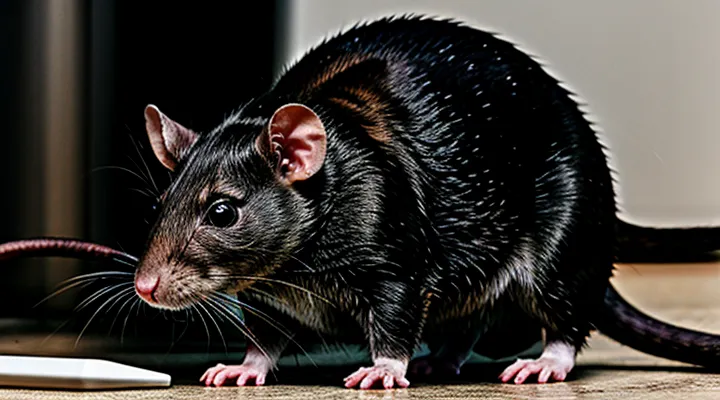
Physiological Aspects of Rat Body Temperature
Normal Temperature Range
Normal core temperature in laboratory rats typically falls between 37 °C and 38 °C (98.6 °F–100.4 °F). This interval represents the steady‑state range measured under standard housing conditions, with ambient temperature maintained near 22 °C and animals acclimated to a 12‑hour light/dark cycle.
- Young adult rodents (8–12 weeks): 37.2 °C–37.8 °C
- Older individuals (>12 months): 36.8 °C–37.5 °C
- Male vs. female: differences rarely exceed 0.2 °C; both sexes occupy the same overall band
Measurements obtained with calibrated rectal probes or telemetry implants show a diurnal fluctuation of approximately ±0.3 °C, peaking during the active (dark) phase and reaching a trough in the rest (light) phase. Stress, handling, and acute illness can raise temperature by 0.5 °C–1.0 °C, while hypothermia is defined as values below 35 °C.
Maintaining the environment within the specified thermal window ensures physiological stability, supports reproducible experimental outcomes, and aligns with ethical standards for animal care.
Thermoregulation Mechanisms
Behavioral Thermoregulation
Rats maintain stable core temperatures through a repertoire of directed actions that modify heat exchange with the environment. When ambient conditions drop, individuals increase locomotor activity, seek insulated microhabitats such as nest material, and form huddles that reduce exposed surface area. These collective arrangements generate a shared boundary layer of warm air, decreasing conductive heat loss. Conversely, in elevated temperatures, rats relocate to cooler zones, spread out to maximize surface exposure, and adopt postures that enhance convective cooling, such as extending limbs and flattening the torso.
Experimental studies quantify these responses by recording movement patterns within temperature‑gradient chambers, measuring nest‑building frequency, and monitoring body‑temperature fluctuations via implanted telemetry devices. Data consistently show a rapid onset of thermally motivated behaviors within minutes of a temperature shift, indicating a tightly coupled sensory‑motor loop. The magnitude of behavioral adjustments correlates with the severity of the thermal challenge, suggesting a graded regulatory mechanism rather than a binary response.
Key observations include:
- Preference for bedding depths that provide optimal insulation during cold exposure.
- Increased grooming frequency in warm environments, which facilitates evaporative heat loss through saliva spread.
- Temporal clustering of activity peaks during the nocturnal phase, aligning metabolic heat production with periods of lower ambient temperature.
Understanding these behavioral strategies informs the design of laboratory housing conditions, ensuring that environmental parameters support physiological homeostasis and reduce stress‑induced artifacts in research outcomes.
Physiological Thermoregulation
Physiological thermoregulation in rats maintains core temperature within a narrow range despite fluctuations in ambient conditions. The hypothalamic preoptic area integrates peripheral and central thermal inputs, establishing a set point that triggers autonomic and behavioral responses when deviations occur.
When ambient temperature falls below the set point, the following mechanisms activate:
- Cutaneous vasoconstriction reduces heat loss.
- Skeletal muscle shivering generates additional heat.
- Brown adipose tissue undergoes non‑shivering thermogenesis, driven by uncoupling protein‑1 activity.
- Metabolic rate increases through thyroid hormone modulation.
Conversely, exposure to temperatures above the set point induces:
- Cutaneous vasodilation and sweating (via paw pads) to dissipate heat.
- Reduced metabolic heat production.
- Behavioral relocation to cooler zones or increased ventilation.
Circadian rhythms modulate baseline temperature, producing a predictable nocturnal rise that aligns with activity periods. Seasonal acclimatization adjusts set point thresholds, enhancing cold tolerance in winter and heat dissipation capacity in summer.
Experimental measurement of rat thermal regulation typically employs implanted telemetry probes or rectal thermometers, calibrated against ambient temperature sensors. Data interpretation must account for stress‑induced hyperthermia, which can mask genuine thermoregulatory responses.
Overall, the coordination of neural, endocrine, and peripheral effectors ensures stable internal temperature, supporting optimal enzymatic activity, neuronal function, and overall physiological performance in rodents.
Shivering Thermogenesis
Shivering thermogenesis provides an immediate source of heat when rats encounter ambient temperatures below their thermoregulatory set point. The response initiates within the preoptic area of the hypothalamus, which detects a drop in core temperature and activates descending pathways to skeletal muscles.
Cold‑induced activation follows a defined cascade:
- Peripheral thermoreceptors transmit afferent signals to the spinal cord.
- Reticulospinal neurons convey excitatory input to alpha‑motor neurons.
- Motor neurons drive rapid, synchronous contractions of skeletal fibers.
Muscle activity generates heat through increased ATP hydrolysis and calcium cycling. Fast‑twitch fibers dominate the response, producing high‑frequency, low‑amplitude shivers that raise core temperature without substantial locomotion.
Quantitative assessment relies on:
- Indirect calorimetry to measure elevated metabolic rate.
- Electromyography for detection of burst patterns characteristic of shivering.
- Telemetric probes inserted in the abdominal cavity to record core temperature dynamics.
- Pharmacological agents (e.g., β‑adrenergic antagonists) to isolate shivering from non‑shivering brown adipose tissue thermogenesis.
Shivering operates in concert with other heat‑producing mechanisms. When ambient cold persists, recruitment of brown adipose tissue augments heat output, while shivering remains the primary acute response. Disruption of hypothalamic signaling or motor pathways abolishes the shivering component, leading to rapid hypothermia in experimental models.
Non-Shivering Thermogenesis
Non‑shivering thermogenesis (NST) provides a primary mechanism for maintaining elevated core temperature in rodents when ambient conditions fall below the thermoneutral zone. Brown adipose tissue (BAT) activates uncoupling protein‑1 (UCP‑1), which dissipates the proton gradient generated by oxidative phosphorylation as heat rather than ATP. This process rapidly compensates for heat loss without muscular activity.
Key regulators of NST in rats include:
- Sympathetic nervous system release of norepinephrine, which binds β‑adrenergic receptors on brown adipocytes and stimulates cyclic AMP production.
- Thyroid hormones that up‑regulate UCP‑1 transcription and enhance mitochondrial biogenesis.
- The transcriptional co‑activator PGC‑1α, which coordinates the expression of genes involved in oxidative metabolism and thermogenic capacity.
Experimental data demonstrate that pharmacological blockade of β‑adrenergic signaling or genetic ablation of UCP‑1 markedly reduces the ability of rats to sustain core temperature during cold exposure. Conversely, chronic cold acclimation expands BAT mass, increases mitochondrial density, and elevates basal metabolic rate, confirming the adaptive plasticity of NST.
Overall, NST operates as a rapid, hormone‑driven response that supplements shivering muscle activity, ensuring continuous thermal homeostasis in rats under sub‑optimal environmental temperatures.
Vasodilation and Vasoconstriction
Vasodilation expands peripheral blood vessels, increasing heat loss from the skin and extremities. In rats, this response lowers core temperature during exposure to elevated ambient heat or internal hyperthermia. Enhanced blood flow transports warm blood to the surface, where convection and radiation dissipate thermal energy.
Vasoconstriction narrows peripheral vessels, reducing cutaneous blood flow and conserving heat. When ambient temperature drops, sympathetic activation triggers this response, directing blood toward the core and vital organs. The resulting decrease in surface heat transfer helps maintain a stable internal temperature.
Key physiological outcomes of these vascular adjustments include:
- Rapid modulation of heat exchange without metabolic cost.
- Coordination with shivering thermogenesis and brown adipose tissue activation.
- Integration with central thermoregulatory centers that monitor hypothalamic temperature signals.
The balance between vessel dilation and constriction determines the efficiency of thermal regulation in rodents, directly influencing fluctuations in their core temperature under varying environmental conditions.
Factors Influencing Rat Body Temperature
Environmental Factors
Ambient Temperature
Ambient temperature directly influences the thermal state of laboratory rats. When the surrounding air is cooler than the thermoneutral zone, rats increase metabolic heat production through non‑shivering thermogenesis and muscle activity, which raises core temperature. Conversely, exposure to temperatures above the thermoneutral range reduces metabolic demand and can cause hypothermia if heat dissipation mechanisms are overwhelmed.
Typical laboratory environments maintain ambient conditions between 20 °C and 26 °C. Within this interval, rats experience mild cold stress, prompting elevated heart rate and respiratory frequency. Temperatures around 30 °C approximate the thermoneutral point for adult rodents, minimizing metabolic adjustments and yielding stable core temperature readings. Temperatures exceeding 32 °C impose heat stress, leading to panting, peripheral vasodilation, and potential hyperthermia.
Key experimental considerations regarding ambient temperature:
- Calibrate thermometers and data loggers before each session to ensure accurate ambient readings.
- Record ambient temperature continuously alongside core temperature measurements to correlate fluctuations.
- Allow a minimum acclimation period of 30 minutes after any change in room temperature before sampling.
- Use climate‑controlled chambers when precise temperature control is required for pharmacological or physiological studies.
- Document housing density, bedding material, and ventilation, as they modify the effective ambient temperature experienced by the animal.
Understanding how surrounding air temperature modulates rat thermoregulation enables reliable interpretation of core temperature data and improves reproducibility across studies.
Humidity
Humidity influences rat thermoregulation by altering heat exchange between the animal and its environment. High ambient moisture reduces evaporative cooling, causing a rise in core temperature when metabolic heat production remains constant. Low humidity enhances evaporative loss, facilitating heat dissipation and potentially lowering body temperature during exposure to warm conditions.
Physiological responses to humidity variations include adjustments in respiratory rate, skin blood flow, and sweat gland activity. Rats increase panting frequency under humid heat to augment ventilation, while vasodilation of cutaneous vessels expands under dry heat to improve convective heat loss. These mechanisms operate alongside basal metabolic rate changes that compensate for altered thermal gradients.
Experimental design considerations:
- Maintain humidity within a defined range (e.g., 30 %–70 % relative humidity) to ensure reproducible temperature measurements.
- Record ambient humidity concurrently with core temperature to enable correlation analysis.
- Use climate‑controlled chambers that can adjust both temperature and moisture independently, avoiding confounding effects.
- Calibrate thermometric devices under the specific humidity conditions employed, as sensor accuracy can drift with moisture levels.
Understanding humidity’s impact on rat thermal physiology improves data interpretation in studies of metabolic regulation, drug efficacy, and disease models that involve temperature‑sensitive endpoints.
Airflow
Airflow directly modifies the thermal environment experienced by laboratory rats, thereby affecting their core temperature. Increased ventilation removes heat generated by metabolism, leading to a measurable drop in body temperature. Conversely, reduced air movement limits convective heat loss, allowing temperature to rise toward the animal’s set point.
Key physiological responses to changes in airflow include:
- Enhanced respiratory evaporative cooling when air speed exceeds 0.5 m s⁻¹, resulting in a 0.3–0.5 °C decrease in rectal temperature.
- Activation of peripheral vasoconstriction under low‑velocity conditions, which conserves heat and elevates skin temperature by 1–2 °C.
- Modulation of brown adipose tissue thermogenesis; high airflow suppresses sympathetic drive, reducing heat production.
Experimental protocols that monitor rat temperature must control ambient air velocity. Recommended practices are:
- Maintain a constant airflow of 0.2–0.3 m s⁻¹ in housing chambers to ensure stable thermal conditions.
- Record airflow rate alongside temperature measurements to permit accurate data interpretation.
- Adjust ventilation during heat‑stress trials to achieve target temperature reductions of 1–2 °C within 15 minutes.
By standardizing airflow parameters, researchers obtain reliable temperature data and reduce variability attributable to environmental convection.
Intrinsic Factors
Age
Age markedly influences thermoregulatory performance in rats. Neonatal individuals exhibit higher basal core temperatures than adults, reflecting elevated metabolic rates and limited peripheral insulation. As rats mature, the set point of hypothalamic temperature regulation stabilizes, and the capacity for behavioral heat conservation increases.
Middle‑aged rats display a modest decline in basal temperature, accompanied by reduced vasoconstrictive responsiveness during cold exposure. This attenuation corresponds with gradual loss of brown adipose tissue activity and diminished sympathetic drive.
Senescent rats experience the most pronounced temperature dysregulation. Typical observations include:
- Lower resting core temperature by 0.5–1.0 °C compared with young adults.
- Delayed onset of thermogenic shivering.
- Impaired peripheral vasomotor control, leading to greater susceptibility to hypothermia.
These age‑related patterns underscore the importance of selecting appropriate life‑stage cohorts when investigating rat thermophysiology.
Strain and Genetics
Genetic background determines the set point and variability of thermal regulation in laboratory rats. Different inbred strains exhibit distinct basal temperatures, response curves to ambient changes, and susceptibility to hypothermic or hyperthermic episodes. For example, Wistar rats maintain a higher core temperature than Sprague‑Dawley animals under identical housing conditions, reflecting divergent metabolic rates and thermogenic capacity.
Key genetic factors include:
- Uncoupling protein 1 (UCP1) expression in brown adipose tissue, which modulates non‑shivering thermogenesis.
- Transient receptor potential vanilloid (TRPV) channel variants that affect peripheral temperature sensing.
- Thyroid hormone receptor polymorphisms influencing basal metabolic output.
- Mitochondrial DNA haplotypes linked to oxidative phosphorylation efficiency.
Heritability estimates for core temperature range from 0.35 to 0.55 in cross‑bred populations, indicating a substantial genetic contribution alongside environmental influences. Selective breeding can shift the thermal phenotype by several degrees Celsius within three generations, underscoring the practical impact of strain choice on experimental outcomes.
Researchers must report strain designation, source, and any known genetic modifications when describing thermal measurements. Failure to control for genetic variability can introduce systematic bias, especially in studies comparing pharmacological interventions, stress responses, or metabolic assessments. Standardizing strain selection or accounting for genetic differences through statistical modeling enhances reproducibility and interpretability of temperature‑related data.
Circadian Rhythms
Thermoregulation in laboratory rodents exhibits a pronounced daily cycle that aligns with the organism’s internal clock. Core temperature rises during the active phase and declines during the rest phase, reflecting the synchronization of metabolic demand with behavioral patterns.
Circadian oscillators located in the suprachiasmatic nucleus generate rhythmic output that modulates peripheral thermogenic pathways. The following mechanisms contribute to the temperature pattern observed in rats:
- Melatonin secretion peaks at night, reducing heat production in brown adipose tissue.
- Sympathetic nervous activity increases during the dark period, stimulating thermogenesis.
- Clock gene expression in hypothalamic neurons alters the set point for body heat regulation.
Disruption of the light‑dark schedule leads to phase shifts in temperature rhythms, indicating that environmental cues entrain the internal timing system. Experimental manipulation of clock gene expression directly impacts the amplitude and timing of temperature fluctuations, confirming a causal relationship between the molecular clock and thermal homeostasis.
Sex Differences
Thermal regulation in laboratory rats exhibits consistent sex‑related patterns that influence experimental outcomes. Male and female subjects differ in baseline core temperature, with females typically displaying values 0.2–0.4 °C lower than males when measured under identical ambient conditions. This disparity persists across various strains and ages, indicating a fundamental physiological distinction rather than a strain‑specific anomaly.
Hormonal cycles drive much of the observed variation in females. Estradiol peaks during the proestrus phase raise peripheral vasodilation, producing transient reductions in measured temperature. Conversely, progesterone elevation in diestrus contributes to modest increases. Male rats lack comparable cyclical hormonal fluctuations, resulting in more stable temperature profiles throughout the day.
Circadian rhythms modulate thermoregulatory responses differently by sex. Both sexes reach a nocturnal temperature maximum, yet the amplitude of this peak is greater in males. Peak-to-trough differences average 0.5 °C in males versus 0.3 °C in females. Light‑dark transition induces a sharper rise in males, suggesting heightened sensitivity of the suprachiasmatic nucleus to external cues.
Stress‑induced hyperthermia also demonstrates sex specificity. Acute restraint elevates core temperature by 0.7 °C in males but only 0.4 °C in females. The attenuated response in females aligns with higher circulating corticosterone binding globulin, which modulates glucocorticoid bioavailability.
Key considerations for researchers:
- Record sex and estrous stage for all female subjects; report data separately when possible.
- Standardize ambient temperature and timing of measurements to reduce variability.
- Use telemetry devices calibrated for both sexes to avoid systematic bias.
- Analyze data with sex as a fixed factor in statistical models to detect interaction effects.
Recognizing and controlling for these sex‑dependent thermoregulatory characteristics enhances reproducibility and translational relevance of rodent studies.
Pathological Conditions and Pharmacological Effects
Fever and Hypothermia
Rats maintain a narrow core temperature range through autonomic and behavioral mechanisms. Deviations above or below this set point are classified as fever and hypothermia, respectively, and serve as reliable indicators of physiological stress or disease processes.
Fever in rodents manifests as a sustained increase of 1–2 °C above baseline. Common triggers include endotoxin exposure, cytokine release, and infection. The febrile response involves hypothalamic thermoregulatory centers, peripheral vasoconstriction, and shivering thermogenesis. Researchers exploit this elevation to assess immune competence, evaluate antipyretic agents, and model human febrile illnesses.
Hypothermia denotes a core temperature drop of at least 2 °C beneath normal levels. It arises from environmental cold, anesthetic depression, or metabolic impairment. Protective responses comprise vasodilation, reduced metabolic rate, and activation of brown adipose tissue. Experimental hypothermia provides a platform for studying neuroprotection, cardiac function, and drug metabolism under reduced thermal conditions.
Key considerations for measuring thermal disturbances in rats:
- Use calibrated telemetry or rectal probes to capture rapid temperature fluctuations.
- Maintain consistent ambient temperature to avoid confounding baseline shifts.
- Record both core and peripheral temperatures for comprehensive assessment.
- Account for strain‑specific thermoregulatory differences when comparing data.
Anesthesia Effects
Anesthesia induces predictable alterations in the thermal state of laboratory rats. Core temperature typically declines within the first 10–15 minutes after induction, reaching a nadir that depends on the anesthetic regimen and environmental conditions.
- Isoflurane: rapid onset of peripheral vasodilation, reduced metabolic heat production, average temperature drop of 1.5–2 °C in the first half‑hour.
- Ketamine‑xylazine: pronounced hypothermia due to central suppression of thermogenesis, average decrease of 2–3 °C over 30 minutes.
- Propofol infusion: moderate vasodilatory effect, temperature decline of 1–1.5 °C within 20 minutes.
Mechanisms underlying these changes include:
- Vasodilation that enhances heat loss through the skin and respiratory tract.
- Inhibition of brown adipose tissue activity, lowering non‑shivering thermogenesis.
- Depression of muscular activity, reducing heat generation from movement.
Effective control of thermal drift requires active warming measures. Common interventions are:
- Circulating warm water blankets set to 38 °C.
- Pre‑warmed surgical tables and ambient room temperature maintained at 25–26 °C.
- Heated intravenous fluids administered at 37 °C.
Monitoring protocols recommend continuous rectal or telemetry temperature recording, with corrective warming initiated when core temperature falls below 36.5 °C. Consistent application of these practices minimizes hypothermia‑related variability in physiological and pharmacological outcomes.
Drug-Induced Alterations
Pharmacological agents modify the thermoregulatory set‑point in laboratory rodents, producing measurable shifts in core temperature. Acute administration of stimulants such as amphetamine or caffeine elevates hypothalamic drive, resulting in hyperthermia of 0.5–2 °C within minutes. Conversely, sedatives—including barbiturates and benzodiazepines—lower metabolic rate and produce hypothermia ranging from 0.3 to 1.5 °C, often accompanied by reduced locomotor activity.
Chronic exposure to certain antipsychotics (e.g., clozapine, olanzapine) induces persistent alterations in heat dissipation mechanisms, reflected in blunted circadian temperature rhythms and increased basal temperature during the inactive phase. Opioid agonists generate dose‑dependent hypothermia, mediated by μ‑receptor activation of peripheral vasodilation, while antagonists such as naloxone provoke rapid rebound hyperthermia.
Key drug classes and typical thermal effects:
- Stimulants: ↑ core temperature, enhanced shivering threshold, increased brown‑fat activity.
- Sedatives/hypnotics: ↓ core temperature, suppressed shivering, diminished brown‑fat thermogenesis.
- Antipsychotics (atypical): altered circadian amplitude, modest basal ↑ temperature.
- Opioids: dose‑related ↓ temperature, peripheral vasodilation; antagonists → rapid ↑ temperature.
Experimental protocols must control ambient temperature, dosing schedule, and measurement intervals to isolate pharmacological impact from environmental variability.
Measurement Techniques and Considerations
Methods for Temperature Measurement
Rectal Temperature
Rectal temperature is the most direct indicator of core thermal status in laboratory rats. A calibrated thermistor or digital probe is inserted 2–3 cm into the anal canal, allowing rapid equilibration with internal tissues. The procedure yields values that closely match those obtained from telemetry implants, making it the reference method for acute studies.
Typical rectal readings for adult rats range from 37.5 °C to 38.5 °C under standard housing conditions. Deviations of ±0.5 °C often signal physiological stress, infection, or experimental manipulation. Consistent ambient temperature, handling technique, and probe sanitation are essential to minimize measurement variance.
Key considerations for reliable data:
- Use a probe with a response time ≤ 2 s to reduce handling duration.
- Apply a lubricated, disposable sheath to prevent tissue irritation.
- Allow a stabilization period of 15–30 s after insertion before recording.
- Record ambient temperature and time of day, as circadian rhythms shift core values by up to 0.3 °C.
- Calibrate the device weekly against a certified reference thermometer.
When longitudinal monitoring is required, rectal measurement should be alternated with non‑invasive techniques (e.g., infrared skin sensors) to reduce repeated invasiveness. Nonetheless, for precise baseline establishment and acute temperature assessment, rectal probing remains the gold standard in rodent thermophysiology research.
Subcutaneous Implants
Subcutaneous implants provide continuous thermal data from laboratory rats, enabling precise monitoring of physiological temperature fluctuations. Implantable thermistors, telemetry probes, and micro‑temperature sensors are positioned beneath the skin to maintain stable contact with interstitial fluid, reducing artifact from ambient conditions.
Key design criteria for reliable thermal measurement include:
- Biocompatible housing to prevent tissue reaction and maintain sensor accuracy over weeks.
- Minimal mass and dimensions to avoid altering the animal’s thermoregulatory behavior.
- Wireless transmission capabilities that support real‑time data collection without restraining the subject.
- Calibration against core temperature references (e.g., rectal probes) to validate interstitial readings.
Surgical placement follows aseptic technique, with incisions made along the dorsal flank to expose subdermal space. The device is inserted using a trocar, then sutured to the underlying fascia to secure position. Post‑operative care involves analgesia and monitoring for infection, ensuring that the implant does not interfere with normal heat production or dissipation.
Data acquired from subcutaneous sites correlate strongly with core temperature trends, allowing researchers to detect hyperthermia, hypothermia, and circadian temperature cycles. Continuous recordings support pharmacological studies, metabolic assessments, and investigations of environmental stressors, providing a robust platform for thermal physiology research in rodents.
Intraperitoneal Probes
Intraperitoneal probes provide direct access to the abdominal cavity, enabling precise monitoring of core thermal values in laboratory rats. The devices consist of a miniature thermistor or thermocouple encased in a biocompatible sheath, typically stainless steel or medical-grade polymer, which resists corrosion and minimizes tissue irritation.
Insertion follows a sterile protocol: a small midline incision is made, the probe is introduced into the peritoneal space, and the entry point is sutured or sealed with tissue adhesive. Proper placement ensures contact with peritoneal fluid, delivering rapid response times (≤0.5 s) and high accuracy (±0.1 °C) after calibration against a calibrated water bath.
Calibration procedures include:
- Pre‑experiment verification with a reference thermometer at multiple set points (e.g., 35 °C, 37 °C, 39 °C).
- Post‑experiment cross‑check to detect drift.
- Documentation of calibration curves for each probe batch.
Data acquisition systems typically sample at 1–10 Hz, transmitting signals via wired connectors or wireless telemetry modules. Wireless setups reduce animal stress and allow long‑term recordings in freely moving subjects, while wired configurations provide stable signal integrity for short‑duration studies.
Advantages of intraperitoneal measurement:
- Direct reflection of internal thermal state, less affected by ambient fluctuations.
- Compatibility with concurrent physiological recordings (e.g., heart rate, locomotor activity).
- Minimal impact on thermoregulatory behavior when properly secured.
Limitations include:
- Surgical implantation introduces a brief inflammatory response that can modestly elevate temperature for 30–60 min post‑procedure.
- Potential probe displacement in highly active animals, requiring secure fixation.
- Limited lifespan of the sensor due to biofouling; replacement is recommended after several days of continuous use.
Best practices recommend:
- Using probes with a diameter ≤1 mm to reduce tissue trauma.
- Applying analgesia and antibiotics according to institutional animal care guidelines.
- Monitoring probe integrity by checking signal stability throughout the experiment.
- Recording baseline temperature for at least 10 min before experimental manipulations to establish a reliable reference point.
Overall, intraperitoneal probes constitute a reliable method for capturing rapid fluctuations in the internal temperature of rats, supporting investigations into thermoregulation, metabolic rate, and pharmacological effects on thermal homeostasis.
Infrared Thermography
Infrared thermography provides a non‑contact method for assessing thermal status in laboratory rats. The technique captures emitted radiation from the animal’s skin, converting it into temperature maps that reflect circulatory and metabolic activity. Because the measurement occurs without restraint or anesthesia, it minimizes stress‑induced alterations in physiological temperature.
Key operational principles include:
- Detection of wavelengths in the 7–14 µm range, where rat skin emissivity approximates 0.98.
- Calibration against blackbody references to ensure absolute temperature accuracy within ±0.2 °C.
- Integration with high‑resolution cameras (≥640 × 480 px) to resolve temperature gradients across small anatomical regions such as the tail, paws, and cranial surface.
Advantages of the method:
- Continuous monitoring of spatial temperature distribution.
- Rapid acquisition (≤1 s per frame) suitable for dynamic studies.
- Compatibility with standard housing environments, allowing repeated measurements over longitudinal experiments.
Limitations to consider:
- Surface temperature may differ from core values; correlation requires validation against invasive probes.
- Ambient infrared background can bias readings; controlled lighting and background temperature are essential.
- Fur density influences emissivity; shaving or applying a thin reflective coating improves signal fidelity but may affect thermoregulation.
Experimental protocols typically involve acclimatizing rats to the imaging chamber for 5–10 min, recording baseline images, and applying thermal challenges (e.g., cold exposure or pharmacological agents). Data analysis employs region‑of‑interest extraction and statistical comparison of temperature changes over time. When combined with complementary techniques such as telemetry, infrared thermography yields comprehensive insight into thermoregulatory mechanisms in rodent models.
Challenges in Measurement
Stress-Induced Hyperthermia
Stress‑induced hyperthermia (SIH) represents a rapid elevation of core temperature following exposure to acute stressors. In rodents, the phenomenon is triggered by activation of the hypothalamic-pituitary‑adrenal axis and sympathetic nervous system, leading to increased metabolic heat production and peripheral vasoconstriction.
Key physiological components of SIH in rats include:
- Sympathetic discharge: norepinephrine release raises metabolic rate in skeletal muscle and brown adipose tissue.
- Corticosterone surge: amplifies thermogenic pathways and modulates central temperature set‑points.
- Peripheral vasoconstriction: reduces heat loss through skin, sustaining the temperature rise.
Experimental assessment of SIH requires precise measurement of core temperature, typically via implanted telemetry probes or rectal thermometers calibrated to ±0.1 °C. Baseline recordings should precede stress application by at least 10 minutes to establish a stable reference. Common stressors—restraint, predator odor, or electric shock—produce temperature peaks of 0.5–2.0 °C within 5–15 minutes, followed by a gradual return to baseline over 30–60 minutes.
Pharmacological manipulations clarify pathway contributions. β‑adrenergic antagonists attenuate the initial temperature surge, confirming sympathetic involvement, whereas glucocorticoid receptor blockers diminish the sustained phase, implicating corticosterone. Genetic models lacking uncoupling protein‑1 (UCP‑1) exhibit blunted SIH, highlighting brown adipose tissue as a primary heat source.
Interpretation of SIH data must account for ambient temperature, circadian phase, and animal handling history, as these variables influence baseline thermoregulation. Proper control of these factors ensures reproducibility and facilitates comparison across studies investigating stress‑related thermal physiology in rodents.
Anesthetic Effects on Temperature
Anesthetic administration in laboratory rats produces measurable alterations in core temperature. The magnitude and direction of change depend on drug class, dosage, and delivery method.
Isoflurane, sevoflurane, and halothane commonly induce hypothermia by depressing hypothalamic thermoregulatory set points and enhancing peripheral heat loss. Intravenous agents such as ketamine‑xylazine generate a biphasic response: an initial rise in temperature due to muscular rigidity, followed by a prolonged decline linked to vasodilation and reduced metabolic heat production.
Typical temperature profiles for widely used anesthetics:
- Isoflurane (1–2 %): gradual decrease of 1–2 °C per hour; maximal drop within 30 min.
- Sevoflurane (2–3 %): similar trend, slightly faster onset of hypothermia.
- Ketamine (50 mg kg⁻¹) + Xylazine (10 mg kg⁻¹): early hyperthermia of 0.5–1 °C, then decline of 2–3 °C over 45 min.
- Propofol (10 mg kg⁻¹ h⁻¹): steady reduction of 0.8–1.5 °C per hour.
Experimental protocols must control ambient temperature, minimize exposure time, and monitor core temperature continuously with rectal probes or telemetry devices. Pre‑warming cages, using insulating blankets, and adjusting anesthetic concentration can mitigate undesired thermal drift, preserving physiological relevance of thermoregulatory data.
Accurate interpretation of rat thermoregulatory studies requires accounting for anesthetic‑induced temperature shifts, selecting agents that align with the specific research objective, and implementing consistent thermal management throughout the procedure.
Accuracy and Precision of Devices
Accurate and precise temperature measurements are essential for reliable physiological data in laboratory rats. Device selection determines the degree to which recorded values reflect true core temperature and the repeatability of those values across trials.
Key characteristics influencing measurement quality include:
- Calibration stability: devices must retain calibration within the expected temperature range (35 °C–40 °C) over the study period.
- Sensor response time: rapid equilibration minimizes lag between actual temperature changes and recorded values.
- Contact quality: sensors that maintain consistent skin or rectal contact reduce variability caused by movement or tissue displacement.
- Environmental shielding: insulation from ambient fluctuations prevents systematic bias.
When evaluating instruments, distinguish between accuracy (closeness of a reading to the true temperature) and precision (consistency of repeated readings). High accuracy can be achieved with well‑calibrated thermocouples or infrared probes, but if the device exhibits large standard deviations across replicates, precision remains poor. Conversely, a highly precise device that is mis‑calibrated yields consistently erroneous data.
Best practice recommends a two‑step validation protocol: first, compare device output against a reference standard (e.g., a calibrated mercury thermometer) to assess accuracy; second, perform repeated measurements on the same animal under identical conditions to quantify precision. Reporting both metrics enables researchers to select appropriate tools for thermal monitoring in rodent studies and to interpret temperature data with confidence.