
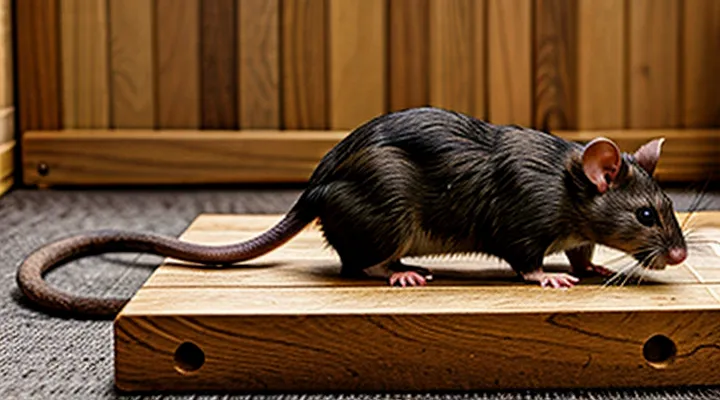
Why Wood-Based Bedding?
Benefits of Wood-Based Bedding
Wood-derived litter provides rats with a dry, comfortable surface that supports natural burrowing behavior. Its structure promotes airflow, reducing humidity and limiting the growth of mold or bacteria.
- High absorbency removes urine and droppings quickly, keeping the enclosure dry.
- Natural aroma masks odors without the need for synthetic additives.
- Low dust content protects respiratory health, especially in sensitive breeds.
- Biodegradable composition allows safe composting after use, minimizing environmental impact.
- Firm yet soft texture encourages nesting, reducing stress and encouraging normal activity.
Choosing a wood-based product with minimal resin and no added fragrances enhances these advantages. Species such as aspen or kiln-dried pine deliver consistent performance, while untreated hardwood offers durability for long‑term use. Regular monitoring of moisture levels ensures the bedding retains its protective qualities throughout the animal’s lifespan.
Considerations for Wood Bedding
When selecting wood-based substrate for rodent habitats, prioritize safety, performance, and practicality. Choose hardwoods such as aspen or beech, which lack the aromatic oils found in many softwoods. These oils can cause respiratory irritation and liver stress in small mammals. Ensure the material is kiln‑dried to reduce moisture content and prevent mold growth.
Critical factors for evaluating wood bedding include:
- Species of wood – hardwoods without volatile compounds are preferred; avoid cedar, pine, and other resinous varieties.
- Dust generation – low‑dust formulations minimize inhalation hazards and keep the enclosure cleaner.
- Absorbency – high capacity for liquid waste reduces the frequency of full‑cage changes and limits odor buildup.
- Odor control – natural fibers with minimal scent profile prevent masking of health‑related smells.
- Cost and availability – bulk purchasing of locally sourced hardwood shavings lowers expense while ensuring consistent supply.
- Compatibility with cleaning protocols – material must tolerate routine vacuuming or spot cleaning without disintegration.
Maintain a regular replacement schedule based on observed saturation levels rather than a fixed timeline. This approach ensures a hygienic environment, supports the animals’ respiratory health, and sustains a stable microclimate within the cage.
Types of Wood-Based Bedding
Aspen Shavings
Aspen shavings are a widely recommended wood substrate for laboratory and pet rats due to their low aromatic oil content and fine texture. The fine particles reduce the risk of respiratory irritation while providing a comfortable nesting surface. Absorbency is high, allowing quick moisture control and limiting ammonia buildup in the cage environment.
Key characteristics include:
- Low dust production: Aspen generates minimal airborne particles, which helps maintain air quality.
- Non‑aromatic: The absence of strong volatile compounds prevents olfactory stress for rats.
- Soft consistency: The fine consistency supports natural burrowing and nesting behavior.
- Biodegradable: Shavings decompose readily, simplifying waste management.
Potential drawbacks are limited availability in some regions and a higher cost compared to pine or spruce alternatives. When selecting bedding, balance the benefits of reduced respiratory risk and improved nest quality against budgetary constraints and supply considerations.
Pine Shavings
Pine shavings are a widely available wood-derived substrate used in rodent enclosures. The material consists of finely cut softwood particles that provide a loose, pliable layer for nesting and burrowing.
The shavings exhibit high absorbency, allowing rapid moisture capture from urine and droppings. Their low bulk density facilitates easy removal and disposal. Natural pine resin imparts a mild scent that can mask odors but also introduces aromatic compounds that some rats find stimulating.
Health implications center on dust content and volatile organic compounds. Fresh pine shavings release fine particles that may irritate the respiratory tract, especially in young or compromised animals. Aromatic oils, primarily terpenes, can exacerbate sensitivities and contribute to allergic reactions. Proper ventilation and periodic replacement reduce these risks.
Practical considerations include cost-effectiveness and accessibility. Bulk packages are inexpensive and readily stocked in pet supply stores. The material degrades quickly under moisture, requiring weekly replacement in heavily used cages. Compatibility with standard cage liners simplifies cleanup.
Key points
- Pros
- Excellent moisture absorption
- Soft texture supports nesting behavior
- Inexpensive and easy to source
- Cons
- Elevated dust levels when fresh
- Presence of aromatic oils may trigger respiratory irritation
- Rapid breakdown necessitates frequent changes
When selecting a wood-based substrate for rats, balance the absorbent qualities of pine shavings against their potential respiratory impact. Adequate ventilation and regular bedding turnover mitigate drawbacks while preserving the benefits of a natural, cost‑effective material.
Cedar Shavings
Cedar shavings are a common option for rodent enclosures because they emit a distinct aroma that masks waste odors. The scent originates from natural oils that also possess mild insect‑repellent properties, reducing the presence of external pests.
Advantages
- Strong odor control without added chemicals.
- Natural antimicrobial compounds inhibit bacterial growth.
- Lightweight material simplifies cleaning and replacement.
Disadvantages
- Essential oils can irritate the respiratory tract of rats, especially in poorly ventilated cages.
- Fine particles increase dust levels, which may exacerbate allergies or sinus issues.
- Rapid breakdown of the aromatic compounds can diminish effectiveness after a few weeks.
When selecting cedar shavings for rat habitats, prioritize low‑dust, kiln‑dried varieties that have been processed to remove excess oil. Pair the bedding with regular cage ventilation and monitor the animals for signs of respiratory distress. In environments where odor suppression is a priority and ventilation is adequate, cedar may serve as a functional component of a broader wood‑based bedding strategy. However, for sensitive or young rats, alternatives such as aspen or paper‑based substrates typically present fewer health risks.
Other Wood Options
When evaluating alternatives to the most commonly recommended hardwoods, consider species that provide low dust, natural antimicrobial properties, and durability without compromising rodent health.
- Birch plywood – thin layers reduce splinter risk; minimal aromatic oils; easy to replace.
- Maple shavings – dense fibers limit moisture absorption; low allergen potential; may compact over time.
- Beech chips – smooth texture discourages chewing; neutral scent; requires periodic sterilization.
- Alder strips – soft yet sturdy; absorbs urine efficiently; limited availability in some regions.
- Willow bark – fibrous and flexible; promotes natural nesting behavior; higher dust content than hardwoods.
Select wood that remains dry, free of mold, and untreated with chemicals. Regular monitoring of bedding condition ensures a safe environment for the animals.
Safety and Health Concerns
Dust Levels
Low dust production is a critical safety parameter for wooden litter used with pet rodents. Excessive airborne particles irritate the respiratory tract, increase the risk of bronchitis, and may trigger allergic reactions in both animals and caretakers.
Dust generation depends on wood species, milling process, and particle size distribution. Softwoods such as pine and spruce release higher concentrations of fine particles because of resinous sap and loose fibers. Hardwood options, including aspen and birch, tend to produce fewer particles when kiln‑dried and cut to uniform shavings. Mechanical processing that creates large, consistent chips reduces the proportion of respirable dust.
Typical dust emission levels (measured as mg/m³ of airborne particles under standard agitation conditions) for common wooden litters:
- Aspen shavings, kiln‑dried: 0.8 mg/m³
- Birch chips, air‑dried: 1.2 mg/m³
- Pine shavings, untreated: 3.5 mg/m³
- Spruce pellets, compressed: 2.0 mg/m³
Selection guidelines for low‑dust bedding:
- Choose hardwoods that are kiln‑dried to a moisture content below 12 %.
- Prefer larger chips or pellets over fine shavings.
- Verify that the product specifies dust‑test results or complies with ISO 14644‑1 for particulate emissions.
- Replace bedding regularly to prevent dust accumulation from degraded fibers.
Implementing these measures ensures a breathable environment that supports the health of rats and minimizes respiratory hazards.
Aromatic Oils (Phenols)
Aromatic oils, primarily phenolic compounds, are naturally occurring constituents of many hardwoods used as rat bedding. These chemicals impart a distinctive scent, influence microbial growth, and can affect the respiratory system of rodents. Phenols such as eugenol, thymol, and guaiacol are detectable at low concentrations and may create an environment that deters mold while simultaneously exposing rats to volatile organic compounds.
When evaluating wooden bedding for rodents, consider the following phenolic characteristics:
- Concentration range – measured in parts per million (ppm); optimal products maintain levels below 10 ppm to minimize respiratory irritation.
- Source wood species – hardwoods like beech, maple, and birch exhibit lower phenol content than pine or cedar, which release higher amounts of terpenes and phenolics.
- Processing method – kiln‑drying reduces residual oils, whereas air‑drying preserves more phenols, influencing scent intensity and antimicrobial activity.
- Compatibility with cage ventilation – effective airflow dilutes volatile phenols, preventing buildup within enclosed habitats.
Safety data indicate that phenol exposure above 20 ppm may cause nasal irritation and reduced olfactory function in rats. Selecting bedding that balances antimicrobial benefits with low phenolic emissions supports health while preserving the natural aroma that encourages normal nesting behavior.
Allergenic Properties
Allergenic characteristics strongly influence the suitability of wooden substrates for rodent habitats. Sensitivity to airborne particles, volatile organic compounds (VOCs) and mold growth determines the health impact on rats.
- Aspen: low dust generation, minimal VOCs, rare mold development; generally well‑tolerated by most individuals.
- Pine (unprocessed): high resin content, significant VOC emission, elevated dust; frequent cause of respiratory irritation.
- Cedar (red or aromatic): strong aromatic oils, high VOC levels, moderate dust; associated with nasal inflammation and sneezing.
- Hemlock: moderate dust, low resin, occasional mold if moisture accumulates; suitable for mildly sensitive animals.
- Kiln‑dried wood shavings (any species): reduced moisture, decreased dust, lower VOCs; improved tolerance across a broad range of rats.
- Compressed wood pellets: minimal dust, negligible VOCs, dense structure limiting mold; effective for allergy‑prone subjects.
Identifying allergic responses involves observing nasal discharge, sneezing, wheezing or reduced activity. If symptoms appear, replace the bedding with a low‑dust, low‑VOC option and monitor for improvement. Regular replacement of soiled material and maintaining humidity below 60 % further reduces mold risk and allergen exposure.
Safe Sourcing
When selecting wood-based bedding for laboratory or pet rats, the source of the material determines both animal health and experimental integrity. Safe sourcing requires verification that the wood is free from contaminants, harvested responsibly, and processed without harmful treatments.
Key criteria for evaluating suppliers:
- Chemical purity – Confirm that the wood has not been pressure‑treated, stained, or coated with pesticides, preservatives, or fire retardants. Request certificates of analysis or material safety data sheets that list all substances used during processing.
- Species identification – Favor hardwoods such as aspen, birch, or beech, which are low in aromatic oils that can irritate rodent respiratory systems. Avoid softwoods like pine or cedar, which contain natural phenols known to cause nasal and lung inflammation.
- Harvest sustainability – Choose vendors that certify timber through programs such as FSC (Forest Stewardship Council) or PEFC (Programme for the Endorsement of Forest Certification). Sustainable practices reduce the risk of heavy‑metal accumulation and ensure long‑term availability of high‑quality bedding.
- Batch consistency – Request batch‑to‑batch testing results to guarantee uniform particle size, moisture content, and absence of mold. Consistent bedding reduces variability in humidity and temperature within cages.
- Traceability – Ensure the supplier can provide a complete supply chain record, from forest origin to final packaging. Traceability enables rapid response if a contamination issue arises.
Implementing these verification steps protects rats from respiratory distress, dermatitis, and experimental confounds. Establish a written procurement protocol that incorporates the above criteria, assigns responsibility for documentation review, and schedules periodic audits of supplier compliance. This systematic approach secures a reliable supply of safe, high‑quality wooden bedding for rodent husbandry.
Choosing the Best Wood Bedding
Factors to Consider
When selecting wooden litter for rats, evaluate each factor systematically to ensure health, comfort, and practicality.
- Wood species – Choose hardwoods such as aspen or pine that lack aromatic oils; softwoods like cedar release phenols that can irritate respiratory tracts.
- Dust production – Low‑dust substrates reduce inhalation risk and keep the cage cleaner. Test a sample layer; visible particles indicate excessive dust.
- Absorbency – High moisture‑holding capacity minimizes wet spots, curbing bacterial growth. Measure how many milliliters of water a given weight can retain before becoming saturated.
- Scent – Unscented or minimally scented wood prevents olfactory overload, which can stress rodents.
- Safety – Verify that the wood is free of mold, pesticides, and chemicals. Treated lumber must be excluded.
- Availability – Consistent supply prevents gaps in bedding changes, supporting routine husbandry.
- Cost efficiency – Compare price per kilogram against performance metrics such as absorbency and longevity.
- Longevity – Durable bedding maintains structure over multiple change cycles, reducing waste.
- Environmental impact – Sustainably sourced wood lessens ecological footprint; certifications like FSC provide verification.
- Compatibility with cage design – Ensure the material fits the cage’s filtration system and does not obstruct airflow or wheel operation.
Assessing these criteria together yields a reliable, health‑conscious choice for rat bedding without reliance on scented or chemically treated wood.
Recommended Brands
When choosing wood-based litter for pet rats, prioritize products that are kiln‑dried, low‑dust, and free of aromatic oils that can irritate respiratory systems. Consistent quality control and third‑party testing are essential indicators of safety and performance.
- Kaytee Clean & Cozy – kiln‑dried hardwood, <2% dust, USDA‑certified safe for small rodents.
- Oxbow Natural Choice – blended aspen and pine, 1.5% dust, EPA‑approved for indoor use.
- Living World Natural Wood – 100% aspen, minimal dust, packaged in resealable bags to preserve freshness.
- Carefresh Small Animal Bedding – hardwood shavings, <2% dust, includes a built‑in deodorizing layer.
- Wysong Naturally Fresh – aspen and maple mix, low‑dust formulation, tested for ammonia reduction.
These brands meet industry standards for rodent bedding and are widely available through veterinary supply stores and major online retailers. Selecting any of them ensures a clean, comfortable substrate that supports the health of rats in a domestic setting.
Unsuitable Wood Types
Certain woods should never be used as bedding for pet rodents because they release toxic compounds or cause respiratory irritation.
- Cedar (including Western Red and Eastern Red) – contains aromatic oils (phenols) that can damage the nasal passages and liver.
- Pine (especially fresh or untreated) – emits high levels of resin and volatile organic compounds that irritate the eyes and lungs.
- Scented or perfumed wood shavings – artificial fragrances mask odors but add chemicals that can stress the animal’s immune system.
- Treated or pressure‑treated lumber – preservatives such as chromated copper arsenate introduce heavy metals and toxic preservatives.
Using any of these materials compromises health, increases the risk of respiratory disease, and may lead to reduced lifespan. Opt for untreated, low‑aroma hardwoods such as aspen, birch, or maple, which provide safe, absorbent bedding without harmful emissions.
Bedding Management and Maintenance
How Much Bedding to Use
When selecting a wood-derived substrate for a rodent enclosure, the quantity applied directly influences moisture regulation, odor control, and the animal’s ability to burrow. Proper depth prevents waste from contacting the cage floor while allowing the bedding to absorb urine and maintain a dry surface.
- Small cage (≈ 15 × 15 × 15 in): 1–1.5 in of material, approximately 2 L.
- Medium cage (≈ 20 × 20 × 20 in): 1.5–2 in, roughly 4 L.
- Large cage (≈ 30 × 30 × 30 in): 2–2.5 in, about 8 L.
For multiple occupants, increase the volume by 25 % per additional rat to preserve adequate absorbency. Replace the substrate when it becomes saturated, typically after 5–7 days for a single animal in a medium cage, or when the surface appears damp. Regular monitoring of depth ensures the bedding remains effective without creating excess waste that could compromise hygiene.
Cleaning Schedule
Regular cleaning preserves the integrity of wooden substrate and prevents odor, mold, and parasite buildup. Consistent maintenance extends the lifespan of the bedding and supports rodent health.
- Daily: Remove soiled particles, spot‑clean urine and feces, replace with fresh wood shavings.
- Every 3–4 days: Perform a light stir of the bedding to redistribute moisture, inspect for clumping or damp spots, and add a thin layer of new wood material.
- Weekly: Empty the entire enclosure, wash the cage with mild, non‑toxic detergent, rinse thoroughly, and dry completely before re‑adding a fresh layer of wood shavings.
- Bi‑weekly: Conduct a deep inspection of the wood supply; discard any pieces showing signs of mold or excessive wear, and replenish with high‑quality, low‑dust shavings.
Monitor the bedding for changes in texture, scent, or humidity. Adjust the schedule if the environment becomes unusually damp or if the rodents exhibit increased grooming or respiratory signs. Prompt response to these indicators maintains a hygienic habitat and maximizes the benefits of wood‑based bedding.
Combination Bedding Approaches
Combining wood-derived substrates can address the shortcomings of single-material options while preserving the natural absorbency and scent‑masking qualities rats require. A layered approach typically pairs a primary hardwood shavings base with a secondary fine‑fiber or paper component. The hardwood layer—often aspen or untreated pine—provides structural support and rapid moisture uptake. A thin overlay of recycled paper or hemp fibers captures surface waste, reduces tracking, and adds a soft surface for nest building.
Key considerations for a successful mixture include:
- Material compatibility: Avoid cedar, which releases phenols harmful to rodent respiratory systems. Ensure all components are free of chemical treatments and dust‑free.
- Proportioning: A 70 % hardwood to 30 % fine‑fiber ratio balances bulk absorption with surface comfort. Adjust percentages based on cage size and humidity levels.
- Depth management: Maintain a total bedding depth of 2–3 cm; the lower hardwood layer should be at least 1.5 cm to prevent pooling, while the upper fiber layer remains thin enough to stay tidy.
- Maintenance schedule: Replace the entire bedding weekly, but spot‑clean daily by removing soiled top fibers. This practice limits odor buildup and prevents ammonia accumulation.
- Ventilation integration: Pair the bedding mix with a cage ventilation system that exchanges air at a minimum of 15 % per hour, ensuring the combined substrate does not impede airflow.
Implementing the combination involves spreading the hardwood shavings evenly across the cage floor, then sprinkling the fine fibers in a uniform sheet. Stir the layers gently after each cleaning cycle to preserve homogeneity and prevent compaction. This method delivers consistent dryness, minimizes tracking, and supports the rodents’ instinctual nesting behavior without introducing harmful aromatics.