
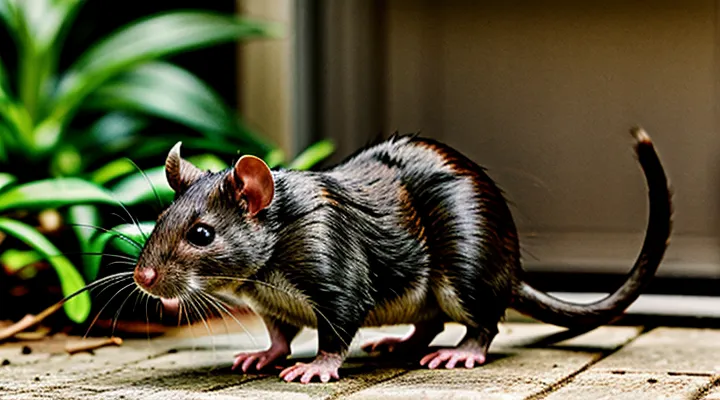
Understanding Rat Estrus
The Estrous Cycle in Rats
Phases of the Estrous Cycle
The estrous cycle of laboratory rats comprises four distinct phases, each characterized by specific hormonal profiles and cytological patterns.
During proestrus, ovarian follicles mature under rising estradiol levels; vaginal smears show predominantly nucleated epithelial cells. This stage typically lasts 12–14 hours.
Estrus follows, marked by the peak of luteinizing hormone surge and ovulation. Vaginal cytology reveals cornified, anucleate cells, and the phase persists for 12 hours.
Metestrus begins immediately after ovulation; progesterone rises as the corpus luteum forms. Smears contain a mixture of cornified and leukocyte cells, lasting 12–14 hours.
Diestrus represents the luteal phase, characterized by sustained progesterone secretion and a predominance of leukocytes in vaginal samples. This phase occupies the remaining 48–72 hours of the 4‑ to 5‑day cycle.
The sequential progression through proestrus, estrus, metestrus, and diestrus regulates reproductive timing and fertility in rats, providing a reliable framework for experimental scheduling.
Hormonal Regulation of Estrus
Hormonal regulation determines the onset of estrus in laboratory rats, establishing the age at which cyclic sexual receptivity becomes observable. The hypothalamic‑pituitary‑gonadal axis orchestrates a predictable sequence of endocrine events that culminate in the first estrous cycle.
Key hormones involved include:
- «GnRH» released from the hypothalamus, stimulating pituitary secretion;
- «LH» and «FSH» produced by the anterior pituitary, driving ovarian follicular development;
- «Estrogen» synthesized by growing follicles, reaching a peak that triggers the pre‑ovulatory surge;
- «Progesterone» secreted by the corpus luteum, modulating the luteal phase;
- «Prolactin» contributing to luteal maintenance and behavioral readiness.
The transition to estrus follows a defined pattern: rising «FSH» promotes folliculogenesis, leading to increased «estrogen» concentrations. When estrogen exceeds a threshold, a positive feedback loop induces a rapid rise in «LH», producing the LH surge that initiates ovulation and the behavioral expression of estrus. Subsequent luteinization raises «progesterone», preparing the reproductive tract for potential implantation and terminating the estrous episode.
Hypothalamic sensitivity to circulating steroids evolves with post‑natal development. Early maturation of GnRH neurons and the establishment of steroid feedback mechanisms occur between three and five weeks of age, aligning the hormonal milieu with the physiological capacity for estrus. Consequently, the precise timing of hormonal activation dictates the age at which rats first exhibit estrus, typically within the fourth post‑natal week.
Factors Influencing Estrus Onset
Age of Puberty
Typical Age Range
Female rats generally enter estrus shortly after puberty. The first estrous cycle appears between the fifth and eighth week of life. Most laboratory strains exhibit the following typical range:
- Onset of sexual maturity: 5 – 6 weeks
- First observable estrus: 6 – 8 weeks
- Regular 4‑day cycles established by: 8 – 10 weeks
Factors influencing the exact timing include genetic background, diet, housing density, and lighting conditions. Early maturation may occur in strains selected for rapid growth, whereas delayed onset is reported under suboptimal nutrition or reduced photoperiod. Researchers should schedule reproductive studies after the tenth week to ensure stable cyclicity.
Variations in Puberty Onset
Rats achieve sexual maturity during a relatively narrow developmental window, yet the precise timing of first estrus exhibits considerable variability. Typical onset occurs between four and eight weeks of age, with the majority of laboratory strains reaching this stage around five to six weeks. Variation arises from multiple interacting factors that influence the physiological cascade leading to estrus.
- Genetic background: Inbred strains (e.g., Sprague‑Dawley, Wistar) differ in average puberty timing; outbred populations display broader ranges.
- Nutritional status: Caloric restriction delays onset, whereas high‑energy diets accelerate it. Protein content and micronutrient availability also modulate hormonal maturation.
- Photoperiod and lighting: Extended light cycles shorten the pre‑estrous interval; reduced illumination prolongs it.
- Ambient temperature: Cooler environments slow gonadal development; warmer conditions promote earlier estrus.
- Stress exposure: Chronic stressors elevate glucocorticoids, suppressing the hypothalamic‑pituitary‑gonadal axis and postponing puberty.
- Hormonal interventions: Administration of exogenous estrogen or gonadotropin‑releasing hormone analogs can shift the timing of first estrus forward or backward.
These determinants operate through modulation of the hypothalamic release of gonadotropin‑releasing hormone, subsequent pituitary secretion of luteinizing hormone and follicle‑stimulating hormone, and ovarian follicular development. Precise documentation of «puberty onset» in experimental cohorts enhances reproducibility, informs selection of appropriate age windows for behavioral and pharmacological studies, and supports accurate interpretation of endocrine data.
Environmental Factors
Nutrition and Diet
Nutrition profoundly influences the timing of sexual maturity in female laboratory rats. Adequate energy intake accelerates the onset of estrus, whereas chronic caloric restriction delays it by several days.
Protein levels modulate gonadotropic hormone synthesis. Diets containing 20 %–24 % crude protein support normal estrous cycling; diets below 15 % protein extend the pre‑estrus interval.
Fat composition affects steroidogenesis. Diets enriched with ω‑3 polyunsaturated fatty acids promote earlier estrus, while excessive saturated fat prolongs the immature phase.
Micronutrients contribute to ovarian development. Sufficient vitamin A, vitamin E, and zinc are associated with regular estrous patterns; deficiencies correlate with irregular cycles and delayed maturation.
Phytoestrogen content alters endogenous estrogen activity. Soy‑based feeds high in isoflavones can advance estrus onset by up to two days, whereas low‑phytoestrogen diets maintain baseline timing.
Key dietary factors influencing estrus timing:
- Caloric density (energy > 3.5 kcal g⁻¹ accelerates maturation)
- Crude protein 20 %–24 % (optimal)
- ω‑3 fatty acids (eicosapentaenoic, docosahexaenoic)
- Vitamin A, vitamin E, zinc (adequate levels)
- Isoflavone concentration (moderate soy inclusion)
Adjusting these components yields predictable shifts in the age at which female rats reach sexual maturity, enabling precise experimental scheduling.
Light Cycles and Photoperiod
Light cycles exert a decisive influence on the timing of estrus onset in laboratory rats. Continuous illumination (24 h light) suppresses the normal cyclicity of the estrous cycle, often delaying the first estrus and extending the interval between successive cycles. Conversely, a standard 12 h light/12 h dark regimen synchronizes the hypothalamic–pituitary–gonadal axis, producing a predictable pattern of estrus appearance typically within the first two to three weeks of life.
Photoperiod length modulates melatonin secretion, which in turn regulates gonadotropin‑releasing hormone (GnRH) pulses. Short‑day exposure (e.g., 8 h light/16 h dark) reduces melatonin suppression, leading to earlier activation of GnRH neurons and advancement of the first estrus. Long‑day exposure (e.g., 16 h light/8 h dark) delays melatonin decline, postponing GnRH surge and extending the pre‑estrus interval.
Key observations:
- 12 h light/12 h dark: first estrus appears at 12–21 days of age.
- 8 h light/16 h dark: first estrus may appear as early as 10 days.
- 16 h light/8 h dark: first estrus often delayed beyond 21 days.
- Constant darkness: irregular cycles, frequent anestrus periods.
Experimental protocols that require precise estrus timing should standardize photoperiod conditions, maintain consistent light intensity (approximately 150 lux), and control the timing of light transitions to within ±15 minutes. Monitoring melatonin levels provides a reliable indicator of photoperiod efficacy and can predict deviations in estrus onset.
Social Cues and Pheromones
Rats enter sexual receptivity during a defined developmental window that is sensitive to social information. Exposure to adult females or to male‑derived odors can accelerate the onset of estrus, while isolation or lack of pheromonal cues often delays it. Pheromones released from the urine, vaginal secretions, and dorsal skin convey reproductive status, allowing individuals to synchronize their cycles within a colony.
Key social cues influencing the timing of sexual maturity include:
- Presence of conspecific females in estrus, which provides volatile compounds that stimulate hypothalamic pathways.
- Male urine containing major urinary proteins that bind and transport pheromonal molecules, promoting earlier activation of the gonadotropic axis.
- Nesting behavior and tactile interactions that generate somatosensory feedback linked to hormonal release.
Neuroendocrine mechanisms translate these external signals into internal responses. Olfactory receptors detect pheromonal molecules, triggering the vomeronasal system, which projects to the medial amygdala and hypothalamus. The resulting increase in gonadotropin‑releasing hormone (GnRH) pulses advances ovarian development, shortening the interval before the first estrus.
Environmental manipulation of social cues offers a practical method to modulate reproductive timing in laboratory colonies. Adjusting group composition, introducing scented bedding, or providing controlled male exposure can produce predictable shifts in the age of sexual receptivity without genetic intervention.
Genetic Predisposition
Genetic factors significantly shape the timing of estrus onset in laboratory rats. Specific alleles influence hypothalamic signaling pathways that trigger the first estrous cycle, causing variation among individuals and strains.
Key genes repeatedly associated with early or delayed estrus include:
- « Esr1 » – encodes estrogen receptor α, modulates sensitivity to circulating estradiol.
- « Kiss1 » – regulates gonadotropin‑releasing hormone release, affecting the initiation of puberty.
- « Gnrh1 » – directly controls luteinizing hormone surge, thereby influencing cycle commencement.
- « Mtor » – integrates nutritional signals with reproductive axis development, contributing to age variability.
Strain‑specific studies demonstrate that inbred lines such as Wistar and Sprague‑Dawley display distinct estrus onset ages, reflecting divergent allele frequencies at the loci above. Outbred populations exhibit broader ranges, indicating polygenic inheritance and environmental interaction.
Experimental approaches commonly employ quantitative trait locus mapping and genome‑wide association studies to isolate heritable components. Controlled breeding programs validate candidate genes by observing phenotypic shifts after selective allele propagation.
Understanding the genetic architecture of estrus timing enhances experimental reproducibility and informs selection of appropriate rat models for reproductive research.
Significance of Estrus in Rat Reproduction
Breeding Considerations
Female laboratory rats typically become sexually receptive between five and six weeks of age, with slight variation among strains. Early onset permits breeding programs to commence shortly after weaning, reducing generation intervals.
Key considerations for successful breeding:
- Pair females with proven males at the first sign of estrus; delay reduces conception rates.
- Verify health status before mating; parasites or respiratory infections markedly diminish fertility.
- Maintain a stable environment: temperature 20‑22 °C, humidity 45‑55 %, and consistent light cycle (12 h light/12 h dark) to prevent hormonal disruption.
- Record the exact age of each female at first estrus to refine colony management and predict litter timing.
Estrus detection relies on observable cues—swollen vulva, increased lordosis, and a characteristic change in vaginal secretions. Vaginal cytology provides objective confirmation; samples should be collected with sterile swabs and examined under a light microscope within minutes of collection.
After successful mating, monitor gestation (approximately 21‑23 days) and plan weaning at three weeks to prevent maternal stress. Space successive litters by at least four weeks to allow full recovery of the dam’s reproductive axis.
Research Applications
Understanding the precise onset of sexual maturity in female rats provides a reliable benchmark for experimental design. Accurate timing enables researchers to synchronize physiological states across study cohorts, reducing variability in outcomes that depend on hormonal cycles.
Research applications include:
- Toxicological assessments of chemicals that interfere with endocrine function; age‑matched estrus onset allows detection of subtle disruptions in reproductive timing.
- Pharmacological evaluation of contraceptive agents; controlled estrus stages facilitate measurement of drug efficacy and side‑effect profiles.
- Genetic investigations of puberty regulators; linking gene expression patterns to the known age of estrus entry clarifies causal relationships.
- Behavioral studies of mating and social interaction; aligning experiments with the natural fertile window improves interpretation of observed behaviors.
In developmental biology, the transition to estrus serves as a reference point for mapping organ maturation and for comparing species‑specific reproductive timelines. Data derived from these applications enhance translational relevance, informing risk assessment and therapeutic strategies for human reproductive health.
Recognizing Estrus in Rats
Behavioral Indicators
Behavioral changes provide reliable evidence of sexual maturation in female rats. Around the third to fourth week of life, females exhibit a distinct increase in lordosis reflex when presented with a male, indicating receptivity. Concurrently, a marked rise in proceptive behaviors—such as hopping, ear wiggling, and increased locomotor activity toward the male—signals the onset of estrus.
Additional indicators include alterations in vocalization patterns, with higher frequency ultrasonic calls emitted during the estrous phase. Vaginal patency also becomes evident, allowing easy insertion of a cotton tip applicator, which serves as a practical diagnostic tool. These observable signs collectively enable precise determination of the age at which rats achieve estrus without reliance on hormonal assays.
Physiological Signs
Female rats attain sexual maturity typically between the fifth and eighth week of life, although exact timing varies with strain, nutrition, and housing conditions. Hormonal assays show a marked rise in circulating estradiol and luteinizing hormone preceding the first estrus, confirming the onset of reproductive competence.
Physiological indicators of estrus include:
- Swelling and reddening of the vaginal opening, observable without restraint.
- Presence of cornified epithelial cells in a vaginal smear, identified by light microscopy.
- Increased lordosis quotient, measured by the proportion of receptive postures during male mounting attempts.
- Elevated basal body temperature of 0.2–0.4 °C, detectable with implanted telemetry devices.
- Surge in urinary estrogen metabolites, quantifiable by immunoassay.
These signs appear concurrently with the first estrous cycle, providing reliable criteria for determining the age at which rats enter estrus.