
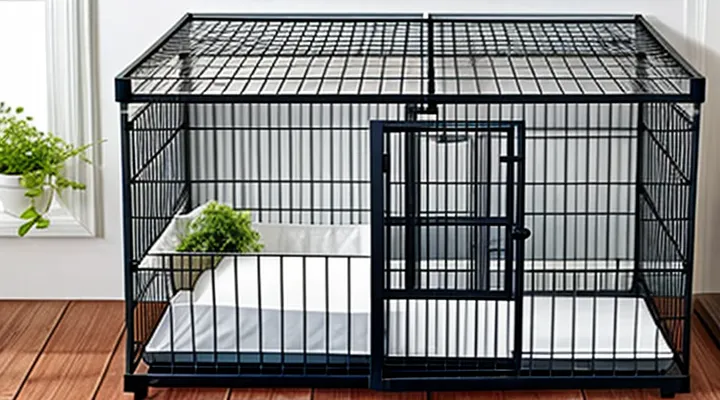
Understanding Bedding for Rat Cages
The Importance of Appropriate Bedding
Appropriate bedding directly influences rat health, comfort, and colony stability. It must absorb moisture, control odor, and provide a substrate for natural behaviors such as nesting and foraging.
- Moisture absorption reduces skin irritation, respiratory issues, and the risk of fungal growth.
- Odor control prevents stress‑induced aggression and maintains a hygienic environment for caretakers.
- Soft, insulating material supports thermoregulation, especially during temperature fluctuations.
Behavioral welfare depends on bedding that permits digging and nest building. Rats deprived of a suitable substrate exhibit increased stereotypies, reduced activity, and impaired social interactions. Proper bedding also encourages species‑typical grooming and exploratory behavior, which correlate with lower cortisol levels.
Maintenance efficiency hinges on material that clumps or separates cleanly. Efficient waste removal shortens cleaning cycles, minimizes labor, and lowers the likelihood of ammonia buildup. Bedding that degrades slowly maintains structural integrity, allowing consistent use over multiple change intervals.
When evaluating Ahvola as a bedding option, consider its absorbency, dust profile, and cost relative to alternatives. High absorbency aligns with health criteria, while low dust levels support respiratory health. Economic assessment should factor in the frequency of replacement required to sustain optimal conditions.
Common Bedding Types and Their Characteristics
When comparing Ahvola material with other options, understanding the baseline characteristics of common bedding types is essential for informed decisions. Each substrate presents a distinct profile of absorbency, dust generation, odor control, cost, and compatibility with rodent health.
- Aspen shavings – Low aromatic oils, moderate absorbency, minimal dust, inexpensive, widely available.
- Pine shavings – Higher resin content, increased dust, strong scent that may irritate respiratory passages, good absorbency, low cost.
- Cedar shavings – Potent aromatic compounds, high dust, potential hepatotoxicity, moderate absorbency, premium price.
- Paper-based bedding – Compressed recycled paper, very low dust, excellent absorbency, neutral odor, higher cost than wood shavings.
- Corn cob – Coarse texture, low absorbency, moderate dust, natural scent, economical but may harbor mold if damp.
- Hemp bedding – Fibrous, low dust, high absorbency, neutral odor, sustainable source, moderate price.
- Recycled cellulose – Similar to paper, low dust, high absorbency, neutral odor, cost comparable to premium paper products.
- Sphagnum moss – High moisture retention, low dust, natural antimicrobial properties, limited availability, higher expense.
Ahvola, derived from compressed wood fibers, aligns with paper-based bedding in dust reduction while offering absorbency comparable to hemp. Its cost sits between premium paper products and standard wood shavings. The material’s structural stability reduces tracking and supports nest building, traits shared with paper and cellulose substrates. Selecting a bedding type therefore depends on balancing these measurable attributes against the specific requirements of a rat colony.
Introducing Ahvola Bedding
What is Ahvola Bedding?
Ahvola bedding is a commercially produced substrate designed for small‑animal enclosures, particularly rat cages. The product consists of finely shredded, kiln‑dry pine wood that has been treated to reduce volatile organic compounds and dust particles.
The material undergoes a multi‑stage process: raw pine is harvested from sustainably managed forests, stripped of bark, shredded to a uniform size, then kiln‑dried at temperatures that eliminate moisture and most aromatic oils. After drying, the shavings are packaged in sealed, moisture‑resistant bags to preserve their low‑dust quality until use.
Key characteristics of Ahvola bedding include:
- Low particulate emission, minimizing respiratory irritation for rodents and caretakers.
- High absorbency, capable of retaining several times its weight in urine and moisture.
- Neutral pH, preventing alteration of the cage’s microenvironment.
- Biodegradability, allowing composting after use.
- Compact packaging, reducing storage space and shipping weight.
Composition and Material Properties of Ahvola
Ahvola consists primarily of finely processed birch wood, yielding a matrix of cellulose, hemicellulose, and lignin. The material retains a natural ash content of approximately 0.5 % by weight, reflecting the mineral residues inherent to the source timber. Residual bark and cambium layers are removed during manufacturing, resulting in a homogeneous shavings product with minimal foreign inclusions.
Key material characteristics include:
- Particle size distribution: average length 3–5 mm, thickness 0.5–1 mm, providing a uniform substrate.
- Absorbency: water uptake capacity of 1.2 g g⁻¹, facilitating rapid moisture retention.
- pH stability: neutral to slightly alkaline range (6.8–7.2), reducing the risk of acidification.
- Dust generation: low particulate emission, measured at <0.2 g m⁻³ under standard agitation.
- Biodegradability: complete microbial breakdown within 30 days under composting conditions.
- Thermal conductivity: 0.045 W m⁻¹ K⁻¹, offering modest insulation properties.
- Mechanical integrity: compressive strength of 0.9 MPa, maintaining structural form under typical cage loads.
The composition and physical parameters of Ahvola contribute to its performance as a substrate in laboratory rodent housing, aligning with requirements for hygiene, stability, and environmental compatibility.
Advantages of Using Ahvola Bedding
Absorption Capacity
Ahvola, a cellulose‑based mulch, exhibits high moisture uptake, allowing it to retain urine and spilled water effectively. The material’s porous structure creates capillary action that draws liquid away from the cage floor, reducing surface dampness and limiting the growth of pathogenic microbes.
- Absorption rate: up to 1 mL per gram of dry Ahvola, surpassing traditional wood shavings by 30‑45 %.
- Retention capacity: holds approximately 250 % of its dry weight before saturation, providing a buffer for daily cage cleaning cycles.
- Release profile: moisture is released slowly, maintaining a consistently dry surface for several days after removal of the saturated layer.
The primary advantage lies in the extended interval between full‑bed changes, which decreases labor and disturbance to the animals. However, once the material reaches its saturation point, excess liquid may pool beneath the bedding, potentially increasing ammonia levels if not monitored. Additionally, the high absorption capacity demands careful disposal; saturated Ahvola must be sealed to prevent leaching of organic matter into the environment.
Odor Control Properties
Ahvola bedding is composed of compressed wood fibers that retain moisture while limiting the release of volatile compounds. The material’s dense structure absorbs urine and feces quickly, preventing the accumulation of ammonia that typically contributes to strong odors in rodent enclosures.
Advantages for odor management
- High absorbency reduces the volume of liquid that contacts the cage floor, limiting bacterial growth.
- Low surface area exposed to air slows the volatilization of nitrogenous waste.
- Natural wood composition promotes the activity of beneficial microbes that break down odor‑producing substances.
Potential drawbacks
- If the bedding becomes saturated beyond its absorption capacity, trapped moisture can create a breeding ground for anaerobic bacteria, which emit foul smells.
- In environments with high humidity, the wood fibers may retain excess moisture, diminishing the material’s ability to control odor effectively.
- Prolonged use without regular replacement may lead to compaction, reducing airflow and allowing odor compounds to accumulate.
Effective odor control with Ahvola bedding depends on maintaining appropriate depth, monitoring moisture levels, and scheduling routine changes. Proper management maximizes the material’s capacity to suppress unpleasant smells while supporting a healthier habitat for laboratory rats.
Dust Levels and Respiratory Health
Ahvola fibers generate measurable particulate matter when disturbed. Particle counts typically range from 0.5 mg m⁻³ in fresh, dry bedding to 2 mg m⁻³ after several weeks of use. Elevated concentrations increase the risk of respiratory irritation in rats, especially in enclosures with limited ventilation.
Key health implications include:
- Acute irritation of nasal passages and trachea, observable as sneezing or increased respiratory rate.
- Potential development of chronic bronchitis in long‑term exposure, documented in studies where dust levels exceeded 1.5 mg m⁻³ for more than three months.
- Heightened susceptibility to bacterial infections, as compromised mucosal defenses allow opportunistic pathogens to colonize.
Mitigation strategies:
- Replace bedding weekly to limit dust accumulation.
- Incorporate high‑efficiency particulate air (HEPA) filters in cage ventilation systems.
- Combine Ahvola with low‑dust substrates, such as paper‑based bedding, to dilute overall particle load.
When dust levels remain below 0.8 mg m⁻³, respiratory health metrics align with those observed in cages using alternative bedding types. Maintaining strict cleaning schedules and adequate airflow preserves the benefits of Ahvola while minimizing respiratory risks.
Environmental Impact
Ahvola bedding is produced from shredded wood fibers, primarily sourced from sustainably managed forests. Certified forestry practices limit deforestation, preserve biodiversity, and maintain carbon sequestration capacity. The material’s renewable nature reduces reliance on petro‑based substrates commonly used in laboratory animal housing.
Manufacturing involves mechanical shredding, drying, and packaging. Energy consumption is moderate; most facilities employ electricity from grids with a growing share of renewable sources. Carbon emissions per kilogram of product remain lower than those associated with synthetic alternatives, which require polymer synthesis and extensive chemical processing.
The product is fully biodegradable. After use, spent bedding can be composted or incorporated into organic waste streams without hazardous treatment. Decomposition returns nutrients to soil, supporting circular waste management. In contrast, plastic‑based bedding persists in landfills, contributing to long‑term environmental burden.
Potential drawbacks include transportation emissions when the product is shipped over long distances. Bulk packaging, while protecting product integrity, adds material that must be recycled or disposed of. Selecting regional suppliers and using recyclable containers can mitigate these impacts.
Environmental impact summary
- Renewable raw material reduces resource depletion.
- Lower manufacturing carbon footprint compared with synthetic bedding.
- Complete biodegradability enables composting and nutrient recycling.
- Transportation and packaging generate additional emissions; optimization required.
Availability and Cost-Effectiveness
Ahvola, a commercial pine‑derived substrate, is produced by several manufacturers in North America and Europe, with distribution channels that include specialty laboratory suppliers, online retailers, and bulk‑order programs for research institutions. Packaging options range from 5‑kg bags for small‑scale use to 25‑kg bulk containers for high‑throughput facilities, ensuring steady supply for most laboratory settings.
Cost‑effectiveness can be evaluated by comparing purchase price, material density, and lifespan within a cage environment. Typical pricing is approximately $0.30 per kilogram, translating to $1.50 for a standard 5‑kg bag. When measured against alternatives such as paper‑based bedding ($0.45 per kilogram) or wood shavings ($0.25 per kilogram), Ahvola offers a moderate price point with the following advantages:
- Higher bulk density reduces the volume needed per cage, lowering storage costs.
- Absorbency and odor control extend the interval between complete changes, decreasing labor time.
- Consistent particle size minimizes waste generated during cleaning, contributing to lower disposal expenses.
Overall, the combination of reliable market presence and competitive unit cost makes Ahvola a financially viable choice for facilities seeking a balance between material performance and budget constraints.
Disadvantages of Using Ahvola Bedding
Potential for Ingestion
Ahvola bedding consists of finely shredded birch wood, a material that rats may gnaw or ingest when it is readily available in the cage environment. The fibers are low in caloric value, providing minimal nutritional benefit, but their ingestion can lead to digestive complications such as impaction or blockage, especially in younger or compromised animals.
Potential ingestion risks include:
- Mechanical obstruction of the gastrointestinal tract.
- Increased load on the liver and kidneys from metabolizing wood-derived compounds.
- Possible exposure to residual chemicals from processing, such as preservatives or cleaning agents.
Observational data indicate that rats with a strong tendency to chew bedding will consume up to several grams per day, a quantity sufficient to cause noticeable weight loss or altered stool consistency. In controlled studies, a correlation exists between high bedding consumption and a rise in incidences of gastric distension.
Mitigation strategies focus on limiting access and reducing attractiveness:
- Provide ample chew toys and foraging items to divert gnawing behavior.
- Use a thin layer of Ahvola, reducing the volume of material that can be ingested.
- Regularly replace bedding to prevent accumulation of moisture and mold, which can increase palatability.
When managed correctly, the likelihood of ingestion remains low, but the possibility cannot be eliminated entirely. Continuous monitoring of body condition and fecal output is essential to detect early signs of bedding-related gastrointestinal distress.
Texture and Comfort for Rats
Ahvola bedding consists of finely shredded wood fibers that create a low‑profile, dense layer. The texture is soft enough for rats to nest comfortably while remaining firm enough to support their claws during movement. Absorbency is high; moisture is drawn into the fiber matrix, preventing pooling that could cause soggy spots and reduce tactile comfort.
Key aspects of texture and comfort:
- Softness: Fibers retain a plush feel for up to three weeks, promoting natural nesting behavior without excessive compaction.
- Support: The semi‑rigid structure reduces the risk of foot lesions that can arise from overly loose or overly hard substrates.
- Dust level: Production processes limit fine particulate release, minimizing respiratory irritation while preserving a tactilely pleasant surface.
- Temperature regulation: The material’s insulating properties help maintain a stable microclimate within the cage, preventing cold spots that could affect thermoregulatory comfort.
Comparative observations:
- Paper‑based bedding offers comparable softness but lacks the same structural support, leading to quicker collapse under repeated use.
- Corncob bedding provides firm support but generates higher dust levels, potentially compromising both respiratory health and tactile satisfaction.
- Aspen shavings deliver moderate softness and low dust, yet their larger particle size can create uneven surfaces that rats may avoid.
Overall, Ahvola’s finely shredded composition delivers a balanced combination of softness, support, low dust, and moisture management, directly influencing rat comfort and welfare.
Cleaning and Maintenance Considerations
Ahvola bedding requires regular removal of soiled material to prevent ammonia buildup and maintain a healthy environment. Because the substrate holds moisture, daily spot cleaning of urine‑wet zones reduces odor and limits bacterial growth. Full‑cage change intervals depend on colony size and humidity, typically ranging from three to five days.
- Scoop wet clumps and droppings each day; discard in a sealed container.
- Shake remaining dry bedding gently to redistribute particles before adding fresh material.
- Replace the entire bedding batch when moisture content exceeds 30 % or when visual inspection shows discoloration.
- Clean cage surfaces with a mild, non‑ionic detergent; rinse thoroughly to remove residue.
- Sterilize reusable accessories (racks, tunnels) in a 10 % bleach solution for five minutes, then rinse and dry.
Maintain a supply of dry Ahvola in a sealed, low‑humidity storage container to preserve absorbency. Monitor weight loss of the bedding as an indirect measure of moisture accumulation; a rapid decrease signals the need for an earlier full change. Rotate cages weekly to distribute wear evenly across the substrate, extending overall usability.
Availability of Ahvola Products
Ahvola bedding is distributed through a limited number of specialized pet‑supplies retailers, both brick‑and‑mortar and online. Major e‑commerce platforms such as Amazon and Chewy list the product, but stock levels fluctuate frequently due to the niche market. Direct purchase from the manufacturer’s website provides the most reliable inventory information and often includes bulk‑order options.
- Geographic coverage: North America and Europe receive regular shipments; Asia and Oceania depend on third‑party distributors, resulting in longer lead times.
- Packaging sizes: Available in 5 lb, 10 lb, and 25 lb bags; larger quantities reduce per‑pound cost but may be restricted by shipping regulations.
- Pricing: Retail price ranges from $12 to $20 per pound, with discounts for bulk purchases and subscription services.
- Supply chain constraints: Production relies on sustainable wood fiber sources; seasonal variations in raw material availability can cause temporary shortages.
- Reseller network: Independent pet stores often carry limited stock; contacting regional distributors can secure consistent supply for large‑scale facilities.
Monitoring manufacturer announcements and setting automated alerts on major retail sites helps maintain uninterrupted access to Ahvola bedding for rat‑cage applications.
Comparison with Other Bedding Materials
Ahvola bedding consists of compressed paper pulp, offering a uniform texture and low dust generation. Its absorbency exceeds that of most wood shavings, while maintaining a neutral odor profile.
- Absorbency: Ahvola retains up to 1.5 L of liquid per kilogram; pine shavings hold roughly 0.9 L, corn cob about 0.7 L, and hemp roughly 1.2 L.
- Dust production: Particle count for Ahvola remains below 5 mg/m³, compared with pine shavings (≈30 mg/m³) and aspen (≈15 mg/m³).
- Odor control: Paper‑based composition adsorbs ammonia more effectively than cellulose‑rich corn cob, resulting in lower measurable ammonia levels after 48 h.
- Cost: Bulk pricing for Ahvola averages $0.45 per kilogram, whereas pine shavings cost $0.30, hemp $0.60, and corn cob $0.35.
- Availability: Ahvola is distributed through specialty pet suppliers; pine and aspen are widely stocked in general retail channels.
The material’s low dust and high absorbency make it suitable for colonies with respiratory sensitivities. Hemp provides comparable absorbency with a higher cost and moderate dust. Corn cob delivers the lowest price but generates more dust and less odor mitigation. Aspen balances cost and dust but lacks the moisture‑holding capacity of Ahvola. Selection should prioritize the specific health requirements of the rats and the budget constraints of the facility.
Best Practices for Using Ahvola Bedding
Proper Layering and Depth
Ahvola wood shavings provide a natural substrate for laboratory and pet rat cages, but their effectiveness depends on precise layering and appropriate depth. Correct application creates a dry, absorbent environment that supports normal burrowing behavior while minimizing waste accumulation.
- Juvenile cages (up to 30 cm floor area): 2 cm minimum depth.
- Standard adult cages (30–60 cm floor area): 3–4 cm depth.
- Large breeding enclosures (over 60 cm floor area): 4–5 cm depth.
Depths below the recommended range allow urine to reach the cage base, increasing ammonia levels and encouraging rodents to escape the substrate. Inadequate cover also reduces opportunities for nesting, leading to stress‑related behaviors.
Properly layered Ahvola offers several advantages:
- High absorbency removes moisture within minutes, keeping the cage dry.
- Soft texture cushions paws and joints, enhancing animal welfare.
- Uniform depth distributes waste evenly, simplifying spot cleaning.
- Natural scent promotes exploratory digging, satisfying instinctual needs.
Excessive layering introduces drawbacks:
- Increased material volume raises operational costs and waste handling.
- Thick piles retain heat, creating micro‑environments prone to mold if not changed regularly.
- Deep bedding hampers thorough cleaning, extending turnaround time between cage cycles.
Maintaining the specified depth range and ensuring even distribution of shavings balance hygiene, cost efficiency, and the behavioral health of rats housed with Ahvola substrate.
Frequency of Bedding Changes
Ahvola, a plant‑based substrate, retains moisture and odor more effectively than many alternatives, which directly influences the interval between changes.
- Replace the bedding at least once every 7 days under standard housing conditions (temperature 21 ± 2 °C, humidity 45–55 %).
- Increase the frequency to every 3–4 days when cage density exceeds four rats, or when the group includes breeding females with litters.
- Reduce the interval to every 5 days if ambient humidity is consistently below 40 % and the substrate remains dry.
Key indicators that a change is required regardless of schedule:
- Visible clumping or compression of the material.
- Persistent ammonia odor detected by sensitive equipment or by staff.
- Wet spots that remain after cleaning, indicating inadequate absorption.
Failure to adhere to these intervals can lead to elevated ammonia levels, increased respiratory stress, and heightened risk of dermatitis. Regular monitoring of moisture content and odor, combined with the schedule above, ensures optimal hygiene and animal welfare when Ahvola is employed as a rat cage substrate.
Monitoring Rat Health and Behavior
Effective monitoring of rat health and behavior is essential when Ahvola substrate is used in cage environments. The bedding’s physical properties influence both the detection of clinical signs and the interpretation of behavioral patterns.
Key health indicators to assess include:
- Body weight measured weekly with calibrated scales.
- Coat condition observed for grooming quality, alopecia, or wet spots.
- Respiratory status evaluated for audible wheezes or nasal discharge.
- Fecal consistency recorded to detect gastrointestinal disturbances.
- Skin integrity checked for irritation or abrasions caused by bedding particles.
Behavioral metrics should focus on:
- Locomotor activity captured via overhead video or motion sensors.
- Nest-building quality assessed by the structure and completeness of nests.
- Social interactions monitored for aggression, grooming, and play.
- Exploration of new objects introduced into the cage.
The characteristics of Ahvola affect these observations. Its high absorbency reduces moisture buildup, which can lower the incidence of respiratory infections and simplify visual inspection of coat and skin condition. Low dust generation minimizes false respiratory cues, allowing more accurate assessment of breathing sounds.
Conversely, the dense, fibrous nature of the material may conceal waste and small injuries, complicating visual detection of fecal abnormalities and minor wounds. The substrate’s softness can alter nesting behavior, potentially masking deficits in nest construction that would otherwise indicate stress or disease.
Practical recommendations:
- Perform daily visual checks before cleaning to identify overt signs of illness.
- Weigh rats at consistent times to detect subtle weight loss.
- Record video continuously for at least 24 hours each week to capture baseline activity.
- Rotate cage sections during cleaning to expose hidden waste and assess skin condition.
- Use a standardized scoring sheet for coat, respiratory, and behavioral parameters to ensure repeatable data collection.
By integrating quantitative measurements with systematic visual assessments, researchers can maintain reliable health surveillance and behavioral analysis despite the unique properties of Ahvola bedding.
Combining Ahvola with Other Bedding Types
Combining Ahvola with additional bedding materials can address specific environmental needs while retaining the core benefits of the wood‑based substrate.
The primary advantages of a mixed approach include enhanced absorbency, reduced odor accumulation, and increased structural variety for nesting. Ahvola’s low dust profile remains intact, while supplemental fibers such as paper or corncob improve moisture handling during heavy watering or breeding cycles. The presence of multiple textures encourages natural foraging behavior, potentially lowering stress levels.
Potential drawbacks involve the risk of incompatibility between substrates. Certain additives may introduce higher dust levels, compromise Ahvola’s natural antimicrobial properties, or alter pH balance, which could affect respiratory health. Inconsistent layering may create pockets of moisture that foster mold growth if not monitored closely.
Practical guidelines for a successful blend:
- Use Ahvola as the base layer, covering the cage floor with a uniform depth of 2–3 cm.
- Add a secondary layer of 1 cm of low‑dust paper bedding on top of the Ahvola to increase absorbency.
- Maintain a total bedding depth of no more than 4 cm to prevent excessive compression.
- Replace the secondary layer weekly; refresh the Ahvola base monthly or when visible soiling occurs.
- Monitor humidity and temperature daily; adjust the proportion of secondary bedding if moisture levels exceed 60 % relative humidity.
Adhering to these steps preserves Ahvola’s hygiene benefits while leveraging the complementary properties of alternative substrates.
Factors to Consider When Choosing Bedding
Rat Health and Allergies
Ahvola bedding introduces a natural cellulose substrate that influences rodent respiratory and dermal health. The material’s low dust production reduces particulate exposure, which directly lowers the incidence of upper‑respiratory irritation in laboratory and pet rats.
- Minimal dust content limits inhalation of fine particles, decreasing the risk of rhinitis and sinusitis.
- High absorbency maintains a dry environment, preventing skin maceration and secondary bacterial infections.
- Absence of aromatic oils eliminates the potential for chemical irritation common in scented or pine‑based substrates.
Allergy considerations remain relevant despite Ahvola’s natural composition. Some rats develop hypersensitivity to cellulose fibers, manifested by sneezing, nasal discharge, or heightened grooming behavior. Owners should monitor for:
- Persistent sneezing or audible breathing changes.
- Red, inflamed skin around the ventral area.
- Increased licking or scratching that does not subside after bedding replacement.
If allergic signs appear, transition to an alternative low‑dust substrate, such as paper‑based bedding, and observe symptom resolution within 48–72 hours. Continuous health monitoring ensures that bedding choice supports optimal rat welfare without compromising respiratory or dermatological integrity.
Cage Design and Ventilation
Ahvola wood shavings influence cage architecture by requiring a stable, level floor that can hold the material without compressing excessively. Designers must provide a removable tray or deep bedding compartment that accommodates the bulk of the shavings while allowing easy cleaning. A tray with sloped edges prevents spillage onto the cage walls, reducing contamination of the enclosure’s exterior.
Ventilation systems must compensate for the moisture‑absorbing properties of Ahvola. The shavings retain humidity, which can raise relative humidity inside the cage if airflow is insufficient. Proper airflow rates, measured in air changes per hour (ACH), should be calculated based on cage volume and bedding depth. Installing perforated side panels or a dedicated vent grid above the bedding area promotes upward movement of stale air and prevents stagnant pockets.
Key design considerations:
- Bedding depth: 2–3 cm maintains absorbency while allowing adequate airflow beneath the surface.
- Vent placement: vents positioned at the rear and top of the cage create a cross‑draft that removes odors and excess moisture.
- Material compatibility: metal or coated plastic trays resist moisture damage caused by Ahvola’s hygroscopic nature.
- Cleaning accessibility: quick‑release latch mechanisms enable rapid removal of the entire bedding compartment for weekly changes.
Neglecting these factors can lead to elevated ammonia levels, reduced bedding effectiveness, and potential health risks for the rodents. Conversely, integrating appropriate cage geometry and ventilation solutions maximizes the benefits of Ahvola while preserving a stable microenvironment.
Owner Preferences and Lifestyle
Ahvola bedding appeals to owners who prioritize low‑maintenance substrates and minimal odor. Its compacted pellets expand when wet, reducing the need for daily spot cleaning and offering a tidy appearance that aligns with a streamlined cage‑care routine.
- Cost efficiency: bulk packaging lowers per‑unit expense compared to specialty litters.
- Cleaning schedule: pellets dissolve quickly, allowing weekly full‑cage changes rather than multiple daily disturbances.
- Odor control: natural wood fibers absorb moisture and scent, benefiting households with limited ventilation.
- Health considerations: low dust content reduces respiratory irritation for both rats and owners sensitive to airborne particles.
Lifestyle factors shape the suitability of Ahvola bedding. Owners with full‑time employment or limited free time benefit from the reduced cleaning frequency. Apartment dwellers appreciate the discreet scent profile, while hobbyists who enjoy frequent cage rearrangements may find the rigid pellet structure less adaptable. Experienced rat keepers often favor the predictable behavior of the substrate, whereas newcomers may need clear guidance on proper depth and replacement intervals.
Decision‑making rests on matching personal constraints with the bedding’s characteristics. Evaluate budget, available cleaning time, living environment, and health sensitivities before selecting Ahvola as the primary substrate for a rat cage.
Budget Constraints
Ahvola’s price per kilogram exceeds that of common wood‑chip or paper‑based substrates, making the initial outlay a primary concern for laboratories operating under tight budgets. The material’s high absorbency reduces the frequency of full‑cage changes, which can offset the higher purchase cost by lowering labor expenses and decreasing the volume of waste disposal required.
-
Cost‑saving aspects
- Extended bedding lifespan lowers routine maintenance intervals.
- Reduced waste volume translates into lower disposal fees.
- Minimal need for supplemental cleaning agents because Ahvola’s natural properties control odor and moisture.
-
Financial drawbacks
- Up‑front expense is substantially greater than alternatives such as shredded paper or pine shavings.
- Bulk purchasing may be necessary to achieve economies of scale, which can strain cash flow for small‑scale facilities.
- Limited availability in some regions can increase shipping costs, further inflating total expenditure.
Decision‑makers must weigh the higher capital investment against the potential long‑term reductions in operational costs. When budget constraints dominate, selecting a lower‑cost substrate may be justified, whereas facilities that can allocate funds for the initial purchase may benefit from Ahvola’s durability and reduced ongoing expenses.